Skintific 360 Crystal Massager Lifting Eye Cream Versus The Body Shop Oils Of Life Intensely Revitalising Eye Cream Gel
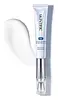
This anti-aging eye moisturizer is formulated around Palmitoyl Pentapeptide-4 and Dipeptide Diaminobutyroyl Benzylamide Diacetate to soften the look of wrinkles and refine skin texture.
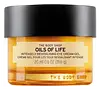
This anti-aging eye moisturizer is formulated around Caffeine and Camellia Sinensis Leaf Extract to soften the look of wrinkles and hydrate skin.


What's inside
What's inside
 Key Ingredients
Benefits
Concerns
Ingredients Side-by-side
Water
Skin ConditioningMaris Aqua
HumectantPropanediol
Solvent

Coco-Caprylate/Caprate
Emollient
Glycerin
Humectant
Cyclopentasiloxane
Emollient
Cetyl Alcohol
Emollient


Erythritol
Humectant
Dimethicone
Emollient
Limnanthes Alba Seed Oil
Skin Conditioning
Cyclohexasiloxane
Emollient
Glyceryl Stearate
Emollient
Hydroxyacetophenone
Antioxidant
1,2-Hexanediol
Skin Conditioning
Tocopheryl Acetate
Antioxidant

Phytosteryl/Octyldodecyl Lauroyl Glutamate
Skin ConditioningPEG-75 Stearate
Surfactant
Ammonium Acryloyldimethyltaurate/Vp Copolymer
Steareth-20
CleansingCeteth-20
CleansingButylene Glycol
Humectant
Palmitoyl Pentapeptide-4
Skin Conditioning


Dipeptide Diaminobutyroyl Benzylamide Diacetate
Skin Conditioning
Acetyl Tetrapeptide-5
Humectant
Niacinamide
Smoothing






Caffeine
Skin Conditioning
Xanthan Gum
EmulsifyingTrehalose
Humectant
Sophora Flavescens Root Extract
Antioxidant
Dendrobium Nobile Stem Extract
Skin ConditioningPentylene Glycol
Skin Conditioning
Sodium Hyaluronate
Humectant
Pentaerythrityl Tetra-Di-T-Butyl Hydroxyhydrocinnamate
Antioxidant
Ophiopogon Japonicus Root Extract
Skin ConditioningOpuntia Ficus-Indica Stem Extract
Skin Conditioning
Aloe Barbadensis Leaf Extract
Emollient
Disodium EDTA
ChelatingLycium Barbarum Fruit Extract
Astringent
Echinacea Purpurea Extract
MoisturisingPalmaria Palmata Extract
Skin Protecting

Polysorbate 20
Emulsifying
Hydrogenated Lecithin
Emulsifying
Carbomer
Emulsion StabilisingCeramide NP
Skin Conditioning
Tocopherol
Antioxidant
Arginine
Masking
Ceramide Ns
Skin Conditioning
Ceramide Ng
Skin Conditioning
Ceramide As
Skin Conditioning
Ceramide EOP
Skin Conditioning
Ceramide AP
Skin Conditioning
Water, Maris Aqua, Propanediol, Coco-Caprylate/Caprate, Glycerin, Cyclopentasiloxane, Cetyl Alcohol, Erythritol, Dimethicone, Limnanthes Alba Seed Oil, Cyclohexasiloxane, Glyceryl Stearate, Hydroxyacetophenone, 1,2-Hexanediol, Tocopheryl Acetate, Phytosteryl/Octyldodecyl Lauroyl Glutamate, PEG-75 Stearate, Ammonium Acryloyldimethyltaurate/Vp Copolymer, Steareth-20, Ceteth-20, Butylene Glycol, Palmitoyl Pentapeptide-4, Dipeptide Diaminobutyroyl Benzylamide Diacetate, Acetyl Tetrapeptide-5, Niacinamide, Caffeine, Xanthan Gum, Trehalose, Sophora Flavescens Root Extract, Dendrobium Nobile Stem Extract, Pentylene Glycol, Sodium Hyaluronate, Pentaerythrityl Tetra-Di-T-Butyl Hydroxyhydrocinnamate, Ophiopogon Japonicus Root Extract, Opuntia Ficus-Indica Stem Extract, Aloe Barbadensis Leaf Extract, Disodium EDTA, Lycium Barbarum Fruit Extract, Echinacea Purpurea Extract, Palmaria Palmata Extract, Polysorbate 20, Hydrogenated Lecithin, Carbomer, Ceramide NP, Tocopherol, Arginine, Ceramide Ns, Ceramide Ng, Ceramide As, Ceramide EOP, Ceramide AP
Water
Skin ConditioningGlycerin
Humectant
Alcohol Denat.
Antimicrobial


Coco-Caprylate/Caprate
Emollient
Hydrogenated Ethylhexyl Olivate
EmollientHydroxypropyl Starch Phosphate
Ricinus Communis Seed Oil
Masking
Caffeine
Skin Conditioning
Camellia Sinensis Leaf Extract
Antimicrobial
Carbomer
Emulsion StabilisingLactobacillus Ferment Lysate
Skin Conditioning
Phenoxyethanol
Preservative
Punica Granatum Extract
AstringentTapioca Starch
Isopropyl Alcohol
Solvent
Hydrogenated Olive Oil Unsaponifiables
Emollient
Xanthan Gum
EmulsifyingChlorphenesin
Antimicrobial
Rosa Canina Fruit Oil
Emollient
Olea Europaea Fruit Oil
Masking
Camellia Oleifera Seed Oil
Skin Conditioning
Salicylic Acid
Masking
Sodium Hydroxide
BufferingLactobacillus Ferment
Skin Conditioning
Nigella Sativa Seed Oil
Emollient
Sodium Hyaluronate
Humectant
Pentaerythrityl Tetra-Di-T-Butyl Hydroxyhydrocinnamate
Antioxidant
Synthetic Fluorphlogopite
Menthoxypropanediol
Masking
Sodium Gluconate
ChelatingAdenosine
Skin Conditioning
Tin Oxide
Abrasive
Tocopherol
Antioxidant
Citric Acid
Buffering
CI 77891
Cosmetic ColorantCI 77491
Cosmetic ColorantCI 19140
Cosmetic ColorantWater, Glycerin, Alcohol Denat., Coco-Caprylate/Caprate, Hydrogenated Ethylhexyl Olivate, Hydroxypropyl Starch Phosphate, Ricinus Communis Seed Oil, Caffeine, Camellia Sinensis Leaf Extract, Carbomer, Lactobacillus Ferment Lysate, Phenoxyethanol, Punica Granatum Extract, Tapioca Starch, Isopropyl Alcohol, Hydrogenated Olive Oil Unsaponifiables, Xanthan Gum, Chlorphenesin, Rosa Canina Fruit Oil, Olea Europaea Fruit Oil, Camellia Oleifera Seed Oil, Salicylic Acid, Sodium Hydroxide, Lactobacillus Ferment, Nigella Sativa Seed Oil, Sodium Hyaluronate, Pentaerythrityl Tetra-Di-T-Butyl Hydroxyhydrocinnamate, Synthetic Fluorphlogopite, Menthoxypropanediol, Sodium Gluconate, Adenosine, Tin Oxide, Tocopherol, Citric Acid, CI 77891, CI 77491, CI 19140
Reviews
Ingredients Explained
These ingredients are found in both products.
Ingredients higher up in an ingredient list are typically present in a larger amount.
Caffeine is a naturally occurring plant compound found in coffee beans, tea leaves, cocoa pods, and guarana.
As an antioxidant, caffeine protects your skin from free radical damage caused by UV exposure and envionrmnetal stressors.
Early research also shows that caffeine can help calm redness, soothe irritated skin, and support hair growth by stimulating microcirculation in the scalp.
You might have seen eye creams marketing caffeine as a depuffing ingredient. This is because it is a vasoconstrictor meaning it can temporarily constrict blood vessels, though clinical evidence for this specific use is still limited.
Most skincare products contain this ingredient at concentrations between 1-6%. It is able to penetrate skin easily regardless of skin type or thickness.
Just so you know, a very small number of case reports describe caffeine-induced allergy. This ingredient is generally well-tolerated, non-irritating, and non-sensitizing for the majority of people.
Learn more about CaffeineCarbomer is a synthetic thickening and gelling agent. It's basically the ingredient that gives a lot of serums, gels, creams, and sunscreens their smooth, non-sticky texture.
Although legally permitted at very high levels, carbomers are normally used at concentrations below 1%.
It also needs to be neutralized to actually thicken, and because it is a large molecule, it doesn't really penetrate the skin barrier.
Allergy-wise, the risk is very low. Clinical studies show carbomers have low potential for skin irritation/sensitization even at concentrations up to 100%.
A 2024 UK study patch-tested 1,302 patients and found true allergy to the parent group of carbomer to be rare with no confirmed relevant reactions.
Learn more about CarbomerCoco-Caprylate/Caprate is a lightweight ester created from coconut oil fatty acids, caprylic acid, and capric acid.
It is an emollient that helps soften skin and reduce transepidermal water loss (TEWL). What sets it apart from heavier emollients is its ultralight, non-greasy feel.
Once applied, this ingredient dries down quickly and leaves a dry, silky finish behind. This also helps improve spreadability and texture.
This ingredient has an excellent safety-record and is non-irritating.
Typical concentrations for cosmetics range from 0.5-62%.
Research on Malassezia growth found no growth on fatty acid esters with chain lengths shorter than 12 carbons (it prefers C11-24).
Since Coco-Caprylate/Caprate is built on C8 and C10 fatty acids, it is out of the range that Malassezia metabolizes, and therefore safe for fungal acne.
Learn more about Coco-Caprylate/CaprateGlycerin (or glycerol) is a compound naturally found in your skin. It's a powerhouse humectant that pulls water into the stratum corneum.
Topically, glycerin does several things at once:
Your skin makes glycerin on its own (mostly from sebaceous oil breakdown) and shuttles it to your outermost layer of skin, or your epidermis, via aquaporin-3.
Aquaporin-3 is a transporter that is essential for normal skin hydration, elasticity, and repair. Interestingly, mice lacking in AQP3 have dry and less elastic skin that can be fully corrected with glycerin.
This ingredient is non-irritating, plays well with almost every ingredient, and works across all skin types. Typical use is anywhere between 3-10% but can go up to 79% in some leave-on products.
Just know very high concentrations (>40%) can feel tacky in low humidity.
Glycerin is the name for this ingredient in American English. British English uses Glycerol/Glycerine.
Learn more about GlycerinPentaerythrityl Tetra-Di-T-Butyl Hydroxyhydrocinnamate (long name, huh?) is a synthetic antioxidant.
It is used to help stabilize other antioxidants or prevent the color from changing in a product.
As an antioxidant, it helps fight free-radical molecules. Free-radical molecules are capable of damaging our cells and other genetic material. Thus, antioxidants may reduce the signs of aging.
This ingredient is oil-soluble.
Learn more about Pentaerythrityl Tetra-Di-T-Butyl HydroxyhydrocinnamateSodium Hyaluronate is the salt form of hyaluronic acid. It is a long sugar chain that is naturally found in your skin, joints, and connective tissue that maintains hydration and elasticity.
In skincare, it works as a humectant. It pulls water from the environment and deeper layers of skin and binds it to the surface.
Interestingly, the size of the molecule affects its behavior:
Some clinical evidence links low molecular weight versions to improved wrinkle depth, elasticity, anti-inflammatory effects, and barrier repair.
Many serums use a blend of both weights so you can get surface hydration plus longer-lasting and deeper effects.
You'll typically see concentrations between 0.1-2% for this ingredient.
Learn more about Sodium HyaluronateTocopherol is a fat-soluble antioxidant known as Vitamin E.
You'll find this ingredient in the vast majority of skincare (for good reason). It works to neutralize free radicals, or unstable molecules generated by UV exposure, pollution, and other environmental stressors, before they can cause oxidative damage to your skin cells.
Topically applied tocopherol has been shown to protect against UV damage by ramping up the skin's own natural defense enzymes.
It also acts as a skin conditioning agent; some studies show that regular topical use can improve the skin's water-binding capacity over 2-4 weeks.
This ingredient is especially loved for being a team player. When combined with Vitamin C, the photoprotective effect of both ingredients roughly doubles and the combo also helps reduce UV-induced DNA damage.
This ingredient has some brightening potential but it's more of a prevention ingredient than spot-fader. Cell studies show it can slow down melanin production but it's worth noting that it's not the most powerful brightener out there.
In formulations, it also serves as a stabilizer that helps protect other oxidation-prone ingredients from degrading.
Concentrations usually range from 0.1-1% in most leave-on products.
Learn more about TocopherolWater. It's the most common cosmetic ingredient of all. You'll usually see it at the top of ingredient lists, meaning that it makes up the largest part of the product.
So why is it so popular? Water most often acts as a solvent - this means that it helps dissolve other ingredients into the formulation.
You'll also recognize water as that liquid we all need to stay alive. If you see this, drink a glass of water. Remember to stay hydrated!
Learn more about WaterXanthan gum is used as a stabilizer and thickener within cosmetic products. It helps give products a sticky, thick feeling - preventing them from being too runny.
On the technical side of things, xanthan gum is a polysaccharide - a combination consisting of multiple sugar molecules bonded together.
Xanthan gum is a pretty common and great ingredient. It is a natural, non-toxic, non-irritating ingredient that is also commonly used in food products.
Learn more about Xanthan Gum

