

What's inside
What's inside
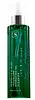 Key Ingredients
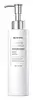
Benefits
Concerns
Ingredients Side-by-side
Water
Skin ConditioningAloe Barbadensis Leaf Juice
Skin Conditioning


Centella Asiatica Extract
Cleansing



Glycerin
Humectant
Avena Sativa Kernel Extract
Abrasive

Squalane
Emollient
Betaine
Humectant
Camellia Sinensis Leaf Extract
Antimicrobial


Cocodimonium Hydroxypropyl Silk Amino Acids
Skin ConditioningSodium Lauroyl Oat Amino Acids
CleansingPanthenol
Skin Conditioning
Xylitol
Humectant
Allantoin
Skin Conditioning
Cetearyl Alcohol
Emollient




Coco-Glucoside
Cleansing
Phenoxyethanol
Preservative
Hyaluronic Acid
Humectant
Sodium Hyaluronate
Humectant
Lecithin
Emollient
Benzyl Alcohol
Perfuming




Xanthan Gum
EmulsifyingAcrylates/C10-30 Alkyl Acrylate Crosspolymer
Emulsion StabilisingPolyquaternium-10
Trisodium Ethylenediamine Disuccinate
Water, Aloe Barbadensis Leaf Juice, Centella Asiatica Extract, Glycerin, Avena Sativa Kernel Extract, Squalane, Betaine, Camellia Sinensis Leaf Extract, Cocodimonium Hydroxypropyl Silk Amino Acids, Sodium Lauroyl Oat Amino Acids, Panthenol, Xylitol, Allantoin, Cetearyl Alcohol, Coco-Glucoside, Phenoxyethanol, Hyaluronic Acid, Sodium Hyaluronate, Lecithin, Benzyl Alcohol, Xanthan Gum, Acrylates/C10-30 Alkyl Acrylate Crosspolymer, Polyquaternium-10, Trisodium Ethylenediamine Disuccinate
Water
Skin ConditioningPotassium Cocoyl Glycinate
Surfactant
Polyglycerin-10
HumectantGlycerin
Humectant
Tea-Cocoyl Glutamate
Cleansing
Sodium PCA
Humectant
Lauryl Hydroxysultaine
CleansingTuber Magnatum Extract
Skin ConditioningSodium Lauryl Glycol Carboxylate
CleansingArginine
Masking
1,2-Hexanediol
Skin Conditioning
Hydroxyacetophenone
Antioxidant
Sodium Chloride
MaskingHydroxypropyl Methylcellulose
Emulsion StabilisingHyaluronic Acid
Humectant
Ceramide EOP
Skin Conditioning
Ceramide Ns
Skin Conditioning
Ceramide Ng
Skin Conditioning
Ceramide NP
Skin Conditioning
Ceramide As
Skin Conditioning
Ceramide AP
Skin Conditioning
Disodium Cocoamphodiacetate
CleansingCentella Asiatica Extract
Cleansing
Disodium Cocoyl Glutamate
Cleansing
Sodium Taurine Cocoyl Methyltaurate
Cleansing
Xylitylglucoside
Humectant
Anhydroxylitol
Humectant
Glyceryl Oleate
Emollient
Sorbitan Caprylate
EmulsifyingPPG-26-Buteth-26
Skin ConditioningTetrasodium Glutamate Diacetate
PEG-40 Hydrogenated Castor Oil
Emulsifying
Potassium Chloride
Xylitol
Humectant
Hexylene Glycol
EmulsifyingSericin
Skin ConditioningCaprylhydroxamic Acid
Tetrasodium EDTA
Hamamelis Virginiana Water
Astringent

Parfum
Masking
Portulaca Oleracea Extract
Skin Conditioning
Butylene Glycol
Humectant
Ethylhexylglycerin
Skin ConditioningLaminaria Digitata Extract
Skin Protecting
Hydrogenated Lecithin
Emulsifying
Phenoxyethanol
Preservative
Cholesterol
Emollient
Cetyl-Pg Hydroxyethyl Palmitamide
Skin ConditioningWater, Potassium Cocoyl Glycinate, Polyglycerin-10, Glycerin, Tea-Cocoyl Glutamate, Sodium PCA, Lauryl Hydroxysultaine, Tuber Magnatum Extract, Sodium Lauryl Glycol Carboxylate, Arginine, 1,2-Hexanediol, Hydroxyacetophenone, Sodium Chloride, Hydroxypropyl Methylcellulose, Hyaluronic Acid, Ceramide EOP, Ceramide Ns, Ceramide Ng, Ceramide NP, Ceramide As, Ceramide AP, Disodium Cocoamphodiacetate, Centella Asiatica Extract, Disodium Cocoyl Glutamate, Sodium Taurine Cocoyl Methyltaurate, Xylitylglucoside, Anhydroxylitol, Glyceryl Oleate, Sorbitan Caprylate, PPG-26-Buteth-26, Tetrasodium Glutamate Diacetate, PEG-40 Hydrogenated Castor Oil, Potassium Chloride, Xylitol, Hexylene Glycol, Sericin, Caprylhydroxamic Acid, Tetrasodium EDTA, Hamamelis Virginiana Water, Parfum, Portulaca Oleracea Extract, Butylene Glycol, Ethylhexylglycerin, Laminaria Digitata Extract, Hydrogenated Lecithin, Phenoxyethanol, Cholesterol, Cetyl-Pg Hydroxyethyl Palmitamide
Ingredients Explained
These ingredients are found in both products.
Ingredients higher up in an ingredient list are typically present in a larger amount.
Centella Asiatica Extract (Centella) is derived from an herb native to Southeast Asia. It is famous for its anti-inflammatory and soothing properties.
Centella is rich in antioxidants and amino acids, such as Madecassic Acid and Asiaticoside.
Studies show the compounds in centella help with:
The combination of all these properties makes centella effective at soothing, hydrating, and protecting the skin.
Other great components of centella include Vitamin A, vitamin C, several B vitamins, and Asiatic Acid.
Fun fact: Centella has been used as a medicine and in food for many centuries. As a medicine, it is used to treat burns, scratches, and wounds.
Learn more about Centella Asiatica ExtractGlycerin (or glycerol) is a compound naturally found in your skin. It's a powerhouse humectant that pulls water into the stratum corneum.
Topically, glycerin does several things at once:
Your skin makes glycerin on its own (mostly from sebaceous oil breakdown) and shuttles it to your outermost layer of skin, or your epidermis, via aquaporin-3.
Aquaporin-3 is a transporter that is essential for normal skin hydration, elasticity, and repair. Interestingly, mice lacking in AQP3 have dry and less elastic skin that can be fully corrected with glycerin.
This ingredient is non-irritating, plays well with almost every ingredient, and works across all skin types. Typical use is anywhere between 3-10% but can go up to 79% in some leave-on products.
Just know very high concentrations (>40%) can feel tacky in low humidity.
Glycerin is the name for this ingredient in American English. British English uses Glycerol/Glycerine.
Learn more about GlycerinHyaluronic acid (HA) is a glycosaminoglycan (basically a long sugar chain) that your skin already makes on its own. In your skin, HA lives in the extracellular matrix and acts as the body's moisture reservoir.
Topically, HA is a humectant that binds water and helps skin look more plump, smooth, and hydrated.
The only catch is that HA isn't a single thing; it actually comes in a wide range of molecular weights (~50 - 2,000+ kDA) and size matters.
Some clinical evidence links low molecular weight versions to improved wrinkle depth, elasticity, anti-inflammatory effects, and barrier repair.
This is why the best HA serums blend the two sizes together so you get the best of both worlds.
The majority of cosmetic HA is produced by bacterial fermentation, typically using Streptococcus or Bacillus strains. Typical use levels in skincare sit around 0.1-2%.
A clinical study using a 0.2% low-molecular weight HA gel showed improvement in facial seborrheic dermatitis with excellent tolerance.
These are some other common types of Hyaluronic Acid:
Learn more about Hyaluronic AcidPhenoxyethanol is a preservative that has germicide, antimicrobial, and aromatic properties. Studies show that phenoxyethanol can prevent microbial growth. By itself, it has a scent that is similar to that of a rose.
It's often used in formulations along with Caprylyl Glycol to preserve the shelf life of products.
Water. It's the most common cosmetic ingredient of all. You'll usually see it at the top of ingredient lists, meaning that it makes up the largest part of the product.
So why is it so popular? Water most often acts as a solvent - this means that it helps dissolve other ingredients into the formulation.
You'll also recognize water as that liquid we all need to stay alive. If you see this, drink a glass of water. Remember to stay hydrated!
Learn more about WaterXylitol is a humectant and prebiotic. It can help with dry skin.
In studies, xylitol has been shown to improve dry skin. It decreased transepidermal water loss, or when water passes through the skin and evaporates. Xylitol also showed to help improve the biomechanical properties of the skin barrier.
The prebiotic property of xylitol may also help reinforce our skin's natural microbiome. Having a healthy microbiome prevents infection by bad bacteria and helps with hydration.
As a humectant, Xylitol helps draw moisture from both the air and from deeper skin layers. This helps keep skin hydrated.
Xylitol is a sugar alcohol and commonly used as a sugar substitute. It is naturally occurring in plants such as strawberries and pumpkin.
Learn more about Xylitol
