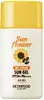
This chemical sunscreen covers the full UV range and blocks ~98% of UVB at SPF 50.
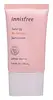
This oil-control day moisturizer is formulated around Methyl Methacrylate Crosspolymer to balance excess oil.

What's inside
What's inside
 Key Ingredients
Benefits
Concerns
Ingredients Side-by-side
Water
Skin ConditioningDibutyl Adipate
EmollientSilica
Abrasive


Alcohol Denat.
Antimicrobial




Ethylhexyl Salicylate
UV Absorber

Homosalate
Skin Conditioning
Bis-Ethylhexyloxyphenol Methoxyphenyl Triazine
UV Absorber
Methylene Bis-Benzotriazolyl Tetramethylbutylphenol
UV Filter
Polysilicone-15
UV Filter
Diethylamino Hydroxybenzoyl Hexyl Benzoate
UV Filter
Helianthus Annuus Seed Extract
Skin Conditioning
Butylene Glycol
Humectant
Acrylates Copolymer
Ceteth-10
EmulsifyingStyrene/Acrylates Copolymer
Decyl Glucoside
Cleansing
Steareth-21
CleansingTromethamine
BufferingPropylene Glycol
Humectant
Helianthus Annuus Seed Oil
Emollient

Xanthan Gum
EmulsifyingTocopherol
Antioxidant





Acrylates/C10-30 Alkyl Acrylate Crosspolymer
Emulsion StabilisingCarbomer
Emulsion StabilisingCetyl PEG/PPG-10/1 Dimethicone
Emulsifying
1,2-Hexanediol
Skin Conditioning
Ethylhexylglycerin
Skin ConditioningParfum
Masking

Benzyl Benzoate
Antimicrobial
Linalool
Perfuming
Butylphenyl Methylpropional
Perfuming
Hexyl Cinnamal
Perfuming
Citronellol
Perfuming
Geraniol
Perfuming
Amyl Cinnamal
Perfuming
Alpha-Isomethyl Ionone
Perfuming
Water, Dibutyl Adipate, Silica, Alcohol Denat., Ethylhexyl Salicylate, Homosalate, Bis-Ethylhexyloxyphenol Methoxyphenyl Triazine, Methylene Bis-Benzotriazolyl Tetramethylbutylphenol, Polysilicone-15, Diethylamino Hydroxybenzoyl Hexyl Benzoate, Helianthus Annuus Seed Extract, Butylene Glycol, Acrylates Copolymer, Ceteth-10, Styrene/Acrylates Copolymer, Decyl Glucoside, Steareth-21, Tromethamine, Propylene Glycol, Helianthus Annuus Seed Oil, Xanthan Gum, Tocopherol, Acrylates/C10-30 Alkyl Acrylate Crosspolymer, Carbomer, Cetyl PEG/PPG-10/1 Dimethicone, 1,2-Hexanediol, Ethylhexylglycerin, Parfum, Benzyl Benzoate, Linalool, Butylphenyl Methylpropional, Hexyl Cinnamal, Citronellol, Geraniol, Amyl Cinnamal, Alpha-Isomethyl Ionone
Cyclopentasiloxane
Emollient
Water
Skin ConditioningZinc Oxide
Cosmetic Colorant
Titanium Dioxide
Cosmetic Colorant
Methyl Methacrylate Crosspolymer
PEG-10 Dimethicone
Skin Conditioning
Isodecyl Neopentanoate
EmollientSilica
Abrasive
Mica
Cosmetic ColorantGlycerin
Humectant
Disteardimonium Hectorite
StabilisingDipropylene Glycol
HumectantCyclomethicone
Emollient
Magnesium Sulfate
Aluminum Hydroxide
EmollientAluminum Stearate
Cosmetic ColorantPolymethyl Methacrylate
Vinyl Dimethicone/Methicone Silsesquioxane Crosspolymer
Methicone
Emollient
Stearoyl Inulin
EmollientPhenoxyethanol
Preservative
Sorbitan Sesquioleate
Emulsifying
Parfum
Masking
Caprylyl Glycol
Emollient
Propanediol
Solvent
Microcrystalline Cellulose
AbsorbentDimethicone/Vinyl Dimethicone Crosspolymer
Skin Conditioning
Glyceryl Caprylate
EmollientPolyglyceryl-6 Polyricinoleate
Emulsifying
Ethylhexylglycerin
Skin ConditioningDimethicone
Emollient
CI 77492
Cosmetic ColorantTriethoxycaprylylsilane
Centella Asiatica Extract
Cleansing

Portulaca Oleracea Extract
Skin Conditioning
Cellulose Gum
Emulsion StabilisingCI 77491
Cosmetic ColorantButylene Glycol
Humectant
CI 77499
Cosmetic ColorantCamellia Sinensis Leaf Extract
Antimicrobial
Helianthus Annuus Seed Oil
Emollient
Hamamelis Virginiana Leaf Extract
Skin Conditioning
Citrus Unshiu Peel Extract
MaskingOpuntia Coccinellifera Fruit Extract
Skin ConditioningOrchid Extract
Skin ConditioningCamellia Japonica Leaf Extract
Skin ConditioningCitric Acid
Buffering
Sodium Benzoate
Masking
Potassium Sorbate
Preservative
Cyclopentasiloxane, Water, Zinc Oxide, Titanium Dioxide, Methyl Methacrylate Crosspolymer, PEG-10 Dimethicone, Isodecyl Neopentanoate, Silica, Mica, Glycerin, Disteardimonium Hectorite, Dipropylene Glycol, Cyclomethicone, Magnesium Sulfate, Aluminum Hydroxide, Aluminum Stearate, Polymethyl Methacrylate, Vinyl Dimethicone/Methicone Silsesquioxane Crosspolymer, Methicone, Stearoyl Inulin, Phenoxyethanol, Sorbitan Sesquioleate, Parfum, Caprylyl Glycol, Propanediol, Microcrystalline Cellulose, Dimethicone/Vinyl Dimethicone Crosspolymer, Glyceryl Caprylate, Polyglyceryl-6 Polyricinoleate, Ethylhexylglycerin, Dimethicone, CI 77492, Triethoxycaprylylsilane, Centella Asiatica Extract, Portulaca Oleracea Extract, Cellulose Gum, CI 77491, Butylene Glycol, CI 77499, Camellia Sinensis Leaf Extract, Helianthus Annuus Seed Oil, Hamamelis Virginiana Leaf Extract, Citrus Unshiu Peel Extract, Opuntia Coccinellifera Fruit Extract, Orchid Extract, Camellia Japonica Leaf Extract, Citric Acid, Sodium Benzoate, Potassium Sorbate
Ingredients Explained
These ingredients are found in both products.
Ingredients higher up in an ingredient list are typically present in a larger amount.
Butylene Glycol (or BG) is used within cosmetic products for a few different reasons:
Overall, Butylene Glycol is a safe and well-rounded ingredient that works well with other ingredients.
Though this ingredient works well with most skin types, some people with sensitive skin may experience a reaction such as allergic rashes, closed comedones, or itchiness.
Learn more about Butylene GlycolEthylhexylglycerin is created from glycerin. It is a multitasker ingredient that:
The CIR Expert Panel found minimal skin absorption or sensitization of any kind in a safety assessment. Though this ingredient is considered well-tolerated, a small number of cases of allergic dermatitis have been published since 2002. Just be sure to patch test if you are unsure.
Industry-reported use ranges from 8% in rinse-off products and 2% in leave-on formulations.
Learn more about EthylhexylglycerinHelianthus Annuus Seed Oil is a plant oil derived from the seeds of a sunflower.
It is rich in fatty acids, primarily linoleic acid and oleic acid. This gives it emollient and skin conditioning properties.
The reason this ingredient is so effective is because it forms a thin film on the skin that reduces transepidermal water loss (TEWL) while supplying linoleic acid to the stratum corneum to improve barrier strength.
The high linoleic acid content is particularly noteworthy for acne-prone skin.
Research suggests that acne-prone skin tends to be deficient in linoleic acid in sebum. Topical application may help replenish this to support a healthier follicular environment and less comedone-promoting sebum.
One randomized study found sunflower seed oil preserved skin barrier integrity in adult volunteers with and without atopic dermatitis (outperforming olive oil).
This ingredient is well-studied, gentle, and an effective emollient suitable for most skin types.
On fungal acne: This ingredient may not be Fungal acne (Malassezia folliculitis) safe. This is because it contains fatty acids with carbon chain lengths in the C11-C24 range.
Learn more about Helianthus Annuus Seed OilParfum is a catch-all term for an ingredient or more that is used to give a scent to products.
Also called "fragrance", this ingredient can be a blend of hundreds of chemicals or plant oils. This means every product with "fragrance" or "parfum" in the ingredients list is a different mixture.
For instance, Habanolide is a proprietary trade name for a specific aroma chemical. When used as a fragrance ingredient in cosmetics, most aroma chemicals fall under the broad labeling category of “FRAGRANCE” or “PARFUM” according to EU and US regulations.
The term 'parfum' or 'fragrance' is not regulated in many countries. In many cases, it is up to the brand to define this term.
For instance, many brands choose to label themselves as "fragrance-free" because they are not using synthetic fragrances. However, their products may still contain ingredients such as essential oils that are considered a fragrance by INCI standards.
One example is Calendula flower extract. Calendula is an essential oil that still imparts a scent or 'fragrance'.
Depending on the blend, the ingredients in the mixture can cause allergies and sensitivities on the skin. Some ingredients that are known EU allergens include linalool and citronellol.
Parfum can also be used to mask or cover an unpleasant scent.
The bottom line is: not all fragrances/parfum/ingredients are created equally. If you are worried about fragrances, we recommend taking a closer look at an ingredient. And of course, we always recommend speaking with a professional.
Learn more about ParfumSilica, also known as silicon dioxide, is a naturally occurring mineral. It is used as a fine, spherical, and porous powder in cosmetics.
Though it has exfoliant properties, the function of silica varies depending on the product.
The unique structure of silica enhances the spreadability and adds smoothness, making it a great texture enhancer.
It is also used as an active carrier, emulsifier, and mattifier due to its ability to absorb excess oil.
In some products, tiny microneedles called spicules are made from silica or hydrolyzed sponge. When you rub them in, they lightly polish away dead skin layers and enhance the penetration of active ingredients.
Learn more about SilicaWater. It's the most common cosmetic ingredient of all. You'll usually see it at the top of ingredient lists, meaning that it makes up the largest part of the product.
So why is it so popular? Water most often acts as a solvent - this means that it helps dissolve other ingredients into the formulation.
You'll also recognize water as that liquid we all need to stay alive. If you see this, drink a glass of water. Remember to stay hydrated!
Learn more about Water

