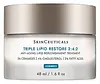
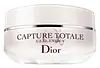
SkinCeuticals Triple Lipid Restore 2:4:2 Versus Dior Capture Totale Firming & Wrinkle-Correcting Creme
This barrier-repair moisturizer is formulated around Cholesterol and Ceramide NP to strengthen the skin barrier and soften the look of wrinkles.
This anti-aging moisturizer is formulated around Niacinamide and Adenosine to soften the look of wrinkles.


What's inside
What's inside
 Key Ingredients
Benefits
Concerns
Ingredients Side-by-side
Water
Skin ConditioningDimethicone
Emollient

Hydrogenated Polyisobutene
EmollientGlycerin
Humectant

Cholesterol
Emollient
C12-15 Alkyl Benzoate
AntimicrobialCeramide NP
Skin Conditioning



Helianthus Annuus Seed Oil Unsaponifiables
Emollient


Bis-PEG-18 Methyl Ether Dimethyl Silane
EmollientSodium Polyacrylate
Absorbent
PEG-10 Dimethicone
Skin Conditioning
Nylon-12


Lauryl PEG-9 Polydimethylsiloxyethyl Dimethicone
Skin Conditioning
Dimethicone/PEG-10/15 Crosspolymer
Phenoxyethanol
Preservative
Disteardimonium Hectorite
StabilisingHydroxyethylpiperazine Ethane Sulfonic Acid
BufferingAmmonium Polyacryloyldimethyl Taurate
Emulsion StabilisingChlorphenesin
Antimicrobial
Caprylyl Glycol
Emollient
PEG/PPG-18/18 Dimethicone
Emulsifying
Propylene Carbonate
SolventDisodium EDTA
Acrylonitrile/Methyl Methacrylate/Vinylidene Chloride Copolymer
Adenosine
Skin Conditioning
Dipropylene Glycol
HumectantLavandula Angustifolia Oil
Masking



Rosmarinus Officinalis Leaf Oil
Masking
T-Butyl Alcohol
Perfuming



Mentha Piperita Oil
Masking
Sodium Citrate
BufferingLinalool
Perfuming
Isobutane
Ceramide EOP
Skin Conditioning
BHT
Antioxidant
Tocopherol
Antioxidant


Limonene
Perfuming
Water, Dimethicone, Hydrogenated Polyisobutene, Glycerin, Cholesterol, C12-15 Alkyl Benzoate, Ceramide NP, Helianthus Annuus Seed Oil Unsaponifiables, Bis-PEG-18 Methyl Ether Dimethyl Silane, Sodium Polyacrylate, PEG-10 Dimethicone, Nylon-12, Lauryl PEG-9 Polydimethylsiloxyethyl Dimethicone, Dimethicone/PEG-10/15 Crosspolymer, Phenoxyethanol, Disteardimonium Hectorite, Hydroxyethylpiperazine Ethane Sulfonic Acid, Ammonium Polyacryloyldimethyl Taurate, Chlorphenesin, Caprylyl Glycol, PEG/PPG-18/18 Dimethicone, Propylene Carbonate, Disodium EDTA, Acrylonitrile/Methyl Methacrylate/Vinylidene Chloride Copolymer, Adenosine, Dipropylene Glycol, Lavandula Angustifolia Oil, Rosmarinus Officinalis Leaf Oil, T-Butyl Alcohol, Mentha Piperita Oil, Sodium Citrate, Linalool, Isobutane, Ceramide EOP, BHT, Tocopherol, Limonene
Water
Skin ConditioningGlycerin
Humectant
Propylene Glycol Dicaprylate/Dicaprate
EmollientNiacinamide
Smoothing



Alcohol
Antimicrobial
Butylene Glycol
Humectant
Prunus Amygdalus Dulcis Oil
Skin Conditioning
Cetearyl Alcohol
Emollient


Butyrospermum Parkii Butter
Skin Conditioning
Pentaerythrityl Tetraisostearate
Emollient
Limnanthes Alba Seed Oil
Skin Conditioning
Steareth-21
CleansingDiglycerin
Humectant
Polyglycerin-3
Humectant
Aframomum Angustifolium Seed Extract
Skin ConditioningPaeonia Lactiflora Root Extract
Skin ConditioningLilium Candidum Bulb Extract
Skin ConditioningJasminum Officinale Flower Extract
Masking
Sodium Surfactin
CleansingCeramide NP
Skin Conditioning
Hydrolyzed Soy Protein
Humectant
Ascorbyl Glucoside
Antioxidant
Sodium Tocopheryl Phosphate
Antioxidant
Sodium Acetylated Hyaluronate
Humectant
Adenosine
Skin Conditioning
Xylitol
Humectant
Trehalose
Humectant
Palmaria Palmata Extract
Skin ProtectingCamelina Sativa Seed Oil
Skin Conditioning
Polymethyl Methacrylate
Dimethicone
Emollient
Cetearyl Glucoside
Emulsifying
Parfum
Masking
Glyceryl Stearate
Emollient
Caprylyl Glycol
Emollient
Chlorphenesin
Antimicrobial
Acrylates/C10-30 Alkyl Acrylate Crosspolymer
Emulsion StabilisingXanthan Gum
EmulsifyingCetyl Palmitate
Emollient
Cocoglycerides
Emollient
Sodium Hydroxide
BufferingGlucose
Humectant
CI 14700
Cosmetic ColorantCitric Acid
Buffering
Sodium Benzoate
Masking
Potassium Sorbate
Preservative
Tocopherol
Antioxidant
Water, Glycerin, Propylene Glycol Dicaprylate/Dicaprate, Niacinamide, Alcohol, Butylene Glycol, Prunus Amygdalus Dulcis Oil, Cetearyl Alcohol, Butyrospermum Parkii Butter, Pentaerythrityl Tetraisostearate, Limnanthes Alba Seed Oil, Steareth-21, Diglycerin, Polyglycerin-3, Aframomum Angustifolium Seed Extract, Paeonia Lactiflora Root Extract, Lilium Candidum Bulb Extract, Jasminum Officinale Flower Extract, Sodium Surfactin, Ceramide NP, Hydrolyzed Soy Protein, Ascorbyl Glucoside, Sodium Tocopheryl Phosphate, Sodium Acetylated Hyaluronate, Adenosine, Xylitol, Trehalose, Palmaria Palmata Extract, Camelina Sativa Seed Oil, Polymethyl Methacrylate, Dimethicone, Cetearyl Glucoside, Parfum, Glyceryl Stearate, Caprylyl Glycol, Chlorphenesin, Acrylates/C10-30 Alkyl Acrylate Crosspolymer, Xanthan Gum, Cetyl Palmitate, Cocoglycerides, Sodium Hydroxide, Glucose, CI 14700, Citric Acid, Sodium Benzoate, Potassium Sorbate, Tocopherol
Reviews
Ingredients Explained
These ingredients are found in both products.
Ingredients higher up in an ingredient list are typically present in a larger amount.
Adenosine is a purine nucleoside that your body already makes in every cell. In skincare, it acts mainly as a skin conditioning and anti-aging agent.
The way it works is fairly well mapped out:
Your skin has cells called fibroblasts that build collagen (the stuff that keeps skin firm and smooth). Adenosine basically flips a switch on these cells that tells them to get to work making more collagen and other proteins. These cells slow down on their own as skin ages, so Adenosine helps give them a little nudge to keep going.
The clinical backing is pretty solid too.
A blind, randomized, placebo-controlled trial of 126 women aged 45-65 tested a 0.1% cream twice daily and found real improvements in crow's feet and frown lines using a precise 3D skin-mapping technique; these changes showed up by week 3 and held at 2 months.
A later study using Adenosine-loaded dissolving microneedle patches reported gains in wrinkle depth, dermal density, elasticity, and hydration.
On concentrations, South Korea's Ministry of Food and Drug Safety has set 0.04% as the approved functional anti-wrinkle level. You'll typically see this ingredient used somewhere in the 0.04-0.1% range since it works at low doses.
This ingredient has been found safe for cosmetics with the data showing no irritation or sensitization.
Overall, this is a great ingredient for any anti-aging routine and has no photosensitizing effect, so it suits both AM and PM use.
Learn more about AdenosineCaprylyl Glycol is a humectant, skin conditioner, emollient, and preservative booster derived from either caprylic acid or synthetically created.
Typical use levels vary from 0.3-1% as a preservative booster and go up to 2% to condition skin.
Because it is not a free-fatty acid, this ingredient is fungal acne safe (there's nothing for Malassezia to feed on).
Learn more about Caprylyl GlycolCeramide NP (formerly known as Ceramide 3) is one of the skin's naturally occurring lipids.
Since ceramides are the major lipid components of the skin, they are crucial for maintaining skin barrier and hydration. Ceramide NP most closely mirrors the dominant kind in human skin amongst ceramide subtypes.
This ceramide works by slotting into gaps within the stratum corneum's lipid matrix to limit trans-epidermal water loss (TEWL) and shield the skin against external irritants.
A study with 312 patients found that using a ceramide-containing routine for 4 weeks reduced the severity of atopic dermatitis by over 61%.
Another clinical study in subjects aged 60 and older found that a ceramide body wash and moisturizer improved skin dryness and itchy skin in 15 days.
Overall, ceramides are considered non-irritating and safety tests have found little to no observable adverse effects from using this ingredient.
Ceramide NP is usually sourced from plants (like soybean or rice bran), or produced synthetically.
Learn more about Ceramide NPChlorphenesin is a synthetic preservative. It helps protect a product against bacteria in order to extend shelf life. In most cases, Chlorphenesin is paired with other preservatives such as phenoxyethanol and caprylyl glycol.
Chlorphenesin is a biocide. This means it is able to help fight the microorganisms on our skin. It is also able to fight odor-releasing bacteria.
Chlorphenesin is soluble in both water and glycerin.
Studies show Chlorphenesin is easily absorbed by our skin. You should speak with a skincare professional if you have concerns about using Chlorphenesin.
Learn more about ChlorphenesinDimethicone is a type of synthetic silicone created from natural materials such as quartz. It is also known as polydimethylsiloxane.
What it does:
Dimethicone comes in different viscosities:
Depending on the viscosity, dimethicone has different properties.
Ingredients lists don't always show which type is used, so we recommend reaching out to the brand if you have questions about the viscosity.
This ingredient is unlikely to cause irritation because it does not get absorbed into skin. However, people with silicone allergies should be careful about using this ingredient.
Note: Dimethicone may contribute to pilling. This is because it is not oil or water soluble, so pilling may occur when layered with products. When mixed with heavy oils in a formula, the outcome is also quite greasy.
Learn more about DimethiconeGlycerin (or glycerol) is a compound naturally found in your skin. It's a powerhouse humectant that pulls water into the stratum corneum.
Topically, glycerin does several things at once:
Your skin makes glycerin on its own (mostly from sebaceous oil breakdown) and shuttles it to your outermost layer of skin, or your epidermis, via aquaporin-3.
Aquaporin-3 is a transporter that is essential for normal skin hydration, elasticity, and repair. Interestingly, mice lacking in AQP3 have dry and less elastic skin that can be fully corrected with glycerin.
This ingredient is non-irritating, plays well with almost every ingredient, and works across all skin types. Typical use is anywhere between 3-10% but can go up to 79% in some leave-on products.
Just know very high concentrations (>40%) can feel tacky in low humidity.
Glycerin is the name for this ingredient in American English. British English uses Glycerol/Glycerine.
Learn more about GlycerinTocopherol is a fat-soluble antioxidant known as Vitamin E.
You'll find this ingredient in the vast majority of skincare (for good reason). It works to neutralize free radicals, or unstable molecules generated by UV exposure, pollution, and other environmental stressors, before they can cause oxidative damage to your skin cells.
Topically applied tocopherol has been shown to protect against UV damage by ramping up the skin's own natural defense enzymes.
It also acts as a skin conditioning agent; some studies show that regular topical use can improve the skin's water-binding capacity over 2-4 weeks.
This ingredient is especially loved for being a team player. When combined with Vitamin C, the photoprotective effect of both ingredients roughly doubles and the combo also helps reduce UV-induced DNA damage.
This ingredient has some brightening potential but it's more of a prevention ingredient than spot-fader. Cell studies show it can slow down melanin production but it's worth noting that it's not the most powerful brightener out there.
In formulations, it also serves as a stabilizer that helps protect other oxidation-prone ingredients from degrading.
Concentrations usually range from 0.1-1% in most leave-on products.
Learn more about TocopherolWater. It's the most common cosmetic ingredient of all. You'll usually see it at the top of ingredient lists, meaning that it makes up the largest part of the product.
So why is it so popular? Water most often acts as a solvent - this means that it helps dissolve other ingredients into the formulation.
You'll also recognize water as that liquid we all need to stay alive. If you see this, drink a glass of water. Remember to stay hydrated!
Learn more about Water

