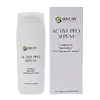
This barrier-repair serum is formulated around Lactococcus Ferment Lysate to strengthen the skin barrier.
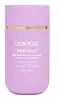
This barrier-repair moisturizer is formulated around Ceramide NP and Phytosphingosine to strengthen the skin barrier and soften the look of wrinkles.

What's inside
What's inside
 Key Ingredients
Benefits
Concerns
Ingredients Side-by-side
Water
Skin ConditioningPentylene Glycol
Skin Conditioning
Human Neonatal Fibroblast Conditioned Media
Skin ConditioningGlycereth-7 Triacetate
EmollientShea Butter Ethyl Esters
Emollient

Glycerin
Humectant

Ethoxydiglycol
HumectantLactococcus Ferment Lysate
Skin Conditioning
Whey Protein
Skin ConditioningChlorella Vulgaris Extract
Skin ConditioningSaccharide Isomerate
Humectant
Dimer Tripeptide-43

Vitis Vinifera Flower Cell Extract
MaskingPyrus Malus Fruit Extract
Skin Conditioning
Hydroxyacetophenone
Antioxidant
Tocopheryl Acetate
Antioxidant

Propanediol
Solvent
Xanthan Gum
EmulsifyingPolyacrylate Crosspolymer-6
Emulsion StabilisingPolyacrylate-13
Polyisobutene
Sclerotium Gum
Emulsion StabilisingPEG-12 Dimethicone
Skin Conditioning
Lecithin
Emollient
Pullulan
Butylene Glycol
Humectant
Sodium Citrate
BufferingPolysorbate 20
Emulsifying
Aminomethyl Propanol
BufferingDisodium EDTA
ChelatingPhenoxyethanol
Preservative
Ethylhexylglycerin
Skin ConditioningWater, Pentylene Glycol, Human Neonatal Fibroblast Conditioned Media, Glycereth-7 Triacetate, Shea Butter Ethyl Esters, Glycerin, Ethoxydiglycol, Lactococcus Ferment Lysate, Whey Protein, Chlorella Vulgaris Extract, Saccharide Isomerate, Dimer Tripeptide-43, Vitis Vinifera Flower Cell Extract, Pyrus Malus Fruit Extract, Hydroxyacetophenone, Tocopheryl Acetate, Propanediol, Xanthan Gum, Polyacrylate Crosspolymer-6, Polyacrylate-13, Polyisobutene, Sclerotium Gum, PEG-12 Dimethicone, Lecithin, Pullulan, Butylene Glycol, Sodium Citrate, Polysorbate 20, Aminomethyl Propanol, Disodium EDTA, Phenoxyethanol, Ethylhexylglycerin
Water
Skin ConditioningCaprylic/Capric Triglyceride
Masking
Dicaprylyl Carbonate
EmollientGlycerin
Humectant
Cetearyl Alcohol
Emollient



Glyceryl Stearate Citrate
Emollient
Butyrospermum Parkii Butter
Skin Conditioning
1,2-Hexanediol
Skin Conditioning
Coco-Caprylate
Emollient
C12-16 Alcohols
EmollientPalmitic Acid
Emollient
Hydrogenated Lecithin
Emulsifying
Hydroxyethyl Acrylate/Sodium Acryloyldimethyl Taurate Copolymer
Emulsion StabilisingHydroxyacetophenone
Antioxidant
C15-23 Alkane
SolventDecyl Glucoside
Cleansing
Glyceryl Caprylate
EmollientSodium Lauroyl Lactylate
EmulsifyingAllantoin
Skin Conditioning
C13-14 Alkane
SolventLecithin
Emollient
Propanediol
Solvent
Chondrus Crispus Extract
Skin Conditioning
Xanthan Gum
EmulsifyingAvena Sativa Kernel Flour
Abrasive

Acetyl Glutamine
Skin ConditioningEthylhexylglycerin
Skin ConditioningCeramide NP
Skin Conditioning

Caprylyl Glycol
Emollient
Sodium Hyaluronate
Humectant
Ceramide AP
Skin Conditioning
Cholesterol
Emollient
Phytosphingosine
Skin Conditioning
Simmondsia Chinensis Seed Oil
Emollient
Squalane
Emollient
Plukenetia Volubilis Seed Oil
Emollient
Carbomer
Emulsion StabilisingBacillus/Folic Acid Ferment Filtrate Extract
Antioxidant
Sh-Oligopeptide-1
Skin Conditioning
Sh-Oligopeptide-2
Skin Conditioning
Sh-Polypeptide-1
Skin Conditioning
Sh-Polypeptide-11
Sh-Polypeptide-9
Skin Conditioning
Tocopherol
Antioxidant
Withania Somnifera Root Extract
Skin Conditioning
Glutathione
Ceramide EOP
Skin Conditioning
Water, Caprylic/Capric Triglyceride, Dicaprylyl Carbonate, Glycerin, Cetearyl Alcohol, Glyceryl Stearate Citrate, Butyrospermum Parkii Butter, 1,2-Hexanediol, Coco-Caprylate, C12-16 Alcohols, Palmitic Acid, Hydrogenated Lecithin, Hydroxyethyl Acrylate/Sodium Acryloyldimethyl Taurate Copolymer, Hydroxyacetophenone, C15-23 Alkane, Decyl Glucoside, Glyceryl Caprylate, Sodium Lauroyl Lactylate, Allantoin, C13-14 Alkane, Lecithin, Propanediol, Chondrus Crispus Extract, Xanthan Gum, Avena Sativa Kernel Flour, Acetyl Glutamine, Ethylhexylglycerin, Ceramide NP, Caprylyl Glycol, Sodium Hyaluronate, Ceramide AP, Cholesterol, Phytosphingosine, Simmondsia Chinensis Seed Oil, Squalane, Plukenetia Volubilis Seed Oil, Carbomer, Bacillus/Folic Acid Ferment Filtrate Extract, Sh-Oligopeptide-1, Sh-Oligopeptide-2, Sh-Polypeptide-1, Sh-Polypeptide-11, Sh-Polypeptide-9, Tocopherol, Withania Somnifera Root Extract, Glutathione, Ceramide EOP
Ingredients Explained
These ingredients are found in both products.
Ingredients higher up in an ingredient list are typically present in a larger amount.
Ethylhexylglycerin is created from glycerin. It is a multitasker ingredient that:
The CIR Expert Panel found minimal skin absorption or sensitization of any kind in a safety assessment. Though this ingredient is considered well-tolerated, a small number of cases of allergic dermatitis have been published since 2002. Just be sure to patch test if you are unsure.
Industry-reported use ranges from 8% in rinse-off products and 2% in leave-on formulations.
Learn more about EthylhexylglycerinGlycerin (or glycerol) is a compound naturally found in your skin. It's a powerhouse humectant that pulls water into the stratum corneum.
Topically, glycerin does several things at once:
Your skin makes glycerin on its own (mostly from sebaceous oil breakdown) and shuttles it to your outermost layer of skin, or your epidermis, via aquaporin-3.
Aquaporin-3 is a transporter that is essential for normal skin hydration, elasticity, and repair. Interestingly, mice lacking in AQP3 have dry and less elastic skin that can be fully corrected with glycerin.
This ingredient is non-irritating, plays well with almost every ingredient, and works across all skin types. Typical use is anywhere between 3-10% but can go up to 79% in some leave-on products.
Just know very high concentrations (>40%) can feel tacky in low humidity.
Glycerin is the name for this ingredient in American English. British English uses Glycerol/Glycerine.
Learn more about GlycerinHydroxyacetophenone is a small phenolic molecule that earns its place in a formulas as an antioxidant and preservative booster.
As a phenol, it is able to neutralize free radicals to protect both the product and the skin from oxidative stress.
Though it can't kill microbes on its own, it works as a good supporting agent when combined with other preservatives like Phenoxyethanol or 1,2-Hexanediol.
This ingredient naturally occurs as piceol in Norwegian spruce needles (~0.4-1.1% dry weight and in cloudberries). Though the cosmetic-grade material is synthesized for purity and consistency.
You'll usually see it used at low levels and suppliers recommend up to 1% added to a water phase.
Safety testing was done at concentrations like 0.05% in SPF products and 0.5% in a Human Repeated Insult Patch Test. The safety evidence is assuring; this ingredient is safe for cosmetics in current use and also holds safety status as a food flavoring as well.
An honest caveat: the "soothing" and "anti-inflammatory" claims come mostly from supplier marketing rather than published clinical trials. The Cosmetic Ingredient Review's own literature search found no useful efficacy studies on this ingredient.
So the antioxidant and preservative-boosting roles are the well supported ones while the calming benefit is plausible but thinly evidenced.
Overall, this is a well-tolerated, low-irritation multitasker that quietly helps a formula stay fresh and stable.
Learn more about HydroxyacetophenoneLecithin is a term for a group of substances found in the cell membranes of plants, animals, and humans. They are made up of phospholipids.
Thanks to its amphiphilic structure (water-loving head and oil-loving tail), it is a true multitasker:
It plays well with most ingredients and is typically used at 0.1-1%. However, concentrations up to 50% have been reported in moisturizers.
Learn more about LecithinPropanediol is an all-star ingredient. It softens, hydrates, and smooths the skin.
It’s often used to:
Propanediol is not likely to cause sensitivity and considered safe to use. It is derived from corn or petroleum with a clear color and no scent.
Learn more about PropanediolWater. It's the most common cosmetic ingredient of all. You'll usually see it at the top of ingredient lists, meaning that it makes up the largest part of the product.
So why is it so popular? Water most often acts as a solvent - this means that it helps dissolve other ingredients into the formulation.
You'll also recognize water as that liquid we all need to stay alive. If you see this, drink a glass of water. Remember to stay hydrated!
Learn more about WaterXanthan gum is used as a stabilizer and thickener within cosmetic products. It helps give products a sticky, thick feeling - preventing them from being too runny.
On the technical side of things, xanthan gum is a polysaccharide - a combination consisting of multiple sugar molecules bonded together.
Xanthan gum is a pretty common and great ingredient. It is a natural, non-toxic, non-irritating ingredient that is also commonly used in food products.
Learn more about Xanthan Gum

