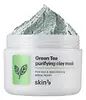
This wash off mask is made with Kaolin and Artemisia Princeps Extract for a rinse-off oil-control boost.

What's inside
What's inside
 Key Ingredients
Benefits
Concerns
Ingredients Side-by-side
Water
Skin ConditioningDipropylene Glycol
HumectantKaolin
Abrasive



Bentonite
Absorbent
Betaine
Humectant

Phaseolus Angularis Seed Powder
Alcohol
Antimicrobial




Titanium Dioxide
Cosmetic Colorant

Algae Extract
EmollientEclipta Prostrata Leaf Extract
Skin ConditioningCentella Asiatica Extract
Cleansing



Ficus Carica Fruit Extract
Humectant
Ulmus Davidiana Root Extract
Skin Conditioning
Amaranthus Caudatus Seed Extract
Skin Conditioning
Nymphaea Alba Flower Extract
Skin ConditioningCamellia Sinensis Leaf Water
Masking
Hydrogenated Lecithin
Emulsifying
Argania Spinosa Kernel Oil
Emollient


Sodium Hyaluronate
Humectant
Glycerin
Humectant
Xanthan Gum
EmulsifyingChromium Oxide Greens
Dimethicone
Emollient
Squalane
Emollient
Hydrogenated Polyisobutene
EmollientIllite
Abrasive
Fructooligosaccharides
Humectant
Isononyl Isononanoate
EmollientPolyglyceryl-10 Stearate
Skin Conditioning
Butylene Glycol
Humectant
Lecithin
Emollient
Beta-Glucan
Skin Conditioning
Cetearyl Alcohol
Emollient



Butyrospermum Parkii Butter
Skin Conditioning
Stearic Acid
Cleansing
Polyglyceryl-2 Dipolyhydroxystearate
Skin Conditioning
Montmorillonite
AbsorbentCalcite
Skin ConditioningHydrolyzed Hyaluronic Acid
Humectant
Inulin Lauryl Carbamate
Emulsion StabilisingSodium Palmitoyl Proline
Skin ConditioningDisodium Stearoyl Glutamate
CleansingCeramide NP
Skin Conditioning
Parfum
Masking
1,2-Hexanediol
Skin Conditioning
Phenoxyethanol
Preservative
Ethylhexylglycerin
Skin ConditioningCI 77492
Cosmetic ColorantCI 77499
Cosmetic ColorantWater, Dipropylene Glycol, Kaolin, Bentonite, Betaine, Phaseolus Angularis Seed Powder, Alcohol, Titanium Dioxide, Algae Extract, Eclipta Prostrata Leaf Extract, Centella Asiatica Extract, Ficus Carica Fruit Extract, Ulmus Davidiana Root Extract, Amaranthus Caudatus Seed Extract, Nymphaea Alba Flower Extract, Camellia Sinensis Leaf Water, Hydrogenated Lecithin, Argania Spinosa Kernel Oil, Sodium Hyaluronate, Glycerin, Xanthan Gum, Chromium Oxide Greens, Dimethicone, Squalane, Hydrogenated Polyisobutene, Illite, Fructooligosaccharides, Isononyl Isononanoate, Polyglyceryl-10 Stearate, Butylene Glycol, Lecithin, Beta-Glucan, Cetearyl Alcohol, Butyrospermum Parkii Butter, Stearic Acid, Polyglyceryl-2 Dipolyhydroxystearate, Montmorillonite, Calcite, Hydrolyzed Hyaluronic Acid, Inulin Lauryl Carbamate, Sodium Palmitoyl Proline, Disodium Stearoyl Glutamate, Ceramide NP, Parfum, 1,2-Hexanediol, Phenoxyethanol, Ethylhexylglycerin, CI 77492, CI 77499
Water
Skin ConditioningKaolin
Abrasive
Glycerin
Humectant
Dipropylene Glycol
HumectantBentonite
Absorbent
Artemisia Princeps Extract
Skin Conditioning
Stearic Acid
Cleansing
Panthenol
Skin Conditioning
1,2-Hexanediol
Skin Conditioning
Illite
Abrasive
Artemisia Montana Leaf Powder
Exfoliating
Camellia Sinensis Leaf Water
Masking
Castanea Crenata Shell Extract
Skin ConditioningOriganum Vulgare Leaf Extract
Skin ConditioningChamaecyparis Obtusa Leaf Extract
Skin ConditioningSalix Alba Bark Extract
Astringent
Avena Sativa Kernel Extract
Abrasive
Cynara Scolymus Leaf Extract
Skin ConditioningLactobacillus/Soybean Ferment Extract
Skin ConditioningPortulaca Oleracea Extract
Skin Conditioning
Cinnamomum Cassia Bark Extract
Masking
Scutellaria Baicalensis Root Extract
Astringent
Montmorillonite
AbsorbentCalcite
Skin ConditioningPhaseolus Angularis Seed Powder
Canadian Colloidal Clay
Skin ConditioningHydrogenated Lecithin
Emulsifying
Beta-Glucan
Skin Conditioning
Methylpropanediol
SolventAlgin
Masking
Magnesium Aluminum Silicate
Absorbent
Cetyl Alcohol
Emollient
Butylene Glycol
Humectant
Xanthan Gum
EmulsifyingAllantoin
Skin Conditioning
Tromethamine
BufferingPolyquaternium-51
Skin Conditioning
Ethylhexylglycerin
Skin ConditioningWater, Kaolin, Glycerin, Dipropylene Glycol, Bentonite, Artemisia Princeps Extract, Stearic Acid, Panthenol, 1,2-Hexanediol, Illite, Artemisia Montana Leaf Powder, Camellia Sinensis Leaf Water, Castanea Crenata Shell Extract, Origanum Vulgare Leaf Extract, Chamaecyparis Obtusa Leaf Extract, Salix Alba Bark Extract, Avena Sativa Kernel Extract, Cynara Scolymus Leaf Extract, Lactobacillus/Soybean Ferment Extract, Portulaca Oleracea Extract, Cinnamomum Cassia Bark Extract, Scutellaria Baicalensis Root Extract, Montmorillonite, Calcite, Phaseolus Angularis Seed Powder, Canadian Colloidal Clay, Hydrogenated Lecithin, Beta-Glucan, Methylpropanediol, Algin, Magnesium Aluminum Silicate, Cetyl Alcohol, Butylene Glycol, Xanthan Gum, Allantoin, Tromethamine, Polyquaternium-51, Ethylhexylglycerin
Reviews
Ingredients Explained
These ingredients are found in both products.
Ingredients higher up in an ingredient list are typically present in a larger amount.
1,2-Hexanediol is a synthetic liquid and another multi-functional powerhouse.
It is a:
- Humectant, drawing moisture into the skin
- Emollient, helping to soften skin
- Solvent, dispersing and stabilizing formulas
- Preservative booster, enhancing the antimicrobial activity of other preservatives
Bentonite is an aluminium phyllosilicate clay with great absorbent properties. The name 'bentonite' comes from the area where the largest source is found: Fort Benton, Wyoming.
As a clay, bentonite is often used to absorb excess oil and provide exfoliation. It has also been shown to have some antibacterial and anti-inflammatory properties. Studies show bentonite was effective at calming dermatitis from poison ivy and in diaper dermatitis of infants. Bentonite has also been shown to act as a barrier against toxic compounds on your skin.
Sunscreens containing bentonite display higher water resistance and stay on the skin for much longer. The sunscreens containing bentonite also show higher potency and UV light absorbtion.
Bentonite is naturally created from volcanic ash and several natural weathering/hydrothermal processes.
A common usage of bentonite is removing excess protein from white wines. Bentonite contains a property of being able to absorb large amounts of protein from aqueous solutions.
Phyllosilicate clay has a structure formed by sheets.
Learn more about BentoniteBeta-Glucan is a soluble polysaccharide (a chain of glucose sugars) sourced from the cells walls of oats, baker's yeast, mushrooms, and seaweed.
It's a rare ingredient that pulls double-duty as a heavy-duty hydrator and skin-soothing repair agent.
On the surface, it acts as a humectant that holds water in place and reduces moisture loss for a plumper, smoother feel, while its anti-inflammatory and antioxidant properties make it a great pick for calming redness or sensitive skin
The more interesting story is underneath:
Despite its large molecular size, oat beta-glucan has been shown to penetrate the epidermis and reach the dermis by slipping between skin cells. Here, it interacts with fibroblasts and macrophages to nudge collagen synthesis and support wound repair.
A small 2005 split-face clinical study of 27 subjects found topical beta-glucan produced measurable reductions in wrinkle depth, height, and roughness after 8 weeks of use.
It is worth noting the trial was small and the penetration testing used frozen, irradiated skin so the anti-aging data is encouraging rather than definitive.
This ingredient gets along with pretty much everything and is typically used around 0.1-1%.
Fungal acne: This ingredient is not a food source for the Malassezia yeast because it is a glucose polysaccharide with no fatty acid or ester component.
Learn more about Beta-GlucanButylene Glycol (or BG) is used within cosmetic products for a few different reasons:
Overall, Butylene Glycol is a safe and well-rounded ingredient that works well with other ingredients.
Though this ingredient works well with most skin types, some people with sensitive skin may experience a reaction such as allergic rashes, closed comedones, or itchiness.
Learn more about Butylene GlycolWe don't have a description for Calcite yet.
Camellia Sinensis Leaf Water is also known as green tea hydrosol. It is the water leftover from steeping or steam-distilling tea.
It's mostly in cosmetics to lend a light tea scent and gentle refreshing feel (tonic) rather than acting as an active.
Unlike the extract, this ingredient only carries trace amounts of catechins, amino acids, and caffeine that makes tea leaf extract famous.
Learn more about Camellia Sinensis Leaf WaterDipropylene Glycol is a synthetically created humectant, stabilizer, and solvent.
This ingredient helps:
Dipropylene glycol is technically an alcohol, but it belongs to the glycol family (often considered part of the ‘good’ alcohols). This means it is hydrating and gentle on skin unlike drying solvent alcohols like denatured alcohol.
As a masking agent, Dipropylene Glycol can be used to cover the smell of other ingredients. However, it does not have a scent.
Studies show Dipropylene Glycol is considered safe to use in skincare.
Learn more about Dipropylene GlycolEthylhexylglycerin is created from glycerin. It is a multitasker ingredient that:
The CIR Expert Panel found minimal skin absorption or sensitization of any kind in a safety assessment. Though this ingredient is considered well-tolerated, a small number of cases of allergic dermatitis have been published since 2002. Just be sure to patch test if you are unsure.
Industry-reported use ranges from 8% in rinse-off products and 2% in leave-on formulations.
Learn more about EthylhexylglycerinGlycerin (or glycerol) is a compound naturally found in your skin. It's a powerhouse humectant that pulls water into the stratum corneum.
Topically, glycerin does several things at once:
Your skin makes glycerin on its own (mostly from sebaceous oil breakdown) and shuttles it to your outermost layer of skin, or your epidermis, via aquaporin-3.
Aquaporin-3 is a transporter that is essential for normal skin hydration, elasticity, and repair. Interestingly, mice lacking in AQP3 have dry and less elastic skin that can be fully corrected with glycerin.
This ingredient is non-irritating, plays well with almost every ingredient, and works across all skin types. Typical use is anywhere between 3-10% but can go up to 79% in some leave-on products.
Just know very high concentrations (>40%) can feel tacky in low humidity.
Glycerin is the name for this ingredient in American English. British English uses Glycerol/Glycerine.
Learn more about GlycerinHydrogenated Lecithin is a more stable version of lecithin.
It's made by taking lecithin (a phospholipid commonly found in soybeans and egg yolks) and hydrogenating it. This just means the unsaturated fatty acids are turned into saturated ones so they don't go bad as easily.
This ingredient is an emollient, emulsifier, and penetration enhancer. As an emollient, it helps soften and hydrate skin by trapping moisture within. As an emulsifier, it prevents oil and water ingredients from separating.
Hydrogenated Lecithin can form tiny spherical structures made of phospholipid bilayers called liposomes. These liposomes are able to capture compounds inside their structure and deliver them through the skin barrier.
Because phospholipids are a natural component of our cell membranes, this ingredient is inherently compatible with skin.
A 2021 study found lecithin-based surfactants were less harsh and more tolerable comared to Sodium Lauryl Sulfate (SLS).
Learn more about Hydrogenated LecithinIllite is an exfoliant.
Kaolin is a clay. It is used for oil control and to help minimize pores. Like other clays, kaolin has the ability to absorb excess sebum or oil. This can help clean out pores and mattify the skin.
Some types of kaolin may have exfoliating properties. When water is added to kaolin, it becomes a paste with small abrasive particles.
Most kaolin is a white color, but may be pink/orange/red depending on where it comes from.
The name 'kaolin' comes from a Chinese village named 'Gaoling'. Kaolin clay comes from rocks rich in kaolinite. Kaolinite, the mineral, has a silicate layered structure. Kaolinite is formed from chemical weathering of aluminum siilicate minerals.
Besides skincare, kaolin is commonly used to make glossy paper, in ceramics, toothpaste, and as medicine to soothe stomach issues.
Learn more about KaolinMontmorillonite is a clay (aluminomagnesium silicate) with strong absorption properties. It has a similar pH to skin.
This clay is named after Montmorillon in France.
Learn about other types of clay, such as Kaolin, Bentonite, or Fuller's Earth.
Learn more about MontmorilloniteWe don't have a description for Phaseolus Angularis Seed Powder yet.
Stearic Acid is a fatty acid that is already found in your skin. It's one of the free fatty acids that works alongside ceramides and cholesterols to maintain your barrier.
In cosmetics, it is a multitasker:
Safety-wise, the CIR Expert Panel has concluded it to be safe in cosmetics when formulated to be non-irritating and non-sensitizing.
Free stearic acid is a C18 fatty acid that the Malassezia yeast can substrate, so this ingredient may not be fungal acne safe.
Learn more about Stearic AcidWater. It's the most common cosmetic ingredient of all. You'll usually see it at the top of ingredient lists, meaning that it makes up the largest part of the product.
So why is it so popular? Water most often acts as a solvent - this means that it helps dissolve other ingredients into the formulation.
You'll also recognize water as that liquid we all need to stay alive. If you see this, drink a glass of water. Remember to stay hydrated!
Learn more about WaterXanthan gum is used as a stabilizer and thickener within cosmetic products. It helps give products a sticky, thick feeling - preventing them from being too runny.
On the technical side of things, xanthan gum is a polysaccharide - a combination consisting of multiple sugar molecules bonded together.
Xanthan gum is a pretty common and great ingredient. It is a natural, non-toxic, non-irritating ingredient that is also commonly used in food products.
Learn more about Xanthan Gum

