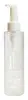
This oil-based cleanser is made to cleanse without leaving your skin tight or dry.
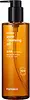
This oil-based cleanser is formulated around Lactic Acid to exfoliate and smooth skin.

What's inside
What's inside
 Key Ingredients
Benefits
Concerns
Ingredients Side-by-side
Ethylhexyl Palmitate
Emollient




Paraffinum Liquidum
Emollient

Isopropyl Myristate
Emollient
PEG-20 Glyceryl Triisostearate
Emollient
C13-15 Alkane
SolventPEG-8 Diisostearate
Emulsifying
Oryza Sativa Bran Oil
Emollient


Water
Skin ConditioningPyrus Malus Seed Oil
Emollient
Parfum
Masking

Tocopheryl Acetate
Antioxidant


1,2-Hexanediol
Skin Conditioning
Aloe Barbadensis Leaf Polysaccharides
Emollient
Butylene Glycol
Humectant
Inulin
Skin Conditioning
Acrylates/C10-30 Alkyl Acrylate Crosspolymer
Emulsion StabilisingAlpha-Glucan Oligosaccharide
Cleansing
Caprylic/Capric Triglyceride
Masking
Echinacea Purpurea Extract
MoisturisingHydroxyacetophenone
Antioxidant
Maltodextrin
Absorbent
Tamarindus Indica Seed Polysaccharide
Skin ConditioningCalendula Officinalis Flower Oil
Masking
Crithmum Maritimum Callus Culture Filtrate
Skin ProtectingGlycerin
Humectant
Glycolipids
Skin ConditioningHydrogenated Lecithin
Emulsifying
Pistacia Lentiscus Gum
MaskingPotassium Hydroxide
BufferingCeramide NP
Skin Conditioning

Ethylhexylglycerin
Skin ConditioningMoringa Oleifera Seed Oil
Emollient
Phenethyl Alcohol
MaskingPhospholipids
Skin Conditioning
Phytosphingosine
Skin Conditioning
Swertia Chirata Extract
HumectantEthylhexyl Palmitate, Paraffinum Liquidum, Isopropyl Myristate, PEG-20 Glyceryl Triisostearate, C13-15 Alkane, PEG-8 Diisostearate, Oryza Sativa Bran Oil, Water, Pyrus Malus Seed Oil, Parfum, Tocopheryl Acetate, 1,2-Hexanediol, Aloe Barbadensis Leaf Polysaccharides, Butylene Glycol, Inulin, Acrylates/C10-30 Alkyl Acrylate Crosspolymer, Alpha-Glucan Oligosaccharide, Caprylic/Capric Triglyceride, Echinacea Purpurea Extract, Hydroxyacetophenone, Maltodextrin, Tamarindus Indica Seed Polysaccharide, Calendula Officinalis Flower Oil, Crithmum Maritimum Callus Culture Filtrate, Glycerin, Glycolipids, Hydrogenated Lecithin, Pistacia Lentiscus Gum, Potassium Hydroxide, Ceramide NP, Ethylhexylglycerin, Moringa Oleifera Seed Oil, Phenethyl Alcohol, Phospholipids, Phytosphingosine, Swertia Chirata Extract
Ethylhexyl Palmitate
Emollient
Paraffinum Liquidum
Emollient
Helianthus Annuus Seed Oil
Emollient
PEG-20 Glyceryl Triisostearate
Emollient
Caprylic/Capric Triglyceride
Masking
1,2-Hexanediol
Skin Conditioning
Tocopheryl Acetate
Antioxidant
Litsea Cubeba Fruit Oil
Masking
Pentaerythrityl Tetra-Di-T-Butyl Hydroxyhydrocinnamate
Antioxidant
Citrus Aurantium Dulcis Peel Oil
Masking
Lavandula Angustifolia Oil
Masking
Pelargonium Graveolens Oil
Masking
Water
Skin ConditioningCanarium Luzonicum Gum Nonvolatiles
MaskingRosmarinus Officinalis Leaf Oil
Masking
Eucalyptus Globulus Leaf Oil
Perfuming
Lactic Acid
Buffering




Glycolic Acid
Buffering

Citric Acid
Buffering
Citrus Aurantium Amara Flower Oil
Masking
Anthemis Nobilis Flower Oil
Masking
Camellia Japonica Seed Oil
Emollient
Argania Spinosa Kernel Oil
Emollient
Simmondsia Chinensis Seed Oil
Emollient
Glycerin
Humectant
Butylene Glycol
Humectant
Glycine
Buffering
Camellia Japonica Flower Extract
EmollientLysine
Skin ConditioningLeucine
Skin ConditioningMethionine
Skin ConditioningFicus Carica Fruit Extract
Humectant
Valine
MaskingCentella Asiatica Extract
Cleansing
Rhus Semialata Gall Extract
Skin ConditioningOxygen
Skin ConditioningCeramide NP
Skin Conditioning
Sodium Hyaluronate
Humectant
Cysteine
Antioxidant
Aspartic Acid
Masking
Isoleucine
Skin ConditioningAlanine
Masking
Arginine
Masking
Tyrosine
MaskingPhenylalanine
Masking
Proline
Skin Conditioning
Hydrogenated Lecithin
Emulsifying
Histidine
Humectant
Ethylhexyl Palmitate, Paraffinum Liquidum, Helianthus Annuus Seed Oil, PEG-20 Glyceryl Triisostearate, Caprylic/Capric Triglyceride, 1,2-Hexanediol, Tocopheryl Acetate, Litsea Cubeba Fruit Oil, Pentaerythrityl Tetra-Di-T-Butyl Hydroxyhydrocinnamate, Citrus Aurantium Dulcis Peel Oil, Lavandula Angustifolia Oil, Pelargonium Graveolens Oil, Water, Canarium Luzonicum Gum Nonvolatiles, Rosmarinus Officinalis Leaf Oil, Eucalyptus Globulus Leaf Oil, Lactic Acid, Glycolic Acid, Citric Acid, Citrus Aurantium Amara Flower Oil, Anthemis Nobilis Flower Oil, Camellia Japonica Seed Oil, Argania Spinosa Kernel Oil, Simmondsia Chinensis Seed Oil, Glycerin, Butylene Glycol, Glycine, Camellia Japonica Flower Extract, Lysine, Leucine, Methionine, Ficus Carica Fruit Extract, Valine, Centella Asiatica Extract, Rhus Semialata Gall Extract, Oxygen, Ceramide NP, Sodium Hyaluronate, Cysteine, Aspartic Acid, Isoleucine, Alanine, Arginine, Tyrosine, Phenylalanine, Proline, Hydrogenated Lecithin, Histidine
Reviews
Ingredients Explained
These ingredients are found in both products.
Ingredients higher up in an ingredient list are typically present in a larger amount.
1,2-Hexanediol is a synthetic liquid and another multi-functional powerhouse.
It is a:
- Humectant, drawing moisture into the skin
- Emollient, helping to soften skin
- Solvent, dispersing and stabilizing formulas
- Preservative booster, enhancing the antimicrobial activity of other preservatives
Butylene Glycol (or BG) is used within cosmetic products for a few different reasons:
Overall, Butylene Glycol is a safe and well-rounded ingredient that works well with other ingredients.
Though this ingredient works well with most skin types, some people with sensitive skin may experience a reaction such as allergic rashes, closed comedones, or itchiness.
Learn more about Butylene GlycolCaprylic/Capric Triglyceride (aka MCT Oil) is a lightweight emollient, solvent, and texture enhancer. It is considered a skin-softener by helping to prevent moisture loss.
Though it behaves like an oil, it is not technically one due to its chemical composition. One perk of this ingredient is that it is very stable, resistant to oxidation, and unlikely to go rancid.
In practice, that translates to a long shelf life and a consistently elegant skin feel.
While there is an assumption Caprylic Triglyceride can clog pores due to it being derived from coconut oil, there is no research supporting this. Just patch test if you have concerns.
Fractionated coconut oil and MCT Oil are both listed as Caprylic/Capric Triglyceride according to INCI. This is because INCI names are based on the ingredient’s final chemical composition and not its marketing name or source.
This ingredient is treated as the gold standard fungal acne safe oil. Even though it is coconut derived, the problematic lauric acid is stripped out.
This leaves just caprylic (C8) and capric (C10) acid. These chain lengths actually trend antifungal; a 2020 study found caprylic acid was enough to disrupt Malassezia furfur cell membrane, with a caprylic acid derivative damaging membrane structures at concentrations as low as 0.2%.
Learn more about Caprylic/Capric TriglycerideCeramide NP (formerly known as Ceramide 3) is one of the skin's naturally occurring lipids.
Since ceramides are the major lipid components of the skin, they are crucial for maintaining skin barrier and hydration. Ceramide NP most closely mirrors the dominant kind in human skin amongst ceramide subtypes.
This ceramide works by slotting into gaps within the stratum corneum's lipid matrix to limit trans-epidermal water loss (TEWL) and shield the skin against external irritants.
A study with 312 patients found that using a ceramide-containing routine for 4 weeks reduced the severity of atopic dermatitis by over 61%.
Another clinical study in subjects aged 60 and older found that a ceramide body wash and moisturizer improved skin dryness and itchy skin in 15 days.
Overall, ceramides are considered non-irritating and safety tests have found little to no observable adverse effects from using this ingredient.
Ceramide NP is usually sourced from plants (like soybean or rice bran), or produced synthetically.
Learn more about Ceramide NPEthylhexyl Palmitate, also known as octyl palmitate, is created from 2-ethylhexyl alcohol and palmitic acid.
In cosmetics, it plays many roles:
One thing worth noting: a controlled study found this ingredient applied under occlusion to acne-prone subjects increased microcomedones. Just keep in mind this was under occlusive conditions and don't reflect how most products are used day-to-day.
For most people, this is a well-tolerated and lightweight ingredient.
This ingredient may not be fungal acne safe because it is an ester of palmitic acid, a C16 fatty acid that falls within the C11-24 range that Malassezia can metabolize.
You'll see this one rated 4 comedogenic all over the internet. That number isn't from a single study, and the actual research is more interesting.
The original rating comes from 1980s rabbit ear tests (which are a shaky basis for anything). But Ethylhexyl Palmitate is one of the few ingredients with real human data behind it. A 2021 controlled trial found this ingredient increased microcomedones by an average of 365% over four weeks.
Just know that test used the pure ingredient under an occlusive pad on back skin; most products use it at much lower levels alongside other ingredients and plenty of people use those with no issue.
Learn more about Ethylhexyl PalmitateGlycerin (or glycerol) is a compound naturally found in your skin. It's a powerhouse humectant that pulls water into the stratum corneum.
Topically, glycerin does several things at once:
Your skin makes glycerin on its own (mostly from sebaceous oil breakdown) and shuttles it to your outermost layer of skin, or your epidermis, via aquaporin-3.
Aquaporin-3 is a transporter that is essential for normal skin hydration, elasticity, and repair. Interestingly, mice lacking in AQP3 have dry and less elastic skin that can be fully corrected with glycerin.
This ingredient is non-irritating, plays well with almost every ingredient, and works across all skin types. Typical use is anywhere between 3-10% but can go up to 79% in some leave-on products.
Just know very high concentrations (>40%) can feel tacky in low humidity.
Glycerin is the name for this ingredient in American English. British English uses Glycerol/Glycerine.
Learn more about GlycerinHydrogenated Lecithin is a more stable version of lecithin.
It's made by taking lecithin (a phospholipid commonly found in soybeans and egg yolks) and hydrogenating it. This just means the unsaturated fatty acids are turned into saturated ones so they don't go bad as easily.
This ingredient is an emollient, emulsifier, and penetration enhancer. As an emollient, it helps soften and hydrate skin by trapping moisture within. As an emulsifier, it prevents oil and water ingredients from separating.
Hydrogenated Lecithin can form tiny spherical structures made of phospholipid bilayers called liposomes. These liposomes are able to capture compounds inside their structure and deliver them through the skin barrier.
Because phospholipids are a natural component of our cell membranes, this ingredient is inherently compatible with skin.
A 2021 study found lecithin-based surfactants were less harsh and more tolerable comared to Sodium Lauryl Sulfate (SLS).
Learn more about Hydrogenated LecithinParaffinum Liquidum is a highly-refined cosmetic-grade mineral oil. It is also known as liquid paraffin.
Despite its controversial reputation, the science is pretty clear: it's one of the most well-studied and effective moisturizing ingredients out there.
As an occlusive, it forms a protective layer on the skin that locks in moisture and prevents transepidermal water loss (TEWL). This makes it especially great for compromised skin barriers.
The "it clogs your pores" myth has been around for decades; a study found that industrial-grade mineral oil may be comedogenic but cosmetic-grade mineral oil is not (these two are very, very different).
A 2017 review concluded that cosmetic use of mineral oils and waxes does not present a risk to consumers due to absorption.
Mineral oil got a bad rap from the old rabbit ear studies. When tested on actual human skin, cosmetic-grade mineral oil showed no comedogenic activity. The rating of 0 is a correction of outdated science.
Mineral oil is an inert substance with no fatty acids so there's nothing to feed Malassezia. This ingredient is fungal acne safe.
Learn more about Paraffinum LiquidumPEG-20 Glyceryl Triisostearate is a synthetic, oil-loving helper ingredient that does two jobs:
This ingredient is made by joining three building blocks: PEG, Isostearic Acid and glycerin. The PEG gives it the oil-and-water blending power.
This ingredient has been found safe for use in cosmetics and broader PEG family testing shows minimal irritation/sensitization. The molecule's large size also means it isn't expected to penetrate skin to any meaningful degree.
Fungal acne note: This ingredient may not be fungal acne safe due to isostearic acid (C18). Isostearic acid falls into the C11-24 range that Malassezia can feed on.
Learn more about PEG-20 Glyceryl TriisostearateTocopheryl Acetate is a stable, shelf-friendly form of vitamin E.
Formulators love it because plain vitamin E oxidizes quickly once it hits air. This acetate version stays stable and resists going off, helping to extend a product's shelf life.
It's actually inactive on its own and works like a slow-release "storage" form; the enzymes in your skin called esterases gradually convert it into active vitamin E over time.
One in vivo study showed 5% of the acetate in the living layer of the epidermis converted to vitamin E after 5 days of application. This study also found the skin gained protection against UV damage even though the conversion was slow and small.
Once converted, vitamin E acts as a skin's main fat-soluble antioxidant that fights free radicals to protect skin from damage.
Topical vitamin E generally boosts the skin's photoprotection, and it reduced UV-damage in animal models.
This ingredient has some brightening potential but it's more of a prevention ingredient than spot-fader. Cell studies show it can slow down melanin production but it's worth noting that it's not the most powerful brightener out there.
Overall, it has a pretty solid safety profile and has been found to be non-irritating and non-comedogenic. Allergic reactions may happen but stay rare due to how widely the ingredient gets used.
The concentration will vary depending on the formula; industry data shows 0.1% in baby lotions, 3% in lipsticks, and 5% in foot powders. You can also find this ingredient at 100% in a pure vitamin E oil.
Most leave-on skincare keeps it at the lower end, often between 0.5-1%.
Learn more about Tocopheryl AcetateWater. It's the most common cosmetic ingredient of all. You'll usually see it at the top of ingredient lists, meaning that it makes up the largest part of the product.
So why is it so popular? Water most often acts as a solvent - this means that it helps dissolve other ingredients into the formulation.
You'll also recognize water as that liquid we all need to stay alive. If you see this, drink a glass of water. Remember to stay hydrated!
Learn more about Water

