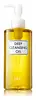
This oil-based makeup remover is made to dissolve makeup, sunscreen, and daily buildup.
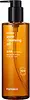
This oil-based cleanser is formulated around Lactic Acid to exfoliate and smooth skin.


What's inside
What's inside
 Key Ingredients
Benefits
Concerns
Ingredients Side-by-side

Ethylhexyl Palmitate
Emollient




Paraffinum Liquidum
Emollient

Helianthus Annuus Seed Oil
Emollient
PEG-20 Glyceryl Triisostearate
Emollient
Caprylic/Capric Triglyceride
Masking

1,2-Hexanediol
Skin Conditioning
Tocopheryl Acetate
Antioxidant


Litsea Cubeba Fruit Oil
Masking

Pentaerythrityl Tetra-Di-T-Butyl Hydroxyhydrocinnamate
Antioxidant
Citrus Aurantium Dulcis Peel Oil
Masking
Lavandula Angustifolia Oil
Masking
Pelargonium Graveolens Oil
Masking
Water
Skin ConditioningCanarium Luzonicum Gum Nonvolatiles
MaskingRosmarinus Officinalis Leaf Oil
Masking
Eucalyptus Globulus Leaf Oil
Perfuming
Lactic Acid
Buffering






Glycolic Acid
Buffering

Citric Acid
Buffering
Citrus Aurantium Amara Flower Oil
Masking
Anthemis Nobilis Flower Oil
Masking
Camellia Japonica Seed Oil
Emollient
Argania Spinosa Kernel Oil
Emollient
Simmondsia Chinensis Seed Oil
Emollient
Glycerin
Humectant
Butylene Glycol
Humectant
Glycine
Buffering
Camellia Japonica Flower Extract
EmollientLysine
Skin ConditioningLeucine
Skin ConditioningMethionine
Skin ConditioningFicus Carica Fruit Extract
Humectant
Valine
MaskingCentella Asiatica Extract
Cleansing
Rhus Semialata Gall Extract
Skin ConditioningOxygen
Skin ConditioningCeramide NP
Skin Conditioning
Sodium Hyaluronate
Humectant
Cysteine
Antioxidant
Aspartic Acid
Masking
Isoleucine
Skin ConditioningAlanine
Masking
Arginine
Masking
Tyrosine
MaskingPhenylalanine
Masking
Proline
Skin Conditioning
Hydrogenated Lecithin
Emulsifying
Histidine
Humectant
Ethylhexyl Palmitate, Paraffinum Liquidum, Helianthus Annuus Seed Oil, PEG-20 Glyceryl Triisostearate, Caprylic/Capric Triglyceride, 1,2-Hexanediol, Tocopheryl Acetate, Litsea Cubeba Fruit Oil, Pentaerythrityl Tetra-Di-T-Butyl Hydroxyhydrocinnamate, Citrus Aurantium Dulcis Peel Oil, Lavandula Angustifolia Oil, Pelargonium Graveolens Oil, Water, Canarium Luzonicum Gum Nonvolatiles, Rosmarinus Officinalis Leaf Oil, Eucalyptus Globulus Leaf Oil, Lactic Acid, Glycolic Acid, Citric Acid, Citrus Aurantium Amara Flower Oil, Anthemis Nobilis Flower Oil, Camellia Japonica Seed Oil, Argania Spinosa Kernel Oil, Simmondsia Chinensis Seed Oil, Glycerin, Butylene Glycol, Glycine, Camellia Japonica Flower Extract, Lysine, Leucine, Methionine, Ficus Carica Fruit Extract, Valine, Centella Asiatica Extract, Rhus Semialata Gall Extract, Oxygen, Ceramide NP, Sodium Hyaluronate, Cysteine, Aspartic Acid, Isoleucine, Alanine, Arginine, Tyrosine, Phenylalanine, Proline, Hydrogenated Lecithin, Histidine
Reviews
Ingredients Explained
These ingredients are found in both products.
Ingredients higher up in an ingredient list are typically present in a larger amount.
Caprylic/Capric Triglyceride (aka MCT Oil) is a lightweight emollient, solvent, and texture enhancer. It is considered a skin-softener by helping to prevent moisture loss.
Though it behaves like an oil, it is not technically one due to its chemical composition. One perk of this ingredient is that it is very stable, resistant to oxidation, and unlikely to go rancid.
In practice, that translates to a long shelf life and a consistently elegant skin feel.
While there is an assumption Caprylic Triglyceride can clog pores due to it being derived from coconut oil, there is no research supporting this. Just patch test if you have concerns.
Fractionated coconut oil and MCT Oil are both listed as Caprylic/Capric Triglyceride according to INCI. This is because INCI names are based on the ingredient’s final chemical composition and not its marketing name or source.
This ingredient is treated as the gold standard fungal acne safe oil. Even though it is coconut derived, the problematic lauric acid is stripped out.
This leaves just caprylic (C8) and capric (C10) acid. These chain lengths actually trend antifungal; a 2020 study found caprylic acid was enough to disrupt Malassezia furfur cell membrane, with a caprylic acid derivative damaging membrane structures at concentrations as low as 0.2%.
Learn more about Caprylic/Capric TriglycerideRosmarinus Officinalis Leaf Oil is an essential oil also known as rosemary essential oil. In skincare, it is a skin conditioning agent and also acts as a natural fragrance that gives products a fresh/herby smell.
The oil is a mix of over 100 volatile compounds with 1,8-cineole, α-pinene, camphor, and verbenone usually leading the pack.
Lab studies credit this oil with antioxidant, anti-inflammatory, and antimicrobial activity. Some research even show rosemary compounds calming acne-related inflammation.
The Cosmetic Ingredient Review (CIR) has concluded rosemary-derived ingredients to be safe when formulated to be nonsensitizing.
Since this is a fragrant essential oil, the main concern is for fragrance-sensitive folks.
Learn more about Rosmarinus Officinalis Leaf Oil

