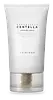
This calming moisturizer is formulated around Centella Asiatica Extract and Dipotassium Glycyrrhizate to calm redness and strengthen the skin barrier.
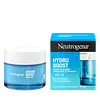
This barrier-repair moisturizer is formulated around Allantoin and Sodium Hyaluronate to strengthen the skin barrier and hydrate skin.


What's inside
What's inside
 Key Ingredients
Benefits
Concerns
Ingredients Side-by-side
Water
Skin ConditioningGlycerin
Humectant


Propanediol
Solvent
Dipropylene Glycol
HumectantCyclopentasiloxane
Emollient
Centella Asiatica Extract
Cleansing



1,2-Hexanediol
Skin Conditioning
Cyclohexasiloxane
Emollient
Trehalose
Humectant
Caprylyl Methicone
Skin Conditioning
C12-14 Pareth-12
EmulsifyingCarbomer
Emulsion StabilisingTromethamine
BufferingC30-45 Alkyl Cetearyl Dimethicone Crosspolymer
Emollient
Ammonium Acryloyldimethyltaurate/Vp Copolymer
Butylene Glycol
Humectant
Xanthan Gum
EmulsifyingZingiber Officinale Root Extract
Masking
Mentha Piperita Leaf Extract
Skin ConditioningEthylhexylglycerin
Skin ConditioningDipotassium Glycyrrhizate
Humectant
Tranexamic Acid
Astringent


Dextrin
AbsorbentTheobroma Cacao Seed Extract
Antioxidant
Leuconostoc/Radish Root Ferment Filtrate
Antimicrobial

Biosaccharide Gum-1
Humectant
Disodium EDTA
ChelatingSodium Hyaluronate
Humectant
Beta-Glucan
Skin Conditioning
Hydrogenated Lecithin
Emulsifying
Coptis Chinensis Root Extract
Antioxidant
Cetearyl Alcohol
Emollient




Stearic Acid
Cleansing
Ceramide NP
Skin Conditioning
Ceramide Ng
Skin Conditioning
Cholesterol
Emollient
Phytosphingosine
Skin Conditioning
Ceramide As
Skin Conditioning
Ceramide AP
Skin Conditioning
Ceramide EOP
Skin Conditioning
Water, Glycerin, Propanediol, Dipropylene Glycol, Cyclopentasiloxane, Centella Asiatica Extract, 1,2-Hexanediol, Cyclohexasiloxane, Trehalose, Caprylyl Methicone, C12-14 Pareth-12, Carbomer, Tromethamine, C30-45 Alkyl Cetearyl Dimethicone Crosspolymer, Ammonium Acryloyldimethyltaurate/Vp Copolymer, Butylene Glycol, Xanthan Gum, Zingiber Officinale Root Extract, Mentha Piperita Leaf Extract, Ethylhexylglycerin, Dipotassium Glycyrrhizate, Tranexamic Acid, Dextrin, Theobroma Cacao Seed Extract, Leuconostoc/Radish Root Ferment Filtrate, Biosaccharide Gum-1, Disodium EDTA, Sodium Hyaluronate, Beta-Glucan, Hydrogenated Lecithin, Coptis Chinensis Root Extract, Cetearyl Alcohol, Stearic Acid, Ceramide NP, Ceramide Ng, Cholesterol, Phytosphingosine, Ceramide As, Ceramide AP, Ceramide EOP
Water
Skin ConditioningGlycerin
Humectant
Dimethicone
Emollient
Cetearyl Olivate
Sorbitan Olivate
Emulsifying
Alanine
Masking
Glaucine
Skin ConditioningThreonine
Lysine Hcl
Skin Conditioning
Serine
Masking
Arginine
Masking
Proline
Skin Conditioning
Allantoin
Skin Conditioning
Maltose
MaskingEthylhexylglycerin
Skin ConditioningCaprylyl/Capryl Glucoside
CleansingDimethiconol
Emollient
Pentylene Glycol
Skin Conditioning
Sodium Hyaluronate
Humectant
Fructose
Humectant
Betaine
Humectant
PCA
Humectant
Sodium PCA
Humectant
Urea
Buffering
Glucose
Humectant
Trehalose
Humectant
Sodium Lactate
Buffering
Glutamic Acid
Humectant
Synthetic Wax
Abrasive
Dimethicone Crosspolymer
Emulsion Stabilising
Polyacrylate Crosspolymer-6
Emulsion StabilisingSodium Chloride
MaskingT-Butyl Alcohol
Perfuming



Citric Acid
Buffering
Sodium Hydroxide
BufferingTocopherol
Antioxidant
Parfum
Masking
CI 42090
Cosmetic ColorantWater, Glycerin, Dimethicone, Cetearyl Olivate, Sorbitan Olivate, Alanine, Glaucine, Threonine, Lysine Hcl, Serine, Arginine, Proline, Allantoin, Maltose, Ethylhexylglycerin, Caprylyl/Capryl Glucoside, Dimethiconol, Pentylene Glycol, Sodium Hyaluronate, Fructose, Betaine, PCA, Sodium PCA, Urea, Glucose, Trehalose, Sodium Lactate, Glutamic Acid, Synthetic Wax, Dimethicone Crosspolymer, Polyacrylate Crosspolymer-6, Sodium Chloride, T-Butyl Alcohol, Citric Acid, Sodium Hydroxide, Tocopherol, Parfum, CI 42090
Reviews
Ingredients Explained
These ingredients are found in both products.
Ingredients higher up in an ingredient list are typically present in a larger amount.
Ethylhexylglycerin is created from glycerin. It is a multitasker ingredient that:
The CIR Expert Panel found minimal skin absorption or sensitization of any kind in a safety assessment. Though this ingredient is considered well-tolerated, a small number of cases of allergic dermatitis have been published since 2002. Just be sure to patch test if you are unsure.
Industry-reported use ranges from 8% in rinse-off products and 2% in leave-on formulations.
Learn more about EthylhexylglycerinGlycerin (or glycerol) is a compound naturally found in your skin. It's a powerhouse humectant that pulls water into the stratum corneum.
Topically, glycerin does several things at once:
Your skin makes glycerin on its own (mostly from sebaceous oil breakdown) and shuttles it to your outermost layer of skin, or your epidermis, via aquaporin-3.
Aquaporin-3 is a transporter that is essential for normal skin hydration, elasticity, and repair. Interestingly, mice lacking in AQP3 have dry and less elastic skin that can be fully corrected with glycerin.
This ingredient is non-irritating, plays well with almost every ingredient, and works across all skin types. Typical use is anywhere between 3-10% but can go up to 79% in some leave-on products.
Just know very high concentrations (>40%) can feel tacky in low humidity.
Glycerin is the name for this ingredient in American English. British English uses Glycerol/Glycerine.
Learn more about GlycerinSodium Hyaluronate is the salt form of hyaluronic acid. It is a long sugar chain that is naturally found in your skin, joints, and connective tissue that maintains hydration and elasticity.
In skincare, it works as a humectant. It pulls water from the environment and deeper layers of skin and binds it to the surface.
Interestingly, the size of the molecule affects its behavior:
Some clinical evidence links low molecular weight versions to improved wrinkle depth, elasticity, anti-inflammatory effects, and barrier repair.
Many serums use a blend of both weights so you can get surface hydration plus longer-lasting and deeper effects.
You'll typically see concentrations between 0.1-2% for this ingredient.
Learn more about Sodium HyaluronateTrehalose is a disaccharide made of two glucose molecules (glucose is sugar!). Trehalose is used to help moisturize skin. It also has antioxidant properties.
As a humectant, trehalose helps draw moisture from the air to your skin. This helps keep your skin hydrated.
Due to its antioxidant properties, trehalose may help with signs of aging. Antioxidants help fight free-radical molecules, unstable molecules that may damage your skin.
In medicine, trehalose and hyaluronic acid are used to help treat dry eyes.
Some animals, plants, and bacteria create trehalose as a source of energy to survive freeze or lack of water.
Learn more about TrehaloseWater. It's the most common cosmetic ingredient of all. You'll usually see it at the top of ingredient lists, meaning that it makes up the largest part of the product.
So why is it so popular? Water most often acts as a solvent - this means that it helps dissolve other ingredients into the formulation.
You'll also recognize water as that liquid we all need to stay alive. If you see this, drink a glass of water. Remember to stay hydrated!
Learn more about Water

