SKIN1004 Madagascar Centella Probio-Cica Intensive Ampoule Versus Laneige Cream Skin Cerapeptide Refiner
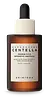
This barrier-repair ampoule is formulated around Niacinamide and Centella Asiatica Extract to strengthen the skin barrier and calm redness.
This hydrating essence is formulated around Limnanthes Alba Seed Oil and Ceramide NP to hydrate skin and strengthen the skin barrier.

What's inside
What's inside
 Key Ingredients
Benefits
Concerns
Ingredients Side-by-side
Water
Skin ConditioningButylene Glycol
Humectant

Glycerin
Humectant
Propanediol
Solvent
Caprylic/Capric Triglyceride
Masking
Niacinamide
Smoothing









1,2-Hexanediol
Skin Conditioning
Dipropylene Glycol
HumectantCentella Asiatica Extract
Cleansing
Polyglyceryl-3 Distearate
Emulsifying

Acrylates/C10-30 Alkyl Acrylate Crosspolymer
Emulsion StabilisingC14-22 Alcohols
Emulsion Stabilising
Arginine
Masking
Hydrogenated Lecithin
Emulsifying
Hydroxystearic Acid
Cleansing
Betaine
Humectant
Panthenol
Skin Conditioning
Allantoin
Skin Conditioning
Ethylhexylglycerin
Skin ConditioningHydroxyethyl Acrylate/Sodium Acryloyldimethyl Taurate Copolymer
Emulsion StabilisingAdenosine
Skin Conditioning
Glyceryl Stearate Citrate
Emollient
Sodium Polyacrylate
Absorbent
C12-20 Alkyl Glucoside
EmulsifyingCetearyl Alcohol
Emollient


Xanthan Gum
EmulsifyingMacadamia Ternifolia Seed Oil
Emollient
Sodium Hyaluronate
Humectant
Sodium Phytate
ChelatingStearic Acid
Cleansing
Ceramide NP
Skin Conditioning
Sorbitan Isostearate
Emulsifying
Glyceryl Acrylate/Acrylic Acid Copolymer
HumectantLactobacillus Ferment
Skin Conditioning
Polyglyceryl-10 Myristate
Skin Conditioning
Madecassic Acid
Skin Conditioning
Asiaticoside
Antioxidant
Phytosphingosine
Skin Conditioning
Asiatic Acid
Skin Conditioning
Sucrose Distearate
Emollient
Polyglutamic Acid
Skin Conditioning
Lauric Acid
Cleansing
Phytosterols
Skin Conditioning
Water, Butylene Glycol, Glycerin, Propanediol, Caprylic/Capric Triglyceride, Niacinamide, 1,2-Hexanediol, Dipropylene Glycol, Centella Asiatica Extract, Polyglyceryl-3 Distearate, Acrylates/C10-30 Alkyl Acrylate Crosspolymer, C14-22 Alcohols, Arginine, Hydrogenated Lecithin, Hydroxystearic Acid, Betaine, Panthenol, Allantoin, Ethylhexylglycerin, Hydroxyethyl Acrylate/Sodium Acryloyldimethyl Taurate Copolymer, Adenosine, Glyceryl Stearate Citrate, Sodium Polyacrylate, C12-20 Alkyl Glucoside, Cetearyl Alcohol, Xanthan Gum, Macadamia Ternifolia Seed Oil, Sodium Hyaluronate, Sodium Phytate, Stearic Acid, Ceramide NP, Sorbitan Isostearate, Glyceryl Acrylate/Acrylic Acid Copolymer, Lactobacillus Ferment, Polyglyceryl-10 Myristate, Madecassic Acid, Asiaticoside, Phytosphingosine, Asiatic Acid, Sucrose Distearate, Polyglutamic Acid, Lauric Acid, Phytosterols
Water
Skin ConditioningButylene Glycol
Humectant
Glycerin
Humectant
Limnanthes Alba Seed Oil
Skin Conditioning
Isopentyldiol
Humectant
1,2-Hexanediol
Skin Conditioning
Squalane
Emollient
Polyglyceryl-10 Stearate
Skin Conditioning
Glyceryl Stearate Citrate
Emollient
Sodium Stearoyl Glutamate
CleansingInulin Lauryl Carbamate
Emulsion StabilisingGlyceryl Caprylate
EmollientEthylhexylglycerin
Skin ConditioningPropanediol
Solvent
Disodium EDTA
ChelatingCarbomer
Emulsion StabilisingMannitol
Humectant
Acrylates/Stearyl Methacrylate Copolymer
Emulsion StabilisingTremella Fuciformis Sporocarp Extract
Antioxidant
Hyaluronic Acid
Humectant
Camellia Sinensis Leaf Extract
Antimicrobial
Xanthan Gum
EmulsifyingCeramide NP
Skin Conditioning
Camellia Japonica Flower Extract
EmollientTocopherol
Antioxidant
Acetyl Tetrapeptide-11
Skin Conditioning
Water, Butylene Glycol, Glycerin, Limnanthes Alba Seed Oil, Isopentyldiol, 1,2-Hexanediol, Squalane, Polyglyceryl-10 Stearate, Glyceryl Stearate Citrate, Sodium Stearoyl Glutamate, Inulin Lauryl Carbamate, Glyceryl Caprylate, Ethylhexylglycerin, Propanediol, Disodium EDTA, Carbomer, Mannitol, Acrylates/Stearyl Methacrylate Copolymer, Tremella Fuciformis Sporocarp Extract, Hyaluronic Acid, Camellia Sinensis Leaf Extract, Xanthan Gum, Ceramide NP, Camellia Japonica Flower Extract, Tocopherol, Acetyl Tetrapeptide-11
Reviews
Ingredients Explained
These ingredients are found in both products.
Ingredients higher up in an ingredient list are typically present in a larger amount.
1,2-Hexanediol is a synthetic liquid and another multi-functional powerhouse.
It is a:
- Humectant, drawing moisture into the skin
- Emollient, helping to soften skin
- Solvent, dispersing and stabilizing formulas
- Preservative booster, enhancing the antimicrobial activity of other preservatives
Butylene Glycol (or BG) is used within cosmetic products for a few different reasons:
Overall, Butylene Glycol is a safe and well-rounded ingredient that works well with other ingredients.
Though this ingredient works well with most skin types, some people with sensitive skin may experience a reaction such as allergic rashes, closed comedones, or itchiness.
Learn more about Butylene GlycolCeramide NP (formerly known as Ceramide 3) is one of the skin's naturally occurring lipids.
Since ceramides are the major lipid components of the skin, they are crucial for maintaining skin barrier and hydration. Ceramide NP most closely mirrors the dominant kind in human skin amongst ceramide subtypes.
This ceramide works by slotting into gaps within the stratum corneum's lipid matrix to limit trans-epidermal water loss (TEWL) and shield the skin against external irritants.
A study with 312 patients found that using a ceramide-containing routine for 4 weeks reduced the severity of atopic dermatitis by over 61%.
Another clinical study in subjects aged 60 and older found that a ceramide body wash and moisturizer improved skin dryness and itchy skin in 15 days.
Overall, ceramides are considered non-irritating and safety tests have found little to no observable adverse effects from using this ingredient.
Ceramide NP is usually sourced from plants (like soybean or rice bran), or produced synthetically.
Learn more about Ceramide NPEthylhexylglycerin is created from glycerin. It is a multitasker ingredient that:
The CIR Expert Panel found minimal skin absorption or sensitization of any kind in a safety assessment. Though this ingredient is considered well-tolerated, a small number of cases of allergic dermatitis have been published since 2002. Just be sure to patch test if you are unsure.
Industry-reported use ranges from 8% in rinse-off products and 2% in leave-on formulations.
Learn more about EthylhexylglycerinGlycerin (or glycerol) is a compound naturally found in your skin. It's a powerhouse humectant that pulls water into the stratum corneum.
Topically, glycerin does several things at once:
Your skin makes glycerin on its own (mostly from sebaceous oil breakdown) and shuttles it to your outermost layer of skin, or your epidermis, via aquaporin-3.
Aquaporin-3 is a transporter that is essential for normal skin hydration, elasticity, and repair. Interestingly, mice lacking in AQP3 have dry and less elastic skin that can be fully corrected with glycerin.
This ingredient is non-irritating, plays well with almost every ingredient, and works across all skin types. Typical use is anywhere between 3-10% but can go up to 79% in some leave-on products.
Just know very high concentrations (>40%) can feel tacky in low humidity.
Glycerin is the name for this ingredient in American English. British English uses Glycerol/Glycerine.
Learn more about GlycerinGlyceryl Stearate Citrate is a citric acid ester of glyceryl stearate.
It is an emulsifier, emollient, and a surfactant.
Emulsifiers help stabilize a product. It does this by preventing certain ingredients from separating. Common ingredients include oils and water, which do not mix naturally. Emulsifiers have properties that help keep ingredients such as these together.
Emollients help soothe and soften the skin. They do this by creating a protective film on your skin. This barrier helps trap moisture and keeps your skin hydrated. Emollients may be effective at treating dry or itchy skin.
Surfactants help gather oils, dirt, and other pollutants from the skin. This helps them to be easily rinsed away.
Learn more about Glyceryl Stearate CitratePropanediol is an all-star ingredient. It softens, hydrates, and smooths the skin.
It’s often used to:
Propanediol is not likely to cause sensitivity and considered safe to use. It is derived from corn or petroleum with a clear color and no scent.
Learn more about PropanediolWater. It's the most common cosmetic ingredient of all. You'll usually see it at the top of ingredient lists, meaning that it makes up the largest part of the product.
So why is it so popular? Water most often acts as a solvent - this means that it helps dissolve other ingredients into the formulation.
You'll also recognize water as that liquid we all need to stay alive. If you see this, drink a glass of water. Remember to stay hydrated!
Learn more about WaterXanthan gum is used as a stabilizer and thickener within cosmetic products. It helps give products a sticky, thick feeling - preventing them from being too runny.
On the technical side of things, xanthan gum is a polysaccharide - a combination consisting of multiple sugar molecules bonded together.
Xanthan gum is a pretty common and great ingredient. It is a natural, non-toxic, non-irritating ingredient that is also commonly used in food products.
Learn more about Xanthan Gum

