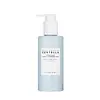
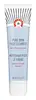
SKIN1004 Madagascar Centella Hyalu-Cica Gentle Cleansing Milk Versus First Aid Beauty Pure Skin Face Cleanser
This mild cream makeup remover is made to dissolve makeup, sunscreen, and daily buildup.
This mild cream cleanser is made to cleanse while calming and soothing your skin.


What's inside
What's inside
 Key Ingredients
Benefits
Concerns
Ingredients Side-by-side
Water
Skin ConditioningEthylhexyl Stearate
Emollient




Ethylhexyl Palmitate
Emollient
Propanediol
Solvent

Dicaprylyl Ether
Emollient
Polyglyceryl-6 Stearate
Emollient
Glycerin
Humectant
Methylpropanediol
SolventPentylene Glycol
Skin Conditioning
1,2-Hexanediol
Skin Conditioning
Panthenol
Skin Conditioning

Polyacrylate Crosspolymer-6
Emulsion StabilisingAcrylates/C10-30 Alkyl Acrylate Crosspolymer
Emulsion StabilisingCentella Asiatica Extract
Cleansing

Polyglyceryl-6 Behenate
Emulsion Stabilising
Musa Sapientum Flower Extract
Skin ConditioningRosa Damascena Flower Water
Masking
Butylene Glycol
Humectant
Allantoin
Skin Conditioning
Ectoin
Skin Conditioning
Xanthan Gum
EmulsifyingPyrus Communis Fruit Extract
Skin ConditioningSodium Dilauramidoglutamide Lysine
HumectantPrunus Domestica Fruit Extract
MoisturisingTocopherol
Antioxidant



Ethylhexylglycerin
Skin ConditioningCucumis Melo Fruit Extract
Skin ConditioningAminomethyl Propanediol
BufferingCitric Acid
Buffering
Hedera Helix Leaf/Stem Extract
AntimicrobialSodium Phytate
ChelatingCandida Bombicola/Glucose/Methyl Rapeseedate Ferment
AntimicrobialCynanchum Atratum Extract
Skin ConditioningMacadamia Ternifolia Seed Oil
Emollient
Althaea Rosea Flower Extract
Skin ConditioningHydrolyzed Vegetable Protein
Skin ConditioningMaltodextrin
Absorbent
Sodium Cocoyl Apple Amino Acids
Foam Boosting
Hydrolyzed Sodium Hyaluronate
Skin Conditioning
Moringa Oleifera Seed Oil
Emollient
Beta-Glucan
Skin Conditioning
Hexylene Glycol
EmulsifyingCeramide NP
Skin Conditioning
Phytosphingosine
Skin Conditioning
Hydrogenated Lecithin
Emulsifying
Tetrasodium Glutamate Diacetate
ChelatingWater, Ethylhexyl Stearate, Ethylhexyl Palmitate, Propanediol, Dicaprylyl Ether, Polyglyceryl-6 Stearate, Glycerin, Methylpropanediol, Pentylene Glycol, 1,2-Hexanediol, Panthenol, Polyacrylate Crosspolymer-6, Acrylates/C10-30 Alkyl Acrylate Crosspolymer, Centella Asiatica Extract, Polyglyceryl-6 Behenate, Musa Sapientum Flower Extract, Rosa Damascena Flower Water, Butylene Glycol, Allantoin, Ectoin, Xanthan Gum, Pyrus Communis Fruit Extract, Sodium Dilauramidoglutamide Lysine, Prunus Domestica Fruit Extract, Tocopherol, Ethylhexylglycerin, Cucumis Melo Fruit Extract, Aminomethyl Propanediol, Citric Acid, Hedera Helix Leaf/Stem Extract, Sodium Phytate, Candida Bombicola/Glucose/Methyl Rapeseedate Ferment, Cynanchum Atratum Extract, Macadamia Ternifolia Seed Oil, Althaea Rosea Flower Extract, Hydrolyzed Vegetable Protein, Maltodextrin, Sodium Cocoyl Apple Amino Acids, Hydrolyzed Sodium Hyaluronate, Moringa Oleifera Seed Oil, Beta-Glucan, Hexylene Glycol, Ceramide NP, Phytosphingosine, Hydrogenated Lecithin, Tetrasodium Glutamate Diacetate
Water
Skin ConditioningSodium Cocoyl Isethionate
Cleansing
Glycerin
Humectant
Stearic Acid
Cleansing
Hydrogenated Coconut Acid
Emollient
Sodium Isethionate
CleansingStearyl Alcohol
Emollient
Allantoin
Skin Conditioning
Chrysanthemum Parthenium Extract
Skin ConditioningCamellia Sinensis Leaf Extract
Antimicrobial

Glycyrrhiza Glabra Root Extract
Bleaching
Aloe Barbadensis Leaf Juice
Skin Conditioning
Tocopherol
Antioxidant
Hydrogenated Palm Glycerides Citrate
Emollient
Phenoxyethanol
Preservative
Disodium Cocoamphodiacetate
CleansingSodium PCA
Humectant
Hydroxypropyl Methylcellulose
Emulsion StabilisingCoco-Glucoside
Cleansing
Glyceryl Oleate
Emollient

Sodium Chloride
MaskingDisodium EDTA
ChelatingCitric Acid
Buffering
Potassium Sorbate
Preservative
Sodium Benzoate
Masking
Maltodextrin
Absorbent
Tetrasodium EDTA
ChelatingWater, Sodium Cocoyl Isethionate, Glycerin, Stearic Acid, Hydrogenated Coconut Acid, Sodium Isethionate, Stearyl Alcohol, Allantoin, Chrysanthemum Parthenium Extract, Camellia Sinensis Leaf Extract, Glycyrrhiza Glabra Root Extract, Aloe Barbadensis Leaf Juice, Tocopherol, Hydrogenated Palm Glycerides Citrate, Phenoxyethanol, Disodium Cocoamphodiacetate, Sodium PCA, Hydroxypropyl Methylcellulose, Coco-Glucoside, Glyceryl Oleate, Sodium Chloride, Disodium EDTA, Citric Acid, Potassium Sorbate, Sodium Benzoate, Maltodextrin, Tetrasodium EDTA
Reviews
Ingredients Explained
These ingredients are found in both products.
Ingredients higher up in an ingredient list are typically present in a larger amount.
Allantoin is a soothing ingredient known for its protective and moisturizing properties; it's basically a quiet workhorse ingredient you can find in a huge range of cosmetics.
Though it can be derived from the comfrey plant, allantoin is produced synthetically for cosmetic products to ensure purity.
Research shows it can encourage your skin cells to turn over and renew by stimulating keratinocyte and fibroblast proliferation.
It also has mild keratolytic properties to help loosen and shed dead skin cells without being harsh.
Studies also suggest allantoin can help calm inflammation by dialing down some of the chemical signals your skin sends out when it is irritated.
This ingredient is typically used in the 0.1-0.5% range, and the FDA recognizes it as a skin protectant in OTC products up to 2%.
Overall, allantoin is a wonderful addition to most routines; it is stable across a wide pH range (~4-8), works well with other ingredients, and is considered non-sensitizing/non-irritating.
Fun fact: Allantoin is naturally occurring in comfrey root, beets, chamomile, and wheat sprouts. Our bodies even produce it as a byproduct of uric acid metabolism.
Learn more about AllantoinCitric Acid is an alpha hydroxy acid (AHA) naturally found in citrus fruits like oranges, lemons, and limes.
Like other AHAs, citric acid can exfoliate skin by breaking down the bonds that hold dead skin cells together. This helps reveal smoother and brighter skin underneath.
However, this exfoliating effect only happens at high concentrations (20%) which can be hard to find in cosmetic products.
Due to this, citric acid is usually included in small amounts as a pH adjuster. This helps keep products slightly more acidic and compatible with skin's natural pH.
In skincare formulas, citric acid can:
While it can provide some skin benefits, research shows lactic acid and glycolic acid are generally more effective and less irritating exfoliants.
Most citric acid used in skincare today is made by fermenting sugars (usually from molasses). This synthetic version is identical to the natural citrus form but easier to stabilize and use in formulations.
Rosacea skin has a lower threshold for acids generally, with 62.5% of rosacea subjects in one study reacting to lactic acid in a sting test. This is why we mark citric acid as a potential rosacea trigger.
However, this ingredient shows up as a pH adjuster or chelator at roughly 0.1-1% in many products. These low levels are unlikely to be an issue for rosacea skin and becomes a potential trigger at exfoliating concentrations (20%). Because everybody's skin is unique, we recommend a patch test if you are unsure.
Learn more about Citric AcidGlycerin (or glycerol) is a compound naturally found in your skin. It's a powerhouse humectant that pulls water into the stratum corneum.
Topically, glycerin does several things at once:
Your skin makes glycerin on its own (mostly from sebaceous oil breakdown) and shuttles it to your outermost layer of skin, or your epidermis, via aquaporin-3.
Aquaporin-3 is a transporter that is essential for normal skin hydration, elasticity, and repair. Interestingly, mice lacking in AQP3 have dry and less elastic skin that can be fully corrected with glycerin.
This ingredient is non-irritating, plays well with almost every ingredient, and works across all skin types. Typical use is anywhere between 3-10% but can go up to 79% in some leave-on products.
Just know very high concentrations (>40%) can feel tacky in low humidity.
Glycerin is the name for this ingredient in American English. British English uses Glycerol/Glycerine.
Learn more about GlycerinMaltodextrin is a plant-derived carbohydrate made by breaking down starch (usually from corn, potato, or rice). In cosmetic formulas, it's a multitasking absorbent, emulsion stabilizer, and skin conditioner.
This ingredient is mostly used to stabilize emulsions and improve the powdery, non-greasy feel of products (like dry shampoos).
Safety-wise, this ingredient is pretty solid; it's even recognized as a food additive. Both animal and clinical studies found no adverse effects at the levels used in cosmetics.
Industry data shows this ingredient is used up to 45.7% in spray products and up to 33% in powder products.
Learn more about MaltodextrinTocopherol is a fat-soluble antioxidant known as Vitamin E.
You'll find this ingredient in the vast majority of skincare (for good reason). It works to neutralize free radicals, or unstable molecules generated by UV exposure, pollution, and other environmental stressors, before they can cause oxidative damage to your skin cells.
Topically applied tocopherol has been shown to protect against UV damage by ramping up the skin's own natural defense enzymes.
It also acts as a skin conditioning agent; some studies show that regular topical use can improve the skin's water-binding capacity over 2-4 weeks.
This ingredient is especially loved for being a team player. When combined with Vitamin C, the photoprotective effect of both ingredients roughly doubles and the combo also helps reduce UV-induced DNA damage.
This ingredient has some brightening potential but it's more of a prevention ingredient than spot-fader. Cell studies show it can slow down melanin production but it's worth noting that it's not the most powerful brightener out there.
In formulations, it also serves as a stabilizer that helps protect other oxidation-prone ingredients from degrading.
Concentrations usually range from 0.1-1% in most leave-on products.
Learn more about TocopherolWater. It's the most common cosmetic ingredient of all. You'll usually see it at the top of ingredient lists, meaning that it makes up the largest part of the product.
So why is it so popular? Water most often acts as a solvent - this means that it helps dissolve other ingredients into the formulation.
You'll also recognize water as that liquid we all need to stay alive. If you see this, drink a glass of water. Remember to stay hydrated!
Learn more about Water

