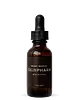
This anti-aging serum is formulated around Tetrahexyldecyl Ascorbate and Phenylethyl Resorcinol to soften the look of wrinkles and brighten dull-looking skin.
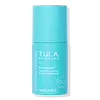
This anti-aging serum is formulated around Retinal and Lactococcus Ferment Lysate to soften the look of wrinkles and refine skin texture.

What's inside
What's inside
 Key Ingredients
Benefits
Concerns
Ingredients Side-by-side
Ethyl Trisiloxane
Skin Conditioning
Methyl Perfluorobutyl Ether
SolventMethyl Perfluoroisobutyl Ether
SolventEthoxydiglycol
HumectantTetrahexyldecyl Ascorbate
Antioxidant






Hexyldecanol
Emollient
Bisabolol
Antioxidant


Cetylhydroxyproline Palmitamide
Skin ConditioningStearic Acid
Cleansing


Brassica Campestris Sterols
EmollientTocopheryl Acetate
Antioxidant
Sorbitan Trioleate
Emulsifying
Phenylethyl Resorcinol
Antioxidant
Hydroxypinacolone Retinoate
Skin Conditioning



BHT
Antioxidant
Melatonin
Antioxidant
Ethyl Trisiloxane, Methyl Perfluorobutyl Ether, Methyl Perfluoroisobutyl Ether, Ethoxydiglycol, Tetrahexyldecyl Ascorbate, Hexyldecanol, Bisabolol, Cetylhydroxyproline Palmitamide, Stearic Acid, Brassica Campestris Sterols, Tocopheryl Acetate, Sorbitan Trioleate, Phenylethyl Resorcinol, Hydroxypinacolone Retinoate, BHT, Melatonin
Water
Skin ConditioningPropanediol
Solvent
C15-19 Alkane
SolventGlycerin
Humectant
1,2-Hexanediol
Skin Conditioning
Lactococcus Ferment Lysate
Skin Conditioning
Pentylene Glycol
Skin Conditioning
Cetyl Alcohol
Emollient
Chlorella Vulgaris Extract
Skin ConditioningVaccinium Macrocarpon Fruit Extract
AstringentTridecapeptide-1
Skin Conditioning
Ceramide AP
Skin Conditioning
Ceramide As
Skin Conditioning
Ceramide Ns
Skin Conditioning
Ceramide EOP
Skin Conditioning
Ceramide NP
Skin Conditioning
Sodium Hyaluronate
Humectant
Hydrolyzed Sodium Hyaluronate
Skin Conditioning
Sodium Acetylated Hyaluronate
Humectant
Sodium Hyaluronate Crosspolymer
Humectant
Aloe Barbadensis Leaf Juice
Skin Conditioning
Lactobacillus
Skin ConditioningCurcuma Longa Root Extract
Antioxidant
Lactobacillus Ferment
Skin Conditioning
Beta Vulgaris Root Extract
Skin ConditioningRetinal
Skin Conditioning
Arginine
Masking
Diisostearyl Malate
EmollientAlpha-Glucan Oligosaccharide
Cleansing
Bisabolol
Antioxidant
Inulin
Skin Conditioning
Arachidyl Alcohol
Emollient
Lactic Acid
Buffering

Sclerotium Gum
Emulsion StabilisingCitric Acid
Buffering
Behenyl Alcohol
Emollient
Malic Acid
Buffering
Polymnia Sonchifolia Root Juice
Skin ConditioningArachidyl Glucoside
EmulsifyingHydrogenated Lecithin
Emulsifying
Polyacrylate Crosspolymer-6
Emulsion StabilisingCellulose Gum
Emulsion StabilisingGlucose
Humectant
Calcium Chloride
AstringentFructose
Humectant
Cholesterol
Emollient
Sodium Phytate
Chelating2,3-Butanediol
HumectantCalcium Alginate
MaskingGlyceryl Stearate
Emollient
Lecithin
Emollient
Cellulose
Absorbent
Sodium Hydroxide
BufferingEthylhexylglycerin
Skin ConditioningCaprylyl Glycol
Emollient
Maltodextrin
Absorbent
Xanthan Gum
EmulsifyingSodium Benzoate
Masking
Butylene Glycol
Humectant
Sodium Chloride
MaskingPotassium Sorbate
Preservative
Water, Propanediol, C15-19 Alkane, Glycerin, 1,2-Hexanediol, Lactococcus Ferment Lysate, Pentylene Glycol, Cetyl Alcohol, Chlorella Vulgaris Extract, Vaccinium Macrocarpon Fruit Extract, Tridecapeptide-1, Ceramide AP, Ceramide As, Ceramide Ns, Ceramide EOP, Ceramide NP, Sodium Hyaluronate, Hydrolyzed Sodium Hyaluronate, Sodium Acetylated Hyaluronate, Sodium Hyaluronate Crosspolymer, Aloe Barbadensis Leaf Juice, Lactobacillus, Curcuma Longa Root Extract, Lactobacillus Ferment, Beta Vulgaris Root Extract, Retinal, Arginine, Diisostearyl Malate, Alpha-Glucan Oligosaccharide, Bisabolol, Inulin, Arachidyl Alcohol, Lactic Acid, Sclerotium Gum, Citric Acid, Behenyl Alcohol, Malic Acid, Polymnia Sonchifolia Root Juice, Arachidyl Glucoside, Hydrogenated Lecithin, Polyacrylate Crosspolymer-6, Cellulose Gum, Glucose, Calcium Chloride, Fructose, Cholesterol, Sodium Phytate, 2,3-Butanediol, Calcium Alginate, Glyceryl Stearate, Lecithin, Cellulose, Sodium Hydroxide, Ethylhexylglycerin, Caprylyl Glycol, Maltodextrin, Xanthan Gum, Sodium Benzoate, Butylene Glycol, Sodium Chloride, Potassium Sorbate
Ingredients Explained
These ingredients are found in both products.
Ingredients higher up in an ingredient list are typically present in a larger amount.
Bisabolol is a gentle skin conditioner, antioxidant, and soothing ingredient.
It's primary claim to fame is soothing and research shows topically applied bisabolol can quiet the chemical messengers that cause your skin to become inflamed, helping to sooth any irritation.
A clinical study found that applying 0.5% bisabolol daily for 8 weeks produced an average 9% decrease in skin pigmentation. Researchers found it can also suppress the process that leads to excess melanin production in skin.
In vitro studies found that bisabolol combined with propylene glycol significantly increased skin permeability by increasing lipid fluidity in the stratum corneum.
You'll likely see use concentrations quite low, usually 0.1-0.2%.
Overall, this is a well-tolerated ingredient that works well in formulas designed for sensitive, reactive, or post-procedure skin.
Learn more about Bisabolol

