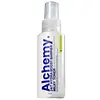
This hydrating toner is formulated around Allantoin and Panthenol to hydrate skin and strengthen the skin barrier.
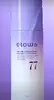
This brightening toner is formulated around Niacinamide to brighten dull-looking skin and strengthen the skin barrier.

What's inside
What's inside
 Key Ingredients
Benefits
Concerns
Ingredients Side-by-side
Water
Skin ConditioningButylene Glycol
Humectant

Glycerin
Humectant
Limnanthes Alba Seed Oil
Skin Conditioning


Helianthus Annuus Seed Oil
Emollient
Allantoin
Skin Conditioning

Panthenol
Skin Conditioning
Macadamia Ternifolia Seed Oil
Emollient
Argania Spinosa Kernel Oil
Emollient

Polyglutamic Acid
Skin Conditioning
Sodium Hyaluronate
Humectant

Ceramide NP
Skin Conditioning
Phaseolus Radiatus Seed Extract
Skin ConditioningCanavalia Gladiata Seed Extract
Skin ConditioningGlycine Soja Seed Extract
Skin Conditioning
Lens Esculenta Seed Extract
Skin ProtectingCeratonia Siliqua Seed Extract
Skin ConditioningPueraria Lobata Root Extract
HumectantLactobacillus Ferment Lysate
Skin Conditioning
Potassium Hyaluronate
Skin ConditioningSodium Hyaluronate Crosspolymer
Humectant
Sodium Acetylated Hyaluronate
Humectant
Hydroxypropyltrimonium Hyaluronate
Hydrolyzed Hyaluronic Acid
Humectant
Hyaluronic Acid
Humectant
Hydrolyzed Sodium Hyaluronate
Skin Conditioning
PEG-7 Glyceryl Cocoate
Emulsifying


Inulin Lauryl Carbamate
Emulsion Stabilising1,2-Hexanediol
Skin Conditioning
Trisodium Ethylenediamine Disuccinate
ChelatingSodium Surfactin
CleansingPentylene Glycol
Skin Conditioning
Phenoxyethanol
Preservative
Ethylhexylglycerin
Skin ConditioningCitric Acid
Buffering

Water, Butylene Glycol, Glycerin, Limnanthes Alba Seed Oil, Helianthus Annuus Seed Oil, Allantoin, Panthenol, Macadamia Ternifolia Seed Oil, Argania Spinosa Kernel Oil, Polyglutamic Acid, Sodium Hyaluronate, Ceramide NP, Phaseolus Radiatus Seed Extract, Canavalia Gladiata Seed Extract, Glycine Soja Seed Extract, Lens Esculenta Seed Extract, Ceratonia Siliqua Seed Extract, Pueraria Lobata Root Extract, Lactobacillus Ferment Lysate, Potassium Hyaluronate, Sodium Hyaluronate Crosspolymer, Sodium Acetylated Hyaluronate, Hydroxypropyltrimonium Hyaluronate, Hydrolyzed Hyaluronic Acid, Hyaluronic Acid, Hydrolyzed Sodium Hyaluronate, PEG-7 Glyceryl Cocoate, Inulin Lauryl Carbamate, 1,2-Hexanediol, Trisodium Ethylenediamine Disuccinate, Sodium Surfactin, Pentylene Glycol, Phenoxyethanol, Ethylhexylglycerin, Citric Acid
Oryza Sativa Bran Water 77%
Masking
Water
Skin ConditioningTrehalose
Humectant
Niacinamide
Smoothing



Butylene Glycol
Humectant
Betaine
Humectant
Sodium Hyaluronate
Humectant
Phenoxyethanol
Preservative
Styrene/Acrylates Copolymer
Propylene Glycol
Humectant
Aspergillus/Saccharomyces/Rice Ferment Filtrate
Humectant
Citric Acid
Buffering
Chlorphenesin
Antimicrobial
Sodium Benzoate
Masking
Glycerin
Humectant
Disodium EDTA
ChelatingAllantoin
Skin Conditioning
Potassium Sorbate
Preservative
Sodium Hydroxide
Buffering1,2-Hexanediol
Skin Conditioning
Leuconostoc/Radish Root Ferment Filtrate
Antimicrobial
Yeast Beta-Glucan
Skin ConditioningYeast Amino Acids
HumectantYeast Polysaccharides
Skin ConditioningYeast Extract
Skin ConditioningSaccharomyces Cerevisiae Extract
Skin Conditioning
Hydrolyzed Yeast Extract
Skin ConditioningYeast Ferment Extract
Skin ConditioningHydrolyzed Yeast
Skin ConditioningHydrolyzed Yeast Protein
Skin ConditioningSaccharomyces Polypeptides
Skin Conditioning
Saccharomyces/Rice Ferment Filtrate
Skin Conditioning
Lactobacillus/Rice Ferment
Skin Conditioning
Saccharomyces/Rice Bran Ferment
Humectant
Monascus/Rice Ferment
Antioxidant
Monascus Extract
Skin ConditioningLactobacillus/Soybean Ferment Extract
Skin ConditioningLactobacillus/Soymilk Ferment Filtrate
Skin ConditioningBacillus/Soybean Ferment Extract
Skin ConditioningSaccharomyces/Soy Protein Ferment
Skin Conditioning
Bacillus/Rice Bran Extract/Soybean Extract Ferment Filtrate
Antioxidant
Lactobacillus/Bean Seed Extract/Sodium Glutamate Ferment Filtrate
Skin ConditioningSaccharomyces/Grape Ferment Extract
Skin Conditioning
Saccharomyces/Xylinum/Black Tea Ferment
Skin Conditioning
Saccharomyces/Laminaria Saccharina Ferment
Skin Conditioning
Saccharomyces/Potato Extract Ferment Filtrate
Humectant
Saccharomyces/Barley Seed Ferment Filtrate
HumectantSaccharomyces/Coix Lacryma-Jobi Ma-Yuen Seed Ferment Filtrate
Skin Conditioning
Caramel
Cosmetic ColorantLactobacillus/Panax Ginseng Root Extract Ferment Filtrate
Skin ConditioningLactobacillus/Punica Granatum Fruit Ferment Extract
Antioxidant
Lactobacillus/Acerola Cherry Ferment
Skin ProtectingLactobacillus/Hibiscus Sabdariffa Flower Ferment Filtrate
Skin ConditioningLactobacillus/Pumpkin Ferment Extract
Skin ConditioningLactobacillus/Pear Juice Ferment Filtrate
Skin ConditioningLactobacillus/Rye Flour Ferment
Skin ConditioningLactobacillus/Wasabia Japonica Root Ferment Extract
Antioxidant
Lactobacillus/Eriodictyon Californicum Ferment Extract
Skin ConditioningLactobacillus/Water Hyacinth Ferment
Skin ProtectingLactobacillus/Algae Extract Ferment
Skin ProtectingChlorella Ferment
Skin Conditioning
Lactobacillus Ferment Lysate
Skin Conditioning
Lactococcus Ferment Lysate
Skin Conditioning
Lactococcus Ferment Extract
Skin ConditioningSaccharomyces Ferment Lysate Filtrate
Skin Conditioning
Saccharomyces Lysate Extract
Humectant
Saccharomyces Lysate
Skin Conditioning
Saccharomyces Ferment Filtrate
Humectant
Schizosaccharomyces Ferment Filtrate
Humectant
Bacillus/Glutamic Acid Ferment Filtrate
Skin ConditioningBacillus Ferment
Skin Conditioning
Lactococcus Ferment
Skin ConditioningLactobacillus
Skin ConditioningLactobacillus Ferment
Skin Conditioning
Saccharomyces Ferment
Skin Conditioning
Saccharomyces/Calcium Ferment
Skin Conditioning
Saccharomyces/Magnesium Ferment
Saccharomyces/Iron Ferment
Skin Conditioning
Saccharomyces/Copper Ferment
Skin Conditioning
Oryza Sativa Bran Water 77%, Water, Trehalose, Niacinamide, Butylene Glycol, Betaine, Sodium Hyaluronate, Phenoxyethanol, Styrene/Acrylates Copolymer, Propylene Glycol, Aspergillus/Saccharomyces/Rice Ferment Filtrate, Citric Acid, Chlorphenesin, Sodium Benzoate, Glycerin, Disodium EDTA, Allantoin, Potassium Sorbate, Sodium Hydroxide, 1,2-Hexanediol, Leuconostoc/Radish Root Ferment Filtrate, Yeast Beta-Glucan, Yeast Amino Acids, Yeast Polysaccharides, Yeast Extract, Saccharomyces Cerevisiae Extract, Hydrolyzed Yeast Extract, Yeast Ferment Extract, Hydrolyzed Yeast, Hydrolyzed Yeast Protein, Saccharomyces Polypeptides, Saccharomyces/Rice Ferment Filtrate, Lactobacillus/Rice Ferment, Saccharomyces/Rice Bran Ferment, Monascus/Rice Ferment, Monascus Extract, Lactobacillus/Soybean Ferment Extract, Lactobacillus/Soymilk Ferment Filtrate, Bacillus/Soybean Ferment Extract, Saccharomyces/Soy Protein Ferment, Bacillus/Rice Bran Extract/Soybean Extract Ferment Filtrate, Lactobacillus/Bean Seed Extract/Sodium Glutamate Ferment Filtrate, Saccharomyces/Grape Ferment Extract, Saccharomyces/Xylinum/Black Tea Ferment, Saccharomyces/Laminaria Saccharina Ferment, Saccharomyces/Potato Extract Ferment Filtrate, Saccharomyces/Barley Seed Ferment Filtrate, Saccharomyces/Coix Lacryma-Jobi Ma-Yuen Seed Ferment Filtrate, Caramel, Lactobacillus/Panax Ginseng Root Extract Ferment Filtrate, Lactobacillus/Punica Granatum Fruit Ferment Extract, Lactobacillus/Acerola Cherry Ferment, Lactobacillus/Hibiscus Sabdariffa Flower Ferment Filtrate, Lactobacillus/Pumpkin Ferment Extract, Lactobacillus/Pear Juice Ferment Filtrate, Lactobacillus/Rye Flour Ferment, Lactobacillus/Wasabia Japonica Root Ferment Extract, Lactobacillus/Eriodictyon Californicum Ferment Extract, Lactobacillus/Water Hyacinth Ferment, Lactobacillus/Algae Extract Ferment, Chlorella Ferment, Lactobacillus Ferment Lysate, Lactococcus Ferment Lysate, Lactococcus Ferment Extract, Saccharomyces Ferment Lysate Filtrate, Saccharomyces Lysate Extract, Saccharomyces Lysate, Saccharomyces Ferment Filtrate, Schizosaccharomyces Ferment Filtrate, Bacillus/Glutamic Acid Ferment Filtrate, Bacillus Ferment, Lactococcus Ferment, Lactobacillus, Lactobacillus Ferment, Saccharomyces Ferment, Saccharomyces/Calcium Ferment, Saccharomyces/Magnesium Ferment, Saccharomyces/Iron Ferment, Saccharomyces/Copper Ferment
Ingredients Explained
These ingredients are found in both products.
Ingredients higher up in an ingredient list are typically present in a larger amount.
1,2-Hexanediol is a synthetic liquid and another multi-functional powerhouse.
It is a:
- Humectant, drawing moisture into the skin
- Emollient, helping to soften skin
- Solvent, dispersing and stabilizing formulas
- Preservative booster, enhancing the antimicrobial activity of other preservatives
Allantoin is a soothing ingredient known for its protective and moisturizing properties; it's basically a quiet workhorse ingredient you can find in a huge range of cosmetics.
Though it can be derived from the comfrey plant, allantoin is produced synthetically for cosmetic products to ensure purity.
Research shows it can encourage your skin cells to turn over and renew by stimulating keratinocyte and fibroblast proliferation.
It also has mild keratolytic properties to help loosen and shed dead skin cells without being harsh.
Studies also suggest allantoin can help calm inflammation by dialing down some of the chemical signals your skin sends out when it is irritated.
This ingredient is typically used in the 0.1-0.5% range, and the FDA recognizes it as a skin protectant in OTC products up to 2%.
Overall, allantoin is a wonderful addition to most routines; it is stable across a wide pH range (~4-8), works well with other ingredients, and is considered non-sensitizing/non-irritating.
Fun fact: Allantoin is naturally occurring in comfrey root, beets, chamomile, and wheat sprouts. Our bodies even produce it as a byproduct of uric acid metabolism.
Learn more about AllantoinButylene Glycol (or BG) is used within cosmetic products for a few different reasons:
Overall, Butylene Glycol is a safe and well-rounded ingredient that works well with other ingredients.
Though this ingredient works well with most skin types, some people with sensitive skin may experience a reaction such as allergic rashes, closed comedones, or itchiness.
Learn more about Butylene GlycolCitric Acid is an alpha hydroxy acid (AHA) naturally found in citrus fruits like oranges, lemons, and limes.
Like other AHAs, citric acid can exfoliate skin by breaking down the bonds that hold dead skin cells together. This helps reveal smoother and brighter skin underneath.
However, this exfoliating effect only happens at high concentrations (20%) which can be hard to find in cosmetic products.
Due to this, citric acid is usually included in small amounts as a pH adjuster. This helps keep products slightly more acidic and compatible with skin's natural pH.
In skincare formulas, citric acid can:
While it can provide some skin benefits, research shows lactic acid and glycolic acid are generally more effective and less irritating exfoliants.
Most citric acid used in skincare today is made by fermenting sugars (usually from molasses). This synthetic version is identical to the natural citrus form but easier to stabilize and use in formulations.
Rosacea skin has a lower threshold for acids generally, with 62.5% of rosacea subjects in one study reacting to lactic acid in a sting test. This is why we mark citric acid as a potential rosacea trigger.
However, this ingredient shows up as a pH adjuster or chelator at roughly 0.1-1% in many products. These low levels are unlikely to be an issue for rosacea skin and becomes a potential trigger at exfoliating concentrations (20%). Because everybody's skin is unique, we recommend a patch test if you are unsure.
Learn more about Citric AcidGlycerin (or glycerol) is a compound naturally found in your skin. It's a powerhouse humectant that pulls water into the stratum corneum.
Topically, glycerin does several things at once:
Your skin makes glycerin on its own (mostly from sebaceous oil breakdown) and shuttles it to your outermost layer of skin, or your epidermis, via aquaporin-3.
Aquaporin-3 is a transporter that is essential for normal skin hydration, elasticity, and repair. Interestingly, mice lacking in AQP3 have dry and less elastic skin that can be fully corrected with glycerin.
This ingredient is non-irritating, plays well with almost every ingredient, and works across all skin types. Typical use is anywhere between 3-10% but can go up to 79% in some leave-on products.
Just know very high concentrations (>40%) can feel tacky in low humidity.
Glycerin is the name for this ingredient in American English. British English uses Glycerol/Glycerine.
Learn more about GlycerinLactobacillus Ferment Lysate is a postbiotic with skin soothing properties. Postbiotics are inactive molecules produced by probiotic bacteria that provide skin benefits.
This ingredient comes from the secretion of the bacteria, Lactobacillus.
Studies show this ingredient can help calm redness and may help treat the signs of photoaging; however, the evidence is inconclusive and further studies are needed.
Lactobacillus Ferment is generally considered safe for fungal-acne prone skin. The key thing to understand is that it comes from bacteria, not yeast or fungus.
Yeast-derived ferments (like galactomyces) have been shown to activate a protein that's linked to Malassezia-related skin issues whereas lactobacillus doesn't have that problem.
Its byproducts also don't contain the types of fatty acids (C11-24 chain lengths) that Malassezia feeds on.
Learn more about Lactobacillus Ferment LysatePhenoxyethanol is one of the most widely used preservatives in skincare (and for good reason!).
It has a large spectrum of antimicrobial activity and especially effective bacteria, yeast, and mold while only having a weak effect on your skin's natural microbiome.
On a cellular level, it disrupts the cell membranes of microbes by poking holes that make the cell leak. This shuts down the chemical reactions the microbe needs to make energy so it can no longer survive.
Another perk of this ingredient is that it stays functional across a wide pH range (3-10).
You'll often see it paired with boosters like Ethylhexylglycerin; one study showed that a 1:9 ratio of Ethylhexylglycerin to Phenoxyethanol damages bacterial membranes as effectively as doubling the Phenoxyethanol concentration on its own.
Typical use concentrations range from 0.3-1% depending on the formula, and this ingredient is capped at 1% int the EU.
Safety-wise, the fear mongering does not hold up to the evidence. The EU's Scientific Committee on Consumer Safety and FDA consider it safe as a preservative at up to 1%, including for children of all ages.
Adverse systemic effects only showed up in animal studies at exposures roughly 200x higher than what people get from cosmetics. And despite its very widespread use, this ingredient is a rare sensitizer and allergic reactions are uncommon.
Learn more about PhenoxyethanolSodium Hyaluronate is the salt form of hyaluronic acid. It is a long sugar chain that is naturally found in your skin, joints, and connective tissue that maintains hydration and elasticity.
In skincare, it works as a humectant. It pulls water from the environment and deeper layers of skin and binds it to the surface.
Interestingly, the size of the molecule affects its behavior:
Some clinical evidence links low molecular weight versions to improved wrinkle depth, elasticity, anti-inflammatory effects, and barrier repair.
Many serums use a blend of both weights so you can get surface hydration plus longer-lasting and deeper effects.
You'll typically see concentrations between 0.1-2% for this ingredient.
Learn more about Sodium HyaluronateWater. It's the most common cosmetic ingredient of all. You'll usually see it at the top of ingredient lists, meaning that it makes up the largest part of the product.
So why is it so popular? Water most often acts as a solvent - this means that it helps dissolve other ingredients into the formulation.
You'll also recognize water as that liquid we all need to stay alive. If you see this, drink a glass of water. Remember to stay hydrated!
Learn more about Water

