This hybrid sunscreen covers the full UV range and blocks ~98% of UVB at SPF 50.
This hybrid sunscreen covers the full UV range and blocks ~98% of UVB at SPF 50.

What's inside
What's inside
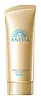 Key Ingredients
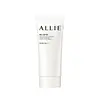
Benefits
Concerns
Ingredients Side-by-side
Water
Skin ConditioningAlcohol
Antimicrobial




Dimethicone
Emollient

Diisopropyl Sebacate
EmollientEthylhexyl Salicylate
UV Absorber

Homosalate
Skin Conditioning
Glycerin
Humectant

PEG-60 Hydrogenated Castor Oil
Emulsifying

Butylene Glycol
Humectant
Xanthan Gum
EmulsifyingSoluble Collagen
Humectant
Tocopherol
Antioxidant




BHT
Antioxidant
PEG-6
HumectantSilica
Abrasive


Phenoxyethanol
Preservative
Parfum
Masking

Bis-Butyldimethicone Polyglyceryl-3
Cleansing
Dextrin
AbsorbentOctocrylene
UV Absorber
Acrylates/C10-30 Alkyl Acrylate Crosspolymer
Emulsion StabilisingSodium Metabisulfite
Antioxidant
Sodium Citrate
BufferingTriethoxysilylethyl Polydimethylsiloxyethyl Dimethicone
Skin Conditioning
PEG/PPG-9/2 Dimethyl Ether
Skin ConditioningTitanium Dioxide
Cosmetic Colorant
Acrylamides/Dmapa Acrylates/Methoxy PEG Methacrylate Copolymer
C30-45 Olefin
Skin ConditioningDiethylamino Hydroxybenzoyl Hexyl Benzoate
UV Filter
Caprylyl Methicone
Skin Conditioning
Hydroxypropyl Methylcellulose Stearoxy Ether
Hydrated Silica
Abrasive
PEG/PPG-14/7 Dimethyl Ether
Skin ConditioningPotentilla Erecta Root Extract
Skin ConditioningC12-15 Alkyl Benzoate
AntimicrobialEthylhexyl Triazone
UV Absorber
Trimethylsiloxysilicate
Emollient
Sodium Acetylated Hyaluronate
Humectant
Citric Acid
Buffering
Polyglyceryl-6 Polyricinoleate
Emulsifying
Dipotassium Glycyrrhizate
Humectant
Triethoxycaprylylsilane
Bis-Ethylhexyloxyphenol Methoxyphenyl Triazine
UV Absorber
Isododecane
EmollientC30-45 Alkyl Methicone
Emollient
Hydrogenated Palm Oil
Emollient
Potassium Hydroxide
BufferingDistearyldimonium Chloride
Citrus Unshiu Peel Extract
MaskingElaeis Guineensis Kernel Oil
Emollient
Ethylhexyl Methoxycinnamate
UV Absorber
Stearic Acid
Cleansing
Dextrin Palmitate
Emulsifying
Synthetic Fluorphlogopite
PPG-17
Skin ConditioningCarbomer
Emulsion StabilisingCharcoal Extract
Skin ConditioningSaccharide Isomerate
Humectant
Agar
MaskingCamellia Sinensis Leaf Extract
Antimicrobial
Elaeis Guineensis Oil
Emollient
Water, Alcohol, Dimethicone, Diisopropyl Sebacate, Ethylhexyl Salicylate, Homosalate, Glycerin, PEG-60 Hydrogenated Castor Oil, Butylene Glycol, Xanthan Gum, Soluble Collagen, Tocopherol, BHT, PEG-6, Silica, Phenoxyethanol, Parfum, Bis-Butyldimethicone Polyglyceryl-3, Dextrin, Octocrylene, Acrylates/C10-30 Alkyl Acrylate Crosspolymer, Sodium Metabisulfite, Sodium Citrate, Triethoxysilylethyl Polydimethylsiloxyethyl Dimethicone, PEG/PPG-9/2 Dimethyl Ether, Titanium Dioxide, Acrylamides/Dmapa Acrylates/Methoxy PEG Methacrylate Copolymer, C30-45 Olefin, Diethylamino Hydroxybenzoyl Hexyl Benzoate, Caprylyl Methicone, Hydroxypropyl Methylcellulose Stearoxy Ether, Hydrated Silica, PEG/PPG-14/7 Dimethyl Ether, Potentilla Erecta Root Extract, C12-15 Alkyl Benzoate, Ethylhexyl Triazone, Trimethylsiloxysilicate, Sodium Acetylated Hyaluronate, Citric Acid, Polyglyceryl-6 Polyricinoleate, Dipotassium Glycyrrhizate, Triethoxycaprylylsilane, Bis-Ethylhexyloxyphenol Methoxyphenyl Triazine, Isododecane, C30-45 Alkyl Methicone, Hydrogenated Palm Oil, Potassium Hydroxide, Distearyldimonium Chloride, Citrus Unshiu Peel Extract, Elaeis Guineensis Kernel Oil, Ethylhexyl Methoxycinnamate, Stearic Acid, Dextrin Palmitate, Synthetic Fluorphlogopite, PPG-17, Carbomer, Charcoal Extract, Saccharide Isomerate, Agar, Camellia Sinensis Leaf Extract, Elaeis Guineensis Oil
Water
Skin ConditioningZinc Oxide
Cosmetic Colorant
Alcohol Denat.
Antimicrobial
Diisopropyl Sebacate
EmollientIsononyl Isononanoate
EmollientC12-15 Alkyl Benzoate
AntimicrobialEthylhexyl Triazone
UV Absorber
Glycerin
Humectant
Dimethicone
Emollient
Drometrizole Trisiloxane
UV Absorber
Sodium Acrylate/Sodium Acryloyldimethyl Taurate Copolymer
Emulsion StabilisingBis-Ethylhexyloxyphenol Methoxyphenyl Triazine
UV Absorber
Butylene Glycol
Humectant
Isohexadecane
EmollientTriethoxycaprylylsilane
Poly C10-30 Alkyl Acrylate
Emulsion StabilisingAcrylates/Polytrimethylsiloxymethacrylate Copolymer
Skin ConditioningPEG-400
Emulsion StabilisingPolysorbate 80
Emulsifying
C30-45 Alkyl Methicone
Emollient
Xanthan Gum
EmulsifyingC30-45 Olefin
Skin ConditioningSorbitan Oleate
Emulsifying
Polysilicone-9
Disodium EDTA
ChelatingSodium Hyaluronate
Humectant
Water, Zinc Oxide, Alcohol Denat., Diisopropyl Sebacate, Isononyl Isononanoate, C12-15 Alkyl Benzoate, Ethylhexyl Triazone, Glycerin, Dimethicone, Drometrizole Trisiloxane, Sodium Acrylate/Sodium Acryloyldimethyl Taurate Copolymer, Bis-Ethylhexyloxyphenol Methoxyphenyl Triazine, Butylene Glycol, Isohexadecane, Triethoxycaprylylsilane, Poly C10-30 Alkyl Acrylate, Acrylates/Polytrimethylsiloxymethacrylate Copolymer, PEG-400, Polysorbate 80, C30-45 Alkyl Methicone, Xanthan Gum, C30-45 Olefin, Sorbitan Oleate, Polysilicone-9, Disodium EDTA, Sodium Hyaluronate
Reviews
Ingredients Explained
These ingredients are found in both products.
Ingredients higher up in an ingredient list are typically present in a larger amount.
This ingredient is better known as bemotrizinol or Tinosorb S and is one of the best broad-spectrum UV filters in modern sunscreen.
It works by absorbing UV light across a whole range (280-400 nm) with peaks around 310 nm (UVB) and 340-345 nm (UVA). This means it covers UVB plus the deeper UVA wavelengths that drive photoaging and pigmentation.
Another pro?
It's exceptionally photostable, barely degrades in sunlight, and acts as a "bodyguard" for less stable filters.
That's why you'll see it paired with avobenzone or octinoxate; this team up ensures they keep working through sun exposure.
Safety reviews have been reassuring across the board. This ingredient shows low absorption through the skin, rarely irritates, and lab studies found it doesn't act like a hormone in the body (a concern that's been raised about some older sunscreen filters).
On maximum concentrations:
In 2026, the US F.D.A finally added it as an OTC sunscreen ingredient at concentrations up to 6% for adults / children 6 months and older
Learn more about Bis-Ethylhexyloxyphenol Methoxyphenyl TriazineButylene Glycol (or BG) is used within cosmetic products for a few different reasons:
Overall, Butylene Glycol is a safe and well-rounded ingredient that works well with other ingredients.
Though this ingredient works well with most skin types, some people with sensitive skin may experience a reaction such as allergic rashes, closed comedones, or itchiness.
Learn more about Butylene GlycolC12-15 Alkyl Benzoate is a lightweight emollient made by combinig benzoic acid with fatty alcohols that are 12-15 carbons long.
In cosmetics, it plays several roles:
The Cosmetic Review Expert Panel has concluded the alkyl benzoate group to be safe as used in cosmetics; it wasn't found to be a skin irritant and unlikely to be absorbed due to its low water solubility.
This report recorded almost 1000 reported uses with concentrations up to 59% in leave-on products but your cosmetics will typically use 0.5-15% depending on the product.
It's often called a "SPF booster": this is because it keeps UV filters properly dissolved and evenly distributed to support a sunscreen's performance. It doesn't actually raise SPF on its own.
Overall, this ingredient is well tolerated.
This ingredient is fungal acne safe because it is an ester of benzoic acid.
Think of this ingredient as two parts stuck together: an oily part and an acid part. Malassezia only gets a meal when it can snip off a fatty acid to eat. With C12-15 Alkyl Benzoate, the acid part is benzoic acid, which isn't a fatty acid and which the yeast can't use as food.
Benzoic acid is actually used as a preservative to stop yeast from growing.
The oily part is a blend of C12-15 fatty alcohols but fatty alcohols in this size range can support only a little Malassezia growth (mostly for one species of Malassezia as well).
In the ingredient, those alcohols stay locked inside the molecule. The yeast can only reach them by snipping the benzoate bond, and that type of bond is harder for it to cut than a normal fatty bond.
So not much gets released. And whatever does get snipped comes packaged with benzoic acid, which discourages yeast growth.
Learn more about C12-15 Alkyl BenzoateC30-45 Alkyl Methicone is a type of silicone.
We don't have a description for C30-45 Olefin yet.
We don't have a description for Diisopropyl Sebacate yet.
Dimethicone is a type of synthetic silicone created from natural materials such as quartz. It is also known as polydimethylsiloxane.
What it does:
Dimethicone comes in different viscosities:
Depending on the viscosity, dimethicone has different properties.
Ingredients lists don't always show which type is used, so we recommend reaching out to the brand if you have questions about the viscosity.
This ingredient is unlikely to cause irritation because it does not get absorbed into skin. However, people with silicone allergies should be careful about using this ingredient.
Note: Dimethicone may contribute to pilling. This is because it is not oil or water soluble, so pilling may occur when layered with products. When mixed with heavy oils in a formula, the outcome is also quite greasy.
Learn more about DimethiconeEthylhexyl Triazone (aka Octyl Triazone) is an oil-soluble organic UVB filter. It has peak absorption around 314 nm, right in the middle of the UVB range.
This ingredient is described as one of the most effective UVB filters available and small concentrations are enough to deliver a high SPF thanks to its strong UV absorbing power.
Formulators love it for its stability; its ability to filter UV stays practically unchanged even under intense radiation and it can also help boost the photostability of less stable filters like avobenzone.
It's also a great pick for water resistant products because it's insoluble in water and has a good affinity for keratin.
Because it's a big, heavy molecule, the European Scientific Committee has found to to have very low dermal penetration and negative results for allergenicity.
In vitro testing also showed a low absorption rate and clean results on irritation.
Typical use levels are 1-5% with 5% being the maximum in the EU, Japan, and other markets that allow it. However, this ingredient is not approved yet in the US or Canada.
Learn more about Ethylhexyl TriazoneGlycerin (or glycerol) is a compound naturally found in your skin. It's a powerhouse humectant that pulls water into the stratum corneum.
Topically, glycerin does several things at once:
Your skin makes glycerin on its own (mostly from sebaceous oil breakdown) and shuttles it to your outermost layer of skin, or your epidermis, via aquaporin-3.
Aquaporin-3 is a transporter that is essential for normal skin hydration, elasticity, and repair. Interestingly, mice lacking in AQP3 have dry and less elastic skin that can be fully corrected with glycerin.
This ingredient is non-irritating, plays well with almost every ingredient, and works across all skin types. Typical use is anywhere between 3-10% but can go up to 79% in some leave-on products.
Just know very high concentrations (>40%) can feel tacky in low humidity.
Glycerin is the name for this ingredient in American English. British English uses Glycerol/Glycerine.
Learn more about GlycerinTriethoxycaprylylsilane is a silicon-based surface modifier that makes sunscreens feel silky and makeup stay put.
Its main job is to coat mineral particles like titanium dioxide, zinc oxide, and color pigments in a thin, oily layer so they spread smoothly, don't clump, and stick to skin better.
This ingredient is typically used at low levels (up to 2.5% in eyeshadow and 1% in lipstick).
Learn more about TriethoxycaprylylsilaneWater. It's the most common cosmetic ingredient of all. You'll usually see it at the top of ingredient lists, meaning that it makes up the largest part of the product.
So why is it so popular? Water most often acts as a solvent - this means that it helps dissolve other ingredients into the formulation.
You'll also recognize water as that liquid we all need to stay alive. If you see this, drink a glass of water. Remember to stay hydrated!
Learn more about WaterXanthan gum is used as a stabilizer and thickener within cosmetic products. It helps give products a sticky, thick feeling - preventing them from being too runny.
On the technical side of things, xanthan gum is a polysaccharide - a combination consisting of multiple sugar molecules bonded together.
Xanthan gum is a pretty common and great ingredient. It is a natural, non-toxic, non-irritating ingredient that is also commonly used in food products.
Learn more about Xanthan Gum

