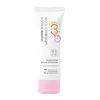
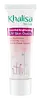
Shinzu'i Whitessentials Brightening Serum Sunscreen SPF 35 Versus Khalisa Essential Brightening UV Skin Oasis Pink Blush SPF 50+
This chemical sunscreen covers most of the UV range, lighter on the deep UVA that drives aging.
This hybrid sunscreen covers the full UV range and blocks ~98% of UVB at SPF 50.

What's inside
What's inside
 Key Ingredients
Benefits
Concerns
Ingredients Side-by-side
Water
Skin ConditioningEthylhexyl Methoxycinnamate
UV Absorber


Butylene Glycol
Humectant

Butyl Methoxydibenzoylmethane
UV Absorber
Niacinamide
Smoothing










Glycerin
Humectant
Octocrylene
UV Absorber
Dimethicone
Emollient
Phenyl Trimethicone
Skin Conditioning
Allantoin
Skin Conditioning
Phenoxyethanol
Preservative
Acrylates/C10-30 Alkyl Acrylate Crosspolymer
Emulsion StabilisingCetearyl Alcohol
Emollient





Glyceryl Stearate
Emollient
PEG-40 Stearate
Emulsifying
Ceteareth-20
Cleansing
Pentaerythrityl Tetra-Di-T-Butyl Hydroxyhydrocinnamate
Antioxidant
Aminomethyl Propanol
BufferingXanthan Gum
EmulsifyingAmmonium Acryloyldimethyltaurate/Vp Copolymer
Lecithin
Emollient
Tocopheryl Acetate
Antioxidant
Hydrolyzed Tremella Fuciformis Sporocarp Extract
Antioxidant
Disodium EDTA
ChelatingEthylhexylglycerin
Skin ConditioningAscorbyl Glucoside
Antioxidant
Parfum
Masking

Dimethicone/Vinyl Dimethicone Crosspolymer
Skin Conditioning
Geranium Robertianum Extract
AstringentScutellaria Baicalensis Root Extract
Astringent
Houttuynia Cordata Extract
Skin Conditioning
Citrus Reticulata Peel Extract
Skin ConditioningAlgae Extract
Emollient
Centaurea Cyanus Flower Extract
Astringent
Aspalathus Linearis Extract
Skin ConditioningPhaseolus Radiatus Sprout Extract
HumectantWater, Ethylhexyl Methoxycinnamate, Butylene Glycol, Butyl Methoxydibenzoylmethane, Niacinamide, Glycerin, Octocrylene, Dimethicone, Phenyl Trimethicone, Allantoin, Phenoxyethanol, Acrylates/C10-30 Alkyl Acrylate Crosspolymer, Cetearyl Alcohol, Glyceryl Stearate, PEG-40 Stearate, Ceteareth-20, Pentaerythrityl Tetra-Di-T-Butyl Hydroxyhydrocinnamate, Aminomethyl Propanol, Xanthan Gum, Ammonium Acryloyldimethyltaurate/Vp Copolymer, Lecithin, Tocopheryl Acetate, Hydrolyzed Tremella Fuciformis Sporocarp Extract, Disodium EDTA, Ethylhexylglycerin, Ascorbyl Glucoside, Parfum, Dimethicone/Vinyl Dimethicone Crosspolymer, Geranium Robertianum Extract, Scutellaria Baicalensis Root Extract, Houttuynia Cordata Extract, Citrus Reticulata Peel Extract, Algae Extract, Centaurea Cyanus Flower Extract, Aspalathus Linearis Extract, Phaseolus Radiatus Sprout Extract
Water
Skin ConditioningEthylhexyl Methoxycinnamate
UV Absorber
Butylene Glycol
Humectant
Methylene Bis-Benzotriazolyl Tetramethylbutylphenol
UV Filter
Triethylhexanoin
MaskingDiethylamino Hydroxybenzoyl Hexyl Benzoate
UV Filter
Bis-PEG-18 Methyl Ether Dimethyl Silane
EmollientSaccharide Isomerate
Humectant
Bis-Ethylhexyloxyphenol Methoxyphenyl Triazine
UV Absorber
Polymethylsilsesquioxane
Decyl Glucoside
Cleansing
Titanium Dioxide
Cosmetic Colorant
Polysorbate 60
Emulsifying
Triethanolamine
Buffering1,2-Hexanediol
Skin Conditioning
Caprylyl Glycol
Emollient
Ammonium Acryloyldimethyltaurate/Vp Copolymer
Acrylates/C10-30 Alkyl Acrylate Crosspolymer
Emulsion StabilisingAcrylates Copolymer
PEG-12 Dimethicone
Skin Conditioning
Panthenol
Skin Conditioning
Tocopheryl Acetate
Antioxidant
O-Cymen-5-Ol
Antimicrobial
Xanthan Gum
EmulsifyingDisodium EDTA
ChelatingSilica
Abrasive
Propylene Glycol
Humectant
BHT
Antioxidant
Dipropylene Glycol
HumectantParfum
Masking
Alumina
Abrasive
Sodium Palmitoyl Proline
Skin ConditioningCitric Acid
Buffering
Sodium Citrate
BufferingNymphaea Alba Flower Extract
Skin ConditioningCI 14700
Cosmetic ColorantWater, Ethylhexyl Methoxycinnamate, Butylene Glycol, Methylene Bis-Benzotriazolyl Tetramethylbutylphenol, Triethylhexanoin, Diethylamino Hydroxybenzoyl Hexyl Benzoate, Bis-PEG-18 Methyl Ether Dimethyl Silane, Saccharide Isomerate, Bis-Ethylhexyloxyphenol Methoxyphenyl Triazine, Polymethylsilsesquioxane, Decyl Glucoside, Titanium Dioxide, Polysorbate 60, Triethanolamine, 1,2-Hexanediol, Caprylyl Glycol, Ammonium Acryloyldimethyltaurate/Vp Copolymer, Acrylates/C10-30 Alkyl Acrylate Crosspolymer, Acrylates Copolymer, PEG-12 Dimethicone, Panthenol, Tocopheryl Acetate, O-Cymen-5-Ol, Xanthan Gum, Disodium EDTA, Silica, Propylene Glycol, BHT, Dipropylene Glycol, Parfum, Alumina, Sodium Palmitoyl Proline, Citric Acid, Sodium Citrate, Nymphaea Alba Flower Extract, CI 14700
Ingredients Explained
These ingredients are found in both products.
Ingredients higher up in an ingredient list are typically present in a larger amount.
Acrylates/C10-30 Alkyl Acrylate Crosspolymer is a synthetic polymer. It is used to thicken, emulsify, and improve the texture of products.
As an emulsifier, it helps stabilize oil-in-water emulsions to give products an elegant feel when applied.
It can also form a thin protective film on skin. One study found that a formula using this polymer helped slow down how quickly other ingredients (like DEET) were absorbed through skin.
A 2024 study of over 1,300 patients confirmed that sensitization to this ingredient is rare. It is also non-mutagenic and has a clean track record.
Learn more about Acrylates/C10-30 Alkyl Acrylate CrosspolymerAmmonium Acryloyldimethyltaurate/Vp Copolymer is a synthetically created polymer. It's used as a film-forming agent and used to thicken the consistency of products.
Think of it as a supportive ingredient that helps your gel-creams feel silky, "cloud cream-like", and spread evenly without being greasy.
The Cosmetic Ingredient Review (CIR) Expert Panel evaluated it (along with 22 other acryloyldimethyltaurate polymers) and concluded it's:
Due to its large molecular size, it sits on the surface of skin rather than penetrating it.
Learn more about Ammonium Acryloyldimethyltaurate/Vp CopolymerButylene Glycol (or BG) is used within cosmetic products for a few different reasons:
Overall, Butylene Glycol is a safe and well-rounded ingredient that works well with other ingredients.
Though this ingredient works well with most skin types, some people with sensitive skin may experience a reaction such as allergic rashes, closed comedones, or itchiness.
Learn more about Butylene GlycolDisodium EDTA is a chelating agent. It grabs onto and deactivates metal ions that sneak into your products from water, packaging, or air.
This ingredient mainly works behind the scenes and helps with:
On top of that, this ingredient can counteract the effects of hard water by binding to the minerals in it.
One thing worth knowing is that Disodium EDTA has been shown to be a mild penetration enhancer. It can help other ingredients absorb into skin more effectively which can be a double-edged sword (great for actives, but can also make the active too strong if you have sensitive skin).
Clinical patch testing showed no significant skin irritation at typical use concentrations and minimal dermal absorption.
You'll most likely see this ingredient near the end of an ingredient list. It's typically found in concentrations less than 1%.
Learn more about Disodium EDTAThis ingredient is also known as Octinoxate and is one of the oldest and most widely used chemical UV filters in skincare.
It has a simple job: soap up UVB radiation (290-320 nm), the wavelengths responsible for sunburn and a big chunk of long-term sun damage.
In formulas, it's always paired with a separate UVA filter because octinoxate solely protects skin from UVB.
Because it's an oil-soluble liquid, it's easy to blend into the oil phase of lotions/creams and gives a cosmetically elegant feel.
The one quirk about formulating this ingredient is photostability; the molecule slowly changes shape into a less effective version when sunlight hits it. So the longer you're in the sun, the weaker its protection gets. The drop can be more than 30% in some formulas.
It also doesn't play nice with Avobenzone (the common UVA filter) since avobenzone destabilizes octinoxate and the two degrade each other. But don't worry: brands have solved this issue by adding photostabilizers like Tinosorb S to prevent degradation and keep SPF stable under heavy UV exposure.
The maximum allowed level is 10% in the EU and Australia, 7.5% in the US and Canada, and 20% in Japan.
The Cosmetic Ingredient Review Panel has concluded this ingredient to be safe in cosmetics up to 10%.
One last thing worth knowing for context:
Octinoxate has been the subject of ongoing review in Europe where the Scientific Committee on Consumer Safety's (SCCS) 2025 final opinion is that this ingredient is an endocrine-active substance.
Lab and animal studies suggest it can act a bit like a hormone in the body (mildly mimicking estrogen and slightly blocking male hormones). It's important to know this hasn't really been shown to happen in everyday human use.
This ingredient is also banned in Hawaii over coral reef concerns.
Learn more about Ethylhexyl MethoxycinnamateParfum is a catch-all term for an ingredient or more that is used to give a scent to products.
Also called "fragrance", this ingredient can be a blend of hundreds of chemicals or plant oils. This means every product with "fragrance" or "parfum" in the ingredients list is a different mixture.
For instance, Habanolide is a proprietary trade name for a specific aroma chemical. When used as a fragrance ingredient in cosmetics, most aroma chemicals fall under the broad labeling category of “FRAGRANCE” or “PARFUM” according to EU and US regulations.
The term 'parfum' or 'fragrance' is not regulated in many countries. In many cases, it is up to the brand to define this term.
For instance, many brands choose to label themselves as "fragrance-free" because they are not using synthetic fragrances. However, their products may still contain ingredients such as essential oils that are considered a fragrance by INCI standards.
One example is Calendula flower extract. Calendula is an essential oil that still imparts a scent or 'fragrance'.
Depending on the blend, the ingredients in the mixture can cause allergies and sensitivities on the skin. Some ingredients that are known EU allergens include linalool and citronellol.
Parfum can also be used to mask or cover an unpleasant scent.
The bottom line is: not all fragrances/parfum/ingredients are created equally. If you are worried about fragrances, we recommend taking a closer look at an ingredient. And of course, we always recommend speaking with a professional.
Learn more about ParfumTocopheryl Acetate is a stable, shelf-friendly form of vitamin E.
Formulators love it because plain vitamin E oxidizes quickly once it hits air. This acetate version stays stable and resists going off, helping to extend a product's shelf life.
It's actually inactive on its own and works like a slow-release "storage" form; the enzymes in your skin called esterases gradually convert it into active vitamin E over time.
One in vivo study showed 5% of the acetate in the living layer of the epidermis converted to vitamin E after 5 days of application. This study also found the skin gained protection against UV damage even though the conversion was slow and small.
Once converted, vitamin E acts as a skin's main fat-soluble antioxidant that fights free radicals to protect skin from damage.
Topical vitamin E generally boosts the skin's photoprotection, and it reduced UV-damage in animal models.
This ingredient has some brightening potential but it's more of a prevention ingredient than spot-fader. Cell studies show it can slow down melanin production but it's worth noting that it's not the most powerful brightener out there.
Overall, it has a pretty solid safety profile and has been found to be non-irritating and non-comedogenic. Allergic reactions may happen but stay rare due to how widely the ingredient gets used.
The concentration will vary depending on the formula; industry data shows 0.1% in baby lotions, 3% in lipsticks, and 5% in foot powders. You can also find this ingredient at 100% in a pure vitamin E oil.
Most leave-on skincare keeps it at the lower end, often between 0.5-1%.
Learn more about Tocopheryl AcetateWater. It's the most common cosmetic ingredient of all. You'll usually see it at the top of ingredient lists, meaning that it makes up the largest part of the product.
So why is it so popular? Water most often acts as a solvent - this means that it helps dissolve other ingredients into the formulation.
You'll also recognize water as that liquid we all need to stay alive. If you see this, drink a glass of water. Remember to stay hydrated!
Learn more about WaterXanthan gum is used as a stabilizer and thickener within cosmetic products. It helps give products a sticky, thick feeling - preventing them from being too runny.
On the technical side of things, xanthan gum is a polysaccharide - a combination consisting of multiple sugar molecules bonded together.
Xanthan gum is a pretty common and great ingredient. It is a natural, non-toxic, non-irritating ingredient that is also commonly used in food products.
Learn more about Xanthan Gum

