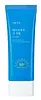
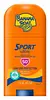
Shingmulnara Oxygen Water Waterproof Sunscreen Versus Banana Boat Ultra Sport Sunscreen Stick SPF 50+
This hybrid sunscreen covers the full UV range, though its SPF isn't confirmed on file yet.
This chemical sunscreen covers most of the UV range, lighter on the deep UVA that drives aging.


What's inside
What's inside
 Key Ingredients
Benefits
Concerns
Ingredients Side-by-side
Water
Skin ConditioningCyclopentasiloxane
Emollient
Zinc Oxide
Cosmetic Colorant


Homosalate
Skin Conditioning
Ethylhexyl Salicylate
UV Absorber
Lauryl Polyglyceryl-3 Polydimethylsiloxyethyl Dimethicone
Skin Conditioning
Butylene Glycol Dicaprylate/Dicaprate
EmollientPropylheptyl Caprylate
EmollientGlycerin
Humectant


Niacinamide
Smoothing








Dipropylene Glycol
HumectantMethyl Methacrylate Crosspolymer
Titanium Dioxide
Cosmetic Colorant
Diethylamino Hydroxybenzoyl Hexyl Benzoate
UV Filter
Butyloctyl Salicylate
Skin Conditioning
Bis-Ethylhexyloxyphenol Methoxyphenyl Triazine
UV Absorber
Aloe Barbadensis Leaf Extract
Emollient
Curcuma Longa Root Extract
Antioxidant

Salvia Hispanica Seed Extract
Emollient
Adansonia Digitata Seed Oil
Emollient


Calendula Officinalis Flower Extract
Masking
Anthemis Nobilis Flower Extract
Masking
Moringa Oleifera Seed Oil
Emollient

Bambusa Arundinacea Stem Extract
Skin ConditioningOenothera Biennis Oil
Emollient
Portulaca Oleracea Extract
Skin Conditioning
Centella Asiatica Extract
Cleansing
Houttuynia Cordata Extract
Skin Conditioning
Disteardimonium Hectorite
StabilisingMagnesium Sulfate
1,2-Hexanediol
Skin Conditioning
Calcium Aluminum Borosilicate
Sorbitan Caprylate
EmulsifyingPolyglyceryl-6 Polyricinoleate
Emulsifying
Triethoxycaprylylsilane
Mica
Cosmetic ColorantStearic Acid
Cleansing
Aluminum Hydroxide
EmollientGlyceryl Caprylate
EmollientButylene Glycol
Humectant
Ethylhexylglycerin
Skin ConditioningAdenosine
Skin Conditioning
Panthenol
Skin Conditioning
Saccharide Hydrolysate
HumectantSodium Hyaluronate
Humectant
Propanediol
Solvent
Tocopherol
Antioxidant
Pentylene Glycol
Skin Conditioning
Oxygen
Skin ConditioningParfum
Masking

Water, Cyclopentasiloxane, Zinc Oxide, Homosalate, Ethylhexyl Salicylate, Lauryl Polyglyceryl-3 Polydimethylsiloxyethyl Dimethicone, Butylene Glycol Dicaprylate/Dicaprate, Propylheptyl Caprylate, Glycerin, Niacinamide, Dipropylene Glycol, Methyl Methacrylate Crosspolymer, Titanium Dioxide, Diethylamino Hydroxybenzoyl Hexyl Benzoate, Butyloctyl Salicylate, Bis-Ethylhexyloxyphenol Methoxyphenyl Triazine, Aloe Barbadensis Leaf Extract, Curcuma Longa Root Extract, Salvia Hispanica Seed Extract, Adansonia Digitata Seed Oil, Calendula Officinalis Flower Extract, Anthemis Nobilis Flower Extract, Moringa Oleifera Seed Oil, Bambusa Arundinacea Stem Extract, Oenothera Biennis Oil, Portulaca Oleracea Extract, Centella Asiatica Extract, Houttuynia Cordata Extract, Disteardimonium Hectorite, Magnesium Sulfate, 1,2-Hexanediol, Calcium Aluminum Borosilicate, Sorbitan Caprylate, Polyglyceryl-6 Polyricinoleate, Triethoxycaprylylsilane, Mica, Stearic Acid, Aluminum Hydroxide, Glyceryl Caprylate, Butylene Glycol, Ethylhexylglycerin, Adenosine, Panthenol, Saccharide Hydrolysate, Sodium Hyaluronate, Propanediol, Tocopherol, Pentylene Glycol, Oxygen, Parfum
Butyl Methoxydibenzoylmethane 2.7%
UV Absorber
Homosalate 9%
Skin Conditioning
Ethylhexyl Salicylate 4.5%
UV Absorber
Octocrylene 9%
UV Absorber
Ozokerite
Emulsion StabilisingCaprylic/Capric Triglyceride
Masking
Ethylhexyl Palmitate
Emollient
Diisopropyl Adipate
EmollientCetyl Alcohol
Emollient
Theobroma Cacao Seed Butter
Emollient
Dimethicone
Emollient
PEG-8
HumectantCaprylyl Glycol
Emollient
Silica
Abrasive
Lauryl PEG-8 Dimethicone
Surfactant
Methyl Dihydroabietate
Phenylisopropyl Dimethicone
Skin Conditioning
Polyglyceryl-3 Stearate/Isostearate/Dimer Dilinoleate Crosspolymer
HumectantButyl Methoxydibenzoylmethane 2.7%, Homosalate 9%, Ethylhexyl Salicylate 4.5%, Octocrylene 9%, Ozokerite, Caprylic/Capric Triglyceride, Ethylhexyl Palmitate, Diisopropyl Adipate, Cetyl Alcohol, Theobroma Cacao Seed Butter, Dimethicone, PEG-8, Caprylyl Glycol, Silica, Lauryl PEG-8 Dimethicone, Methyl Dihydroabietate, Phenylisopropyl Dimethicone, Polyglyceryl-3 Stearate/Isostearate/Dimer Dilinoleate Crosspolymer
Reviews
Ingredients Explained
These ingredients are found in both products.
Ingredients higher up in an ingredient list are typically present in a larger amount.
Ethylhexyl Salicylate (also called Octisalate or Octyl Salicylate) is an oil-soluble organic UV filter that's been used in sunscreen since the 1950's.
It absorbs UVB light in the 280-320 nm range with a peak absorbance around 306 nm.
You'll often see it paired with other UV filters to boost overall SPF because octisalate is a fairly week filter on its own.
The reason you'll see it so often is because it can help solubilize and stabilize the trickier filters like oxybenzone and avobenzone.
Unlike these filters, octisalate has pretty good photostability and doesn't create skin-damaging free radicals when exposed to sunlight.
The fatty-alcohol part of the molecule also gives it a light, emollient feel so it doubles as a nice texture enhancer.
Usage levels vary around the world:
Safety-wise, this ingredient has a pretty reassuring track record. The EU's Scientific Committee on Consumer Products (SCCP) found very low skin penetration in human skin tests and negative results for irritation, phototoxicity, and photoallergy.
The real-world allergy risk is pretty low too; a 2012 European study of 1,031 people recorded only 2 reactions to it (a rate of 0.19%).
You might have seen scary headlines about sunscreen getting into your blood.
In 2019, the FDA found that several chemical filters can absorb through the skin and show up in the bloodstream at small but measurable levels.
Here's the important part: these tiny levels are just a cutoff the FDA uses to decide which ingredients need more testing and doesn't mean anything harmful was found.
The researchers were clear that the results are no reason to stop wearing sunscreen.
Learn more about Ethylhexyl SalicylateHomosalate is an oil-soluble organic UVB filter that has been a sunscreen staple for decades. Its job is to absorb UVB rays (~295-315 nm) and protect your skin against sunburn,
This is one of the more photostable organic UV filters; it holds up pretty well under UV and a 2022 quantum-chemistry study found it stays stable in sunlight.
It's actually so reliable that formulators often pair it with shakier ingredients like oxybenzone and avobenzone. Formulators also use it to help dissolve the other UV filters into the oil phase.
One thing to keep in mind: "stable" isn't the same as "strong". On its own, homosalate is actually a pretty weak UV filter so it's better off as a helpful team player that helps boost overall SPF protection.
The safety picture is a bit nuanced but not scary.
This ingredient has a long track record of being gentle and regulators agree it isn't an irritant; EU's Scientific Committee on Consumer Safety found that homosalate is not considered a skin irritant and doesn't raise eye-irritation flags either.
There's talk about homosalate because your skin absorbs a little bit of it into your bloodstream. A 2020 FDA-backed study found homosalate showed up in people's blood levels at the level where the FDA decides to double check.
The EU's Scientific Committee on Consumer Safety (SCCS) also found small amounts in blood and breast milk. They estimated that about 5% of what you apply gets absorbed through the skin.
Due to the debate about whether it might mess with hormones, the SCCS recommended a maximum limit of 0.5% in most products of 7.3% in face creams/pump sprays.
One important thing to keep in mind: in the US, Homosalate is currently labeled "non-GRASE" by the FDA. This sounds alarming but really just means the FDA wants more data to confirm it's safe. It's not confidently saying this ingredient is harmful.
As of now, homosalate is still completely legal and widely used while that research gets done.
The current maximum limits are:
Learn more about Homosalate

