
What's inside
What's inside
 Key Ingredients
No key ingredients
Benefits
Concerns
Ingredients Side-by-side
Water
Skin ConditioningGlyceryl Stearate
Emollient

Cetearyl Alcohol
Emollient




Butyrospermum Parkii Butter
Skin Conditioning

Stearyl Alcohol
Emollient
Glycerin
Humectant
Parfum
Masking


Cetrimonium Chloride
Antimicrobial
Panthenol
Skin Conditioning

Limnanthes Alba Seed Oil
Skin Conditioning
Argania Spinosa Kernel Oil
Emollient

Saccharum Officinarum Extract
MoisturisingAlthaea Officinalis Root Extract
Skin Conditioning
Aloe Barbadensis Leaf Juice
Skin Conditioning
Persea Gratissima Oil
Skin Conditioning
Adansonia Digitata Seed Oil
Emollient
Hydrolyzed Rice Protein
Skin ConditioningHydrolyzed Soy Protein
Humectant
Sodium Lauroyl Hydrolyzed Silk
Skin ConditioningBisabolol
Antioxidant
Tocopherol
Antioxidant


Glycine Soja Oil
Emollient
Sodium Hydroxide
BufferingTriethyl Citrate
Masking
Caprylyl Glycol
Emollient
Benzoic Acid
Masking
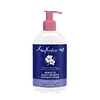
Water, Glyceryl Stearate, Cetearyl Alcohol, Butyrospermum Parkii Butter, Stearyl Alcohol, Glycerin, Parfum, Cetrimonium Chloride, Panthenol, Limnanthes Alba Seed Oil, Argania Spinosa Kernel Oil, Saccharum Officinarum Extract, Althaea Officinalis Root Extract, Aloe Barbadensis Leaf Juice, Persea Gratissima Oil, Adansonia Digitata Seed Oil, Hydrolyzed Rice Protein, Hydrolyzed Soy Protein, Sodium Lauroyl Hydrolyzed Silk, Bisabolol, Tocopherol, Glycine Soja Oil, Sodium Hydroxide, Triethyl Citrate, Caprylyl Glycol, Benzoic Acid
Water
Skin ConditioningCetyl Alcohol
Emollient
Brassica Alcohol
Emollient
Propanediol
Solvent
Stearyl Alcohol
Emollient
Cetearyl Alcohol
Emollient
Persea Gratissima Oil
Skin Conditioning
Prunus Amygdalus Dulcis Oil
Skin Conditioning
Rosa Canina Fruit Oil
Emollient
Argania Spinosa Kernel Oil
Emollient
Aloe Barbadensis Leaf Juice
Skin Conditioning
Panthenol
Skin Conditioning
Leuconostoc/Radish Root Ferment Filtrate
Antimicrobial
Biotin
AntiseborrhoeicHydrolyzed Corn Protein
Skin ConditioningHydrolyzed Wheat Protein
Skin ConditioningHydrolyzed Soy Protein
Humectant
Panax Ginseng Root Extract
Emollient
Calendula Officinalis Flower Extract
Masking
Laurus Nobilis Leaf Extract
MaskingPalmaria Palmata Extract
Skin Protecting
Santalum Album Oil
Masking
Amyris Balsamifera Bark Oil
Masking
Pogostemon Cablin Leaf Oil
Masking
Elettaria Cardamomum Seed Oil
Masking
Ferula Galbaniflua Resin Oil
Antimicrobial
Guar Hydroxypropyltrimonium Chloride
Skin ConditioningCetyl Esters
Emollient
Isododecane
EmollientCetrimonium Chloride
Antimicrobial
Behentrimonium Methosulfate
SurfactantBrassicyl Isoleucinate Esylate
Emulsion StabilisingCitric Acid
Buffering
Isopropyl Myristate
Emollient
Butylene Glycol
Humectant
Glycerin
Humectant
Parfum
Masking
Sodium Hydroxide
BufferingDehydroacetic Acid
Preservative
Benzyl Alcohol
Perfuming
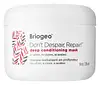
Water, Cetyl Alcohol, Brassica Alcohol, Propanediol, Stearyl Alcohol, Cetearyl Alcohol, Persea Gratissima Oil, Prunus Amygdalus Dulcis Oil, Rosa Canina Fruit Oil, Argania Spinosa Kernel Oil, Aloe Barbadensis Leaf Juice, Panthenol, Leuconostoc/Radish Root Ferment Filtrate, Biotin, Hydrolyzed Corn Protein, Hydrolyzed Wheat Protein, Hydrolyzed Soy Protein, Panax Ginseng Root Extract, Calendula Officinalis Flower Extract, Laurus Nobilis Leaf Extract, Palmaria Palmata Extract, Santalum Album Oil, Amyris Balsamifera Bark Oil, Pogostemon Cablin Leaf Oil, Elettaria Cardamomum Seed Oil, Ferula Galbaniflua Resin Oil, Guar Hydroxypropyltrimonium Chloride, Cetyl Esters, Isododecane, Cetrimonium Chloride, Behentrimonium Methosulfate, Brassicyl Isoleucinate Esylate, Citric Acid, Isopropyl Myristate, Butylene Glycol, Glycerin, Parfum, Sodium Hydroxide, Dehydroacetic Acid, Benzyl Alcohol
Reviews
Ingredients Explained
These ingredients are found in both products.
Ingredients higher up in an ingredient list are typically present in a larger amount.
Aloe Barbadensis Leaf Juice is the filtered, stabilized liquid pressed from the inner gel of the aloe vera leaf.
In cosmetics, it shows up as either soothing active or a water-replacement base. It is roughly 98-99% water and the last 1-2% is an interesting mix of polysaccharides, amino acids, vitamins, minerals, and enzymes.
The polysaccharides do most of the work: they bind water at the skin surface for a light, non-greasy hydration boost. And one of the polysaccharides, glycomannan, is linked to fibroblast stimulation + collagen synthesis. This is also why aloe has such a long track record in wound and burn healing.
This ingredient is also calming with anti-inflammatory and mild antimicrobial activity, making it a great pick for sensitive, irritated, or post-sun skin.
Realistic expectations matter though; the solid evidence is mostly limited to hydration, soothing, and wound support. Deeper claims about anti-aging or sun protection are not well backed, and science reviews note it does not prevent radiation-induced skin injury.
Because it plays well with almost everything, it's commonly used as a base alongside other actives like niacinamide or vitamin C.
Typical usage concentrations range from 0.5% (where hydration benefits already show up) all the way to 90%+ (where it replaces water as the main base).
The safety for this ingredient is well-establish as well. Overall, this is a great supporting ingredient for those who want a boost in hydration.
Learn more about Aloe Barbadensis Leaf JuiceYou may know this ingredient as argan oil. It has emollient and skin conditioning properties that help soften skin and reinforce the lipid barrier.
The fatty acid profile of argan oil is roughly 45-55% oleic acid, 28-36% linoleic acid, 10-15% palmitic acid, and 5-7% stearic acid. It also contains vitamin E, sterols, squalene, and polyphenols like ferulic acid.
Two clinical studies in postmenopausal women found that applying argan oil for 60 days significantly improved skin elasticity and moisturization (reduced transepidermal water loss and increased epidermal water content).
Since it is high in oleic and linoleic acid, this ingredient may not be fungal acne safe. Both of these fall in the C11-C24 range that Malassezia yeast can metabolize.
Learn more about Argania Spinosa Kernel OilCetearyl alcohol is a waxy mixture of two fatty alcohols: cetyl alcohol and stearyl alcohol. It is an emollient and emulsifier.
Despite having "alcohol" in its name, it has nothing to do with drying solvent alcohols; the FDA also allows "alcohol-free" products to contain fatty alcohols like this ingredient.
It plays several roles in a formula:
Typical use levels for this ingredient sit around 1-10% and the Cosmetic Ingredient Review Expert Panel has affirmed safety at concentrations up to 25% in leave-on products.
Multiple assessments have found it to be non-irritating and non-sensitizing to most people.
However, there have been some cases of allergic contact dermatitis in patients with chronically compromised skin barriers.
Cetearyl alcohol has a comedogenic rating of 2 and irritancy rating of 1. Both of these numbers come from the 1989 study that used rabbit ears; a "2" means mildly comedogenic and a "1" means low irritancy.
Here's the catch: rabbit skin is more sensitive than human skin and throws a lot of false positives. A 1996 reappraisal found that ingredients rated 1-2 in the rabbit ear tests are generally safe for humans.
Remember comedogenic ratings are unable to assess the entire formula of a product or how it will react on your skin. Just be sure to patch test if you are unsure about certain ingredients.
This ingredient is not fungal acne safe. Cetearyl alcohol is a fatty alcohol with chain lengths that fall within the range that Malassezia can metabolize.
A 2019 study has also observed Malassezia growth in the presence of this ingredient, confirming it to be not-fungal acne safe.
Learn more about Cetearyl AlcoholThis ingredient is a preservative, antimicrobial, and emulsifier. It is often used in cosmetics for its ability to cleanse, condition, and reduce static.
Cetrimonium chloride is a quaternary ammonium salt, meaning it has a water-soluble structure.
Glycerin (or glycerol) is a compound naturally found in your skin. It's a powerhouse humectant that pulls water into the stratum corneum.
Topically, glycerin does several things at once:
Your skin makes glycerin on its own (mostly from sebaceous oil breakdown) and shuttles it to your outermost layer of skin, or your epidermis, via aquaporin-3.
Aquaporin-3 is a transporter that is essential for normal skin hydration, elasticity, and repair. Interestingly, mice lacking in AQP3 have dry and less elastic skin that can be fully corrected with glycerin.
This ingredient is non-irritating, plays well with almost every ingredient, and works across all skin types. Typical use is anywhere between 3-10% but can go up to 79% in some leave-on products.
Just know very high concentrations (>40%) can feel tacky in low humidity.
Glycerin is the name for this ingredient in American English. British English uses Glycerol/Glycerine.
Learn more about GlycerinHydrolyzed Soy Protein is a water-soluble blend of peptides and amino acids made by breaking down the protein from soybeans into smaller proteins.
It's the most widely used hydrolyzed vegetable protein in cosmetics and it acts mainly as a skin and hair conditioning agent.
The smaller fragments are water-loving so it forms a thin, moisture-retentive film on skin that helps reduce water loss and leaves things feeling softer and smoother.
You'll often see it credited with "firming" or "anti-aging" benefits as well; this claim traces back to lab research like Tokudome et al. (2012). This study added low-molecular-weight soybean peptides to cultured human skin fibroblasts and saw increased type I collagen gene expression + collagen content.
The caveat is that this is in-vitro and oral-peptide research so the only solid, well-established role for the topical ingredient is skin conditioning.
Typical use concentrations go up to 3.5% in mascara but this ingredient is typically used at low levels well under 1%.
It has a reassuring safety profile as well; it's not a skin irritant in testing up to 20% and has limited skin penetration due to its large size and water-loving nature.
Anyone with a known soy allergy should definitely patch test or skip this ingredient. There's also a single case of a soy-containing product aggravating rosacea via protein contact dermatitis, but this is very rare.
Learn more about Hydrolyzed Soy ProteinPanthenol is a common ingredient that helps hydrate and soothe the skin. It is found naturally in our skin and hair.
There are two forms of panthenol: D and L.
D-panthenol is also known as dexpanthenol. Most cosmetics use dexpanthenol or a mixture of D and L-panthenol.
Panthenol is famous due to its ability to go deeper into the skin's layers. Using this ingredient has numerous pros (and no cons):
Like hyaluronic acid, panthenol is a humectant. Humectants are able to bind and hold large amounts of water to keep skin hydrated.
This ingredient works well for wound healing. It works by increasing tissue in the wound and helps close open wounds.
Once oxidized, panthenol converts to pantothenic acid. Panthothenic acid is found in all living cells.
This ingredient is also referred to as pro-vitamin B5.
Learn more about PanthenolParfum is a catch-all term for an ingredient or more that is used to give a scent to products.
Also called "fragrance", this ingredient can be a blend of hundreds of chemicals or plant oils. This means every product with "fragrance" or "parfum" in the ingredients list is a different mixture.
For instance, Habanolide is a proprietary trade name for a specific aroma chemical. When used as a fragrance ingredient in cosmetics, most aroma chemicals fall under the broad labeling category of “FRAGRANCE” or “PARFUM” according to EU and US regulations.
The term 'parfum' or 'fragrance' is not regulated in many countries. In many cases, it is up to the brand to define this term.
For instance, many brands choose to label themselves as "fragrance-free" because they are not using synthetic fragrances. However, their products may still contain ingredients such as essential oils that are considered a fragrance by INCI standards.
One example is Calendula flower extract. Calendula is an essential oil that still imparts a scent or 'fragrance'.
Depending on the blend, the ingredients in the mixture can cause allergies and sensitivities on the skin. Some ingredients that are known EU allergens include linalool and citronellol.
Parfum can also be used to mask or cover an unpleasant scent.
The bottom line is: not all fragrances/parfum/ingredients are created equally. If you are worried about fragrances, we recommend taking a closer look at an ingredient. And of course, we always recommend speaking with a professional.
Learn more about ParfumThis ingredient is also known as Avocado oil. It's the cold-pressed oil from the flesh of the avocado fruit packed with fatty acids (mostly oleic acid).
The rich fatty acid profile allows it to function as a skin conditioning agent and emollient; it helps soften and smooth skin while reducing water loss.
Preclinical research has found that topical avocado oil increased collagen synthesis and reduced inflammation during wound healing, giving it some skin-repairing credibility.
The unsaponifiable fraction of the oil is also interesting: studies on avocado unsaponifiables showed that it helped skin produce more collagen and other structural compounds that support healing.
The CIR Expert Panel has found this ingredient to be non-irritating in formulations.
It's a great ingredient for dry or compromised skin. Just know it may not be fungal acne safe. This is because the oleic acid content falls within the range that Malassezia can use as a food source.
Learn more about Persea Gratissima OilSodium Hydroxide is also known as lye or caustic soda. It is used to adjust the pH of products; many ingredients require a specific pH to be effective.
In small amounts, sodium hydroxide is considered safe to use. However, large amounts may cause chemical burns due to its high alkaline.
Your skin has a natural pH and acid mantle. This acid mantle helps prevent harmful bacteria from breaking through. The acid mantle also helps keep your skin hydrated.
"Alkaline" refers to a high pH level. A low pH level would be considered acidic.
Learn more about Sodium HydroxideStearyl Alcohol is a type of fatty alcohol from stearic acid. It is a white, waxy compound used to emulsify ingredients used as an emollient or to thicken a product.
Emollients help soothe and hydrate the skin by trapping moisture.
Fatty alcohols are usually derived from natural fats and oils and therefore do not have the same drying or irritating effect as solvent (ethanol) alcohols.
The FDA allows products labeled "alcohol-free" to have fatty alcohols.
This ingredient may not be fungal acne safe. It is a primary fatty alcohol with a chain length above 12 carbons. A study from 2019 show Malassezia can feed on fatty alcohols in this range, so it may trigger fungal acne in those prone to it.
Learn more about Stearyl AlcoholWater. It's the most common cosmetic ingredient of all. You'll usually see it at the top of ingredient lists, meaning that it makes up the largest part of the product.
So why is it so popular? Water most often acts as a solvent - this means that it helps dissolve other ingredients into the formulation.
You'll also recognize water as that liquid we all need to stay alive. If you see this, drink a glass of water. Remember to stay hydrated!
Learn more about Water

