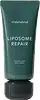
This barrier-repair moisturizer is formulated around Urea and Copper Tripeptide-1 to strengthen the skin barrier and hydrate skin.
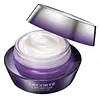
This barrier-repair moisturizer is formulated around Hydrogenated Lecithin and Adenosine to strengthen the skin barrier and soften the look of wrinkles.


What's inside
What's inside
 Key Ingredients
Benefits
Concerns
Ingredients Side-by-side
Water
Skin ConditioningCyclopentasiloxane
Emollient
Propylene Glycol Dicaprylate/Dicaprate
EmollientCaprylic/Capric Triglyceride
Masking


Urea
Buffering


Di-C12-13 Alkyl Malate
EmollientDiisostearyl Malate
EmollientGlycerin
Humectant
Dipropylene Glycol
HumectantButylene Glycol
Humectant
Dimethicone
Emollient
Polyglyceryl-6 Polyricinoleate
Emulsifying
PEG-10 Dimethicone
Skin Conditioning
Cyclohexasiloxane
Emollient
Adenosine
Skin Conditioning

Acetyl Hexapeptide-8
Humectant
Copper Tripeptide-1
Skin Conditioning
Ceramide NP
Skin Conditioning

Panthenol
Skin Conditioning
Vitis Vinifera Fruit Cell Extract
Skin ConditioningAnastatica Hierochuntica Extract
AstringentFerulic Acid
Antimicrobial

Phaseolus Radiatus Seed Extract
Skin ConditioningBeta-Glucan
Skin Conditioning
Tocopherol
Antioxidant

Glyceryl Glucoside
Humectant
Glucose
Humectant
Ethylhexylglycerin
Skin ConditioningRumex Crispus Root Extract
Skin ConditioningButyrospermum Parkii Butter
Skin Conditioning


Betula Platyphylla Japonica Bark Extract
Skin ConditioningCitrus Paradisi Fruit Extract
Skin ConditioningSodium Chloride
MaskingTri-C14-15 Alkyl Citrate
EmollientPropylene Carbonate
SolventHydrogenated Lecithin
Emulsifying
Lecithin
Emollient
Disodium EDTA
Chelating1,2-Hexanediol
Skin Conditioning
Caprylhydroxamic Acid
ChelatingDisteardimonium Hectorite
StabilisingParfum
Masking


Benzyl Benzoate
Antimicrobial
Benzyl Salicylate
Perfuming
Citronellol
Perfuming
Limonene
Perfuming
Hexyl Cinnamal
Perfuming
Butylphenyl Methylpropional
Perfuming
Linalool
Perfuming
Water, Cyclopentasiloxane, Propylene Glycol Dicaprylate/Dicaprate, Caprylic/Capric Triglyceride, Urea, Di-C12-13 Alkyl Malate, Diisostearyl Malate, Glycerin, Dipropylene Glycol, Butylene Glycol, Dimethicone, Polyglyceryl-6 Polyricinoleate, PEG-10 Dimethicone, Cyclohexasiloxane, Adenosine, Acetyl Hexapeptide-8, Copper Tripeptide-1, Ceramide NP, Panthenol, Vitis Vinifera Fruit Cell Extract, Anastatica Hierochuntica Extract, Ferulic Acid, Phaseolus Radiatus Seed Extract, Beta-Glucan, Tocopherol, Glyceryl Glucoside, Glucose, Ethylhexylglycerin, Rumex Crispus Root Extract, Butyrospermum Parkii Butter, Betula Platyphylla Japonica Bark Extract, Citrus Paradisi Fruit Extract, Sodium Chloride, Tri-C14-15 Alkyl Citrate, Propylene Carbonate, Hydrogenated Lecithin, Lecithin, Disodium EDTA, 1,2-Hexanediol, Caprylhydroxamic Acid, Disteardimonium Hectorite, Parfum, Benzyl Benzoate, Benzyl Salicylate, Citronellol, Limonene, Hexyl Cinnamal, Butylphenyl Methylpropional, Linalool
Water
Skin ConditioningButylene Glycol
Humectant
Hydrogenated Polydecene
EmollientGlycerin
Humectant
Limnanthes Alba Seed Oil
Skin Conditioning
Hydrogenated Lecithin
Emulsifying
Diphenylsiloxy Phenyl Trimethicone
Skin Conditioning
Cetearyl Alcohol
Emollient
Adenosine
Skin Conditioning
Arginine
Masking
Betula Platyphylla Japonica Juice
Skin Conditioning
Camellia Sinensis Leaf Extract
Antimicrobial

Dimethylsilanol Hyaluronate
Humectant
Glycyrrhiza Glabra Leaf Extract
Skin ConditioningHydroxyproline
Skin ConditioningRhodomyrtus Tomentosa Fruit Extract
HumectantTocopherol
Antioxidant
Tremella Fuciformis Extract
Humectant
Vitis Vinifera Fruit Extract
Skin ConditioningBehenyl Alcohol
Emollient
Carbomer
Emulsion StabilisingDimethicone
Emollient
Disodium EDTA
ChelatingDisodium Succinate
MaskingEctoin
Skin Conditioning
Hydrogenated Polyisobutene
EmollientLauryl Polyglyceryl-3 Polydimethylsiloxyethyl Dimethicone
Skin Conditioning
Phytosterols
Skin Conditioning
Phytosteryl Macadamiate
Skin Conditioning
Phytosteryl Oleate
Skin ConditioningPhytosteryl/Behenyl/Octyldodecyl Lauroyl Glutamate
Skin ConditioningPolyglycerin-3
Humectant
Sodium Hydroxide
BufferingSodium Methyl Stearoyl Taurate
CleansingSuccinic Acid
BufferingXanthan Gum
EmulsifyingPhenoxyethanol
Preservative
Parfum
Masking
Hexyl Cinnamal
Perfuming
Limonene
Perfuming
Linalool
Perfuming
Water, Butylene Glycol, Hydrogenated Polydecene, Glycerin, Limnanthes Alba Seed Oil, Hydrogenated Lecithin, Diphenylsiloxy Phenyl Trimethicone, Cetearyl Alcohol, Adenosine, Arginine, Betula Platyphylla Japonica Juice, Camellia Sinensis Leaf Extract, Dimethylsilanol Hyaluronate, Glycyrrhiza Glabra Leaf Extract, Hydroxyproline, Rhodomyrtus Tomentosa Fruit Extract, Tocopherol, Tremella Fuciformis Extract, Vitis Vinifera Fruit Extract, Behenyl Alcohol, Carbomer, Dimethicone, Disodium EDTA, Disodium Succinate, Ectoin, Hydrogenated Polyisobutene, Lauryl Polyglyceryl-3 Polydimethylsiloxyethyl Dimethicone, Phytosterols, Phytosteryl Macadamiate, Phytosteryl Oleate, Phytosteryl/Behenyl/Octyldodecyl Lauroyl Glutamate, Polyglycerin-3, Sodium Hydroxide, Sodium Methyl Stearoyl Taurate, Succinic Acid, Xanthan Gum, Phenoxyethanol, Parfum, Hexyl Cinnamal, Limonene, Linalool
Reviews
Ingredients Explained
These ingredients are found in both products.
Ingredients higher up in an ingredient list are typically present in a larger amount.
Adenosine is a purine nucleoside that your body already makes in every cell. In skincare, it acts mainly as a skin conditioning and anti-aging agent.
The way it works is fairly well mapped out:
Your skin has cells called fibroblasts that build collagen (the stuff that keeps skin firm and smooth). Adenosine basically flips a switch on these cells that tells them to get to work making more collagen and other proteins. These cells slow down on their own as skin ages, so Adenosine helps give them a little nudge to keep going.
The clinical backing is pretty solid too.
A blind, randomized, placebo-controlled trial of 126 women aged 45-65 tested a 0.1% cream twice daily and found real improvements in crow's feet and frown lines using a precise 3D skin-mapping technique; these changes showed up by week 3 and held at 2 months.
A later study using Adenosine-loaded dissolving microneedle patches reported gains in wrinkle depth, dermal density, elasticity, and hydration.
On concentrations, South Korea's Ministry of Food and Drug Safety has set 0.04% as the approved functional anti-wrinkle level. You'll typically see this ingredient used somewhere in the 0.04-0.1% range since it works at low doses.
This ingredient has been found safe for cosmetics with the data showing no irritation or sensitization.
Overall, this is a great ingredient for any anti-aging routine and has no photosensitizing effect, so it suits both AM and PM use.
Learn more about AdenosineButylene Glycol (or BG) is used within cosmetic products for a few different reasons:
Overall, Butylene Glycol is a safe and well-rounded ingredient that works well with other ingredients.
Though this ingredient works well with most skin types, some people with sensitive skin may experience a reaction such as allergic rashes, closed comedones, or itchiness.
Learn more about Butylene GlycolDimethicone is a type of synthetic silicone created from natural materials such as quartz. It is also known as polydimethylsiloxane.
What it does:
Dimethicone comes in different viscosities:
Depending on the viscosity, dimethicone has different properties.
Ingredients lists don't always show which type is used, so we recommend reaching out to the brand if you have questions about the viscosity.
This ingredient is unlikely to cause irritation because it does not get absorbed into skin. However, people with silicone allergies should be careful about using this ingredient.
Note: Dimethicone may contribute to pilling. This is because it is not oil or water soluble, so pilling may occur when layered with products. When mixed with heavy oils in a formula, the outcome is also quite greasy.
Learn more about DimethiconeDisodium EDTA is a chelating agent. It grabs onto and deactivates metal ions that sneak into your products from water, packaging, or air.
This ingredient mainly works behind the scenes and helps with:
On top of that, this ingredient can counteract the effects of hard water by binding to the minerals in it.
One thing worth knowing is that Disodium EDTA has been shown to be a mild penetration enhancer. It can help other ingredients absorb into skin more effectively which can be a double-edged sword (great for actives, but can also make the active too strong if you have sensitive skin).
Clinical patch testing showed no significant skin irritation at typical use concentrations and minimal dermal absorption.
You'll most likely see this ingredient near the end of an ingredient list. It's typically found in concentrations less than 1%.
Learn more about Disodium EDTAGlycerin (or glycerol) is a compound naturally found in your skin. It's a powerhouse humectant that pulls water into the stratum corneum.
Topically, glycerin does several things at once:
Your skin makes glycerin on its own (mostly from sebaceous oil breakdown) and shuttles it to your outermost layer of skin, or your epidermis, via aquaporin-3.
Aquaporin-3 is a transporter that is essential for normal skin hydration, elasticity, and repair. Interestingly, mice lacking in AQP3 have dry and less elastic skin that can be fully corrected with glycerin.
This ingredient is non-irritating, plays well with almost every ingredient, and works across all skin types. Typical use is anywhere between 3-10% but can go up to 79% in some leave-on products.
Just know very high concentrations (>40%) can feel tacky in low humidity.
Glycerin is the name for this ingredient in American English. British English uses Glycerol/Glycerine.
Learn more about GlycerinHexyl Cinnamal is a fragrance ingredient with a similar scent to jasmine. It can be naturally found in chamomile essential oil.
This ingredient is a known EU allergen and may sensitize the skin. The EU requires this ingredient to be listed separately on an ingredients list.
Hexyl Cinnamal is not water soluble but is soluble in oils.
Learn more about Hexyl CinnamalHydrogenated Lecithin is a more stable version of lecithin.
It's made by taking lecithin (a phospholipid commonly found in soybeans and egg yolks) and hydrogenating it. This just means the unsaturated fatty acids are turned into saturated ones so they don't go bad as easily.
This ingredient is an emollient, emulsifier, and penetration enhancer. As an emollient, it helps soften and hydrate skin by trapping moisture within. As an emulsifier, it prevents oil and water ingredients from separating.
Hydrogenated Lecithin can form tiny spherical structures made of phospholipid bilayers called liposomes. These liposomes are able to capture compounds inside their structure and deliver them through the skin barrier.
Because phospholipids are a natural component of our cell membranes, this ingredient is inherently compatible with skin.
A 2021 study found lecithin-based surfactants were less harsh and more tolerable comared to Sodium Lauryl Sulfate (SLS).
Learn more about Hydrogenated LecithinLimonene is the compound that gives citrus peel its smell.
In skincare, it shows up as a standalone fragrance ingredient or as a natural compound of citrus and other essential oils.
You'll typically see this ingredient used in very small amounts; anything above 0.001% in a leave-on product or 0.01% in a rinse-off has to be named on the label in the EU. The citrus oils that carry it sit around 0.5-1% in a finished formula.
Fresh limonene is a weak allergen; the real issue is that it slowly reacts with air and then breaks down from oxidation to create hydroperoxides (which are strong sensitizers). This is why suppliers are required to keep the peroxide value below 20 mmol.
Positive reactions in people being investigated for eczema vary:
It's worth skipping if you have a known fragrance allergy or a compromised barrier, but the risk is low for most people.
Older or long-opened products are also more likely to bother you than fresh ones due to oxidation.
Learn more about LimoneneLinalool is a small, naturally occurring scent molecule found in plants like lavender, coriander, bergamot, and more.
It is one of the two most-used fragrance ingredients in cosmetics and added purely for smell. Since it's not used for a skin benefit, there's no "effective dose". Concentration depends on the fragrance load of the product.
The EU requires it to be named on the label above 0.001% in leave-on and 0.01% in rinse-off products.
Fresh linalool is a weak sensitizer but air exposure turns some of it into hydroperoxides, which are strong sensitizers. Those oxidation products are the actual allergy concern.
Patch-test clinics see positive reactions to linalool hydroperoxides in about 4% to 12% of dermatitis patients depending on country and test concentration.
Resassuringly, one analytical study found hydroperoxide levels in real fragranced products to be orders of magnitude below what induced sensitization in animal studies with no evidence of oxidation building up during normal storage.
The practical takeaway is that linalool is fine for most people but worth avoiding if you have a confirmed fragrance contact allergy or a badly compromised barrier.
Products stored a long time after opening are also the high-risk scenario since that is when oxidation happens.
The scent of linalool is described as floral, spicy tropical, and citrus-like.
Learn more about LinaloolParfum is a catch-all term for an ingredient or more that is used to give a scent to products.
Also called "fragrance", this ingredient can be a blend of hundreds of chemicals or plant oils. This means every product with "fragrance" or "parfum" in the ingredients list is a different mixture.
For instance, Habanolide is a proprietary trade name for a specific aroma chemical. When used as a fragrance ingredient in cosmetics, most aroma chemicals fall under the broad labeling category of “FRAGRANCE” or “PARFUM” according to EU and US regulations.
The term 'parfum' or 'fragrance' is not regulated in many countries. In many cases, it is up to the brand to define this term.
For instance, many brands choose to label themselves as "fragrance-free" because they are not using synthetic fragrances. However, their products may still contain ingredients such as essential oils that are considered a fragrance by INCI standards.
One example is Calendula flower extract. Calendula is an essential oil that still imparts a scent or 'fragrance'.
Depending on the blend, the ingredients in the mixture can cause allergies and sensitivities on the skin. Some ingredients that are known EU allergens include linalool and citronellol.
Parfum can also be used to mask or cover an unpleasant scent.
The bottom line is: not all fragrances/parfum/ingredients are created equally. If you are worried about fragrances, we recommend taking a closer look at an ingredient. And of course, we always recommend speaking with a professional.
Learn more about ParfumTocopherol is a fat-soluble antioxidant known as Vitamin E.
You'll find this ingredient in the vast majority of skincare (for good reason). It works to neutralize free radicals, or unstable molecules generated by UV exposure, pollution, and other environmental stressors, before they can cause oxidative damage to your skin cells.
Topically applied tocopherol has been shown to protect against UV damage by ramping up the skin's own natural defense enzymes.
It also acts as a skin conditioning agent; some studies show that regular topical use can improve the skin's water-binding capacity over 2-4 weeks.
This ingredient is especially loved for being a team player. When combined with Vitamin C, the photoprotective effect of both ingredients roughly doubles and the combo also helps reduce UV-induced DNA damage.
This ingredient has some brightening potential but it's more of a prevention ingredient than spot-fader. Cell studies show it can slow down melanin production but it's worth noting that it's not the most powerful brightener out there.
In formulations, it also serves as a stabilizer that helps protect other oxidation-prone ingredients from degrading.
Concentrations usually range from 0.1-1% in most leave-on products.
Learn more about TocopherolWater. It's the most common cosmetic ingredient of all. You'll usually see it at the top of ingredient lists, meaning that it makes up the largest part of the product.
So why is it so popular? Water most often acts as a solvent - this means that it helps dissolve other ingredients into the formulation.
You'll also recognize water as that liquid we all need to stay alive. If you see this, drink a glass of water. Remember to stay hydrated!
Learn more about Water

