Sensai Cellular Performance Extra Intensive Cream Versus Estée Lauder Advanced Night Repair Supercharged Eye Gel-Cream
This anti-aging moisturizer is formulated around Niacinamide and Acetyl Glucosamine to soften the look of wrinkles.
This barrier-repair eye moisturizer is formulated around Bifida Ferment Lysate and Caffeine to strengthen the skin barrier and soften the look of wrinkles.


What's inside
What's inside
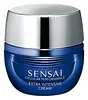 Key Ingredients
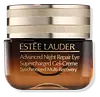
Benefits
Concerns
Ingredients Side-by-side
Water
Skin ConditioningHydrogenated Polydecene
EmollientButylene Glycol
Humectant

Maltitol
HumectantBehenyl Alcohol
Emollient
Sorbeth-6 Beeswax
EmulsifyingGlyceryl Stearate Se
Emulsifying




Polysorbate 65
Emulsifying
Cetyl Palmitate
Emollient
Niacinamide
Smoothing










Stearic Acid
Cleansing
Petrolatum
Emollient

Cera Alba
Emollient
Sodium Stearoyl Glutamate
CleansingPhenoxyethanol
Preservative
Carnitine Hcl
HumectantGlyceryl Stearate
Emollient
Methylserine
Skin ConditioningPolysorbate 80
Emulsifying
Aminobutyric Acid
Ammonium Glycyrrhizate
MaskingChlorphenesin
Antimicrobial
Dimethicone
Emollient
Potassium Hydroxide
BufferingXanthan Gum
EmulsifyingAcetyl Glucosamine
Skin Conditioning
Glycerin
Humectant
Disodium EDTA
ChelatingParfum
Masking

Alcohol
Antimicrobial

Dimethoxy Di-P-Cresol
Antioxidant
Hydrolyzed Silk
Humectant
Limonene
Perfuming
Fucus Serratus Extract
Skin ProtectingHexyl Cinnamal
Perfuming
Nasturtium Officinale Extract
Perfuming
Citronellol
Perfuming
Linalool
Perfuming
Zostera Marina Extract
Skin ConditioningPyracantha Fortuneana Fruit Extract
Skin ConditioningDioscorea Panthaica Root Extract
EmollientPotassium Sorbate
Preservative
BHT
Antioxidant
Tocopherol
Antioxidant
Water, Hydrogenated Polydecene, Butylene Glycol, Maltitol, Behenyl Alcohol, Sorbeth-6 Beeswax, Glyceryl Stearate Se, Polysorbate 65, Cetyl Palmitate, Niacinamide, Stearic Acid, Petrolatum, Cera Alba, Sodium Stearoyl Glutamate, Phenoxyethanol, Carnitine Hcl, Glyceryl Stearate, Methylserine, Polysorbate 80, Aminobutyric Acid, Ammonium Glycyrrhizate, Chlorphenesin, Dimethicone, Potassium Hydroxide, Xanthan Gum, Acetyl Glucosamine, Glycerin, Disodium EDTA, Parfum, Alcohol, Dimethoxy Di-P-Cresol, Hydrolyzed Silk, Limonene, Fucus Serratus Extract, Hexyl Cinnamal, Nasturtium Officinale Extract, Citronellol, Linalool, Zostera Marina Extract, Pyracantha Fortuneana Fruit Extract, Dioscorea Panthaica Root Extract, Potassium Sorbate, BHT, Tocopherol
Water
Skin ConditioningDimethicone
Emollient
Methyl Trimethicone
Skin Conditioning
Bifida Ferment Lysate
Skin Conditioning
Dimethicone/Vinyl Dimethicone Crosspolymer
Skin Conditioning
Propanediol
Solvent
Petrolatum
Emollient
Sucrose
Humectant
Glycerin
Humectant
Butylene Glycol
Humectant
Acrylamide/Sodium Acryloyldimethyltaurate Copolymer
Emulsion StabilisingTrehalose
Humectant
Tripeptide-32
Skin Conditioning
Adansonia Digitata Seed Extract
Skin ConditioningLavandula Angustifolia Flower Extract
Cleansing
Sodium Hyaluronate
Humectant
Lactobacillus Ferment
Skin Conditioning
Tocopheryl Acetate
Antioxidant
Faex Extract
Skin ConditioningHypnea Musciformis Extract
Skin Protecting
Sodium Rna
Skin ConditioningCaffeine
Skin Conditioning
Squalane
Emollient
Anthemis Nobilis Flower Oil
Masking
Poria Cocos Sclerotium Extract
AstringentCitrullus Lanatus Fruit Extract
Skin Conditioning
Lens Esculenta Fruit Extract
Skin ConditioningPyrus Malus Fruit Extract
Skin Conditioning
Ethylhexylglycerin
Skin ConditioningSodium PCA
Humectant
Phytosphingosine
Skin Conditioning
Hydrolyzed Algin
Hordeum Distichon Extract
Skin ProtectingJojoba Esters
Emollient
Triticum Vulgare Germ Oil
Emollient
Hydrogenated Lecithin
Emulsifying
Lecithin
Emollient
Isohexadecane
EmollientJojoba Alcohol
Emollient
Isopropyl Jojobate
EmollientPEG/PPG-18/18 Dimethicone
Emulsifying
Polysorbate 80
Emulsifying
Acrylates/C10-30 Alkyl Acrylate Crosspolymer
Emulsion StabilisingTromethamine
BufferingSorbitan Oleate
Emulsifying
Sodium Lactate
Buffering
Polysorbate 40
Emulsifying
Potassium Gluconate
ChelatingTocopherol
Antioxidant
BHT
Antioxidant
Phenoxyethanol
Preservative
Potassium Sorbate
Preservative
Sodium Benzoate
Masking
CI 77491
Cosmetic ColorantCI 77492
Cosmetic ColorantWater, Dimethicone, Methyl Trimethicone, Bifida Ferment Lysate, Dimethicone/Vinyl Dimethicone Crosspolymer, Propanediol, Petrolatum, Sucrose, Glycerin, Butylene Glycol, Acrylamide/Sodium Acryloyldimethyltaurate Copolymer, Trehalose, Tripeptide-32, Adansonia Digitata Seed Extract, Lavandula Angustifolia Flower Extract, Sodium Hyaluronate, Lactobacillus Ferment, Tocopheryl Acetate, Faex Extract, Hypnea Musciformis Extract, Sodium Rna, Caffeine, Squalane, Anthemis Nobilis Flower Oil, Poria Cocos Sclerotium Extract, Citrullus Lanatus Fruit Extract, Lens Esculenta Fruit Extract, Pyrus Malus Fruit Extract, Ethylhexylglycerin, Sodium PCA, Phytosphingosine, Hydrolyzed Algin, Hordeum Distichon Extract, Jojoba Esters, Triticum Vulgare Germ Oil, Hydrogenated Lecithin, Lecithin, Isohexadecane, Jojoba Alcohol, Isopropyl Jojobate, PEG/PPG-18/18 Dimethicone, Polysorbate 80, Acrylates/C10-30 Alkyl Acrylate Crosspolymer, Tromethamine, Sorbitan Oleate, Sodium Lactate, Polysorbate 40, Potassium Gluconate, Tocopherol, BHT, Phenoxyethanol, Potassium Sorbate, Sodium Benzoate, CI 77491, CI 77492
Reviews
Ingredients Explained
These ingredients are found in both products.
Ingredients higher up in an ingredient list are typically present in a larger amount.
BHT is a synthetic antioxidant and preservative.
As an antioxidant, it helps your body fight off free-radicals. Free-radicals are molecules that may damage your skin cells.
As a preservative, it is used to stabilize products and prevent them from degrading. Specifically, BHT prevents degradation from oxidation.
The concerns related to BHT come from oral studies; this ingredient is currently allowed for use by both the FDA and EU.
However, it was recently restricted for use in the UK as of April 2024.
Learn more about BHTButylene Glycol (or BG) is used within cosmetic products for a few different reasons:
Overall, Butylene Glycol is a safe and well-rounded ingredient that works well with other ingredients.
Though this ingredient works well with most skin types, some people with sensitive skin may experience a reaction such as allergic rashes, closed comedones, or itchiness.
Learn more about Butylene GlycolDimethicone is a type of synthetic silicone created from natural materials such as quartz. It is also known as polydimethylsiloxane.
What it does:
Dimethicone comes in different viscosities:
Depending on the viscosity, dimethicone has different properties.
Ingredients lists don't always show which type is used, so we recommend reaching out to the brand if you have questions about the viscosity.
This ingredient is unlikely to cause irritation because it does not get absorbed into skin. However, people with silicone allergies should be careful about using this ingredient.
Note: Dimethicone may contribute to pilling. This is because it is not oil or water soluble, so pilling may occur when layered with products. When mixed with heavy oils in a formula, the outcome is also quite greasy.
Learn more about DimethiconeGlycerin (or glycerol) is a compound naturally found in your skin. It's a powerhouse humectant that pulls water into the stratum corneum.
Topically, glycerin does several things at once:
Your skin makes glycerin on its own (mostly from sebaceous oil breakdown) and shuttles it to your outermost layer of skin, or your epidermis, via aquaporin-3.
Aquaporin-3 is a transporter that is essential for normal skin hydration, elasticity, and repair. Interestingly, mice lacking in AQP3 have dry and less elastic skin that can be fully corrected with glycerin.
This ingredient is non-irritating, plays well with almost every ingredient, and works across all skin types. Typical use is anywhere between 3-10% but can go up to 79% in some leave-on products.
Just know very high concentrations (>40%) can feel tacky in low humidity.
Glycerin is the name for this ingredient in American English. British English uses Glycerol/Glycerine.
Learn more about GlycerinPetrolatum is more commonly known as petroleum jelly. It is created by mixing waxes and mineral oils.
This ingredient is effective at reducing water loss by 99%. This is because it is an occlusive. Occlusives create a hydrophobic barrier on the skin to prevent evaporation. This property makes it great for hydrating dry skin.
Pro tip: Use occlusives, such as this ingredient, on damp skin for the best results.
The quality or origin of petrolatum is only known when disclosed by the brand. Most cosmetic petrolatum has gone through several purification stages.
Another benefit of occlusives is it protects your skin against infection or allergies.
Petrolatum is fungal acne safe. It is a hydrocarbon with no fatty acid structure, so Malassezia cannot metabolize it. In-vitro studies support negligible growth stimulation as well.
It's also worth noting that petrolatum has a comedogenic rating of 0. In updated rabbit ear testing (and in human testing), petrolatum was found to be not comedogenic. This means it didn’t promote comedone formation in standard models.
Learn more about PetrolatumPhenoxyethanol is one of the most widely used preservatives in skincare (and for good reason!).
It has a large spectrum of antimicrobial activity and especially effective bacteria, yeast, and mold while only having a weak effect on your skin's natural microbiome.
On a cellular level, it disrupts the cell membranes of microbes by poking holes that make the cell leak. This shuts down the chemical reactions the microbe needs to make energy so it can no longer survive.
Another perk of this ingredient is that it stays functional across a wide pH range (3-10).
You'll often see it paired with boosters like Ethylhexylglycerin; one study showed that a 1:9 ratio of Ethylhexylglycerin to Phenoxyethanol damages bacterial membranes as effectively as doubling the Phenoxyethanol concentration on its own.
Typical use concentrations range from 0.3-1% depending on the formula, and this ingredient is capped at 1% int the EU.
Safety-wise, the fear mongering does not hold up to the evidence. The EU's Scientific Committee on Consumer Safety and FDA consider it safe as a preservative at up to 1%, including for children of all ages.
Adverse systemic effects only showed up in animal studies at exposures roughly 200x higher than what people get from cosmetics. And despite its very widespread use, this ingredient is a rare sensitizer and allergic reactions are uncommon.
Learn more about PhenoxyethanolPolysorbate 80 is a synthetic surfactant and emulsifier derived from sorbitol and oleic acid.
It reduces the surface tension between oil and water phases to help them stay mixed and stable in a formulation. In other words, it prevents your formulas from separating into an oily mess.
The CIR Expert Panel has evaluated the scientific data and found this ingredient to be safe, non-irritating, and non-sensitizing at concentrations up to 5% (it's even approved by the FDA as an OTC eye drop ingredient).
Learn more about Polysorbate 80Potassium Sorbate is a preservative used to prevent yeast and mold in products. It is commonly found in both cosmetic and food products.
This ingredient comes from potassium salt derived from sorbic acid. Sorbic acid is a natural antibiotic and effective against fungus.
Both potassium sorbate and sorbic acid can be found in baked goods, cheeses, dried meats, dried fruit, ice cream, pickles, wine, yogurt, and more.
You'll often find this ingredient used with other preservatives.
Learn more about Potassium SorbateTocopherol is a fat-soluble antioxidant known as Vitamin E.
You'll find this ingredient in the vast majority of skincare (for good reason). It works to neutralize free radicals, or unstable molecules generated by UV exposure, pollution, and other environmental stressors, before they can cause oxidative damage to your skin cells.
Topically applied tocopherol has been shown to protect against UV damage by ramping up the skin's own natural defense enzymes.
It also acts as a skin conditioning agent; some studies show that regular topical use can improve the skin's water-binding capacity over 2-4 weeks.
This ingredient is especially loved for being a team player. When combined with Vitamin C, the photoprotective effect of both ingredients roughly doubles and the combo also helps reduce UV-induced DNA damage.
This ingredient has some brightening potential but it's more of a prevention ingredient than spot-fader. Cell studies show it can slow down melanin production but it's worth noting that it's not the most powerful brightener out there.
In formulations, it also serves as a stabilizer that helps protect other oxidation-prone ingredients from degrading.
Concentrations usually range from 0.1-1% in most leave-on products.
Learn more about TocopherolWater. It's the most common cosmetic ingredient of all. You'll usually see it at the top of ingredient lists, meaning that it makes up the largest part of the product.
So why is it so popular? Water most often acts as a solvent - this means that it helps dissolve other ingredients into the formulation.
You'll also recognize water as that liquid we all need to stay alive. If you see this, drink a glass of water. Remember to stay hydrated!
Learn more about Water

