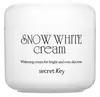
This brightening moisturizer is formulated around Niacinamide to brighten dull-looking skin and fade the look of dark spots.
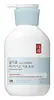
This barrier-repair moisturizer is formulated around Hydroxypropyl Bispalmitamide Mea and Ceramide NP to strengthen the skin barrier and hydrate skin.

What's inside
What's inside
 Key Ingredients
Benefits
Concerns
Ingredients Side-by-side
Water
Skin ConditioningCyclopentasiloxane
Emollient
Cyclohexasiloxane
Emollient
Paraffinum Liquidum
Emollient


Glycerin
Humectant


Niacinamide
Smoothing









Propylene Glycol
Humectant

Isododecane
EmollientCetyl Alcohol
Emollient


Titanium Dioxide
Cosmetic Colorant

Dimethicone
Emollient
Beeswax
Emulsion Stabilising
Glyceryl Stearate
Emollient
PEG-100 Stearate
Surfactant
Polysorbate 60
Emulsifying
Mica
Cosmetic ColorantPhenoxyethanol
Preservative
Stearyl Alcohol
Emollient
Palmitic Acid
Emollient
Triethanolamine
BufferingStearic Acid
Cleansing
Disteardimonium Hectorite
StabilisingCarbomer
Emulsion StabilisingPolymethyl Methacrylate
Myristyl Alcohol
Emollient
Propylene Carbonate
SolventLauryl Alcohol
Emollient
Triethoxycaprylylsilane
Disodium EDTA
Aluminum Hydroxide
EmollientMyristic Acid
Cleansing
Dipropylene Glycol
HumectantParfum
Masking

Water, Cyclopentasiloxane, Cyclohexasiloxane, Paraffinum Liquidum, Glycerin, Niacinamide, Propylene Glycol, Isododecane, Cetyl Alcohol, Titanium Dioxide, Dimethicone, Beeswax, Glyceryl Stearate, PEG-100 Stearate, Polysorbate 60, Mica, Phenoxyethanol, Stearyl Alcohol, Palmitic Acid, Triethanolamine, Stearic Acid, Disteardimonium Hectorite, Carbomer, Polymethyl Methacrylate, Myristyl Alcohol, Propylene Carbonate, Lauryl Alcohol, Triethoxycaprylylsilane, Disodium EDTA, Aluminum Hydroxide, Myristic Acid, Dipropylene Glycol, Parfum
Water
Skin ConditioningGlycerin
Humectant
Propanediol
Solvent
Hydrogenated Rice Bran Oil
Skin Conditioning
Cyclopentasiloxane
Emollient
Hydrogenated Poly(C6-14 Olefin)
EmollientCyclohexasiloxane
Emollient
Dimethicone
Emollient
Cetyl Ethylhexanoate
EmollientDiisostearyl Malate
Emollient1,2-Hexanediol
Skin Conditioning
Butylene Glycol
Humectant
Hydroxyethyl Acrylate/Sodium Acryloyldimethyl Taurate Copolymer
Emulsion StabilisingC14-22 Alcohols
Emulsion Stabilising
Arachidyl Alcohol
Emollient
Stearic Acid
Cleansing
Glyceryl Stearate
Emollient
Palmitic Acid
Emollient
Behenyl Alcohol
Emollient
C12-20 Alkyl Glucoside
EmulsifyingGlyceryl Caprylate
EmollientArachidyl Glucoside
EmulsifyingPanax Ginseng Root Water
Masking
Disodium EDTA
Ethylhexylglycerin
Skin ConditioningSorbitan Isostearate
Emulsifying
Polysorbate 60
Emulsifying
Perilla Ocymoides Seed Extract
Antioxidant
Bupleurum Falcatum Root Extract
Skin ConditioningAngelica Acutiloba Root Extract
Skin ConditioningOphiopogon Japonicus Root Extract
Skin ConditioningHydroxypropyl Bispalmitamide Mea
Emollient
Mannitol
Humectant
Glucose
Humectant
Glycine Max Oil
Emollient
Myristic Acid
Cleansing
Acrylates/Ammonium Methacrylate Copolymer
Arachidic Acid
Cleansing
Ceramide NP
Skin Conditioning
Cholesterol
Emollient
Silica
Abrasive
Phytosphingosine
Skin Conditioning
Hydrogenated Lecithin
Emulsifying
Tocopherol
Antioxidant
Canola Oil
Emollient
Rosmarinus Officinalis Leaf Extract
AntimicrobialWater, Glycerin, Propanediol, Hydrogenated Rice Bran Oil, Cyclopentasiloxane, Hydrogenated Poly(C6-14 Olefin), Cyclohexasiloxane, Dimethicone, Cetyl Ethylhexanoate, Diisostearyl Malate, 1,2-Hexanediol, Butylene Glycol, Hydroxyethyl Acrylate/Sodium Acryloyldimethyl Taurate Copolymer, C14-22 Alcohols, Arachidyl Alcohol, Stearic Acid, Glyceryl Stearate, Palmitic Acid, Behenyl Alcohol, C12-20 Alkyl Glucoside, Glyceryl Caprylate, Arachidyl Glucoside, Panax Ginseng Root Water, Disodium EDTA, Ethylhexylglycerin, Sorbitan Isostearate, Polysorbate 60, Perilla Ocymoides Seed Extract, Bupleurum Falcatum Root Extract, Angelica Acutiloba Root Extract, Ophiopogon Japonicus Root Extract, Hydroxypropyl Bispalmitamide Mea, Mannitol, Glucose, Glycine Max Oil, Myristic Acid, Acrylates/Ammonium Methacrylate Copolymer, Arachidic Acid, Ceramide NP, Cholesterol, Silica, Phytosphingosine, Hydrogenated Lecithin, Tocopherol, Canola Oil, Rosmarinus Officinalis Leaf Extract
Reviews
Ingredients Explained
These ingredients are found in both products.
Ingredients higher up in an ingredient list are typically present in a larger amount.
Cyclohexasiloxane is a type of silicone more commonly known as D6. It is an emollient and solvent.
Cyclohexasiloxane is used to evenly distribute ingredients throughout the product. When applied to the skin, Cyclohexasiloxane evaporates and leaves behind a silky feel.
As an emollient, it can help the skin feel soft and hydrated. It is also used to reduce frizz in hair products.
Learn more about CyclohexasiloxaneCyclopentasiloxane (D5) is a lightweight silicone that mostly acts as an emollient and solvent in cosmetics. Its the reason your products feel silky, fast-spreading, and non-greasy.
Since D5 is volatile, it does its thing and then evaporates off the skin quickly.
The safety profile of this ingredient is reassuring; the US CIR Expert Panel concluded D5 is safe as used in cosmetics and Health Canada concluded that D5 is not harmful to human health or the environment as currently used in cosmetics
There's a study that people mention about D5 in a rat study showing tumors. This study is related to long-term inhalation of high D5 levels.
Regulatory bodies have judged this study to be not applicable in topical skincare since skin absorption of D5 is very low and we're not really inhaling huge amounts of D5.
The only restriction for this ingredient is environmental. The European Chemicals Agency (ECHA) restricted D5 in wash-off cosmetics at or above 0.1% due to their persistence in water.
Learn more about CyclopentasiloxaneDimethicone is a type of synthetic silicone created from natural materials such as quartz. It is also known as polydimethylsiloxane.
What it does:
Dimethicone comes in different viscosities:
Depending on the viscosity, dimethicone has different properties.
Ingredients lists don't always show which type is used, so we recommend reaching out to the brand if you have questions about the viscosity.
This ingredient is unlikely to cause irritation because it does not get absorbed into skin. However, people with silicone allergies should be careful about using this ingredient.
Note: Dimethicone may contribute to pilling. This is because it is not oil or water soluble, so pilling may occur when layered with products. When mixed with heavy oils in a formula, the outcome is also quite greasy.
Learn more about DimethiconeDisodium EDTA is a chelating agent. It grabs onto and deactivates metal ions that sneak into your products from water, packaging, or air.
This ingredient mainly works behind the scenes and helps with:
On top of that, this ingredient can counteract the effects of hard water by binding to the minerals in it.
One thing worth knowing is that Disodium EDTA has been shown to be a mild penetration enhancer. It can help other ingredients absorb into skin more effectively which can be a double-edged sword (great for actives, but can also make the active too strong if you have sensitive skin).
Clinical patch testing showed no significant skin irritation at typical use concentrations and minimal dermal absorption.
You'll most likely see this ingredient near the end of an ingredient list. It's typically found in concentrations less than 1%.
Learn more about Disodium EDTAGlycerin (or glycerol) is a compound naturally found in your skin. It's a powerhouse humectant that pulls water into the stratum corneum.
Topically, glycerin does several things at once:
Your skin makes glycerin on its own (mostly from sebaceous oil breakdown) and shuttles it to your outermost layer of skin, or your epidermis, via aquaporin-3.
Aquaporin-3 is a transporter that is essential for normal skin hydration, elasticity, and repair. Interestingly, mice lacking in AQP3 have dry and less elastic skin that can be fully corrected with glycerin.
This ingredient is non-irritating, plays well with almost every ingredient, and works across all skin types. Typical use is anywhere between 3-10% but can go up to 79% in some leave-on products.
Just know very high concentrations (>40%) can feel tacky in low humidity.
Glycerin is the name for this ingredient in American English. British English uses Glycerol/Glycerine.
Learn more about GlycerinGlyceryl Stearate is made by reacting glycerin with stearic acid (typically sourced from plant oils like palm or coconut). It's an emulsifier, emollient, and mild occlusive.
Emulsifiers help ingredients like oil and water stay mixed so your formula stays nicely blended and uniform in texture.
This ingredient is typically used in concentrations between 1-10%. Studies have found it to be non-sensitizing, non-phototoxic, and non-photoallergenic.
A close cousin of this ingredient is Glyceryl Stearate SE ("self-emulsifying"). This just has a small amount of sodium or potassium stearate added so it can emulsify without a co-emulsifier.
Since this ingredient is an ester of a C18 fatty acid, it may not be fungal acne safe. The Malassezia yeast can potentially metabolize within the C11-C24 range.
Fun fact: The human body also creates Glyceryl Stearate naturally.
Learn more about Glyceryl StearateMyristic Acid, aka tetradecanoic acid, is a naturally occurring fatty acid found in coconut oil and palm oil.
In skincare, it is an:
Research indicates that this ingredient posts a low risk of irritation and sensitization.
Since myristic acid is a C14 fatty acid, it falls within the range that Malassezia can metabolize, and therefore not fungal acne safe.
Learn more about Myristic AcidPalmitic Acid is a fatty acid naturally found in our skin and in many plant and animal sources.
In cosmetics, it is usually derived from palm oil. It serves many purposes in skincare, acting as a cleanser, emollient, and emulsifier.
Interestingly, topically applied Palmitic Acid can be elongated into longer chain fatty acids and ceramides. A 2019 study found low levels of Palmitic Acid lead to slower development of cells, suggesting it plays a role in keeping your skin's renewal process on track.
The CIR (Cosmetic Ingredient Review) panel determined it safe as used in cosmetics at concentrations up to 13%. It is non-irritating and non-sensitizing in clinical studies.
The culprit behind fungal acne, the Malassezia yeast, feeds on fatty acids with carbon chain lengths between C11-C24. Palmitic Acid, at C16, falls right into that sweet spot.
In vitro studies have shown that Palmitic Acid is one of the fatty acids that induce rapid Malassezia growth in lab settings.
It's worth noting that what feeds yeast in a lab doesn't necessarily feed it on your face since formulation and your skin's chemistry play a bigger role.
Learn more about Palmitic AcidPolysorbate 60 is used to help stabilize products. It is a surfactant and emulsifier. These properties help keep ingredients together in a product. Surfactants help reduce surface tension between ingredients with different states, such as liquids and solids. Emulsifiers help prevent oils and waters from separating.
Polysorbate 60 is sorbitol-based and created from the ethoxylation of sorbitan. Ethoxylation is a chemical reaction used to add ethylene oxide. Sorbitan is a the dehydrated version of sorbitol, a sugar found in fruits.
In this case, the 60 comes from reacting 60 units of ethylene oxide with sorbitan.
Polysorbates are commonly used in medicine and foods.
Learn more about Polysorbate 60Stearic Acid is a fatty acid that is already found in your skin. It's one of the free fatty acids that works alongside ceramides and cholesterols to maintain your barrier.
In cosmetics, it is a multitasker:
Safety-wise, the CIR Expert Panel has concluded it to be safe in cosmetics when formulated to be non-irritating and non-sensitizing.
Free stearic acid is a C18 fatty acid that the Malassezia yeast can substrate, so this ingredient may not be fungal acne safe.
Learn more about Stearic AcidWater. It's the most common cosmetic ingredient of all. You'll usually see it at the top of ingredient lists, meaning that it makes up the largest part of the product.
So why is it so popular? Water most often acts as a solvent - this means that it helps dissolve other ingredients into the formulation.
You'll also recognize water as that liquid we all need to stay alive. If you see this, drink a glass of water. Remember to stay hydrated!
Learn more about Water

