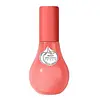
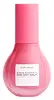
Royues Cherry Vitamin C Revitalize Serum Versus Glow Recipe Guava Vitamin C Dark Spot Treatment Serum
This brightening serum is formulated around Tetrahexyldecyl Ascorbate and Tranexamic Acid to brighten dull-looking skin and fade the look of dark spots.
This brightening serum is formulated around Tetrahexyldecyl Ascorbate and Tranexamic Acid to fade the look of dark spots and brighten dull-looking skin.


What's inside
What's inside
 Key Ingredients
Benefits
Concerns
Ingredients Side-by-side
Water
Skin ConditioningPropanediol
Solvent

C9-12 Alkane
SolventPrunus Cerasus Fruit Extract
Antioxidant
Tetrahexyldecyl Ascorbate
Antioxidant





Tranexamic Acid
Astringent


Sodium Polyacryloyldimethyl Taurate
Emulsion Stabilising3-O-Ethyl Ascorbic Acid
Skin Conditioning
Ascorbyl Glucoside
Antioxidant
Magnesium Ascorbyl Phosphate
Antioxidant
Sodium Ascorbyl Phosphate
Antioxidant
Tocopherol
Antioxidant
Tocopheryl Acetate
Antioxidant
Sodium Hyaluronate
Humectant
Ferulic Acid
Antimicrobial
Tremella Fuciformis Sporocarp Extract
Antioxidant
Pyrus Malus Fruit Extract
Skin Conditioning
Musa Sapientum Fruit Extract
Skin ConditioningPrunus Armeniaca Kernel Extract
Skin ConditioningPyrus Communis Fruit Extract
Skin ConditioningRubus Idaeus Fruit Extract
AstringentMelia Azadirachta Flower Extract
Skin ConditioningMelia Azadirachta Leaf Extract
Skin ConditioningCorallina Officinalis Extract
Skin Conditioning

Coccinia Indica Fruit Extract
Skin Conditioning
Polyglyceryl-10 Dioleate
Emulsifying

Glycerin
Humectant
Caprylic/Capric Triglyceride
Masking
Caprylyl Glycol
Emollient
Sodium Stearoyl Glutamate
CleansingCoco-Caprylate/Caprate
Emollient
Betaine
Humectant
Lecithin
Emollient
Polyglyceryl-10 Dipalmitate
Emollient
Sodium Citrate
BufferingSodium Phytate
ChelatingPotassium Sorbate
Preservative
Decyl Glucoside
Cleansing
Lauryl Glucoside
CleansingEthylhexylglycerin
Skin ConditioningCitric Acid
Buffering
Xanthan Gum
EmulsifyingMethylparaben
Preservative

Phenoxyethanol
Preservative
Water, Propanediol, C9-12 Alkane, Prunus Cerasus Fruit Extract, Tetrahexyldecyl Ascorbate, Tranexamic Acid, Sodium Polyacryloyldimethyl Taurate, 3-O-Ethyl Ascorbic Acid, Ascorbyl Glucoside, Magnesium Ascorbyl Phosphate, Sodium Ascorbyl Phosphate, Tocopherol, Tocopheryl Acetate, Sodium Hyaluronate, Ferulic Acid, Tremella Fuciformis Sporocarp Extract, Pyrus Malus Fruit Extract, Musa Sapientum Fruit Extract, Prunus Armeniaca Kernel Extract, Pyrus Communis Fruit Extract, Rubus Idaeus Fruit Extract, Melia Azadirachta Flower Extract, Melia Azadirachta Leaf Extract, Corallina Officinalis Extract, Coccinia Indica Fruit Extract, Polyglyceryl-10 Dioleate, Glycerin, Caprylic/Capric Triglyceride, Caprylyl Glycol, Sodium Stearoyl Glutamate, Coco-Caprylate/Caprate, Betaine, Lecithin, Polyglyceryl-10 Dipalmitate, Sodium Citrate, Sodium Phytate, Potassium Sorbate, Decyl Glucoside, Lauryl Glucoside, Ethylhexylglycerin, Citric Acid, Xanthan Gum, Methylparaben, Phenoxyethanol
Water
Skin ConditioningPropanediol
Solvent
C9-12 Alkane
SolventPsidium Guajava Fruit Extract
AstringentTetrahexyldecyl Ascorbate
Antioxidant
Tranexamic Acid
Astringent
Sodium Polyacryloyldimethyl Taurate
Emulsion Stabilising3-O-Ethyl Ascorbic Acid
Skin Conditioning
Ascorbyl Glucoside
Antioxidant
Magnesium Ascorbyl Phosphate
Antioxidant
Sodium Ascorbyl Phosphate
Antioxidant
Psidium Guajava Seed Oil
Emollient
Tocopherol
Antioxidant
Tocopheryl Acetate
Antioxidant
Sodium Hyaluronate
Humectant
Ferulic Acid
Antimicrobial
Tremella Fuciformis Sporocarp Extract
Antioxidant
Pyrus Malus Fruit Extract
Skin Conditioning
Musa Sapientum Fruit Extract
Skin ConditioningPrunus Armeniaca Kernel Extract
Skin ConditioningPyrus Communis Fruit Extract
Skin ConditioningRubus Idaeus Fruit Extract
AstringentMelia Azadirachta Flower Extract
Skin ConditioningMelia Azadirachta Leaf Extract
Skin ConditioningCorallina Officinalis Extract
Skin Conditioning
Coccinia Indica Fruit Extract
Skin Conditioning
Hexanoyl Dipeptide-3 Norleucine Acetate
Skin Conditioning
Polyglyceryl-10 Dioleate
Emulsifying
Glycerin
Humectant
1,2-Hexanediol
Skin Conditioning
Caprylic/Capric Triglyceride
Masking
Caprylyl Glycol
Emollient
Hydroxyacetophenone
Antioxidant
Sodium Stearoyl Glutamate
CleansingCoco-Caprylate/Caprate
Emollient
Betaine
Humectant
Lecithin
Emollient
Polyglyceryl-10 Dipalmitate
Emollient
Sodium Citrate
BufferingSodium Phytate
ChelatingPotassium Sorbate
Preservative
Decyl Glucoside
Cleansing
Lauryl Glucoside
CleansingEthylhexylglycerin
Skin ConditioningCitric Acid
Buffering
Xanthan Gum
EmulsifyingPhenoxyethanol
Preservative
Water, Propanediol, C9-12 Alkane, Psidium Guajava Fruit Extract, Tetrahexyldecyl Ascorbate, Tranexamic Acid, Sodium Polyacryloyldimethyl Taurate, 3-O-Ethyl Ascorbic Acid, Ascorbyl Glucoside, Magnesium Ascorbyl Phosphate, Sodium Ascorbyl Phosphate, Psidium Guajava Seed Oil, Tocopherol, Tocopheryl Acetate, Sodium Hyaluronate, Ferulic Acid, Tremella Fuciformis Sporocarp Extract, Pyrus Malus Fruit Extract, Musa Sapientum Fruit Extract, Prunus Armeniaca Kernel Extract, Pyrus Communis Fruit Extract, Rubus Idaeus Fruit Extract, Melia Azadirachta Flower Extract, Melia Azadirachta Leaf Extract, Corallina Officinalis Extract, Coccinia Indica Fruit Extract, Hexanoyl Dipeptide-3 Norleucine Acetate, Polyglyceryl-10 Dioleate, Glycerin, 1,2-Hexanediol, Caprylic/Capric Triglyceride, Caprylyl Glycol, Hydroxyacetophenone, Sodium Stearoyl Glutamate, Coco-Caprylate/Caprate, Betaine, Lecithin, Polyglyceryl-10 Dipalmitate, Sodium Citrate, Sodium Phytate, Potassium Sorbate, Decyl Glucoside, Lauryl Glucoside, Ethylhexylglycerin, Citric Acid, Xanthan Gum, Phenoxyethanol
Reviews
Ingredients Explained
These ingredients are found in both products.
Ingredients higher up in an ingredient list are typically present in a larger amount.
3-O-Ethyl Ascorbic Acid is one of the most popular "stable" vitamin C derivatives in skincare.
Plain ascorbic acid is fantastic but notoriously fragile; it browns, oxidizes, and loses potency fast. So attaching an ethyl group to the third carbon of the molecule gives it some cool perks:
In a formula, it does the 3 classic vitamin C jobs: it acts as an antioxidant, helps brighten skin tone by inhibiting tyrosinase, and supports collagen.
The evidence is reasonably solid for a cosmetic ingredient; Liao and colleagues (2018) showed it's significantly more stable than ascorbic acid while still being effective.
A 2021 study by Zerbinati and colleagues tested a serum with 30% 3-O-ethyl-l-ascorbic acid and 1% lactic acid significantly increased collagen production, reduced UVB-induced DNA damage, and decreased melanin on a reconstructed pigmented skin model.
Typical real world usage sits around 0.5-5% (and 1-2% is common for daily serums).
Amounts up to 30% have been shown to be non-irritating on human skin samples, but two isolated cases reported allergic contact dermatitis so a patch test is sensible if you have reactive skin.
Learn more about 3-O-Ethyl Ascorbic AcidAscorbyl Glucoside (AA-2G) is one of the most stable vitamin C derivatives out there.
It's made by attaching a glucose molecule to ascorbic acid; this glucose "cap" shields the vitamin C from air, light, heat, and metal ions that normally cause pure ascorbic acid to oxidize.
Once on your skin, the enzyme alpha-glucosidase snips off the glucose and gradually releases active ascorbic acid right where it's needed. Basically, it behaves like a slow-release pro-vitamin C with less of a stinging that high-strength ascorbic acid can cause.
The research supports the classic vitamin C benefits as well. In lab and human studies, AA-2G slowed down the skin's production of melanin (the pigment behind dark spots) and helped shield skin cells against sun damage better than ascorbyl phosphate.
These studies also showed AA-2G released vitamin C over a longer period.
A frequently cited manufacturer trial found that a 2% AA-2G face cream significantly improved wrinkle depth and skin roughness after 45 days.
And in 2009, a clinical trial showed it meaningfully lightened dark patches on the gums compared to a placebo.
There's also collagen-synthesis support (since vitamin C is a required cofactor for that) and an antioxidant effect too.
Typical usage is usually between 0.5-5% and most studies/products land around 2%.
AA-2G performs best when formulated at a mildly acidic pH (~5-7) which is much gentler than the pH that pure vitamin C demands (~2.5-3.5).
Just one thing worth knowing: the in-skin conversation rate is only about 55-60% by weight. So a 5% AA-2G product delivers roughly 2.75-3% of actual active vitamin C. On top of that, skin absorption is relatively low because the ingredient is water-soluble.
Learn more about Ascorbyl GlucosideBetaine is a humectant. Like hyaluronic acid, it helps attract and retain moisture in the skin. It’s known for being gentle and for helping the skin maintain balanced hydration.
Betaine is mainly used to improve hydration and support calmer skin. It helps skin cells regulate water balance because it functions as an osmolyte.
Some studies suggest betaine may support making skin tone more even.
Fun fact: Betaine naturally exists in the skin and the body. In cosmetic products, it can be either plant-derived (most commonly from sugar beets) or synthetically produced for consistency and stability.
Betaine is also known as trimethylglycine.
Learn more about BetaineC9-12 Alkane is synethically created using alkanes, or paraffins. It is added to products as a solvent. This means its main purpose is to help dissolve ingredients and create even texture.
Caprylic/Capric Triglyceride (aka MCT Oil) is a lightweight emollient, solvent, and texture enhancer. It is considered a skin-softener by helping to prevent moisture loss.
Though it behaves like an oil, it is not technically one due to its chemical composition. One perk of this ingredient is that it is very stable, resistant to oxidation, and unlikely to go rancid.
In practice, that translates to a long shelf life and a consistently elegant skin feel.
While there is an assumption Caprylic Triglyceride can clog pores due to it being derived from coconut oil, there is no research supporting this. Just patch test if you have concerns.
Fractionated coconut oil and MCT Oil are both listed as Caprylic/Capric Triglyceride according to INCI. This is because INCI names are based on the ingredient’s final chemical composition and not its marketing name or source.
This ingredient is treated as the gold standard fungal acne safe oil. Even though it is coconut derived, the problematic lauric acid is stripped out.
This leaves just caprylic (C8) and capric (C10) acid. These chain lengths actually trend antifungal; a 2020 study found caprylic acid was enough to disrupt Malassezia furfur cell membrane, with a caprylic acid derivative damaging membrane structures at concentrations as low as 0.2%.
Learn more about Caprylic/Capric TriglycerideCaprylyl Glycol is a humectant, skin conditioner, emollient, and preservative booster derived from either caprylic acid or synthetically created.
Typical use levels vary from 0.3-1% as a preservative booster and go up to 2% to condition skin.
Because it is not a free-fatty acid, this ingredient is fungal acne safe (there's nothing for Malassezia to feed on).
Learn more about Caprylyl GlycolCitric Acid is an alpha hydroxy acid (AHA) naturally found in citrus fruits like oranges, lemons, and limes.
Like other AHAs, citric acid can exfoliate skin by breaking down the bonds that hold dead skin cells together. This helps reveal smoother and brighter skin underneath.
However, this exfoliating effect only happens at high concentrations (20%) which can be hard to find in cosmetic products.
Due to this, citric acid is usually included in small amounts as a pH adjuster. This helps keep products slightly more acidic and compatible with skin's natural pH.
In skincare formulas, citric acid can:
While it can provide some skin benefits, research shows lactic acid and glycolic acid are generally more effective and less irritating exfoliants.
Most citric acid used in skincare today is made by fermenting sugars (usually from molasses). This synthetic version is identical to the natural citrus form but easier to stabilize and use in formulations.
Rosacea skin has a lower threshold for acids generally, with 62.5% of rosacea subjects in one study reacting to lactic acid in a sting test. This is why we mark citric acid as a potential rosacea trigger.
However, this ingredient shows up as a pH adjuster or chelator at roughly 0.1-1% in many products. These low levels are unlikely to be an issue for rosacea skin and becomes a potential trigger at exfoliating concentrations (20%). Because everybody's skin is unique, we recommend a patch test if you are unsure.
Learn more about Citric AcidCoccinia Indica Fruit Extract is also known as Ivy Gourd Fruit Extract. It has skin conditioning properties.
The fruit is rich in flavonoids, phenolic acids, terpenoids, and sterols that show antioxidant and anti-inflammatory effect in vitro. This is because the fruit contains a thick mucilage that forms a protective and soothing layer on the skin's surface.
The extract itself has demonstrated antioxidant, soothing, and potential anti-allergy properties.
Most of this research is done in vitro and dedicated clinical studies on topical application are still limited.
Learn more about Coccinia Indica Fruit ExtractCoco-Caprylate/Caprate is a lightweight ester created from coconut oil fatty acids, caprylic acid, and capric acid.
It is an emollient that helps soften skin and reduce transepidermal water loss (TEWL). What sets it apart from heavier emollients is its ultralight, non-greasy feel.
Once applied, this ingredient dries down quickly and leaves a dry, silky finish behind. This also helps improve spreadability and texture.
This ingredient has an excellent safety-record and is non-irritating.
Typical concentrations for cosmetics range from 0.5-62%.
Research on Malassezia growth found no growth on fatty acid esters with chain lengths shorter than 12 carbons (it prefers C11-24).
Since Coco-Caprylate/Caprate is built on C8 and C10 fatty acids, it is out of the range that Malassezia metabolizes, and therefore safe for fungal acne.
Learn more about Coco-Caprylate/CaprateCorallina Officinalis Extract comes from the small red seaweed that grows on rocky coastlines that feels stiff to the touch because it builds calcium carbonate right into its cell walls.
That mineral content is basically its whole selling point: the extract brings calcium, magnesium, and trace minerals along with sugars (polysaccharides) and proteins. This is why formulators use it as a skin-conditioning and hydrating ingredient.
Lab testing does back up decent antioxidant activity for this species. A study comparing twelve red seaweeds found Corallina Officinalis stood out for its free-radical scavenging capacity. And a separate study found meaningful radical scavenging plus antibacterial activity from the raw biomass.
It's worth being clear that most of this is test-tube work on raw-algae and not a clinical trial on a finished cream.
On concentration, a 2020 industry survey found it's used at up to 2% in makeup and skincare. Safety-wise, it's as boring as it gets: the Cosmetic Ingredient Review Expert Panel concluded this ingredient (along with the powder, Thallus Extract, and Hydrolyzed versions) to be safe as used in cosmetics and cited negative sensitization data.
There's no meaningful record of it causing allergic contact dermatitis, but be sure to patch test if you are unsure.
You'll see algae/seaweed listed as a 5/5 on a lot of pore-clogging charts and that number doesn't come from anywhere; it's not in the original rabbit-ear studies that most comedogenic ratings trace back to.
The reasoning behind the reputation is that seaweed is high in iodine and iodine can trigger acne-like breakouts when eaten. This traces back to a 1976 letter in Archives of Dermatology describing two women whose breakouts cleared after they stopped taking high-dose kelp supplements orally.
And the reaction of these two women wasn't clogged pores at all: it was an iodine-triggered pustular rash. Later research found normal dietary iodine doesn't meaningfully affect acne either and nobody has shown topical seaweed delivers enough iodine to matter.
What we do have is dozens of brown and red algae ingredients found to be non-irritating and non-sensitizing, and a handful of studies that found algae compounds may actually help acne.
However, plenty of people do report breaking out from algae-containing products. Skin is individual and it's worth avoiding if yours has reacted to algae before.
Learn more about Corallina Officinalis ExtractDecyl Glucoside is a plant-derived surfactant and emulsion stabilizer. It is created by reacting glucose with the fatty acids from plants.
Like all surfactants, it works by lowering the surface tension between water and oil. This makes it so that dirt, sebum, and makeup can be lifted off your skin and rinsed away. It also produces a dense and creamy foam.
Because it has a neutral charge, it is compatible with a wide range of ingredients and stays stable across a broad pH range/water hardiness conditions.
Patch testing has shown it to have the lowest irritation potential among common cleansing surfactants (like SLS).
Typical use levels range from 5-20% in rinse-off cleansers.
One thing worth knowing: The American Contact Dermatitis Society named the parent family, alkyl glucosides, "Allergen of the Year" in 2017. The prevalence of allergy is pretty low but be sure to patch test if you've reacted to "gentle" or sulfate-free cleansers before.
This ingredient is fungal acne safe because the fatty alcohol portion of this ingredient is not within the C11-24 chain length that Malassezia can metabolize.
Learn more about Decyl GlucosideEthylhexylglycerin is created from glycerin. It is a multitasker ingredient that:
The CIR Expert Panel found minimal skin absorption or sensitization of any kind in a safety assessment. Though this ingredient is considered well-tolerated, a small number of cases of allergic dermatitis have been published since 2002. Just be sure to patch test if you are unsure.
Industry-reported use ranges from 8% in rinse-off products and 2% in leave-on formulations.
Learn more about EthylhexylglycerinFerulic Acid is a plant based antioxidant that can be naturally found in the cell walls of grains like rice, oats, and corn. It has antioxidant and antimicrobial properties, and has the ability to boost the performance of other antioxidants as well.
A well-known study found that adding Ferulic Acid to a solution of Vitamins C and E doubled the photoprotection of skin. This is why you'll often see it paired with Vitamin C or Vitamin E serums rather than sold on its own.
A 2025 review of 18 human studies found that using Ferulic Acid (0.5-1%) daily for one to three months showed improvements in:
As far as allergies go, Ferulic acid is generally well-tolerated but can cause an allergic reaction in very rare cases. It's also worth noting that Ferulic acid is often extracted from plant sources like rice bran or wheat bran, so be sure to path test if you have known grain allergies.
Outside of skincare, researchers are also looking into Ferulic Acid for its potential benefits in areas like diabetes, Alzheimer's, and heart health.
Learn more about Ferulic AcidGlycerin (or glycerol) is a compound naturally found in your skin. It's a powerhouse humectant that pulls water into the stratum corneum.
Topically, glycerin does several things at once:
Your skin makes glycerin on its own (mostly from sebaceous oil breakdown) and shuttles it to your outermost layer of skin, or your epidermis, via aquaporin-3.
Aquaporin-3 is a transporter that is essential for normal skin hydration, elasticity, and repair. Interestingly, mice lacking in AQP3 have dry and less elastic skin that can be fully corrected with glycerin.
This ingredient is non-irritating, plays well with almost every ingredient, and works across all skin types. Typical use is anywhere between 3-10% but can go up to 79% in some leave-on products.
Just know very high concentrations (>40%) can feel tacky in low humidity.
Glycerin is the name for this ingredient in American English. British English uses Glycerol/Glycerine.
Learn more about GlycerinLauryl Glucoside sugar- and lipid-based cleansing agent. It is created from glucose and lauryl alcohol.
This ingredient is a surfactant, making it easier to rinse oil, dirt, and other pollutants away.
A British study found lauryl glucoside to cause skin sensitivity for some people. We recommend speaking with a professional if you have concerns.
Other names for this ingredient include "Lauryl Polyglucose", "Lauryl glycoside", and "D-Glucopyranoside".
Learn more about Lauryl GlucosideLecithin is a term for a group of substances found in the cell membranes of plants, animals, and humans. They are made up of phospholipids.
Thanks to its amphiphilic structure (water-loving head and oil-loving tail), it is a true multitasker:
It plays well with most ingredients and is typically used at 0.1-1%. However, concentrations up to 50% have been reported in moisturizers.
Learn more about LecithinMagnesium Ascorbyl Phosphate (MAP) is a water-soluble form of Vitamin C. It is used in skincare because it tends to be more formulation friendly than pure vitamin C (ascorbic acid).
According to research, MAP has three major benefits:
While MAP is gentler on the skin than ascorbic acid, it is thought to be less easily absorbed into the skin.
In a well-known absorption study, pure vitamin C increased skin vitamin C levels when formulated correctly, but derivatives like MAP did not in that experiment. This suggests MAP may not always convert into active vitamin C in the skin.
Due to MAP's stability up to a pH level of 7, it is more stable to air and sunlight exposure than ascorbic acid. The best pH range for MAP is between 5 and 6.
Learn more about Magnesium Ascorbyl PhosphateMelia Azadirachta Flower Extract is from the Neem tree. Neem trees originate from India.
Melia Azadirachta Flower Extract contains antioxidants. Antioxidants help fight free-radicals. Free-radicals are molecules that may damage your skin cells, such as pollution.
The flowers of this tree are lilac colored.
Learn more about Melia Azadirachta Flower ExtractThis ingredient is also known as neem leaf extract. It contains natural compounds like nimbidin, quercetin, and other polyphenols that give it antibacterial, antifungal, and anti-inflammatory activity.
Lab studies have shown neem leaf extract can inhibit acne-related bacteria and help calm skin. Animal studies on wound gels using 1-3% neem leaf extract found it sped up healing without causing irritation.
A wound-healing study testing gels with the extract at 1%, 2%, and 3% concentrations and found none of them irritated the skin.
Most commercial products also use it in a similar low range (typically under 5%).
Allergy-wise, there are some case reports on neem oil causing allergic contact dermatitis so people with plant/botanical sensitivities may want to patch test first.
Learn more about Melia Azadirachta Leaf ExtractThis ingredient is also known as banana fruit extract. It has moisturizing and antioxidant properties.
Bananas are nutrient rich in vitamins A, B, C, E, and minerals like magnesium.
Early studies suggest it may also help reduce hyperpigmentation by interrupting certain skin processes but more research is needed.
Learn more about Musa Sapientum Fruit ExtractPhenoxyethanol is one of the most widely used preservatives in skincare (and for good reason!).
It has a large spectrum of antimicrobial activity and especially effective bacteria, yeast, and mold while only having a weak effect on your skin's natural microbiome.
On a cellular level, it disrupts the cell membranes of microbes by poking holes that make the cell leak. This shuts down the chemical reactions the microbe needs to make energy so it can no longer survive.
Another perk of this ingredient is that it stays functional across a wide pH range (3-10).
You'll often see it paired with boosters like Ethylhexylglycerin; one study showed that a 1:9 ratio of Ethylhexylglycerin to Phenoxyethanol damages bacterial membranes as effectively as doubling the Phenoxyethanol concentration on its own.
Typical use concentrations range from 0.3-1% depending on the formula, and this ingredient is capped at 1% int the EU.
Safety-wise, the fear mongering does not hold up to the evidence. The EU's Scientific Committee on Consumer Safety and FDA consider it safe as a preservative at up to 1%, including for children of all ages.
Adverse systemic effects only showed up in animal studies at exposures roughly 200x higher than what people get from cosmetics. And despite its very widespread use, this ingredient is a rare sensitizer and allergic reactions are uncommon.
Learn more about PhenoxyethanolPolyglyceryl-10 Dioleate isn't fungal acne safe.
Polyglyceryl-10 Dipalmitate isn't fungal acne safe.
Potassium Sorbate is a preservative used to prevent yeast and mold in products. It is commonly found in both cosmetic and food products.
This ingredient comes from potassium salt derived from sorbic acid. Sorbic acid is a natural antibiotic and effective against fungus.
Both potassium sorbate and sorbic acid can be found in baked goods, cheeses, dried meats, dried fruit, ice cream, pickles, wine, yogurt, and more.
You'll often find this ingredient used with other preservatives.
Learn more about Potassium SorbatePropanediol is an all-star ingredient. It softens, hydrates, and smooths the skin.
It’s often used to:
Propanediol is not likely to cause sensitivity and considered safe to use. It is derived from corn or petroleum with a clear color and no scent.
Learn more about PropanediolWe don't have a description for Prunus Armeniaca Kernel Extract yet.
This ingredient comes from the common pear and has skin conditioning/skin protecting properties. Pears are rich in bioactive phenolic compounds, with the most notable ones being Arbutin, Chlorogenic Acid, and Catechin.
A small in-vivo study with 13 volunteers found using a 5% pear extract gel over 12 weeks significantly improved skin moisture and elasticity, and decreased melanin and sebum levels compared to placebo.
In phytochemical analysis, this extract has also demonstrated anti-tyrosinase activity which further supports its brightening properties.
Just so you know, individuals with birch pollen allergy should be careful and patch test this ingredient as pears belong to the same family. But topical use of this ingredient is generally well-tolerated.
Learn more about Pyrus Communis Fruit ExtractPyrus Malus Fruit Extract is extract from Apples. Apples are rich in Vitamin C, sugars, and antioxidants.
The sugar in Apples are humectants and help hydrate the skin. On top of that, apples also contain some acids, such as malic acid. These acids may have a mild exfoliating effect.
Last, the phytochemicals found in apples are strong antioxidants. These antioxidants help with anti-aging as they protect your skin cells against oxidative damage.
Learn more about Pyrus Malus Fruit ExtractWe don't have a description for Rubus Idaeus Fruit Extract yet.
Sodium Ascorbyl Phosphate (SAP) is a water-soluble form of Vitamin C. It is the salt of ascorbic acid.
This ingredient is commonly used in skincare because it's more formulation-stable while still offering the same benefits as pure ascorbic acid. Ascorbic acid is notorious for breaking down when exposed to sunlight and oxygen whereas SAP has been shown to be more stable.
Studies show SAP has anti-acne and antioxidant benefits. One study found 5% of SAP lotion to be an effective ingredient for treating acne vulgaris. This is because research shows that SAP may help control acne by reducing acne-causing bacteria and slowing the oxidation of skin oils caused by UV exposure.
In addition to acne, vitamin C is important for skin structure. Lab studies suggest SAP may support collagen production in skin cells, making it a great ingredient in anti-aging routines.
Vitamin C has many benefits: it helps reduce redness, improve skin texture, fade the appearance of dark spots, and brighten the skin.
Read more about other types of Vitamin C:
Learn more about Sodium Ascorbyl PhosphateSodium Citrate is the sodium salts of citric acid. In skincare, it is used to alter pH levels and acts as a preservative.
Its main functions are to maintain the pH of a product and neutralize metal ions.
The acidity of our skin is maintained by our glands and skin biome; normal pH level of skin is slightly acidic (~4.75-5.5).
Being slightly acidic allows our skin to create an "acid mantle". This acid mantle is a thin barrier that protects our skin from bacteria and contaminants.
Learn more about Sodium CitrateSodium Hyaluronate is the salt form of hyaluronic acid. It is a long sugar chain that is naturally found in your skin, joints, and connective tissue that maintains hydration and elasticity.
In skincare, it works as a humectant. It pulls water from the environment and deeper layers of skin and binds it to the surface.
Interestingly, the size of the molecule affects its behavior:
Some clinical evidence links low molecular weight versions to improved wrinkle depth, elasticity, anti-inflammatory effects, and barrier repair.
Many serums use a blend of both weights so you can get surface hydration plus longer-lasting and deeper effects.
You'll typically see concentrations between 0.1-2% for this ingredient.
Learn more about Sodium HyaluronateSodium Phytate is the sodium salt of Phytic acid, a compound that plants store phosphorus in. It's the plant-derived alternative to ingredients like Disodium EDTA.
In skincare, this ingredient is a chelator that grabs onto trace metal ions like iron and copper that sneak into formulas through water/raw materials.
Those metals speed up oxidation so binding them keeps oils, fragrance, and actives from going off, stops color changes, and helps the preservative system work harder.
Survey data shows usage levels range from 0.0099%-0.5% in leave-on products, 0.025%-0.3% in rinse-off, and up to 0.05% in eye-area products. Suppliers typically recommend a range between 0.05-0.5%.
Learn more about Sodium PhytateThis is a lab-made ingredient that plays a huge role in improving the texture of a formula.
It's used to thicken watery gel-creams, prevent water + oil from separating, and give products a silky, non-greasy glide.
Safety-wise, a panel of independent toxicologists reviewed this ingredient and concluded it to be safe in cosmetics in the present practices of use and concentration.
A separate sensitization patch test on humans also showed no evidence of allergic reactivity, and a true allergy to this ingredient is considered rare.
Typical usage levels range from 0.015%-3% in leave-on products and 0.078%-3.2% in rinse-off products.
Learn more about Sodium Polyacryloyldimethyl TaurateSodium Stearoyl Glutamate is an amino-acid based emulsifier. It is made by combining stearic acid with L-glutamic acid and neutralizing it to a sodium salt.
As an emulsifier, it works mainly as an oil-in-water one and helps keep the oil and water in your formulas blended. It also contributes to a smooth, non-greasy skin feel.
This ingredient is biodegradable and commonly available in natural/COSMOS-certified grades.
Learn more about Sodium Stearoyl GlutamateTetrahexyldecyl Ascorbate (THD) is a stable and oil-soluble form of Vitamin C.
THD is special in that it has the ability to travel deeper into skin than traditional ascorbic acid while maintaining the same skin benefits (double win!).
Because it’s oil-soluble, THD dives deep into your skin’s fatty layers (think ceramides and cholesterol) to fight off the kind of free radicals that mess with your skin barrier. This makes it a great pair with water-based vitamin C (ascorbic acid) that mainly works on the surface.
Even at just 0.1%, THD is already showing great antioxidant activity. When used up to 2%, it helps keep your skin happy and calm, especially when it’s stressed from pollution or sun.
Want to fade dark spots or tackle hyperpigmentation? You’ll want 5% or more. Pairing it with brightening buddies like niacinamide or licorice root gives even better results. One study even used 30% THD with other brighteners and saw real results on stubborn discoloration, even in melasma-prone skin.
A note on THD: It’s has a slightly silky, oily texture and usually shows up colorless or pale yellow (though the exact shade can vary by supplier).
While you can sneak it into water-based formulas, it really shines when paired with silicones or oils, which help your skin soak it up better.
THD is pretty stable, but it’s still vulnerable to degradation like ascorbic acid. Too much light or heat (above 113°F / 45°C) can break it down over time. Go for dark and opaque packaging that keeps it safe and shady!
Read more about other types of Vitamin C:
Learn more about Tetrahexyldecyl AscorbateTocopherol is a fat-soluble antioxidant known as Vitamin E.
You'll find this ingredient in the vast majority of skincare (for good reason). It works to neutralize free radicals, or unstable molecules generated by UV exposure, pollution, and other environmental stressors, before they can cause oxidative damage to your skin cells.
Topically applied tocopherol has been shown to protect against UV damage by ramping up the skin's own natural defense enzymes.
It also acts as a skin conditioning agent; some studies show that regular topical use can improve the skin's water-binding capacity over 2-4 weeks.
This ingredient is especially loved for being a team player. When combined with Vitamin C, the photoprotective effect of both ingredients roughly doubles and the combo also helps reduce UV-induced DNA damage.
This ingredient has some brightening potential but it's more of a prevention ingredient than spot-fader. Cell studies show it can slow down melanin production but it's worth noting that it's not the most powerful brightener out there.
In formulations, it also serves as a stabilizer that helps protect other oxidation-prone ingredients from degrading.
Concentrations usually range from 0.1-1% in most leave-on products.
Learn more about TocopherolTocopheryl Acetate is a stable, shelf-friendly form of vitamin E.
Formulators love it because plain vitamin E oxidizes quickly once it hits air. This acetate version stays stable and resists going off, helping to extend a product's shelf life.
It's actually inactive on its own and works like a slow-release "storage" form; the enzymes in your skin called esterases gradually convert it into active vitamin E over time.
One in vivo study showed 5% of the acetate in the living layer of the epidermis converted to vitamin E after 5 days of application. This study also found the skin gained protection against UV damage even though the conversion was slow and small.
Once converted, vitamin E acts as a skin's main fat-soluble antioxidant that fights free radicals to protect skin from damage.
Topical vitamin E generally boosts the skin's photoprotection, and it reduced UV-damage in animal models.
This ingredient has some brightening potential but it's more of a prevention ingredient than spot-fader. Cell studies show it can slow down melanin production but it's worth noting that it's not the most powerful brightener out there.
Overall, it has a pretty solid safety profile and has been found to be non-irritating and non-comedogenic. Allergic reactions may happen but stay rare due to how widely the ingredient gets used.
The concentration will vary depending on the formula; industry data shows 0.1% in baby lotions, 3% in lipsticks, and 5% in foot powders. You can also find this ingredient at 100% in a pure vitamin E oil.
Most leave-on skincare keeps it at the lower end, often between 0.5-1%.
Learn more about Tocopheryl AcetateTranexamic Acid (TXA) is a synthetic lysine derivative that is becoming one of the most exciting brightening ingredients in skincare.
Originally used in medicine as an anti-hemorrhagic agent, its skin brightening potential was discovered by accident; patients taking it orally started noticing their melasma was fading.
Unlike most brighteners that target tyrosinase (the enzyme that synthesizes melanin), TXA works further upstream. It basically blocks your cells from receiving the signal to produce pigment.
This makes it one of the rare actives that works on three pathways at once:
This makes it effective for treating melasma, post-inflammatory hyperpigmentation (PIH), and sun-induced dark spots.
The most effective cosmetic concentration sits between 2-5% and going higher doesn't boost results.
Side effects are generally mild; occasional irritation, flaking, or dryness have been reported at the start of use. Overall, this ingredient is pretty well tolerated, even by sensitive skin types.
Another perk of this ingredient is that it does not cause photosensitivity, so it's safe to use in the AM and PM.
"Does it actually penetrate?" is the part that gets argued about online and the honest answer from research + clinical trials at this time is "yes, but not easily."
TXA is a small molecule that loves water and carries both a positive and negative charge at the same time. Skin's outer layer is oily so a water-loving molecule like this has a hard time getting through it. Liu et al. 2021 showed that it doesn't really stick around well in the deeper layer where pigment-making cells actually live.
A 2025 paper puts it simply: penetration is poor and it depends heavily on how the product is formulated (Winn et al., J Cosmet Dermatol).
But "poor" isn't "none" and the research is fairly clear that topical TXA does something. A 2026 review that pooled results from multiple studies found it helped with moderate melasma but it didn't outperform hydroquinone. Some individual studies at 3% and 5% went head to head with hydroquinone and help up well.
So the fair takeaway is that it works, it's just slower and fussier about formulation than other actives (how the serum is built matters a lot).
There's real evidence here and it's not just clinic marketing. Reviews of microneedling plus TXA report less pigmentation, less melanin, and less redness (Zhang et al., Chinese Journal of Plastic and Reconstructive Surgery, 2024).
The most useful study compared 42 patients getting microneedling plus TXA against microneedling on its own; the group that got the acid saw much bigger improvement. This suggests the acid is pulling its weight and the needling isn't doing all the work.
Just two things worth flagging here:
Oral TXA also works well for melasma and gets used in clinics. However, it is a systemic drug with clotting-related risks and needs a prescription. Injections into the skin have also been studied with good results.
Neither is something a cosmetic product can do, but they help explain why so much attention goes into getting the topical version right.
Learn more about Tranexamic AcidTremella Fuciformis is also known as snow mushroom. This ingredient comes from the sporocarp, which is also the fruit body of the fungi.
Snow mushroom has hydrating and antioxidant properties.
According to a manufacturer, the glucuronic acid of this ingredient promotes the presence of hyaluronic acid in the middle layer of skin to keep that layer sufficiently hydrated.
Learn more about Tremella Fuciformis Sporocarp ExtractWater. It's the most common cosmetic ingredient of all. You'll usually see it at the top of ingredient lists, meaning that it makes up the largest part of the product.
So why is it so popular? Water most often acts as a solvent - this means that it helps dissolve other ingredients into the formulation.
You'll also recognize water as that liquid we all need to stay alive. If you see this, drink a glass of water. Remember to stay hydrated!
Learn more about WaterXanthan gum is used as a stabilizer and thickener within cosmetic products. It helps give products a sticky, thick feeling - preventing them from being too runny.
On the technical side of things, xanthan gum is a polysaccharide - a combination consisting of multiple sugar molecules bonded together.
Xanthan gum is a pretty common and great ingredient. It is a natural, non-toxic, non-irritating ingredient that is also commonly used in food products.
Learn more about Xanthan Gum

