
What's inside
What's inside
 Key Ingredients
Benefits
Concerns
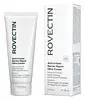
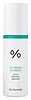
Ingredients Side-by-side
Water
Skin ConditioningGlycerin
Humectant


Helianthus Annuus Seed Oil
Emollient

Caprylic/Capric Triglyceride
Masking
Caprylyl Methicone
Skin Conditioning
Niacinamide
Smoothing









Pentylene Glycol
Skin Conditioning
Jojoba Esters
Emollient
1,2-Hexanediol
Skin Conditioning
Prunus Amygdalus Dulcis Oil
Skin Conditioning
Eclipta Prostrata Extract
Skin ConditioningMelia Azadirachta Leaf Extract
Skin ConditioningMelia Azadirachta Flower Extract
Skin ConditioningTheobroma Grandiflorum Seed Butter
Skin Conditioning
Curcuma Longa Root Extract
Masking
Ocimum Sanctum Leaf Extract
Skin ConditioningHaematococcus Pluvialis Extract
Antioxidant
Moringa Oleifera Seed Oil
Emollient
Corallina Officinalis Extract
Skin Conditioning
Butyrospermum Parkii Butter
Skin Conditioning

Persea Gratissima Oil
Skin Conditioning
Ricinus Communis Seed Oil
Masking
Sodium Hyaluronate
Humectant
Hydroxyethyl Acrylate/Sodium Acryloyldimethyl Taurate Copolymer
Emulsion StabilisingVinyldimethicone
Cetearyl Olivate
Sorbitan Olivate
Emulsifying
Sodium Polyacryloyldimethyl Taurate
Emulsion StabilisingHydroxyacetophenone
Antioxidant
Hydrogenated Polydecene
EmollientTromethamine
BufferingAllantoin
Skin Conditioning
Sorbitan Isostearate
Emulsifying
Trideceth-10
CleansingHydrogenated Lecithin
Emulsifying
Polyglyceryl-10 Stearate
Skin Conditioning
Astaxanthin
Skin Conditioning
Ceramide NP
Skin Conditioning
Glycine Soja Sterols
Emollient
Linoleic Acid
Cleansing
Phospholipids
Skin Conditioning
Carbomer
Emulsion StabilisingXanthan Gum
EmulsifyingDisodium EDTA
Water, Glycerin, Helianthus Annuus Seed Oil, Caprylic/Capric Triglyceride, Caprylyl Methicone, Niacinamide, Pentylene Glycol, Jojoba Esters, 1,2-Hexanediol, Prunus Amygdalus Dulcis Oil, Eclipta Prostrata Extract, Melia Azadirachta Leaf Extract, Melia Azadirachta Flower Extract, Theobroma Grandiflorum Seed Butter, Curcuma Longa Root Extract, Ocimum Sanctum Leaf Extract, Haematococcus Pluvialis Extract, Moringa Oleifera Seed Oil, Corallina Officinalis Extract, Butyrospermum Parkii Butter, Persea Gratissima Oil, Ricinus Communis Seed Oil, Sodium Hyaluronate, Hydroxyethyl Acrylate/Sodium Acryloyldimethyl Taurate Copolymer, Vinyldimethicone, Cetearyl Olivate, Sorbitan Olivate, Sodium Polyacryloyldimethyl Taurate, Hydroxyacetophenone, Hydrogenated Polydecene, Tromethamine, Allantoin, Sorbitan Isostearate, Trideceth-10, Hydrogenated Lecithin, Polyglyceryl-10 Stearate, Astaxanthin, Ceramide NP, Glycine Soja Sterols, Linoleic Acid, Phospholipids, Carbomer, Xanthan Gum, Disodium EDTA
Water
Skin ConditioningGlycerin
Humectant
Caprylic/Capric Triglyceride
Masking
Butyrospermum Parkii Butter
Skin Conditioning
1,2-Hexanediol
Skin Conditioning
Polyglyceryl-3 Methylglucose Distearate
Emulsifying
Dicaprylyl Carbonate
EmollientGlyceryl Stearate Se
Emulsifying
Behenyl Alcohol
Emollient
Centella Asiatica Extract
Cleansing
Carbomer
Emulsion StabilisingTromethamine
BufferingSodium Stearoyl Glutamate
CleansingEthylhexylglycerin
Skin ConditioningMicrocrystalline Cellulose
AbsorbentAdenosine
Skin Conditioning
Disodium EDTA
Cellulose Gum
Emulsion StabilisingMadecassoside
Antioxidant
Beta-Glucan
Skin Conditioning
Actinidia Arguta Fruit Extract
Skin ConditioningTocopherol
Antioxidant
Water, Glycerin, Caprylic/Capric Triglyceride, Butyrospermum Parkii Butter, 1,2-Hexanediol, Polyglyceryl-3 Methylglucose Distearate, Dicaprylyl Carbonate, Glyceryl Stearate Se, Behenyl Alcohol, Centella Asiatica Extract, Carbomer, Tromethamine, Sodium Stearoyl Glutamate, Ethylhexylglycerin, Microcrystalline Cellulose, Adenosine, Disodium EDTA, Cellulose Gum, Madecassoside, Beta-Glucan, Actinidia Arguta Fruit Extract, Tocopherol
Ingredients Explained
These ingredients are found in both products.
Ingredients higher up in an ingredient list are typically present in a larger amount.
1,2-Hexanediol is a synthetic liquid and another multi-functional powerhouse.
It is a:
- Humectant, drawing moisture into the skin
- Emollient, helping to soften skin
- Solvent, dispersing and stabilizing formulas
- Preservative booster, enhancing the antimicrobial activity of other preservatives
This ingredient is also known as shea butter. It is a plant-derived extract from the nuts of the Africa shea tree and one of the most well-studied emollients.
Because it has a high concentration of fatty acids (primarily oleic, stearic, and linoleic) it is able to form a protective barrier on the skin's surface. This helps seal in moisture and prevents transepidermal water loss (TEWL).
In vitro research found an increase in skin hydration by 58% and a decrease in TEWL by 37.8% after 24 hours of applying this ingredient (pretty impressive for a single ingredient!).
Besides hydration, shea butter also contains triterpenes that have anti-inflammatory potential. In particule, lupeol cinnamate has shown the highest anti-inflammatory activity in vivo.
Shea butter also contains vitamins A and E which may contribute to antioxidant activity.
While Shea Butter has an SPF rating of about 3-4, it is not a sunscreen replacement.
This ingredient may not be fungal acne safe because its fatty acids fall within the C11-C24 range that the Malassezia yeast can metabolize.
Learn more about Butyrospermum Parkii ButterThis ingredient is a lightweight emollient, solvent, and texture enhancer. It is considered a skin-softener by helping the skin prevent moisture loss.
It helps thicken a product's formula and makes it easier to spread by dissolving clumping compounds.
Caprylic Triglyceride is made by combining glycerin with coconut oil, forming a clear liquid. Though it behaves like an oil, it is not technically one due to its chemical composition. It is very stable, resistant to oxidation, and unlikely to go rancid. In practice, that translates to a long shelf life and a consistently elegant skin feel.
While there is an assumption Caprylic Triglyceride can clog pores due to it being derived from coconut oil, there is no research supporting this. Be sure to patch test if you have concerns.
Fractionated coconut oil and MCT Oil are both listed as Caprylic/Capric Triglyceride according to INCI. This is because INCI names are based on the ingredient’s final chemical composition and not its marketing name or source.
Learn more about Caprylic/Capric TriglycerideCarbomer is a high-molecular weight polymer of acrylic acid. It is used to form gels and thicken formulas.
Due to its large molecular size, carbomer has minimal skin penetration and is considered an inert ingredient.
A high amount of carbomer can cause pilling or balling up of products. Don't worry, most products contain 1% or less of carbomer.
Learn more about CarbomerDisodium EDTA is a chelating agent. It grabs onto and deactivates metal ions that sneak into your products from water, packaging, or air.
This ingredient mainly works behind the scenes and helps with:
On top of that, this ingredient can counteract the effects of hard water by binding to the minerals in it.
One thing worth knowing is that Disodium EDTA has been shown to be a mild penetration enhancer. It can help other ingredients absorb into skin more effectively which can be a double-edged sword (great for actives, but can also make the active too strong if you have sensitive skin).
Clinical patch testing showed no significant skin irritation at typical use concentrations and minimal dermal absorption.
You'll most likely see this ingredient near the end of an ingredient list. It's typically found in concentrations less than 1%.
Learn more about Disodium EDTAGlycerin (or glycerol) is a compound naturally found in your skin. It's a powerhouse humectant that pulls water into the stratum corneum.
Topically, glycerin does several things at once:
Your skin makes glycerin on its own (mostly from sebaceous oil breakdown) and shuttles it to your outermost layer of skin, or your epidermis, via aquaporin-3.
Aquaporin-3 is a transporter that is essential for normal skin hydration, elasticity, and repair. Interestingly, mice lacking in AQP3 have dry and less elastic skin that can be fully corrected with glycerin.
This ingredient is non-irritating, plays well with almost every ingredient, and works across all skin types. Typical use is anywhere between 3-10% but can go up to 79% in some leave-on products.
Just know very high concentrations (>40%) can feel tacky in low humidity.
Glycerin is the name for this ingredient in American English. British English uses Glycerol/Glycerine.
Learn more about GlycerinTromethamine helps balance the pH and improve the texture of a product. It is synthetically created.
As an emulsifier, Tromethamine prevents oil and water ingredients from separating. This helps stabilize the product and elongate a product's shelf life. Tromethamine also makes a product thicker.
Tromethamine helps balance the pH level of a product. Normal pH level of skin is slightly acidic (~4.75-5.5). The acidity of our skin is maintained by our glands and skin biome. Being slightly acidic allows our skin to create an "acid mantle". This acid mantle is a thin barrier that protects our skin from bacteria and contaminants.
Oral Tromethanmine is an anti-inflammatory drug but plays the role of masking, adding fragrance, and/or balancing pH in skincare.
1,3-Propanediol, 2-amino-2-(hydroxymethyl)-
Learn more about TromethamineWater. It's the most common cosmetic ingredient of all. You'll usually see it at the top of ingredient lists, meaning that it makes up the largest part of the product.
So why is it so popular? Water most often acts as a solvent - this means that it helps dissolve other ingredients into the formulation.
You'll also recognize water as that liquid we all need to stay alive. If you see this, drink a glass of water. Remember to stay hydrated!
Learn more about Water
