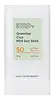
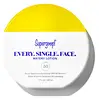
ROUND A'ROUND Green Tea Cica Sun Stick SPF 50+ PA++++ Versus Supergoop! Every. Single. Face. Watery Lotion SPF 50
This chemical sunscreen covers the full UV range and blocks ~98% of UVB at SPF 50.
This chemical sunscreen covers most of the UV range, lighter on the deep UVA that drives aging.


What's inside
What's inside
 Key Ingredients
Benefits
Concerns
Ingredients Side-by-side
Water
Skin ConditioningCoco-Caprylate/Caprate
Emollient
Dibutyl Adipate
EmollientPolyethylene
Abrasive

Butyloctyl Salicylate
Skin Conditioning

Acrylates Copolymer
Diethylamino Hydroxybenzoyl Hexyl Benzoate
UV Filter
Camellia Sinensis Leaf Extract
Antimicrobial







Centella Asiatica Leaf Extract
Skin Conditioning
Butylene Glycol
Humectant
Vinyl Dimethicone/Methicone Silsesquioxane Crosspolymer

Ethylhexyl Triazone
UV Absorber
Ozokerite
Emulsion StabilisingNiacinamide
Smoothing




Vinyldimethicone
Polysilicone-15
UV Filter
Bis-Ethylhexyloxyphenol Methoxyphenyl Triazine
Skin Conditioning
Polyglyceryl-4 Diisostearate/Polyhydroxystearate/Sebacate
Emulsifying

Centella Asiatica Extract
Cleansing
Mentha Aquatica Extract
TonicMadecassoside
Antioxidant
Lavandula Angustifolia Oil
Masking




Citrus Aurantium Bergamia Fruit Oil
Masking
Oryza Sativa Bran Oil
Emollient
Sodium Chloride
MaskingGlyceryl Caprylate
EmollientCaprylyl Glycol
Emollient
Lauryl Polyglyceryl-3 Polydimethylsiloxyethyl Dimethicone
Skin Conditioning
Polyglyceryl-5 Polyricinoleate
Emulsifying
Ethylhexylglycerin
Skin ConditioningAdenosine
Skin Conditioning
Tocopherol
Antioxidant
Linalool
Perfuming
Limonene
Perfuming
Water, Coco-Caprylate/Caprate, Dibutyl Adipate, Polyethylene, Butyloctyl Salicylate, Acrylates Copolymer, Diethylamino Hydroxybenzoyl Hexyl Benzoate, Camellia Sinensis Leaf Extract, Centella Asiatica Leaf Extract, Butylene Glycol, Vinyl Dimethicone/Methicone Silsesquioxane Crosspolymer, Ethylhexyl Triazone, Ozokerite, Niacinamide, Vinyldimethicone, Polysilicone-15, Bis-Ethylhexyloxyphenol Methoxyphenyl Triazine, Polyglyceryl-4 Diisostearate/Polyhydroxystearate/Sebacate, Centella Asiatica Extract, Mentha Aquatica Extract, Madecassoside, Lavandula Angustifolia Oil, Citrus Aurantium Bergamia Fruit Oil, Oryza Sativa Bran Oil, Sodium Chloride, Glyceryl Caprylate, Caprylyl Glycol, Lauryl Polyglyceryl-3 Polydimethylsiloxyethyl Dimethicone, Polyglyceryl-5 Polyricinoleate, Ethylhexylglycerin, Adenosine, Tocopherol, Linalool, Limonene
Butyl Methoxydibenzoylmethane 3%
UV Absorber
Homosalate 9%
Skin Conditioning
Ethylhexyl Salicylate 5%
UV Absorber
Octocrylene 9%
UV Absorber
Water
Skin ConditioningAlcohol
Antimicrobial

C12-15 Alkyl Benzoate
AntimicrobialPropanediol
Solvent
Dimethicone
Emollient
Glycerin
Humectant
Acrylates/Polytrimethylsiloxymethacrylate Copolymer
Skin ConditioningMaltodextrin
Absorbent
Triethyl Citrate
Masking
Hydroxyacetophenone
Antioxidant
Acrylates/C10-30 Alkyl Acrylate Crosspolymer
Emulsion Stabilising1,2-Hexanediol
Skin Conditioning
Caprylyl Glycol
Emollient
Pullulan
Sodium Polyacrylate
Absorbent
Betaine
Humectant
Lavandula Angustifolia Flower/Leaf/Stem Extract
Masking
Hedychium Coronarium Root Extract
MaskingCaesalpinia Spinosa Gum
Skin ConditioningLinalool
Perfuming
Camellia Sinensis Leaf Extract
Antimicrobial
Tremella Fuciformis Sporocarp Extract
Antioxidant
Amyl Cinnamal
Perfuming
Glyceryl Caprylate
EmollientGlyceryl Undecylenate
Emollient
Sodium Carboxymethyl Beta-Glucan
CleansingPyrus Malus Fruit Extract
Skin Conditioning
Rosmarinus Officinalis Leaf Extract
AntimicrobialRubus Idaeus Leaf Extract
Skin ConditioningSalvia Officinalis Leaf Extract
CleansingLepidium Sativum Sprout Extract
Skin ConditioningButyl Methoxydibenzoylmethane 3%, Homosalate 9%, Ethylhexyl Salicylate 5%, Octocrylene 9%, Water, Alcohol, C12-15 Alkyl Benzoate, Propanediol, Dimethicone, Glycerin, Acrylates/Polytrimethylsiloxymethacrylate Copolymer, Maltodextrin, Triethyl Citrate, Hydroxyacetophenone, Acrylates/C10-30 Alkyl Acrylate Crosspolymer, 1,2-Hexanediol, Caprylyl Glycol, Pullulan, Sodium Polyacrylate, Betaine, Lavandula Angustifolia Flower/Leaf/Stem Extract, Hedychium Coronarium Root Extract, Caesalpinia Spinosa Gum, Linalool, Camellia Sinensis Leaf Extract, Tremella Fuciformis Sporocarp Extract, Amyl Cinnamal, Glyceryl Caprylate, Glyceryl Undecylenate, Sodium Carboxymethyl Beta-Glucan, Pyrus Malus Fruit Extract, Rosmarinus Officinalis Leaf Extract, Rubus Idaeus Leaf Extract, Salvia Officinalis Leaf Extract, Lepidium Sativum Sprout Extract
Reviews
Ingredients Explained
These ingredients are found in both products.
Ingredients higher up in an ingredient list are typically present in a larger amount.
Camellia Sinensis Leaf Extract (tea extract) is one of the most well-researched plant extracts in skincare with an impressive resume.
Black tea, green tea, and oolong tea are all harvested from the Camellia Sinensis plant.
Studies show green tea extract and its catechins (like epigallocatechin gallate (EGCG)) help your skin cells product energy more efficiently and reducing the number of free-radicals that can damage your skin from the inside.
In lab-grown skin models, this translated to younger, healthier, and stronger skin.
There's also good sun protection data; researchers saw less DNA damage and redness on human skin when green tea was applied before UVB exposure. And the more they applied, the better the protection.
Needless to say, this ingredient shouldn't replace your sunscreen. But it is a great supportive ingredient that you can already find in many sunscreens and antioxidant serums.
A 2009 study found a 2% green tea lotion was effective for mild-to-moderate acne thanks to its anti-inflammatory and mild antimicrobial activity.
The quality of the extract matters a lot here:
Good extracts contain 50-90% catechins while lower quality ones are mostly there for marketing. We recommend reaching out to the brand if you have questions about the quality or source of their ingredients.
Human Repeated Insult Patch Testing showed no irritation or sensitization at use concentrations (0.86% in leave-on products and up to 30% as leaf water).
Learn more about Camellia Sinensis Leaf ExtractCaprylyl Glycol is a humectant, skin conditioner, emollient, and preservative booster derived from either caprylic acid or synthetically created.
Typical use levels vary from 0.3-1% as a preservative booster and go up to 2% to condition skin.
Because it is not a free-fatty acid, this ingredient is fungal acne safe (there's nothing for Malassezia to feed on).
Learn more about Caprylyl GlycolGlyceryl Caprylate comes from glycerin and caprylic acid. It is an emollient, co-emulsifier, and preservative booster.
Its short C8 fatty acid chain makes it behave differently from its longer-chain emollient cousins like Glyceryl Stearate. It feels more lightweight, fast-absorbing, and silky instead of rich and waxy.
As a co-emulsifier, its "head" and "tail" sit at the oil-water interface. But overall, the short C8 tail and not being water soluble means it doesn't really have the muscle to emulsify a formula on its own. That's why you'll often see it paired with a primary emulsifier like Cetearyl Glucoside.
Interestingly, Glyceryl Caprylate acts as a preservative booster. This is because its fatty-acid backbone disrupts microbial lipid membranes. It shows excellent activity against bacteria and yeast but is weaker against mold.
Typical concentrations range from 0.5-1% and this ingredient is generally non-irritating.
Because this ingredient has a C8 fatty acid chain, it is outside the range that the Malassezia yeast metabolizes (making it fungal acne safe).
Learn more about Glyceryl CaprylateLinalool is a fragrance and helps add scent to products. It's derived from common plants such as cinnamon, mint, citrus, and lavender.
Like Limonene, this ingredient oxidizes when exposed to air. Oxidized linalool can cause allergies and skin sensitivity.
This ingredient has a scent that is floral, spicy tropical, and citrus-like.
Learn more about LinaloolWater. It's the most common cosmetic ingredient of all. You'll usually see it at the top of ingredient lists, meaning that it makes up the largest part of the product.
So why is it so popular? Water most often acts as a solvent - this means that it helps dissolve other ingredients into the formulation.
You'll also recognize water as that liquid we all need to stay alive. If you see this, drink a glass of water. Remember to stay hydrated!
Learn more about Water

