RoC Multi Correxion Revive + Glow Eye Balm Versus Fourth Ray Beauty Ego Boost Brightening Serum Stick
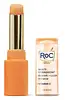
This brightening eye moisturizer is formulated around Tetrahexyldecyl Ascorbate and Troxerutin to brighten dull-looking skin and soften the look of wrinkles.
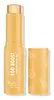
This brightening serum is formulated around Squalane and Tetrahexyldecyl Ascorbate to brighten dull-looking skin and hydrate skin.


What's inside
What's inside
 Key Ingredients
Benefits
Concerns
Ingredients Side-by-side
C13-15 Alkane
SolventWater
Skin ConditioningCocoglycerides
Emollient


Helianthus Annuus Seed Wax
Skin Conditioning
Butylene Glycol
Humectant

Acrylates Crosspolymer
AbsorbentPolyhydroxystearic Acid
Emulsifying
Tetrahexyldecyl Ascorbate
Antioxidant






Bis-Behenyl/Isostearyl/Phytosteryl Dimer Dilinoleyl Dimer Dilinoleate
EmollientPolyglyceryl-4 Oleate
Emulsifying
Cetearyl Olivate
Polyglyceryl-6 Oleate
Emulsifying
Helianthus Annuus Seed Oil Unsaponifiables
Emollient
Troxerutin
Skin Conditioning
Calcium Aluminum Borosilicate
Diisostearyl Malate
EmollientGluconolactone
Chelating



Sorbitan Olivate
Emulsifying
Tocopheryl Acetate
Antioxidant
Sodium Benzoate
Masking
Sodium PCA
Humectant
Maltodextrin
Absorbent
Cistus Incanus Flower/Leaf/Stem Extract
Skin ConditioningHaematococcus Pluvialis Extract
Antioxidant
Octyldodecanol
Emollient
Calcium Gluconate
HumectantMalic Acid
Buffering



Pentaerythrityl Tetraisostearate
Emollient
Tocopherol
Antioxidant
Astaxanthin
Skin Conditioning
Caprylic/Capric Triglyceride
Masking
Propylene Carbonate
SolventStearalkonium Hectorite
Gel FormingPalmitoyl Hexapeptide-12
Skin Conditioning
CI 77491
Cosmetic ColorantC13-15 Alkane, Water, Cocoglycerides, Helianthus Annuus Seed Wax, Butylene Glycol, Acrylates Crosspolymer, Polyhydroxystearic Acid, Tetrahexyldecyl Ascorbate, Bis-Behenyl/Isostearyl/Phytosteryl Dimer Dilinoleyl Dimer Dilinoleate, Polyglyceryl-4 Oleate, Cetearyl Olivate, Polyglyceryl-6 Oleate, Helianthus Annuus Seed Oil Unsaponifiables, Troxerutin, Calcium Aluminum Borosilicate, Diisostearyl Malate, Gluconolactone, Sorbitan Olivate, Tocopheryl Acetate, Sodium Benzoate, Sodium PCA, Maltodextrin, Cistus Incanus Flower/Leaf/Stem Extract, Haematococcus Pluvialis Extract, Octyldodecanol, Calcium Gluconate, Malic Acid, Pentaerythrityl Tetraisostearate, Tocopherol, Astaxanthin, Caprylic/Capric Triglyceride, Propylene Carbonate, Stearalkonium Hectorite, Palmitoyl Hexapeptide-12, CI 77491
Octyldodecanol
Emollient
Propylene Glycol Dicaprylate/Dicaprate
EmollientNeopentyl Glycol Diheptanoate
EmollientSqualane
Emollient
Caprylic/Capric Triglyceride
Masking
Dibutyl Lauroyl Glutamide
Skin ConditioningTetrahexyldecyl Ascorbate
Antioxidant
Dibutyl Ethylhexanoyl Glutamide
Skin ConditioningC12-15 Alkyl Benzoate
AntimicrobialTerminalia Ferdinandiana Seed Oil
Antioxidant
Helianthus Annuus Seed Oil
Emollient
Phenoxyethanol
Preservative
Citrus Paradisi Fruit Extract
Skin ConditioningEthylhexyl Palmitate
Emollient


Citrus Aurantium Dulcis Peel Extract
Emulsion Stabilising
Oryza Sativa Bran Extract
Skin Conditioning
Tribehenin
Emollient
Myrciaria Dubia Fruit Extract
Skin ConditioningSorbitan Isostearate
Emulsifying
Tocopherol
Antioxidant
Helianthus Annuus Extract
Emollient
Curcuma Longa Root Oil
Perfuming
Jasminum Officinale Flower/Leaf Extract
Masking
Rosmarinus Officinalis Leaf Extract
AntimicrobialLavandula Angustifolia Flower/Leaf/Stem Extract
Masking
Eugenia Caryophyllus Flower Extract
AstringentVitis Vinifera Fruit Extract
Skin ConditioningPalmitoyl Tripeptide-1
Skin Conditioning
CI 16035
Cosmetic ColorantCI 19140
Cosmetic ColorantOctyldodecanol, Propylene Glycol Dicaprylate/Dicaprate, Neopentyl Glycol Diheptanoate, Squalane, Caprylic/Capric Triglyceride, Dibutyl Lauroyl Glutamide, Tetrahexyldecyl Ascorbate, Dibutyl Ethylhexanoyl Glutamide, C12-15 Alkyl Benzoate, Terminalia Ferdinandiana Seed Oil, Helianthus Annuus Seed Oil, Phenoxyethanol, Citrus Paradisi Fruit Extract, Ethylhexyl Palmitate, Citrus Aurantium Dulcis Peel Extract, Oryza Sativa Bran Extract, Tribehenin, Myrciaria Dubia Fruit Extract, Sorbitan Isostearate, Tocopherol, Helianthus Annuus Extract, Curcuma Longa Root Oil, Jasminum Officinale Flower/Leaf Extract, Rosmarinus Officinalis Leaf Extract, Lavandula Angustifolia Flower/Leaf/Stem Extract, Eugenia Caryophyllus Flower Extract, Vitis Vinifera Fruit Extract, Palmitoyl Tripeptide-1, CI 16035, CI 19140
Reviews
Alternatives
Ingredients Explained
These ingredients are found in both products.
Ingredients higher up in an ingredient list are typically present in a larger amount.
Caprylic/Capric Triglyceride (aka MCT Oil) is a lightweight emollient, solvent, and texture enhancer. It is considered a skin-softener by helping to prevent moisture loss.
Though it behaves like an oil, it is not technically one due to its chemical composition. One perk of this ingredient is that it is very stable, resistant to oxidation, and unlikely to go rancid.
In practice, that translates to a long shelf life and a consistently elegant skin feel.
While there is an assumption Caprylic Triglyceride can clog pores due to it being derived from coconut oil, there is no research supporting this. Just patch test if you have concerns.
Fractionated coconut oil and MCT Oil are both listed as Caprylic/Capric Triglyceride according to INCI. This is because INCI names are based on the ingredient’s final chemical composition and not its marketing name or source.
This ingredient is treated as the gold standard fungal acne safe oil. Even though it is coconut derived, the problematic lauric acid is stripped out.
This leaves just caprylic (C8) and capric (C10) acid. These chain lengths actually trend antifungal; a 2020 study found caprylic acid was enough to disrupt Malassezia furfur cell membrane, with a caprylic acid derivative damaging membrane structures at concentrations as low as 0.2%.
Learn more about Caprylic/Capric TriglycerideOctyldodecanol is a fatty alcohol sourced from plant oils like coconut or palm (or made synthetically).
It is:
You'll likely see this in many BHA products because this is the go-to solvent for salicylic acid.
This ingredient is typically used at levels between 2-20%.
Regarding fungal acne:
In 2019, this ingredient was tested against multiple Malassezia species (the yeast that causes fungal acne) and showed no growth.
Tetrahexyldecyl Ascorbate (THD) is a stable and oil-soluble form of Vitamin C.
THD is special in that it has the ability to travel deeper into skin than traditional ascorbic acid while maintaining the same skin benefits (double win!).
Because it’s oil-soluble, THD dives deep into your skin’s fatty layers (think ceramides and cholesterol) to fight off the kind of free radicals that mess with your skin barrier. This makes it a great pair with water-based vitamin C (ascorbic acid) that mainly works on the surface.
Even at just 0.1%, THD is already showing great antioxidant activity. When used up to 2%, it helps keep your skin happy and calm, especially when it’s stressed from pollution or sun.
Want to fade dark spots or tackle hyperpigmentation? You’ll want 5% or more. Pairing it with brightening buddies like niacinamide or licorice root gives even better results. One study even used 30% THD with other brighteners and saw real results on stubborn discoloration, even in melasma-prone skin.
A note on THD: It’s has a slightly silky, oily texture and usually shows up colorless or pale yellow (though the exact shade can vary by supplier).
While you can sneak it into water-based formulas, it really shines when paired with silicones or oils, which help your skin soak it up better.
THD is pretty stable, but it’s still vulnerable to degradation like ascorbic acid. Too much light or heat (above 113°F / 45°C) can break it down over time. Go for dark and opaque packaging that keeps it safe and shady!
Read more about other types of Vitamin C:
Learn more about Tetrahexyldecyl AscorbateTocopherol is a fat-soluble antioxidant known as Vitamin E.
You'll find this ingredient in the vast majority of skincare (for good reason). It works to neutralize free radicals, or unstable molecules generated by UV exposure, pollution, and other environmental stressors, before they can cause oxidative damage to your skin cells.
Topically applied tocopherol has been shown to protect against UV damage by ramping up the skin's own natural defense enzymes.
It also acts as a skin conditioning agent; some studies show that regular topical use can improve the skin's water-binding capacity over 2-4 weeks.
This ingredient is especially loved for being a team player. When combined with Vitamin C, the photoprotective effect of both ingredients roughly doubles and the combo also helps reduce UV-induced DNA damage.
This ingredient has some brightening potential but it's more of a prevention ingredient than spot-fader. Cell studies show it can slow down melanin production but it's worth noting that it's not the most powerful brightener out there.
In formulations, it also serves as a stabilizer that helps protect other oxidation-prone ingredients from degrading.
Concentrations usually range from 0.1-1% in most leave-on products.
Learn more about Tocopherol

