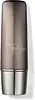
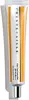
ReVive Skincare Soleil Superiéur Broad Spectrum SPF 50 Sunscreen PA +++ Versus Chantecaille Ultra Sun Protection Sunscreen Broad Spectrum SPF 45 Primer
This chemical sunscreen covers most of the UV range, lighter on the deep UVA that drives aging.
This chemical sunscreen covers most of the UV range, lighter on the deep UVA that drives aging.


What's inside
What's inside
 Key Ingredients
Benefits
Concerns
Ingredients Side-by-side
Butyl Methoxydibenzoylmethane 3%
UV Absorber
Homosalate 10%
Skin Conditioning
Ethylhexyl Salicylate 5%
UV Absorber
Octocrylene 2.6%
UV Absorber

Water
Skin ConditioningCaprylyl Methicone
Skin Conditioning
Dipropylene Glycol
HumectantDicaprylyl Carbonate
EmollientPEG/PPG-17/6 Copolymer
SolventPotassium Cetyl Phosphate
EmulsifyingThermus Thermophillus Ferment
Skin ConditioningGlyceryl Stearate
Emollient

PEG-100 Stearate
Surfactant
Methyl Glucose Sesquistearate
Emollient
Sd Alcohol 40-B
Astringent

Hydrogenated Palm Glycerides
Emollient
Oligopeptide-24
Skin Conditioning
Silybin
Skin ConditioningCarnosine
Skin Conditioning

Adenosine
Skin Conditioning

Sodium Acrylate/Sodium Acryloyldimethyl Taurate Copolymer
Emulsion StabilisingCetyl Alcohol
Emollient

Isohexadecane
EmollientPhenoxyethanol
Preservative
Panthenol
Skin Conditioning

Caprylyl Glycol
Emollient
Polyacrylate-15
PEG-10 Dimethicone
Skin Conditioning
Tocopheryl Acetate
Antioxidant


Glycerin
Humectant
Acrylates/C10-30 Alkyl Acrylate Crosspolymer
Emulsion StabilisingDisodium EDTA
ChelatingLecithin
Emollient
Polygonum Aviculare Extract
EmollientPolyacrylate-17
Polysorbate 80
Emulsifying
Potassium Sorbate
Preservative
Potassium Hydroxide
BufferingHexylene Glycol
EmulsifyingC11-15 Pareth-40
CleansingC11-15 Pareth-7
EmulsifyingDipotassium Glycyrrhizate
Humectant
Parfum
Masking

Sorbitan Oleate
Emulsifying
Sodium Benzoate
Masking
Disodium Lauryl Sulfosuccinate
CleansingSodium Laureth-12 Sulfate
Cleansing
Butyl Methoxydibenzoylmethane 3%, Homosalate 10%, Ethylhexyl Salicylate 5%, Octocrylene 2.6%, Water, Caprylyl Methicone, Dipropylene Glycol, Dicaprylyl Carbonate, PEG/PPG-17/6 Copolymer, Potassium Cetyl Phosphate, Thermus Thermophillus Ferment, Glyceryl Stearate, PEG-100 Stearate, Methyl Glucose Sesquistearate, Sd Alcohol 40-B, Hydrogenated Palm Glycerides, Oligopeptide-24, Silybin, Carnosine, Adenosine, Sodium Acrylate/Sodium Acryloyldimethyl Taurate Copolymer, Cetyl Alcohol, Isohexadecane, Phenoxyethanol, Panthenol, Caprylyl Glycol, Polyacrylate-15, PEG-10 Dimethicone, Tocopheryl Acetate, Glycerin, Acrylates/C10-30 Alkyl Acrylate Crosspolymer, Disodium EDTA, Lecithin, Polygonum Aviculare Extract, Polyacrylate-17, Polysorbate 80, Potassium Sorbate, Potassium Hydroxide, Hexylene Glycol, C11-15 Pareth-40, C11-15 Pareth-7, Dipotassium Glycyrrhizate, Parfum, Sorbitan Oleate, Sodium Benzoate, Disodium Lauryl Sulfosuccinate, Sodium Laureth-12 Sulfate
Butyl Methoxydibenzoylmethane 3%
UV Absorber
Ethylhexyl Methoxycinnamate 7.5%
UV Absorber
Ethylhexyl Salicylate 5%
UV Absorber
Octocrylene 2.75%
UV Absorber
Rosa Damascena Flower Water
Masking
C12-15 Alkyl Benzoate
AntimicrobialButylene Glycol
Humectant
Polymethylsilsesquioxane
Polymethyl Methacrylate

Isononyl Isononanoate
EmollientMethyl Methacrylate Crosspolymer
Glycerin
Humectant
Vinyl Dimethicone/Methicone Silsesquioxane Crosspolymer
Dicaprylyl Carbonate
EmollientPentylene Glycol
Skin Conditioning
Polyglyceryl-6 Polyricinoleate
Emulsifying
Phenoxyethanol
Preservative
Sodium Chloride
MaskingPolyglyceryl-2 Isostearate
Emulsifying
Sorbitan Sesquiisostearate
Emulsifying
Tetrasodium EDTA
ChelatingTocopherol
Antioxidant
Melissa Officinalis Leaf Extract
Skin ConditioningStearyl Glycyrrhetinate
Skin ConditioningCarnosine
Skin Conditioning
Lecithin
Emollient
Camellia Sinensis Leaf Extract
Antimicrobial
Prunus Yedoensis Leaf Extract
Skin ConditioningCyclodextrin
AbsorbentButyl Methoxydibenzoylmethane 3%, Ethylhexyl Methoxycinnamate 7.5%, Ethylhexyl Salicylate 5%, Octocrylene 2.75%, Rosa Damascena Flower Water, C12-15 Alkyl Benzoate, Butylene Glycol, Polymethylsilsesquioxane, Polymethyl Methacrylate, Isononyl Isononanoate, Methyl Methacrylate Crosspolymer, Glycerin, Vinyl Dimethicone/Methicone Silsesquioxane Crosspolymer, Dicaprylyl Carbonate, Pentylene Glycol, Polyglyceryl-6 Polyricinoleate, Phenoxyethanol, Sodium Chloride, Polyglyceryl-2 Isostearate, Sorbitan Sesquiisostearate, Tetrasodium EDTA, Tocopherol, Melissa Officinalis Leaf Extract, Stearyl Glycyrrhetinate, Carnosine, Lecithin, Camellia Sinensis Leaf Extract, Prunus Yedoensis Leaf Extract, Cyclodextrin
Ingredients Explained
These ingredients are found in both products.
Ingredients higher up in an ingredient list are typically present in a larger amount.
Also known as Avobenzone, this ingredient is an oil-soluble used to absorb the full spectrum of UVA rays (peak 357 nm).
It's one of the most effective UVA filters available but has a major caveat of photostability: avobenzone is susceptible to photodegradation.
This means it can lose efficacy when exposed to sunlight without the help of a stabilizing agent.
Studies show antioxidants (like vitamin E or vitamin C) and some UV filters (like octocrylene and Tinosorb S) can meaningfully improve its stability in a formulation.
The maximum allowable concentration according to regulation is 3% in the US + Canada, and 5% in the EU, Australia, China, Korea, and ASEAN countries.
It has a well-support safety profile: a comprehensive 2025 review found minimal toxicity with no evidence of carcinogenicity.
Overall, avobenzone is a safe and regulated ingredient used in sunscreen for over 40 years.
Learn more about Butyl MethoxydibenzoylmethaneCarnosine is a dipeptide made from two amino acids.
This ingredient helps:
Glycation is the process of sugars binding to and damaging proteins. Too much sugar in our skin can lead to damaged collagen, contributing to factors of aging.
Carnosine is water-soluble and is not able to travel deeper layers of skin. This leads to some doubt about whether it can boost collagen in skin, since collagen is located in the deeper layers of skin.
Fun fact: Carnosine can be naturally found in our muscles and brain.
Learn more about CarnosineDicaprylyl Carbonate comes from carbonic acid and caprylyl alcohol, a fatty alcohol. It is an emollient and gives skin a velvet feel. The sources of Dicaprylyl Carbonate may be synthetic or from animals.
As an emollient, Dicaprylyl Carbonate creates a film on the skin. This film traps moisture in, keeping your skin soft and hydrated.
Ethylhexyl Salicylate (also called Octisalate or Octyl Salicylate) is an oil-soluble organic UV filter that's been used in sunscreen since the 1950's.
It absorbs UVB light in the 280-320 nm range with a peak absorbance around 306 nm.
You'll often see it paired with other UV filters to boost overall SPF because octisalate is a fairly week filter on its own.
The reason you'll see it so often is because it can help solubilize and stabilize the trickier filters like oxybenzone and avobenzone.
Unlike these filters, octisalate has pretty good photostability and doesn't create skin-damaging free radicals when exposed to sunlight.
The fatty-alcohol part of the molecule also gives it a light, emollient feel so it doubles as a nice texture enhancer.
Usage levels vary around the world:
Safety-wise, this ingredient has a pretty reassuring track record. The EU's Scientific Committee on Consumer Products (SCCP) found very low skin penetration in human skin tests and negative results for irritation, phototoxicity, and photoallergy.
The real-world allergy risk is pretty low too; a 2012 European study of 1,031 people recorded only 2 reactions to it (a rate of 0.19%).
You might have seen scary headlines about sunscreen getting into your blood.
In 2019, the FDA found that several chemical filters can absorb through the skin and show up in the bloodstream at small but measurable levels.
Here's the important part: these tiny levels are just a cutoff the FDA uses to decide which ingredients need more testing and doesn't mean anything harmful was found.
The researchers were clear that the results are no reason to stop wearing sunscreen.
Learn more about Ethylhexyl SalicylateGlycerin (or glycerol) is a compound naturally found in your skin. It's a powerhouse humectant that pulls water into the stratum corneum.
Topically, glycerin does several things at once:
Your skin makes glycerin on its own (mostly from sebaceous oil breakdown) and shuttles it to your outermost layer of skin, or your epidermis, via aquaporin-3.
Aquaporin-3 is a transporter that is essential for normal skin hydration, elasticity, and repair. Interestingly, mice lacking in AQP3 have dry and less elastic skin that can be fully corrected with glycerin.
This ingredient is non-irritating, plays well with almost every ingredient, and works across all skin types. Typical use is anywhere between 3-10% but can go up to 79% in some leave-on products.
Just know very high concentrations (>40%) can feel tacky in low humidity.
Glycerin is the name for this ingredient in American English. British English uses Glycerol/Glycerine.
Learn more about GlycerinLecithin is a term for a group of substances found in the cell membranes of plants, animals, and humans. They are made up of phospholipids.
Thanks to its amphiphilic structure (water-loving head and oil-loving tail), it is a true multitasker:
It plays well with most ingredients and is typically used at 0.1-1%. However, concentrations up to 50% have been reported in moisturizers.
Learn more about LecithinOctocrylene is an oil-soluble organic UV filter that mainly absorbs UVB and short wave UVA II light.
Its real superpower is teamwork: octocrylene is remarkably photostable and is most famous for stabilizing avobenzone (the workhorse UVA filter).
This ingredient is commonly used to enhance both UVB and UVA protection due to its unique property in stabilizing avobenzone. It also pulls double duty by boosting water resistance and giving formulas a smooth, spreadable feel.
The EU's Scientific Committee on Consumer Safety (SCCS) has deemed octocrylene to be safe as a UV-filter at concentrations up to 10% (capped at 9% in propellant sprays). The US also permits it up to 10%.
Two things worth knowing:
You'll usually see this ingredient used in concentrations between 2-10% (higher amounts when used as a stabilizer for avobenzone).
Learn more about OctocrylenePhenoxyethanol is one of the most widely used preservatives in skincare (and for good reason!).
It has a large spectrum of antimicrobial activity and especially effective bacteria, yeast, and mold while only having a weak effect on your skin's natural microbiome.
On a cellular level, it disrupts the cell membranes of microbes by poking holes that make the cell leak. This shuts down the chemical reactions the microbe needs to make energy so it can no longer survive.
Another perk of this ingredient is that it stays functional across a wide pH range (3-10).
You'll often see it paired with boosters like Ethylhexylglycerin; one study showed that a 1:9 ratio of Ethylhexylglycerin to Phenoxyethanol damages bacterial membranes as effectively as doubling the Phenoxyethanol concentration on its own.
Typical use concentrations range from 0.3-1% depending on the formula, and this ingredient is capped at 1% int the EU.
Safety-wise, the fear mongering does not hold up to the evidence. The EU's Scientific Committee on Consumer Safety and FDA consider it safe as a preservative at up to 1%, including for children of all ages.
Adverse systemic effects only showed up in animal studies at exposures roughly 200x higher than what people get from cosmetics. And despite its very widespread use, this ingredient is a rare sensitizer and allergic reactions are uncommon.
Learn more about Phenoxyethanol

