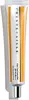
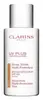
Chantecaille Ultra Sun Protection Sunscreen Broad Spectrum SPF 45 Primer Versus Clarins UV PLUS Anti-Pollution Sunscreen Multi-Protection Tint SPF 50
This chemical sunscreen covers most of the UV range, lighter on the deep UVA that drives aging.
This hybrid sunscreen covers the full UV range and blocks ~98% of UVB at SPF 50.


What's inside
What's inside
 Key Ingredients
Benefits
Concerns
Ingredients Side-by-side
Butyl Methoxydibenzoylmethane 3%
UV Absorber
Ethylhexyl Methoxycinnamate 7.5%
UV Absorber

Ethylhexyl Salicylate 5%
UV Absorber
Octocrylene 2.75%
UV Absorber
Rosa Damascena Flower Water
Masking

C12-15 Alkyl Benzoate
AntimicrobialButylene Glycol
Humectant

Polymethylsilsesquioxane

Polymethyl Methacrylate

Isononyl Isononanoate
EmollientMethyl Methacrylate Crosspolymer
Glycerin
Humectant
Vinyl Dimethicone/Methicone Silsesquioxane Crosspolymer
Dicaprylyl Carbonate
EmollientPentylene Glycol
Skin Conditioning
Polyglyceryl-6 Polyricinoleate
Emulsifying

Phenoxyethanol
Preservative
Sodium Chloride
MaskingPolyglyceryl-2 Isostearate
Emulsifying
Sorbitan Sesquiisostearate
Emulsifying
Tetrasodium EDTA
ChelatingTocopherol
Antioxidant




Melissa Officinalis Leaf Extract
Skin ConditioningStearyl Glycyrrhetinate
Skin ConditioningCarnosine
Skin Conditioning
Lecithin
Emollient
Camellia Sinensis Leaf Extract
Antimicrobial
Prunus Yedoensis Leaf Extract
Skin ConditioningCyclodextrin
AbsorbentButyl Methoxydibenzoylmethane 3%, Ethylhexyl Methoxycinnamate 7.5%, Ethylhexyl Salicylate 5%, Octocrylene 2.75%, Rosa Damascena Flower Water, C12-15 Alkyl Benzoate, Butylene Glycol, Polymethylsilsesquioxane, Polymethyl Methacrylate, Isononyl Isononanoate, Methyl Methacrylate Crosspolymer, Glycerin, Vinyl Dimethicone/Methicone Silsesquioxane Crosspolymer, Dicaprylyl Carbonate, Pentylene Glycol, Polyglyceryl-6 Polyricinoleate, Phenoxyethanol, Sodium Chloride, Polyglyceryl-2 Isostearate, Sorbitan Sesquiisostearate, Tetrasodium EDTA, Tocopherol, Melissa Officinalis Leaf Extract, Stearyl Glycyrrhetinate, Carnosine, Lecithin, Camellia Sinensis Leaf Extract, Prunus Yedoensis Leaf Extract, Cyclodextrin
Homosalate 4%
Skin Conditioning
Octocrylene 4%
UV Absorber
Benzophenone-3 1.5%
UV Absorber
Titanium Dioxide
Cosmetic Colorant
Dimethicone
Emollient
Water
Skin ConditioningAlcohol
Antimicrobial

Polyglyceryl-3 Polydimethylsiloxyethyl Dimethicone
Skin Conditioning
Aluminum Hydroxide
EmollientStearic Acid
Cleansing
PEG/PPG-18/18 Dimethicone
Emulsifying
Nylon-12
PEG-12 Dimethicone
Skin Conditioning
Sodium Chloride
MaskingPhenoxyethanol
Preservative
Parfum
Masking

Glycerin
Humectant
Ethylhexylglycerin
Skin ConditioningTocopheryl Acetate
Antioxidant
Disodium EDTA
ChelatingSanicula Europaea Extract
Skin ConditioningButylene Glycol
Humectant
Sodium Lauroyl Glutamate
SurfactantLysine
Skin ConditioningMagnesium Chloride
Sodium Hyaluronate
Humectant
Hydroxypropyltrimonium Maltodextrin Crosspolymer
SurfactantThermus Thermophillus Ferment
Skin ConditioningLapsana Communis Flower/Leaf/Stem Extract
Skin ConditioningRibes Nigrum Bud Extract
Perfuming
Potassium Sorbate
Preservative
Citric Acid
Buffering
Camellia Sinensis Leaf Extract
Antimicrobial
Cucumis Melo Fruit Extract
Skin ConditioningSodium Lauryl Sulfate
Cleansing
CI 77891
Cosmetic ColorantCI 77491
Cosmetic ColorantCI 77492
Cosmetic ColorantCI 77499
Cosmetic ColorantHomosalate 4%, Octocrylene 4%, Benzophenone-3 1.5%, Titanium Dioxide, Dimethicone, Water, Alcohol, Polyglyceryl-3 Polydimethylsiloxyethyl Dimethicone, Aluminum Hydroxide, Stearic Acid, PEG/PPG-18/18 Dimethicone, Nylon-12, PEG-12 Dimethicone, Sodium Chloride, Phenoxyethanol, Parfum, Glycerin, Ethylhexylglycerin, Tocopheryl Acetate, Disodium EDTA, Sanicula Europaea Extract, Butylene Glycol, Sodium Lauroyl Glutamate, Lysine, Magnesium Chloride, Sodium Hyaluronate, Hydroxypropyltrimonium Maltodextrin Crosspolymer, Thermus Thermophillus Ferment, Lapsana Communis Flower/Leaf/Stem Extract, Ribes Nigrum Bud Extract, Potassium Sorbate, Citric Acid, Camellia Sinensis Leaf Extract, Cucumis Melo Fruit Extract, Sodium Lauryl Sulfate, CI 77891, CI 77491, CI 77492, CI 77499
Ingredients Explained
These ingredients are found in both products.
Ingredients higher up in an ingredient list are typically present in a larger amount.
Butylene Glycol (or BG) is used within cosmetic products for a few different reasons:
Overall, Butylene Glycol is a safe and well-rounded ingredient that works well with other ingredients.
Though this ingredient works well with most skin types, some people with sensitive skin may experience a reaction such as allergic rashes, closed comedones, or itchiness.
Learn more about Butylene GlycolCamellia Sinensis Leaf Extract (tea extract) is one of the most well-researched plant extracts in skincare with an impressive resume.
Black tea, green tea, and oolong tea are all harvested from the Camellia Sinensis plant.
Studies show green tea extract and its catechins (like epigallocatechin gallate (EGCG)) help your skin cells product energy more efficiently and reducing the number of free-radicals that can damage your skin from the inside.
In lab-grown skin models, this translated to younger, healthier, and stronger skin.
There's also good sun protection data; researchers saw less DNA damage and redness on human skin when green tea was applied before UVB exposure. And the more they applied, the better the protection.
Needless to say, this ingredient shouldn't replace your sunscreen. But it is a great supportive ingredient that you can already find in many sunscreens and antioxidant serums.
A 2009 study found a 2% green tea lotion was effective for mild-to-moderate acne thanks to its anti-inflammatory and mild antimicrobial activity.
The quality of the extract matters a lot here:
Good extracts contain 50-90% catechins while lower quality ones are mostly there for marketing. We recommend reaching out to the brand if you have questions about the quality or source of their ingredients.
Human Repeated Insult Patch Testing showed no irritation or sensitization at use concentrations (0.86% in leave-on products and up to 30% as leaf water).
Learn more about Camellia Sinensis Leaf ExtractGlycerin (or glycerol) is a compound naturally found in your skin. It's a powerhouse humectant that pulls water into the stratum corneum.
Topically, glycerin does several things at once:
Your skin makes glycerin on its own (mostly from sebaceous oil breakdown) and shuttles it to your outermost layer of skin, or your epidermis, via aquaporin-3.
Aquaporin-3 is a transporter that is essential for normal skin hydration, elasticity, and repair. Interestingly, mice lacking in AQP3 have dry and less elastic skin that can be fully corrected with glycerin.
This ingredient is non-irritating, plays well with almost every ingredient, and works across all skin types. Typical use is anywhere between 3-10% but can go up to 79% in some leave-on products.
Just know very high concentrations (>40%) can feel tacky in low humidity.
Glycerin is the name for this ingredient in American English. British English uses Glycerol/Glycerine.
Learn more about GlycerinOctocrylene is an oil-soluble organic UV filter that mainly absorbs UVB and short wave UVA II light.
Its real superpower is teamwork: octocrylene is remarkably photostable and is most famous for stabilizing avobenzone (the workhorse UVA filter).
This ingredient is commonly used to enhance both UVB and UVA protection due to its unique property in stabilizing avobenzone. It also pulls double duty by boosting water resistance and giving formulas a smooth, spreadable feel.
The EU's Scientific Committee on Consumer Safety (SCCS) has deemed octocrylene to be safe as a UV-filter at concentrations up to 10% (capped at 9% in propellant sprays). The US also permits it up to 10%.
Two things worth knowing:
You'll usually see this ingredient used in concentrations between 2-10% (higher amounts when used as a stabilizer for avobenzone).
Learn more about OctocrylenePhenoxyethanol is one of the most widely used preservatives in skincare (and for good reason!).
It has a large spectrum of antimicrobial activity and especially effective bacteria, yeast, and mold while only having a weak effect on your skin's natural microbiome.
On a cellular level, it disrupts the cell membranes of microbes by poking holes that make the cell leak. This shuts down the chemical reactions the microbe needs to make energy so it can no longer survive.
Another perk of this ingredient is that it stays functional across a wide pH range (3-10).
You'll often see it paired with boosters like Ethylhexylglycerin; one study showed that a 1:9 ratio of Ethylhexylglycerin to Phenoxyethanol damages bacterial membranes as effectively as doubling the Phenoxyethanol concentration on its own.
Typical use concentrations range from 0.3-1% depending on the formula, and this ingredient is capped at 1% int the EU.
Safety-wise, the fear mongering does not hold up to the evidence. The EU's Scientific Committee on Consumer Safety and FDA consider it safe as a preservative at up to 1%, including for children of all ages.
Adverse systemic effects only showed up in animal studies at exposures roughly 200x higher than what people get from cosmetics. And despite its very widespread use, this ingredient is a rare sensitizer and allergic reactions are uncommon.
Learn more about PhenoxyethanolChances are, you eat sodium chloride every day. Sodium Chloride is also known as table salt. This ingredient has many purposes in skincare: thickener, emulsifier, and exfoliator.
You'll most likely find this ingredient in cleansers where it is used to create a gel-like texture. As an emulsifier, it also prevents ingredients from separating.
You might see people debate whether Sodium Chloride is comedogenic, but there actually haven't been any comedogenic tests done on it. Either way, the overall formulation of a product matters a lot more than any single ingredient.
You might see this ingredient used in scrubs as a primary exfoliating ingredient.
Learn more about Sodium Chloride

