

What's inside
What's inside
 Key Ingredients
Benefits
Concerns
No concerns
Ingredients Side-by-side
Water
Skin ConditioningTetrahexyldecyl Ascorbate
Antioxidant






Pentylene Glycol
Skin Conditioning
Dimethyl Isosorbide
SolventHydrolyzed Eruca Sativa Leaf
Antioxidant
Glycerin
Humectant
Zea Mays Starch
Absorbent
Cetearyl Glucoside
Emulsifying
Hydrogenated Lecithin
Emulsifying
Acetyl Zingerone
Antioxidant
Palmitoyl Glycine
CleansingCyclopentasiloxane
Emollient
Glyceryl Caprylate
EmollientPlantago Lanceolata Leaf Extract
AntimicrobialDiglucosyl Gallic Acid
Squalane
Emollient
Sodium Carboxymethyl Beta-Glucan
CleansingEuterpe Oleracea Fruit Extract

Ergothioneine
Antioxidant
Punica Granatum Extract
AstringentTocopherol
Antioxidant
Ubiquinone
Antioxidant
Acrylates/C10-30 Alkyl Acrylate Crosspolymer
Emulsion StabilisingTriethanolamine
BufferingTocopheryl Acetate
Antioxidant
Leuconostoc/Radish Root Ferment Filtrate
Antimicrobial
Phenoxyethanol
Preservative
Disodium EDTA
PPG-12/Smdi Copolymer
EmollientXanthan Gum
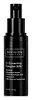
EmulsifyingWater, Tetrahexyldecyl Ascorbate, Pentylene Glycol, Dimethyl Isosorbide, Hydrolyzed Eruca Sativa Leaf, Glycerin, Zea Mays Starch, Cetearyl Glucoside, Hydrogenated Lecithin, Acetyl Zingerone, Palmitoyl Glycine, Cyclopentasiloxane, Glyceryl Caprylate, Plantago Lanceolata Leaf Extract, Diglucosyl Gallic Acid, Squalane, Sodium Carboxymethyl Beta-Glucan, Euterpe Oleracea Fruit Extract, Ergothioneine, Punica Granatum Extract, Tocopherol, Ubiquinone, Acrylates/C10-30 Alkyl Acrylate Crosspolymer, Triethanolamine, Tocopheryl Acetate, Leuconostoc/Radish Root Ferment Filtrate, Phenoxyethanol, Disodium EDTA, PPG-12/Smdi Copolymer, Xanthan Gum
Water
Skin ConditioningMethylpropanediol
SolventPropanediol
Solvent
Glycerin
Humectant
1,2-Hexanediol
Skin Conditioning
Niacinamide
Smoothing

Betaine
Humectant
3-O-Ethyl Ascorbic Acid
Skin Conditioning
Tocopheryl Acetate
Antioxidant
Panthenol
Skin Conditioning
Bifida Ferment Lysate
Skin Conditioning
Chlorella Vulgaris Extract
Skin ConditioningSodium Hyaluronate
Humectant
Melia Azadirachta Flower Extract
Skin ConditioningMelia Azadirachta Leaf Extract
Skin ConditioningHydrolyzed Hyaluronic Acid
Humectant
Curcuma Longa Root Extract
Masking
Ocimum Sanctum Leaf Extract
Skin ConditioningCorallina Officinalis Extract
Skin Conditioning
Hyaluronic Acid
Humectant
Hydrolyzed Collagen
Emollient
Sodium Hyaluronate Crosspolymer
Humectant
Hydroxyethyl Urea
Humectant
Glucose
Humectant
Hydrolyzed Glycosaminoglycans
HumectantTrehalose
Humectant
Butylene Glycol
Humectant
Fructooligosaccharides
Humectant
Fructose
Humectant
Tromethamine
BufferingBenzyl Glycol
SolventAdenosine
Skin Conditioning
Sodium Citrate
BufferingSodium Phytate
Citric Acid
Buffering

Ethylhexylglycerin
Skin ConditioningPolysorbate 20
Emulsifying
Palmitoyl Tripeptide-1
Skin Conditioning
Palmitoyl Tetrapeptide-7
Skin Conditioning
Ascorbic Acid
Antioxidant
Biotin
AntiseborrhoeicCyanocobalamin
Skin ConditioningFolic Acid
Skin ConditioningPantothenic Acid
Skin ConditioningPyridoxine
Skin ConditioningRiboflavin
Cosmetic ColorantThiamine Hcl
MaskingBioflavonoids
Skin ConditioningGlutathione
Linoleic Acid
Cleansing
Menadione
MaskingRetinol
Skin Conditioning
Tocopherol
Antioxidant
Carbomer
Emulsion StabilisingXanthan Gum
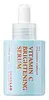
EmulsifyingWater, Methylpropanediol, Propanediol, Glycerin, 1,2-Hexanediol, Niacinamide, Betaine, 3-O-Ethyl Ascorbic Acid, Tocopheryl Acetate, Panthenol, Bifida Ferment Lysate, Chlorella Vulgaris Extract, Sodium Hyaluronate, Melia Azadirachta Flower Extract, Melia Azadirachta Leaf Extract, Hydrolyzed Hyaluronic Acid, Curcuma Longa Root Extract, Ocimum Sanctum Leaf Extract, Corallina Officinalis Extract, Hyaluronic Acid, Hydrolyzed Collagen, Sodium Hyaluronate Crosspolymer, Hydroxyethyl Urea, Glucose, Hydrolyzed Glycosaminoglycans, Trehalose, Butylene Glycol, Fructooligosaccharides, Fructose, Tromethamine, Benzyl Glycol, Adenosine, Sodium Citrate, Sodium Phytate, Citric Acid, Ethylhexylglycerin, Polysorbate 20, Palmitoyl Tripeptide-1, Palmitoyl Tetrapeptide-7, Ascorbic Acid, Biotin, Cyanocobalamin, Folic Acid, Pantothenic Acid, Pyridoxine, Riboflavin, Thiamine Hcl, Bioflavonoids, Glutathione, Linoleic Acid, Menadione, Retinol, Tocopherol, Carbomer, Xanthan Gum
Reviews
Ingredients Explained
These ingredients are found in both products.
Ingredients higher up in an ingredient list are typically present in a larger amount.
Glycerin (or glycerol) is a compound naturally found in your skin. It's a powerhouse humectant that pulls water into the stratum corneum.
Topically, glycerin does several things at once:
Your skin makes glycerin on its own (mostly from sebaceous oil breakdown) and shuttles it to your outermost layer of skin, or your epidermis, via aquaporin-3.
Aquaporin-3 is a transporter that is essential for normal skin hydration, elasticity, and repair. Interestingly, mice lacking in AQP3 have dry and less elastic skin that can be fully corrected with glycerin.
This ingredient is non-irritating, plays well with almost every ingredient, and works across all skin types. Typical use is anywhere between 3-10% but can go up to 79% in some leave-on products.
Just know very high concentrations (>40%) can feel tacky in low humidity.
Glycerin is the name for this ingredient in American English. British English uses Glycerol/Glycerine.
Learn more about GlycerinTocopherol (also known as Vitamin E) is a common antioxidant used to help protect the skin from free-radicals and strengthen the skin barrier. It's also fat soluble - this means our skin is great at absorbing it.
Vitamin E also helps keep your natural skin lipids healthy. Your lipid skin barrier naturally consists of lipids, ceramides, and fatty acids. Vitamin E offers extra protection for your skin’s lipid barrier, keeping your skin healthy and nourished.
Another benefit is a bit of UV protection. Vitamin E helps reduce the damage caused by UVB rays. (It should not replace your sunscreen). Combining it with Vitamin C can decrease sunburned cells and hyperpigmentation after UV exposure.
You might have noticed Vitamin E + C often paired together. This is because it is great at stabilizing Vitamin C. Using the two together helps increase the effectiveness of both ingredients.
There are often claims that Vitamin E can reduce/prevent scarring, but these claims haven't been confirmed by scientific research.
Learn more about TocopherolTocopheryl Acetate is AKA Vitamin E. It is an antioxidant and protects your skin from free radicals. Free radicals damage the skin by breaking down collagen.
One study found using Tocopheryl Acetate with Vitamin C decreased the number of sunburned cells.
Tocopheryl Acetate is commonly found in both skincare and dietary supplements.
Learn more about Tocopheryl AcetateWater. It's the most common cosmetic ingredient of all. You'll usually see it at the top of ingredient lists, meaning that it makes up the largest part of the product.
So why is it so popular? Water most often acts as a solvent - this means that it helps dissolve other ingredients into the formulation.
You'll also recognize water as that liquid we all need to stay alive. If you see this, drink a glass of water. Remember to stay hydrated!
Learn more about WaterXanthan gum is used as a stabilizer and thickener within cosmetic products. It helps give products a sticky, thick feeling - preventing them from being too runny.
On the technical side of things, xanthan gum is a polysaccharide - a combination consisting of multiple sugar molecules bonded together.
Xanthan gum is a pretty common and great ingredient. It is a natural, non-toxic, non-irritating ingredient that is also commonly used in food products.
Learn more about Xanthan Gum
