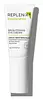
This brightening eye moisturizer is formulated around Niacinamide and Caffeine to brighten dull-looking skin and soften the look of wrinkles.
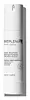
This anti-aging moisturizer is formulated around Niacinamide and Ceramide NP to soften the look of wrinkles and brighten dull-looking skin.

What's inside
What's inside
 Key Ingredients
Benefits
Concerns
Ingredients Side-by-side
Water
Skin ConditioningCyclomethicone
Emollient
Butylene Glycol
Humectant

Caprylic/Capric Triglyceride
Masking
Glycerin
Humectant
Niacinamide
Smoothing









Sodium PCA
Humectant
Sodium Hyaluronate
Humectant
Hydrolyzed Sodium Hyaluronate
Skin Conditioning
Caffeine
Skin Conditioning
Glyceryl Stearate
Emollient

Ceramide Ng
Skin Conditioning
Phospholipids
Skin Conditioning
Camellia Sinensis Polyphenols
Antioxidant
Ascorbic Acid
Antioxidant
Tocopheryl Acetate
Antioxidant
Retinol
Skin Conditioning

Arnica Montana Extract
Skin ConditioningPhytonadione Epoxide
AstringentTetrahexyldecyl Ascorbate
Antioxidant
Polyacrylamide
C13-14 Isoparaffin
Emollient
Phyllanthus Emblica Fruit Extract
HumectantN-Hydroxysuccinimide
Skin ConditioningChrysin
Skin ConditioningSteareth-20
CleansingPalmitoyl Oligopeptide
Cleansing
Palmitoyl Tetrapeptide-7
Skin Conditioning
Hesperidin Methyl Chalcone
Antioxidant
Dipeptide-2
Skin Conditioning
Albizia Julibrissin Bark Extract
MaskingDarutoside
Skin ConditioningTribehenin
Emollient
Polysorbate 20
Emulsifying
Hydrogenated Polybutene
Butylated Pvp
PEG-10 Rapeseed Sterol
CleansingPalmitoyl Hexapeptide-12
Skin Conditioning
Palmitoyl Pentapeptide-4
Skin Conditioning
Carbomer
Emulsion StabilisingCetyl Alcohol
Emollient
Behenyl Alcohol
Emollient
Laureth-7
EmulsifyingPEG-100 Stearate
Surfactant
Caprylyl Glycol
Emollient
Phenoxyethanol
Preservative
Sorbic Acid
Preservative
Titanium Dioxide
Cosmetic Colorant

Water, Cyclomethicone, Butylene Glycol, Caprylic/Capric Triglyceride, Glycerin, Niacinamide, Sodium PCA, Sodium Hyaluronate, Hydrolyzed Sodium Hyaluronate, Caffeine, Glyceryl Stearate, Ceramide Ng, Phospholipids, Camellia Sinensis Polyphenols, Ascorbic Acid, Tocopheryl Acetate, Retinol, Arnica Montana Extract, Phytonadione Epoxide, Tetrahexyldecyl Ascorbate, Polyacrylamide, C13-14 Isoparaffin, Phyllanthus Emblica Fruit Extract, N-Hydroxysuccinimide, Chrysin, Steareth-20, Palmitoyl Oligopeptide, Palmitoyl Tetrapeptide-7, Hesperidin Methyl Chalcone, Dipeptide-2, Albizia Julibrissin Bark Extract, Darutoside, Tribehenin, Polysorbate 20, Hydrogenated Polybutene, Butylated Pvp, PEG-10 Rapeseed Sterol, Palmitoyl Hexapeptide-12, Palmitoyl Pentapeptide-4, Carbomer, Cetyl Alcohol, Behenyl Alcohol, Laureth-7, PEG-100 Stearate, Caprylyl Glycol, Phenoxyethanol, Sorbic Acid, Titanium Dioxide
Water
Skin ConditioningGlycerin
Humectant
Butylene Glycol
Humectant
Dimethicone
Emollient
C12-15 Alkyl Benzoate
AntimicrobialHydrogenated Polyisobutene
EmollientNiacinamide
Smoothing
Sodium Hyaluronate
Humectant
Hydrolyzed Sodium Hyaluronate
Skin Conditioning
Cetearyl Alcohol
Emollient

Cetearyl Glucoside
Emulsifying
Ceramide NP
Skin Conditioning
Ceramide AP
Skin Conditioning
Ceramide EOP
Skin Conditioning
Ceramide Ns
Skin Conditioning
Phytosphingosine
Skin Conditioning
Cholesterol
Emollient
Sodium Lauroyl Lactylate
EmulsifyingPolyacrylamide
C13-14 Isoparaffin
Emollient
Laureth-7
EmulsifyingTocopheryl Acetate
Antioxidant
Camellia Sinensis Polyphenols
Antioxidant
Malus Domestica Fruit Cell Culture Extract
Skin ConditioningPEG-40 Stearate
Emulsifying
Stearyl Alcohol
Emollient
Behenyl Alcohol
Emollient
Cetyl Alcohol
Emollient
Tetrapeptide-21
Skin Conditioning
Resveratrol
Antioxidant
Caffeine
Skin Conditioning
Lecithin
Emollient
Glyceryl Stearate
Emollient
Xanthan Gum
EmulsifyingCarbomer
Emulsion StabilisingPhenoxyethanol
Preservative
Sorbic Acid
Preservative
Caprylyl Glycol
Emollient
Potassium Hydroxide
BufferingTitanium Dioxide
Cosmetic Colorant
Disodium EDTA
ChelatingWater, Glycerin, Butylene Glycol, Dimethicone, C12-15 Alkyl Benzoate, Hydrogenated Polyisobutene, Niacinamide, Sodium Hyaluronate, Hydrolyzed Sodium Hyaluronate, Cetearyl Alcohol, Cetearyl Glucoside, Ceramide NP, Ceramide AP, Ceramide EOP, Ceramide Ns, Phytosphingosine, Cholesterol, Sodium Lauroyl Lactylate, Polyacrylamide, C13-14 Isoparaffin, Laureth-7, Tocopheryl Acetate, Camellia Sinensis Polyphenols, Malus Domestica Fruit Cell Culture Extract, PEG-40 Stearate, Stearyl Alcohol, Behenyl Alcohol, Cetyl Alcohol, Tetrapeptide-21, Resveratrol, Caffeine, Lecithin, Glyceryl Stearate, Xanthan Gum, Carbomer, Phenoxyethanol, Sorbic Acid, Caprylyl Glycol, Potassium Hydroxide, Titanium Dioxide, Disodium EDTA
Ingredients Explained
These ingredients are found in both products.
Ingredients higher up in an ingredient list are typically present in a larger amount.
Behenyl Alcohol is a type of fatty alcohol (these are different from the drying, solvent alcohols).
Fatty Alcohols have hydrating properties and are most often used as an emollient or to thicken a product. They are usually derived from natural fats and oils; behenyl alcohol is derived from the fats of vegetable oils.
Emollients help keep your skin soft and hydrated by creating a film that traps moisture in.
In 2000, Behenyl Alcohol was approved by the US as medicine to reduce the duration of cold sores.
Learn more about Behenyl AlcoholButylene Glycol (or BG) is used within cosmetic products for a few different reasons:
Overall, Butylene Glycol is a safe and well-rounded ingredient that works well with other ingredients.
Though this ingredient works well with most skin types, some people with sensitive skin may experience a reaction such as allergic rashes, closed comedones, or itchiness.
Learn more about Butylene GlycolC13-14 Isoparaffin is a synthetic emollient, solvent, and thickening agent. It helps soften skin and improves spreadability without leaving a greasy residue.
This ingredient has been found to be non-sensitizing and safe for use in cosmetics.
Two things floating around online that cause fear-mongering:
There's one scary-sounding study related to kidney tumors in male rats; this depends on a protein called alpha-2u-globulin that binds the ingredient and clogs up kidney cells. Female rats barely make this protein, and humans don't make it at all so this effect cannot happen to us. Regulatory bodies have states this rat-only pathway shouldn't be used to judge human risk.
The other thing you'll see is 1,4-dioxane being a trace byproduct that can form during manufacturing of petroleum-derived ingredients. This is a real, but heavily managed/monitored issue. This byproduct is removed through purification steps before the ingredients goes into the formula. Regulatory bodies also actively monitor residual levels for safety.
One last thing to note: this ingredient is a pure hydrocarbon with no fatty-acid or ester chains for Malassezia to feed on, so it's considered fungal acne safe.
Learn more about C13-14 IsoparaffinCaffeine is a naturally occurring plant compound found in coffee beans, tea leaves, cocoa pods, and guarana.
As an antioxidant, caffeine protects your skin from free radical damage caused by UV exposure and envionrmnetal stressors.
Early research also shows that caffeine can help calm redness, soothe irritated skin, and support hair growth by stimulating microcirculation in the scalp.
You might have seen eye creams marketing caffeine as a depuffing ingredient. This is because it is a vasoconstrictor meaning it can temporarily constrict blood vessels, though clinical evidence for this specific use is still limited.
Most skincare products contain this ingredient at concentrations between 1-6%. It is able to penetrate skin easily regardless of skin type or thickness.
Just so you know, a very small number of case reports describe caffeine-induced allergy. This ingredient is generally well-tolerated, non-irritating, and non-sensitizing for the majority of people.
Learn more about CaffeineCamellia Sinensis Polyphenols comes from the tea plant. This plant gives us the kind of tea we drink, such as green tea and black tea.
Polyphenols are a group of compounds that have potent antioxidant activity. Antioxidants protect our skin against damage and may help reduce the signs of aging.
Examples of polyphenols include flavonoids and tannic acid.
Read more about the benefits of tea extract here.
Learn more about Camellia Sinensis PolyphenolsCaprylyl Glycol is a humectant, skin conditioner, emollient, and preservative booster derived from either caprylic acid or synthetically created.
Typical use levels vary from 0.3-1% as a preservative booster and go up to 2% to condition skin.
Because it is not a free-fatty acid, this ingredient is fungal acne safe (there's nothing for Malassezia to feed on).
Learn more about Caprylyl GlycolCarbomer is a synthetic thickening and gelling agent. It's basically the ingredient that gives a lot of serums, gels, creams, and sunscreens their smooth, non-sticky texture.
Although legally permitted at very high levels, carbomers are normally used at concentrations below 1%.
It also needs to be neutralized to actually thicken, and because it is a large molecule, it doesn't really penetrate the skin barrier.
Allergy-wise, the risk is very low. Clinical studies show carbomers have low potential for skin irritation/sensitization even at concentrations up to 100%.
A 2024 UK study patch-tested 1,302 patients and found true allergy to the parent group of carbomer to be rare with no confirmed relevant reactions.
Learn more about CarbomerCetyl Alcohol is a fatty alcohol. Fatty Alcohols are most often used as an emollient or to thicken a product.
Its main roles are:
Though it has "alcohol" in the name, it is not related to denatured alcohol or ethyl alcohol.
The FDA allows products labeled "alcohol-free" to have fatty alcohols.
This ingredient may not be fungal acne safe. It is a primary fatty alcohol with a chain length above 12 carbons. A study from 2019 show Malassezia can feed on fatty alcohols in this range, so it may trigger fungal acne in those prone to it.
Learn more about Cetyl AlcoholGlycerin (or glycerol) is a compound naturally found in your skin. It's a powerhouse humectant that pulls water into the stratum corneum.
Topically, glycerin does several things at once:
Your skin makes glycerin on its own (mostly from sebaceous oil breakdown) and shuttles it to your outermost layer of skin, or your epidermis, via aquaporin-3.
Aquaporin-3 is a transporter that is essential for normal skin hydration, elasticity, and repair. Interestingly, mice lacking in AQP3 have dry and less elastic skin that can be fully corrected with glycerin.
This ingredient is non-irritating, plays well with almost every ingredient, and works across all skin types. Typical use is anywhere between 3-10% but can go up to 79% in some leave-on products.
Just know very high concentrations (>40%) can feel tacky in low humidity.
Glycerin is the name for this ingredient in American English. British English uses Glycerol/Glycerine.
Learn more about GlycerinGlyceryl Stearate is made by reacting glycerin with stearic acid (typically sourced from plant oils like palm or coconut). It's an emulsifier, emollient, and mild occlusive.
Emulsifiers help ingredients like oil and water stay mixed so your formula stays nicely blended and uniform in texture.
This ingredient is typically used in concentrations between 1-10%. Studies have found it to be non-sensitizing, non-phototoxic, and non-photoallergenic.
A close cousin of this ingredient is Glyceryl Stearate SE ("self-emulsifying"). This just has a small amount of sodium or potassium stearate added so it can emulsify without a co-emulsifier.
Since this ingredient is an ester of a C18 fatty acid, it may not be fungal acne safe. The Malassezia yeast can potentially metabolize within the C11-C24 range.
Fun fact: The human body also creates Glyceryl Stearate naturally.
Learn more about Glyceryl StearateThis ingredient is created by putting sodium hyaluronate through hydrolysis.
You might know this as 'mini' or 'ultra low-molecular weight' hyaluronic acid. The small molecule size means it is able to travel deeper in the skin.
According to studies, low molecular-weight hyaluronic acid can:
One study from 2011 found ultra-low weight HA to show pro-inflammatory properties. Another study from 2022 found it to downregulate UV-B induced inflammation.
Hydrolysis is a process of changing a molecule using water or enzymes.
This ingredient is water-soluble.
Learn more about Hydrolyzed Sodium HyaluronateLaureth-7 is created by the ethoxylation of lauryl alcohol using ethylene oxide. Lauryl alcohol is a fatty alcohol with hydrating properties.
This ingredient is an emulsifier and cleansing ingredient. As an emulsifier, it is used to prevent ingredients from separating. It also helps cleanse the skin by gathering dirt, oil, and pollutants to be rinsed away.
Niacinamide is a multitasking form of vitamin B3 that strengthens the skin barrier, reduces pores and dark spots, regulates oil, and improves signs of aging.
And the best part? It's gentle and well-tolerated by most skin types, including sensitive and reactive skin.
You might have heard of "niacin flush", or the reddening of skin that causes itchiness. Niacinamide has not been found to cause this.
In very rare cases, some individuals may not be able to tolerate niacinamide at all or experience an allergic reaction to it.
If you are experiencing flaking, irritation, and dryness with this ingredient, be sure to double check all your products as this ingredient can be found in all categories of skincare.
When incorporating niacinamide into your routine, look out for concentration amounts. Typically, 5% niacinamide provides benefits such as fading dark spots. However, if you have sensitive skin, it is better to begin with a smaller concentration.
When you apply niacinamide to your skin, your body converts it into nicotinamide adenine dinucleotide (NAD). NAD is an essential coenzyme that is already found in your cells as "fuel" and powers countless biological processes.
In your skin, NAD helps repair cell damage, produce new healthy cells, support collagen production, strengthen the skin barrier, and fight environmental stressors (like UV and pollution).
Our natural NAD levels start to decline with age, leading to slower skin repair, visible aging, and a weaker skin barrier. By providing your skin niacinamide, you're recharging your skin's NAD levels. This leads to stronger, healthier, and younger looking skin.
Another name for vitamin B3 is nicotinamide. This vitamin is water-soluble and our bodies don't store it. We obtain Vitamin B3 from either food or skincare. Meat, fish, wheat, yeast, and leafy greens contain vitamin B3.
The type of niacinamide used in skincare is synthetically created.
Learn more about NiacinamidePhenoxyethanol is one of the most widely used preservatives in skincare (and for good reason!).
It has a large spectrum of antimicrobial activity and especially effective bacteria, yeast, and mold while only having a weak effect on your skin's natural microbiome.
On a cellular level, it disrupts the cell membranes of microbes by poking holes that make the cell leak. This shuts down the chemical reactions the microbe needs to make energy so it can no longer survive.
Another perk of this ingredient is that it stays functional across a wide pH range (3-10).
You'll often see it paired with boosters like Ethylhexylglycerin; one study showed that a 1:9 ratio of Ethylhexylglycerin to Phenoxyethanol damages bacterial membranes as effectively as doubling the Phenoxyethanol concentration on its own.
Typical use concentrations range from 0.3-1% depending on the formula, and this ingredient is capped at 1% int the EU.
Safety-wise, the fear mongering does not hold up to the evidence. The EU's Scientific Committee on Consumer Safety and FDA consider it safe as a preservative at up to 1%, including for children of all ages.
Adverse systemic effects only showed up in animal studies at exposures roughly 200x higher than what people get from cosmetics. And despite its very widespread use, this ingredient is a rare sensitizer and allergic reactions are uncommon.
Learn more about PhenoxyethanolPolyacrylamide is a synthetic polymer. It is used to stabilize products and bind ingredients. When hydrated, Polyacrylamide forms a soft gel.
Polyacrylamide is low-toxicity. If source properly, it is deemed safe to use in cosmetics.
It should be noted the precursor to Polyacrylamide is acrylamide. Acrylamide is a carcinogen. Most reputable sources of Polyacrylamide will screen for residual acrylamide to make sure the count is in a safe range. Acrylamide is not able to be absorbed through the skin.
We recommend speaking with a professional if you have concerns.
Learn more about PolyacrylamideSodium Hyaluronate is the salt form of hyaluronic acid. It is a long sugar chain that is naturally found in your skin, joints, and connective tissue that maintains hydration and elasticity.
In skincare, it works as a humectant. It pulls water from the environment and deeper layers of skin and binds it to the surface.
Interestingly, the size of the molecule affects its behavior:
Some clinical evidence links low molecular weight versions to improved wrinkle depth, elasticity, anti-inflammatory effects, and barrier repair.
Many serums use a blend of both weights so you can get surface hydration plus longer-lasting and deeper effects.
You'll typically see concentrations between 0.1-2% for this ingredient.
Learn more about Sodium HyaluronateSorbic Acid is a preservative that stops your product from spoiling by stopping microbes from growing.
As a preservative, it's kind of a specialist: it has a broad spectrum of activity against yeast and molds but is weaker against bacteria. That's why it's often paired with another preservative to cover that gap.
This ingredient is also pretty picky about pH; it performs best at pH 6.5 or below.
At the right pH level, sorbic acid is "active" and can slip through the outer wall of a microbe. Once inside, it turns the cell's interior more acidic to shut down the microbe from the inside.
The EU caps this ingredient at 0.6% while the CIR has concluded it's safe at concentrations up to 1%. It's most often used around 0.05-0.2% in cosmetics.
Though this ingredient is considered low-sensitizing and well-tolerated, a very small number of people may have a contact allergy to it. Be sure to patch test if you have a history of allergies towards preservatives.
Learn more about Sorbic AcidTitanium Dioxide (TD) is a mineral UV filter widely used in sunscreens and cosmetics.
It's one of only two UV filters officially classified as "mineral" by regulatory agencies (the other being Zinc Oxide).
A really common myth is that mineral filters work by reflecting UV light off your skin like tiny mirrors.
They don't only do that; modern research shows TD protects mostly by absorbing UV radiation, the same way chemical filters do.
When researchers measured this, reflection accounted for only about 4-5% of the protection (and less than SPF 2 on its own). The other ~95% comes from absorption: the UV photons hit the particle and their energy gets soaked up by its semiconductor band gap rather than bouncing off.
So "reflects vs. absorbs" was never really the right way to split mineral from chemical filters.
TD gives broad-spectrum protection that's strongest in the UVB and UVA-2 range and weaker in the UVA-1 range. Its UVA protection isn't quite as strong as Zinc Oxide's which is why you'll often see the two paired together.
Together, they make a solid broad-spectrum system.
TD is a great pick for sensitive, acne-prone, or redness-prone skin because it's non-irritating and chemically inert. Regulatory reviews classify it as a non-sensitizer and mild-to-non-irritant.
It's also unlikely to cause the "eye sting" some chemical filters are known for.
The main trade-off is cosmetic; TD can leave a white cast and has a thicker texture. This is why mineral sunscreens are often less cosmetically elegant than chemical or hybrid formulas (and harder to shade-match on deeper skin tones).
Formulators often use micronized or nano-sized TD to cut down on white case and improve spreadability. Smaller particles scatter less visible light so the formula looks less chalky while still filtering UV.
TD is almost always bundled with coatings like Alumina, Silica, Stearic Acid, or Dimethicone. These coatings do two important jobs:
TD can be used at up to 25% in a finished sunscreen; this is the regulatory ceiling in both the US and the EU.
In practice, the amount in any given product varies a lot depending on the target SPF and whether it's paired with other UV filters.
TD is one of the most heavily vetted sunscreen ingredients out there. It is approved as a UV filter in all major markets worldwide, including the US, EU, UK, Japan, Korea, China, Australia, and Canada.
The safety evidence is solid. There was an old worry that nano particles might absorb through skin into the body but multiple studies (including on damaged, sunburned, and UV-irradiated skin) have shown that TD stays on the surface and the layer of dead skin cells on top of everything else.
There's also no evidence of carcinogenicity, mutagenicity, or reproductive toxicity from dermal exposure of this ingredient.
For those who have seen the headline about a 2022 EU ban on TD, that was on TD as a food additive (a complete separate use from topical sunscreen).
There are ongoing questions about how nano-TD might affect marine ecosystems. As of now, there has been no conclusive evidence that any form of TD (or any other sunscreen filter) harms coral reefs or marine life.
The science is still developing and it's a space worth watching rather than packing over.
However, several destinations have reef-safety sunscreen rules that restrict certain chemical filters and steer visitors toward mineral, non-nano options. If you're traveling somewhere with these rules, a non-nano mineral sunscreen is the safe bet.
Learn more about Titanium DioxideTocopheryl Acetate is a stable, shelf-friendly form of vitamin E.
Formulators love it because plain vitamin E oxidizes quickly once it hits air. This acetate version stays stable and resists going off, helping to extend a product's shelf life.
It's actually inactive on its own and works like a slow-release "storage" form; the enzymes in your skin called esterases gradually convert it into active vitamin E over time.
One in vivo study showed 5% of the acetate in the living layer of the epidermis converted to vitamin E after 5 days of application. This study also found the skin gained protection against UV damage even though the conversion was slow and small.
Once converted, vitamin E acts as a skin's main fat-soluble antioxidant that fights free radicals to protect skin from damage.
Topical vitamin E generally boosts the skin's photoprotection, and it reduced UV-damage in animal models.
This ingredient has some brightening potential but it's more of a prevention ingredient than spot-fader. Cell studies show it can slow down melanin production but it's worth noting that it's not the most powerful brightener out there.
Overall, it has a pretty solid safety profile and has been found to be non-irritating and non-comedogenic. Allergic reactions may happen but stay rare due to how widely the ingredient gets used.
The concentration will vary depending on the formula; industry data shows 0.1% in baby lotions, 3% in lipsticks, and 5% in foot powders. You can also find this ingredient at 100% in a pure vitamin E oil.
Most leave-on skincare keeps it at the lower end, often between 0.5-1%.
Learn more about Tocopheryl AcetateWater. It's the most common cosmetic ingredient of all. You'll usually see it at the top of ingredient lists, meaning that it makes up the largest part of the product.
So why is it so popular? Water most often acts as a solvent - this means that it helps dissolve other ingredients into the formulation.
You'll also recognize water as that liquid we all need to stay alive. If you see this, drink a glass of water. Remember to stay hydrated!
Learn more about Water

