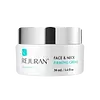
This anti-aging moisturizer is formulated around Camellia Sinensis Leaf Extract and Palmitoyl Tripeptide-5 to soften the look of wrinkles.
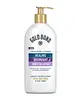
This barrier-repair night moisturizer is formulated around Gluconolactone and Niacinamide to strengthen the skin barrier.


What's inside
What's inside
 Key Ingredients
Benefits
Concerns
Ingredients Side-by-side
Water
Skin ConditioningCamellia Sinensis Leaf Extract
Antimicrobial







Rubus Fruticosus Leaf Extract
MaskingChamomilla Recutita Flower Extract
Masking
Neopentyl Glycol Diethylhexanoate
Emollient
Echinacea Angustifolia Meristem Cell Culture
Skin ConditioningSodium Hyaluronate
Humectant
Cyclopentasiloxane
Emollient
Glycol Distearate
Emollient

Stearic Acid
Cleansing
Cetearyl Alcohol
Emollient



Palmitoyl Tripeptide-4
Skin Conditioning
Palmitoyl Tripeptide-5
Skin Conditioning
Trifluoroacetyl Tripeptide-2
Skin Conditioning
Cetyl Alcohol
Emollient
Butyrospermum Parkii Butter
Skin Conditioning
Isostearyl Isostearate
Emollient
Cetyl Stearate
Emollient
Tocopherol
Antioxidant

Hydrolyzed DNA
Skin ConditioningAllantoin
Skin Conditioning
Panthenol
Skin Conditioning
Caprylic/Capric Triglyceride
Masking
Acrylates/C10-30 Alkyl Acrylate Crosspolymer
Emulsion Stabilising1,2-Hexanediol
Skin Conditioning
Ethylhexylglycerin
Skin ConditioningWater, Camellia Sinensis Leaf Extract, Rubus Fruticosus Leaf Extract, Chamomilla Recutita Flower Extract, Neopentyl Glycol Diethylhexanoate, Echinacea Angustifolia Meristem Cell Culture, Sodium Hyaluronate, Cyclopentasiloxane, Glycol Distearate, Stearic Acid, Cetearyl Alcohol, Palmitoyl Tripeptide-4, Palmitoyl Tripeptide-5, Trifluoroacetyl Tripeptide-2, Cetyl Alcohol, Butyrospermum Parkii Butter, Isostearyl Isostearate, Cetyl Stearate, Tocopherol, Hydrolyzed DNA, Allantoin, Panthenol, Caprylic/Capric Triglyceride, Acrylates/C10-30 Alkyl Acrylate Crosspolymer, 1,2-Hexanediol, Ethylhexylglycerin
Water
Skin ConditioningGlycerin
Humectant
Hydroxyethyl Urea
Humectant
Butyrospermum Parkii Butter Extract
Skin Conditioning
Cocos Nucifera Oil
Masking

Jojoba Esters
Emollient
Gluconolactone
Chelating

Niacinamide
Smoothing
Petrolatum
Emollient
Steareth-21
CleansingCetyl Alcohol
Emollient
Distearyldimonium Chloride
Aloe Barbadensis Leaf Juice
Skin Conditioning
Behentrimonium Methosulfate
SurfactantGlyceryl Stearate
Emollient
Stearyl Alcohol
Emollient
Lavandula Angustifolia Extract
Skin Conditioning
Chamomilla Recutita Flower Extract
Masking
Sodium Hyaluronate
Humectant
Melatonin
Antioxidant
Dimethicone
Emollient
Theobroma Cacao Seed Butter
Emollient
Rosmarinus Officinalis Leaf Extract
AntimicrobialZingiber Officinale Root Extract
Masking
Acacia Farnesiana Flower Extract
Perfuming
Hydrolyzed Jojoba Esters
Skin Conditioning
Ceramide NP
Skin Conditioning
Ceramide Ns
Skin Conditioning
Ceramide Eos
Skin Conditioning
Ceramide EOP
Skin Conditioning
Ceramide AP
Skin Conditioning
Hydroxyacetophenone
Antioxidant
Bisabolol
Antioxidant
Tocopheryl Acetate
Antioxidant
3-O-Ethyl Ascorbic Acid
Skin Conditioning
Caprooyl Phytosphingosine
Skin Conditioning
Caprooyl Sphingosine
Skin ConditioningStearamidopropyl Pg-Dimonium Chloride Phosphate
Cholesterol
Emollient
Ceteareth-25
CleansingBehenic Acid
Cleansing
Butylene Glycol
Humectant
Propylene Glycol
Humectant
Isopropyl Myristate
Emollient
Potassium Hydroxide
BufferingEthylhexylglycerin
Skin ConditioningDisodium EDTA
ChelatingParfum
Masking
Water, Glycerin, Hydroxyethyl Urea, Butyrospermum Parkii Butter Extract, Cocos Nucifera Oil, Jojoba Esters, Gluconolactone, Niacinamide, Petrolatum, Steareth-21, Cetyl Alcohol, Distearyldimonium Chloride, Aloe Barbadensis Leaf Juice, Behentrimonium Methosulfate, Glyceryl Stearate, Stearyl Alcohol, Lavandula Angustifolia Extract, Chamomilla Recutita Flower Extract, Sodium Hyaluronate, Melatonin, Dimethicone, Theobroma Cacao Seed Butter, Rosmarinus Officinalis Leaf Extract, Zingiber Officinale Root Extract, Acacia Farnesiana Flower Extract, Hydrolyzed Jojoba Esters, Ceramide NP, Ceramide Ns, Ceramide Eos, Ceramide EOP, Ceramide AP, Hydroxyacetophenone, Bisabolol, Tocopheryl Acetate, 3-O-Ethyl Ascorbic Acid, Caprooyl Phytosphingosine, Caprooyl Sphingosine, Stearamidopropyl Pg-Dimonium Chloride Phosphate, Cholesterol, Ceteareth-25, Behenic Acid, Butylene Glycol, Propylene Glycol, Isopropyl Myristate, Potassium Hydroxide, Ethylhexylglycerin, Disodium EDTA, Parfum
Ingredients Explained
These ingredients are found in both products.
Ingredients higher up in an ingredient list are typically present in a larger amount.
Cetyl Alcohol is a fatty alcohol. Fatty Alcohols are most often used as an emollient or to thicken a product.
Its main roles are:
Though it has "alcohol" in the name, it is not related to denatured alcohol or ethyl alcohol.
The FDA allows products labeled "alcohol-free" to have fatty alcohols.
This ingredient may not be fungal acne safe. It is a primary fatty alcohol with a chain length above 12 carbons. A study from 2019 show Malassezia can feed on fatty alcohols in this range, so it may trigger fungal acne in those prone to it.
Learn more about Cetyl AlcoholChamomilla Recutita Flower Extract comes from the Chamomile flower.
Chamomile is rich in antioxidants and has anti-inflammatory properties. Several compounds found in chamomile help with soothing, such as bisbolol.
Antioxidant components in chamomile make it an effective ingredient to help slow the signs of aging. Antioxidants help fight free-radical molecules, or molecules that may damage your skin.
Essential oils from chamomile have been found to improve wound healing due to its antimicrobial properties.
Ancient Greeks and Egyptians used Chamomile to treat skin redness and dryness. Chamomile has also been used to help treat stomach issues.
Learn more about Chamomilla Recutita Flower ExtractEthylhexylglycerin is created from glycerin. It is a multitasker ingredient that:
The CIR Expert Panel found minimal skin absorption or sensitization of any kind in a safety assessment. Though this ingredient is considered well-tolerated, a small number of cases of allergic dermatitis have been published since 2002. Just be sure to patch test if you are unsure.
Industry-reported use ranges from 8% in rinse-off products and 2% in leave-on formulations.
Learn more about EthylhexylglycerinSodium Hyaluronate is the salt form of hyaluronic acid. It is a long sugar chain that is naturally found in your skin, joints, and connective tissue that maintains hydration and elasticity.
In skincare, it works as a humectant. It pulls water from the environment and deeper layers of skin and binds it to the surface.
Interestingly, the size of the molecule affects its behavior:
Some clinical evidence links low molecular weight versions to improved wrinkle depth, elasticity, anti-inflammatory effects, and barrier repair.
Many serums use a blend of both weights so you can get surface hydration plus longer-lasting and deeper effects.
You'll typically see concentrations between 0.1-2% for this ingredient.
Learn more about Sodium HyaluronateWater. It's the most common cosmetic ingredient of all. You'll usually see it at the top of ingredient lists, meaning that it makes up the largest part of the product.
So why is it so popular? Water most often acts as a solvent - this means that it helps dissolve other ingredients into the formulation.
You'll also recognize water as that liquid we all need to stay alive. If you see this, drink a glass of water. Remember to stay hydrated!
Learn more about Water

