

What's inside
What's inside
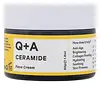 Key Ingredients
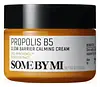
Benefits
Concerns
Ingredients Side-by-side
Water
Skin ConditioningGlycerin
Humectant


Cetearyl Alcohol
Emollient




Glyceryl Stearate
Emollient
Caprylic/Capric Triglyceride
Masking
Helianthus Annuus Seed Oil
Emollient
Vitis Vinifera Seed Oil
Emollient
Ananas Sativus Fruit Extract
Skin ConditioningCeramide NP
Skin Conditioning


Squalane
Emollient
Carbomer
Emulsion StabilisingSimmondsia Chinensis Seed Oil
Emollient
Olive Glycerides
Emulsifying
Sodium Stearoyl Glutamate
CleansingCoco-Glucoside
Cleansing
Benzyl Alcohol
Perfuming





Coconut Alcohol
Emollient
Sodium Gluconate
Skin ConditioningCyclodextrin
AbsorbentDehydroacetic Acid
Preservative
Sodium Hydroxide
BufferingWater, Glycerin, Cetearyl Alcohol, Glyceryl Stearate, Caprylic/Capric Triglyceride, Helianthus Annuus Seed Oil, Vitis Vinifera Seed Oil, Ananas Sativus Fruit Extract, Ceramide NP, Squalane, Carbomer, Simmondsia Chinensis Seed Oil, Olive Glycerides, Sodium Stearoyl Glutamate, Coco-Glucoside, Benzyl Alcohol, Coconut Alcohol, Sodium Gluconate, Cyclodextrin, Dehydroacetic Acid, Sodium Hydroxide
Propolis Extract 70%
Skin Conditioning

Honey Extract
Humectant
Butylene Glycol
Humectant
Glycerin
Humectant
Niacinamide
Smoothing





1,2-Hexanediol
Skin Conditioning
Centella Asiatica Extract
Cleansing
Panthenol 1%
Skin Conditioning
Melaleuca Alternifolia Leaf Water
AntimicrobialLactobacillus Ferment Lysate
Skin Conditioning
Royal Jelly Extract
Skin Conditioning
Beeswax
Emulsion Stabilising
Centella Asiatica Leaf Extract
Skin Conditioning
Artemisia Princeps Leaf Extract
Skin ConditioningMadecassoside
Antioxidant
Madecassic Acid
Skin Conditioning
Asiaticoside
Antioxidant
Asiatic Acid
Skin Conditioning
Ceramide NP
Skin Conditioning
Sodium Hyaluronate
Humectant
Hydrolyzed Hyaluronic Acid
Humectant
Sodium Acetylated Hyaluronate
Humectant
Hydrolyzed Glycosaminoglycans
HumectantSimmondsia Chinensis Seed Oil
Emollient
Malt Extract
Skin ProtectingTrehalose
Humectant
Arginine
Masking
Tocopherol
Antioxidant
Adenosine
Skin Conditioning
Diphenylsiloxy Phenyl Trimethicone
Skin Conditioning
Caprylyl Methicone
Skin Conditioning
Sorbitan Oleate
Emulsifying
Inulin Lauryl Carbamate
Emulsion StabilisingBehenyl Alcohol
Emollient
Sorbitan Isostearate
Emulsifying
Caprylyl/Capryl Glucoside
CleansingXanthan Gum
EmulsifyingCarbomer
Emulsion StabilisingDimethicone/Phenyl Vinyl Dimethicone Crosspolymer
Acrylates/C10-30 Alkyl Acrylate Crosspolymer
Emulsion StabilisingSodium Acrylate/Sodium Acryloyldimethyl Taurate Copolymer
Emulsion StabilisingPolyisobutene
Water
Skin ConditioningBenzyl Glycol
SolventEthylhexylglycerin
Skin ConditioningRaspberry Ketone
Masking
Disodium EDTA
Parfum
Masking

Benzyl Alcohol
Perfuming
Coumarin
Perfuming
Propolis Extract 70%, Honey Extract, Butylene Glycol, Glycerin, Niacinamide, 1,2-Hexanediol, Centella Asiatica Extract, Panthenol 1%, Melaleuca Alternifolia Leaf Water, Lactobacillus Ferment Lysate, Royal Jelly Extract, Beeswax, Centella Asiatica Leaf Extract, Artemisia Princeps Leaf Extract, Madecassoside, Madecassic Acid, Asiaticoside, Asiatic Acid, Ceramide NP, Sodium Hyaluronate, Hydrolyzed Hyaluronic Acid, Sodium Acetylated Hyaluronate, Hydrolyzed Glycosaminoglycans, Simmondsia Chinensis Seed Oil, Malt Extract, Trehalose, Arginine, Tocopherol, Adenosine, Diphenylsiloxy Phenyl Trimethicone, Caprylyl Methicone, Sorbitan Oleate, Inulin Lauryl Carbamate, Behenyl Alcohol, Sorbitan Isostearate, Caprylyl/Capryl Glucoside, Xanthan Gum, Carbomer, Dimethicone/Phenyl Vinyl Dimethicone Crosspolymer, Acrylates/C10-30 Alkyl Acrylate Crosspolymer, Sodium Acrylate/Sodium Acryloyldimethyl Taurate Copolymer, Polyisobutene, Water, Benzyl Glycol, Ethylhexylglycerin, Raspberry Ketone, Disodium EDTA, Parfum, Benzyl Alcohol, Coumarin
Reviews
Ingredients Explained
These ingredients are found in both products.
Ingredients higher up in an ingredient list are typically present in a larger amount.
Benzyl Alcohol is most commonly used as a preservative. It also has a subtle, sweet smell. Small amounts of Benzyl Alcohol is not irritating and safe to use in skincare products. Most Benzyl Alcohol is derived from fruits such as apricots.
Benzyl Alcohol has both antibacterial and antioxidant properties. These properties help lengthen the shelf life of products. Benzyl Alcohol is a solvent and helps dissolve other ingredients. It can also improve the texture and spreadability.
Alcohol comes in many different forms. Different types of alcohol will have different effects on skin. This ingredient is an astringent alcohol.
Using high concentrations of these alcohols are drying on the skin. They may strip away your skin's natural oils and even damage your skin barrier. Astringent alcohols may also irritate skin.
Other types of astringent alcohols include:
According to the National Rosacea Society based in the US, you should be mindful of products with these alcohols in the top half of ingredients.
Any type of sanitizing product will have high amounts of alcohol to help kill bacteria and viruses.
Learn more about Benzyl AlcoholCarbomer is a high-molecular weight polymer of acrylic acid. It is used to form gels and thicken formulas.
Due to its large molecular size, carbomer has minimal skin penetration and is considered an inert ingredient.
A high amount of carbomer can cause pilling or balling up of products. Don't worry, most products contain 1% or less of carbomer.
Learn more about CarbomerCeramide NP (formerly known as Ceramide 3) is one of the skin's naturally occurring lipids.
Since ceramides are the major lipid components of the skin, they are crucial for maintaining skin barrier and hydration. Ceramide NP most closely mirrors the dominant kind in human skin amongst ceramide subtypes.
This ceramide works by slotting into gaps within the stratum corneum's lipid matrix to limit trans-epidermal water loss (TEWL) and shield the skin against external irritants.
A study with 312 patients found that using a ceramide-containing routine for 4 weeks reduced the severity of atopic dermatitis by over 61%.
Another clinical study in subjects aged 60 and older found that a ceramide body wash and moisturizer improved skin dryness and itchy skin in 15 days.
Overall, ceramides are considered non-irritating and safety tests have found little to no observable adverse effects from using this ingredient.
Ceramide NP is usually sourced from plants (like soybean or rice bran), or produced synthetically.
Learn more about Ceramide NPGlycerin (or glycerol) is a compound naturally found in your skin. It's a powerhouse humectant that pulls water into the stratum corneum.
Topically, glycerin does several things at once:
Your skin makes glycerin on its own (mostly from sebaceous oil breakdown) and shuttles it to your outermost layer of skin, or your epidermis, via aquaporin-3.
Aquaporin-3 is a transporter that is essential for normal skin hydration, elasticity, and repair. Interestingly, mice lacking in AQP3 have dry and less elastic skin that can be fully corrected with glycerin.
This ingredient is non-irritating, plays well with almost every ingredient, and works across all skin types. Typical use is anywhere between 3-10% but can go up to 79% in some leave-on products.
Just know very high concentrations (>40%) can feel tacky in low humidity.
Glycerin is the name for this ingredient in American English. British English uses Glycerol/Glycerine.
Learn more about GlycerinJojoba oil is one of the most well-studied plant-derived ingredients in cosmetics. It is an emollient with a special structure.
Because it is made up of 97-98% wax esters, it closely mirrors the linear monoesters found in human sebum. This makes it skin compatible, non-greasy, and lightweight.
Unlike other plant oils, jojoba wax doesn't easily penetrate skin. It mostly works in the uppermost layers as an emollient. This just means it forms a light barrier on the skin to help retain moisture.
Formulations with jojoba esters up to 90% reduced transepidermal water loss (TEWL) and increased barrier recovery by 81% (outperforming bisabolol at 47%).
Besides barrier support, the science also suggests jojoba to have anti-inflammatory effects and potential applications for skin infections, aging, and wound healing.
Fun fact: Indigenous cultures have used jojoba as a moisturizer and to help treat burns for centuries.
Due to its fatty acid content, Jojoba oil may not be fungal acne safe.
Learn more about Simmondsia Chinensis Seed OilWater. It's the most common cosmetic ingredient of all. You'll usually see it at the top of ingredient lists, meaning that it makes up the largest part of the product.
So why is it so popular? Water most often acts as a solvent - this means that it helps dissolve other ingredients into the formulation.
You'll also recognize water as that liquid we all need to stay alive. If you see this, drink a glass of water. Remember to stay hydrated!
Learn more about Water
