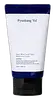
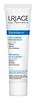
Pyunkang Yul Dear Mom Total Care Moisture Cream Versus Uriage Bariéderm Repairing Cica-Cream with Cu-Zn
This barrier-repair moisturizer is formulated around Butyrospermum Parkii Butter and Niacinamide to strengthen the skin barrier and hydrate skin.
This barrier-repair moisturizer is formulated around Zinc Oxide and Panthenol to strengthen the skin barrier and calm redness.


What's inside
What's inside
 Key Ingredients
Benefits
Concerns
Ingredients Side-by-side
Water
Skin ConditioningCetyl Ethylhexanoate
EmollientButyrospermum Parkii Butter
Skin Conditioning






Polyglyceryl-3 Diisostearate
Emulsifying
Cetearyl Alcohol
Emollient

Niacinamide
Smoothing










Glyceryl Stearates
Emollient
Caprylyl Methicone
Skin Conditioning
Trimethylpentanediol/Adipic Acid/Glycerin Crosspolymer
Skin ConditioningVinyldimethicone
Glyceryl Caprylate
EmollientSorbitan Sesquioleate
Emulsifying
Glyceryl Stearate Citrate
Emollient
Dimethiconol
Emollient
Sodium Acrylate/Sodium Acryloyldimethyl Taurate Copolymer
Emulsion StabilisingCarbomer
Emulsion StabilisingPolyisobutene
Caprylyl Glycol
Emollient
Caprylic/Capric Triglyceride
Masking
Ethylhexyl Palmitate
Emollient
Xanthan Gum
EmulsifyingAdenosine
Skin Conditioning
Disodium EDTA
ChelatingCaprylyl/Capryl Glucoside
CleansingSorbitan Oleate
Emulsifying
Butylene Glycol
Humectant
1,2-Hexanediol
Skin Conditioning
Pentylene Glycol
Skin Conditioning
Hydroxyacetophenone
Antioxidant
Macadamia Ternifolia Seed Oil
Emollient
Sodium Hyaluronate
Humectant
Phytosteryl/Behenyl/Octyldodecyl Lauroyl Glutamate
Skin ConditioningCholesterol
Emollient
Brassica Campestris Sterols
EmollientBroussonetia Kazinoki Root Extract
Skin ConditioningChrysanthemum Morifolium Flower Extract
Skin ConditioningHydrolyzed Hyaluronic Acid
Humectant
Hydroxypropyltrimonium Hyaluronate
Lonicera Japonica Flower Extract
Skin ConditioningPolyglyceryl-10 Oleate
Skin Conditioning
Potassium Cetyl Phosphate
EmulsifyingCeramide NP
Skin Conditioning
Sodium Hyaluronate Crosspolymer
Humectant
Sodium Acetylated Hyaluronate
Humectant
Ceramide Ns
Skin Conditioning
Ceramide EOP
Skin Conditioning
Sh-Oligopeptide-1
Skin Conditioning
Glycerin
Humectant
Dipropylene Glycol
HumectantHydrogenated Polydecene
EmollientTromethamine
BufferingEthylhexylglycerin
Skin ConditioningHydrogenated Lecithin
Emulsifying
Water, Cetyl Ethylhexanoate, Butyrospermum Parkii Butter, Polyglyceryl-3 Diisostearate, Cetearyl Alcohol, Niacinamide, Glyceryl Stearates, Caprylyl Methicone, Trimethylpentanediol/Adipic Acid/Glycerin Crosspolymer, Vinyldimethicone, Glyceryl Caprylate, Sorbitan Sesquioleate, Glyceryl Stearate Citrate, Dimethiconol, Sodium Acrylate/Sodium Acryloyldimethyl Taurate Copolymer, Carbomer, Polyisobutene, Caprylyl Glycol, Caprylic/Capric Triglyceride, Ethylhexyl Palmitate, Xanthan Gum, Adenosine, Disodium EDTA, Caprylyl/Capryl Glucoside, Sorbitan Oleate, Butylene Glycol, 1,2-Hexanediol, Pentylene Glycol, Hydroxyacetophenone, Macadamia Ternifolia Seed Oil, Sodium Hyaluronate, Phytosteryl/Behenyl/Octyldodecyl Lauroyl Glutamate, Cholesterol, Brassica Campestris Sterols, Broussonetia Kazinoki Root Extract, Chrysanthemum Morifolium Flower Extract, Hydrolyzed Hyaluronic Acid, Hydroxypropyltrimonium Hyaluronate, Lonicera Japonica Flower Extract, Polyglyceryl-10 Oleate, Potassium Cetyl Phosphate, Ceramide NP, Sodium Hyaluronate Crosspolymer, Sodium Acetylated Hyaluronate, Ceramide Ns, Ceramide EOP, Sh-Oligopeptide-1, Glycerin, Dipropylene Glycol, Hydrogenated Polydecene, Tromethamine, Ethylhexylglycerin, Hydrogenated Lecithin
Water
Skin ConditioningParaffinum Liquidum
Emollient
Sodium Chloride
MaskingZinc Oxide
Cosmetic Colorant

Cetyl PEG/PPG-10/1 Dimethicone
Emulsifying
Propylheptyl Caprylate
EmollientButylene Glycol
Humectant
Hydrogenated Polydecene
EmollientPanthenol
Skin Conditioning
Glycerin
Humectant
Dimethicone
Emollient
Disteardimonium Hectorite
StabilisingPolyglyceryl-3 Diisostearate
Emulsifying
Magnesium Sulfate
Methylpropanediol
SolventTocopheryl Acetate
Antioxidant
Triacontanyl Pvp
HumectantCopper Gluconate
Skin Conditioning
Propanediol
Solvent
Propylene Carbonate
SolventCitric Acid
Buffering
Glutamylamidoethyl Indole
Skin ProtectingPolyquaternium-61
Skin ConditioningHyaluronic Acid
Humectant
Silanetriol
Borage Seed Oil Aminopropanediol Amides
Skin Conditioning
Water, Paraffinum Liquidum, Sodium Chloride, Zinc Oxide, Cetyl PEG/PPG-10/1 Dimethicone, Propylheptyl Caprylate, Butylene Glycol, Hydrogenated Polydecene, Panthenol, Glycerin, Dimethicone, Disteardimonium Hectorite, Polyglyceryl-3 Diisostearate, Magnesium Sulfate, Methylpropanediol, Tocopheryl Acetate, Triacontanyl Pvp, Copper Gluconate, Propanediol, Propylene Carbonate, Citric Acid, Glutamylamidoethyl Indole, Polyquaternium-61, Hyaluronic Acid, Silanetriol, Borage Seed Oil Aminopropanediol Amides
Ingredients Explained
These ingredients are found in both products.
Ingredients higher up in an ingredient list are typically present in a larger amount.
Butylene Glycol (or BG) is used within cosmetic products for a few different reasons:
Overall, Butylene Glycol is a safe and well-rounded ingredient that works well with other ingredients.
Though this ingredient works well with most skin types, some people with sensitive skin may experience a reaction such as allergic rashes, closed comedones, or itchiness.
Learn more about Butylene GlycolGlycerin (or glycerol) is a compound naturally found in your skin. It's a powerhouse humectant that pulls water into the stratum corneum.
Topically, glycerin does several things at once:
Your skin makes glycerin on its own (mostly from sebaceous oil breakdown) and shuttles it to your outermost layer of skin, or your epidermis, via aquaporin-3.
Aquaporin-3 is a transporter that is essential for normal skin hydration, elasticity, and repair. Interestingly, mice lacking in AQP3 have dry and less elastic skin that can be fully corrected with glycerin.
This ingredient is non-irritating, plays well with almost every ingredient, and works across all skin types. Typical use is anywhere between 3-10% but can go up to 79% in some leave-on products.
Just know very high concentrations (>40%) can feel tacky in low humidity.
Glycerin is the name for this ingredient in American English. British English uses Glycerol/Glycerine.
Learn more about GlycerinHydrogenated Polydecene is a synthetic emollient. It forms a non-occlusive film on the skin's surface to provide a silky feel without being greasy.
In vivo studies in volunteers with atopic and dry skin showed no irritation or intolerance. The volunteers also saw a positive effect in dryness, scaling, and roughness after 28 days of use.
Concentrations up to 100% in guinea pig tests found it to be non-sensitizing and completely safe for use in cosmetics.
Learn more about Hydrogenated PolydecenePolyglyceryl-3 Diisostearate is a plant-derived, oil-soluble emulsifier. It keeps water-in-oil emulsions stable to prevent the ingredients from separating.
On the safety front, it's considered non-irritating and well-tolerated (it can even be found in formulations for baby skin).
This ingredient may not be fungal acne safe because research has shown that the Malassezia species can grow in the presence of fatty acid esters with chain lengths above C12 (and this one is C18).
While it does have a comedogenic rating of 4, the comedogenic rating scale was developed from rabbit ear models which has limited clinical relevance to human skin. Studies also show that comedogenic ingredients cannot predict how the overall formula will behave on human skin.
Learn more about Polyglyceryl-3 DiisostearateWater. It's the most common cosmetic ingredient of all. You'll usually see it at the top of ingredient lists, meaning that it makes up the largest part of the product.
So why is it so popular? Water most often acts as a solvent - this means that it helps dissolve other ingredients into the formulation.
You'll also recognize water as that liquid we all need to stay alive. If you see this, drink a glass of water. Remember to stay hydrated!
Learn more about Water

