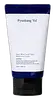
This barrier-repair moisturizer is formulated around Butyrospermum Parkii Butter and Niacinamide to strengthen the skin barrier and hydrate skin.
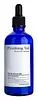
This hydrating serum is formulated around Olea Europaea Fruit Oil and Caprylic/Capric Triglyceride to hydrate skin and strengthen the skin barrier.

What's inside
What's inside
 Key Ingredients
No key ingredients
Benefits
Concerns
Ingredients Side-by-side
Water
Skin ConditioningCetyl Ethylhexanoate
EmollientButyrospermum Parkii Butter
Skin Conditioning






Polyglyceryl-3 Diisostearate
Emulsifying
Cetearyl Alcohol
Emollient

Niacinamide
Smoothing










Glyceryl Stearates
Emollient
Caprylyl Methicone
Skin Conditioning
Trimethylpentanediol/Adipic Acid/Glycerin Crosspolymer
Skin ConditioningVinyldimethicone
Glyceryl Caprylate
EmollientSorbitan Sesquioleate
Emulsifying
Glyceryl Stearate Citrate
Emollient
Dimethiconol
Emollient
Sodium Acrylate/Sodium Acryloyldimethyl Taurate Copolymer
Emulsion StabilisingCarbomer
Emulsion StabilisingPolyisobutene
Caprylyl Glycol
Emollient
Caprylic/Capric Triglyceride
Masking
Ethylhexyl Palmitate
Emollient
Xanthan Gum
EmulsifyingAdenosine
Skin Conditioning
Disodium EDTA
ChelatingCaprylyl/Capryl Glucoside
CleansingSorbitan Oleate
Emulsifying
Butylene Glycol
Humectant
1,2-Hexanediol
Skin Conditioning
Pentylene Glycol
Skin Conditioning
Hydroxyacetophenone
Antioxidant
Macadamia Ternifolia Seed Oil
Emollient
Sodium Hyaluronate
Humectant
Phytosteryl/Behenyl/Octyldodecyl Lauroyl Glutamate
Skin ConditioningCholesterol
Emollient
Brassica Campestris Sterols
EmollientBroussonetia Kazinoki Root Extract
Skin ConditioningChrysanthemum Morifolium Flower Extract
Skin ConditioningHydrolyzed Hyaluronic Acid
Humectant
Hydroxypropyltrimonium Hyaluronate
Lonicera Japonica Flower Extract
Skin ConditioningPolyglyceryl-10 Oleate
Skin Conditioning
Potassium Cetyl Phosphate
EmulsifyingCeramide NP
Skin Conditioning
Sodium Hyaluronate Crosspolymer
Humectant
Sodium Acetylated Hyaluronate
Humectant
Ceramide Ns
Skin Conditioning
Ceramide EOP
Skin Conditioning
Sh-Oligopeptide-1
Skin Conditioning
Glycerin
Humectant
Dipropylene Glycol
HumectantHydrogenated Polydecene
EmollientTromethamine
BufferingEthylhexylglycerin
Skin ConditioningHydrogenated Lecithin
Emulsifying
Water, Cetyl Ethylhexanoate, Butyrospermum Parkii Butter, Polyglyceryl-3 Diisostearate, Cetearyl Alcohol, Niacinamide, Glyceryl Stearates, Caprylyl Methicone, Trimethylpentanediol/Adipic Acid/Glycerin Crosspolymer, Vinyldimethicone, Glyceryl Caprylate, Sorbitan Sesquioleate, Glyceryl Stearate Citrate, Dimethiconol, Sodium Acrylate/Sodium Acryloyldimethyl Taurate Copolymer, Carbomer, Polyisobutene, Caprylyl Glycol, Caprylic/Capric Triglyceride, Ethylhexyl Palmitate, Xanthan Gum, Adenosine, Disodium EDTA, Caprylyl/Capryl Glucoside, Sorbitan Oleate, Butylene Glycol, 1,2-Hexanediol, Pentylene Glycol, Hydroxyacetophenone, Macadamia Ternifolia Seed Oil, Sodium Hyaluronate, Phytosteryl/Behenyl/Octyldodecyl Lauroyl Glutamate, Cholesterol, Brassica Campestris Sterols, Broussonetia Kazinoki Root Extract, Chrysanthemum Morifolium Flower Extract, Hydrolyzed Hyaluronic Acid, Hydroxypropyltrimonium Hyaluronate, Lonicera Japonica Flower Extract, Polyglyceryl-10 Oleate, Potassium Cetyl Phosphate, Ceramide NP, Sodium Hyaluronate Crosspolymer, Sodium Acetylated Hyaluronate, Ceramide Ns, Ceramide EOP, Sh-Oligopeptide-1, Glycerin, Dipropylene Glycol, Hydrogenated Polydecene, Tromethamine, Ethylhexylglycerin, Hydrogenated Lecithin
Coptis Japonica Extract
AntimicrobialButylene Glycol
Humectant
Olea Europaea Fruit Oil
Masking
Caprylic/Capric Triglyceride
Masking
1,2-Hexanediol
Skin Conditioning
Stearic Acid
Cleansing
Polysorbate 60
Emulsifying
Cetearyl Alcohol
Emollient
Glyceryl Stearate
Emollient
Sorbitan Sesquioleate
Emulsifying
Glyceryl Caprylate
EmollientHydroxyethylcellulose
Emulsion StabilisingCarbomer
Emulsion StabilisingArginine
Masking
Dimethicone
Emollient
Reviews
Ingredients Explained
These ingredients are found in both products.
Ingredients higher up in an ingredient list are typically present in a larger amount.
1,2-Hexanediol is a synthetic liquid and another multi-functional powerhouse.
It is a:
- Humectant, drawing moisture into the skin
- Emollient, helping to soften skin
- Solvent, dispersing and stabilizing formulas
- Preservative booster, enhancing the antimicrobial activity of other preservatives
Butylene Glycol (or BG) is used within cosmetic products for a few different reasons:
Overall, Butylene Glycol is a safe and well-rounded ingredient that works well with other ingredients.
Though this ingredient works well with most skin types, some people with sensitive skin may experience a reaction such as allergic rashes, closed comedones, or itchiness.
Learn more about Butylene GlycolCaprylic/Capric Triglyceride (aka MCT Oil) is a lightweight emollient, solvent, and texture enhancer. It is considered a skin-softener by helping to prevent moisture loss.
Though it behaves like an oil, it is not technically one due to its chemical composition. One perk of this ingredient is that it is very stable, resistant to oxidation, and unlikely to go rancid.
In practice, that translates to a long shelf life and a consistently elegant skin feel.
While there is an assumption Caprylic Triglyceride can clog pores due to it being derived from coconut oil, there is no research supporting this. Just patch test if you have concerns.
Fractionated coconut oil and MCT Oil are both listed as Caprylic/Capric Triglyceride according to INCI. This is because INCI names are based on the ingredient’s final chemical composition and not its marketing name or source.
This ingredient is treated as the gold standard fungal acne safe oil. Even though it is coconut derived, the problematic lauric acid is stripped out.
This leaves just caprylic (C8) and capric (C10) acid. These chain lengths actually trend antifungal; a 2020 study found caprylic acid was enough to disrupt Malassezia furfur cell membrane, with a caprylic acid derivative damaging membrane structures at concentrations as low as 0.2%.
Learn more about Caprylic/Capric TriglycerideCarbomer is a synthetic thickening and gelling agent. It's basically the ingredient that gives a lot of serums, gels, creams, and sunscreens their smooth, non-sticky texture.
Although legally permitted at very high levels, carbomers are normally used at concentrations below 1%.
It also needs to be neutralized to actually thicken, and because it is a large molecule, it doesn't really penetrate the skin barrier.
Allergy-wise, the risk is very low. Clinical studies show carbomers have low potential for skin irritation/sensitization even at concentrations up to 100%.
A 2024 UK study patch-tested 1,302 patients and found true allergy to the parent group of carbomer to be rare with no confirmed relevant reactions.
Learn more about CarbomerCetearyl alcohol is a waxy mixture of two fatty alcohols: cetyl alcohol and stearyl alcohol. It is an emollient and emulsifier.
Despite having "alcohol" in its name, it has nothing to do with drying solvent alcohols; the FDA also allows "alcohol-free" products to contain fatty alcohols like this ingredient.
It plays several roles in a formula:
Typical use levels for this ingredient sit around 1-10% and the Cosmetic Ingredient Review Expert Panel has affirmed safety at concentrations up to 25% in leave-on products.
Multiple assessments have found it to be non-irritating and non-sensitizing to most people.
However, there have been some cases of allergic contact dermatitis in patients with chronically compromised skin barriers.
Cetearyl alcohol has a comedogenic rating of 2 and irritancy rating of 1. Both of these numbers come from the 1989 study that used rabbit ears; a "2" means mildly comedogenic and a "1" means low irritancy.
Here's the catch: rabbit skin is more sensitive than human skin and throws a lot of false positives. A 1996 reappraisal found that ingredients rated 1-2 in the rabbit ear tests are generally safe for humans.
Remember comedogenic ratings are unable to assess the entire formula of a product or how it will react on your skin. Just be sure to patch test if you are unsure about certain ingredients.
This ingredient is not fungal acne safe. Cetearyl alcohol is a fatty alcohol with chain lengths that fall within the range that Malassezia can metabolize.
A 2019 study has also observed Malassezia growth in the presence of this ingredient, confirming it to be not-fungal acne safe.
Learn more about Cetearyl AlcoholGlyceryl Caprylate comes from glycerin and caprylic acid. It is an emollient, co-emulsifier, and preservative booster.
Its short C8 fatty acid chain makes it behave differently from its longer-chain emollient cousins like Glyceryl Stearate. It feels more lightweight, fast-absorbing, and silky instead of rich and waxy.
As a co-emulsifier, its "head" and "tail" sit at the oil-water interface. But overall, the short C8 tail and not being water soluble means it doesn't really have the muscle to emulsify a formula on its own. That's why you'll often see it paired with a primary emulsifier like Cetearyl Glucoside.
Interestingly, Glyceryl Caprylate acts as a preservative booster. This is because its fatty-acid backbone disrupts microbial lipid membranes. It shows excellent activity against bacteria and yeast but is weaker against mold.
Typical concentrations range from 0.5-1% and this ingredient is generally non-irritating.
Because this ingredient has a C8 fatty acid chain, it is outside the range that the Malassezia yeast metabolizes (making it fungal acne safe).
Learn more about Glyceryl CaprylateSorbitan Sesquioleate is derived from sorbitol and oleic acid. It is an emulsifier and prevents ingredients from separating.
Specifically, this ingredient is a water-in-oil emulsifier, meaning it helps water dissolve into oil.
Some studies suggest this ingredient may cause irritation in some people. If you are unsure, it is best to patch test.
This ingredient may not be Malassezia folliculitis, or fungal-acne safe due to the oleic acid. In vitro studies have shown that Oleic Acid is one of the fatty acids that induce rapid Malassezia growth in lab settings.
This ingredient does have a comedogenic rating of 0-1. The original test stated 0-1 meant an ingredient is unlikely to cause comedones.
Just remember human testing has proved that any finished product with a comedogenic ingredient won't automatically make you break out; it really comes down to concentration, formula, and your skin.
Learn more about Sorbitan Sesquioleate

