
What's inside
What's inside
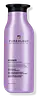 Key Ingredients
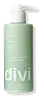
Benefits
Concerns
Ingredients Side-by-side
Water
Skin ConditioningSodium Cocoyl Isethionate
Cleansing
Disodium Laureth Sulfosuccinate
CleansingSodium Lauryl Sulfoacetate
CleansingSodium Lauroyl Taurate
CleansingSarcosine
Skin Conditioning
Glycol Distearate
Emollient

Cocamidopropyl Betaine
Cleansing

Glycereth-26
Humectant
Decyl Glucoside
Cleansing
Coconut Acid
Cleansing
Sodium Hydroxide
BufferingSodium Isethionate
CleansingParfum
Masking

Citric Acid
Buffering

PPG-5-Ceteth-20
EmulsifyingDivinyldimethicone/Dimethicone Copolymer

Sodium Chloride
MaskingPolyquaternium-7
Amodimethicone
Coco-Betaine
Cleansing
Polyquaternium-10
Propylene Glycol
Humectant
PEG-55 Propylene Glycol Oleate
Surfactant
Linalool
Perfuming
Carbomer
Emulsion StabilisingC11-15 Pareth-7
EmulsifyingBenzoic Acid
Masking
Laureth-9
EmulsifyingButylene Glycol
Humectant
Glycerin
Humectant
Limonene
Perfuming
Geraniol
Perfuming
Tocopherol
Antioxidant




Benzyl Alcohol
Perfuming
Trideceth-12
EmulsifyingSalicylic Acid
Masking




Sodium Benzoate
Masking
Helianthus Annuus Seed Extract
Skin Conditioning
Magnesium Nitrate
C12-13 Pareth-23
CleansingC12-13 Pareth-3
EmulsifyingBenzophenone-4
UV Absorber
Tetrasodium EDTA
Phenoxyethanol
Preservative
Hydroxypropyltrimonium Hydrolyzed Wheat Protein
Skin ConditioningWheat Amino Acids
Skin ConditioningHydrolyzed Vegetable Protein Pg-Propyl Silanetriol
Skin ConditioningCI 60730
Cosmetic ColorantCI 60725
Cosmetic ColorantMethylchloroisothiazolinone
Preservative
Hydrolyzed Soy Protein
Humectant
Sorbic Acid
Preservative
Magnesium Chloride
Methylisothiazolinone
Preservative
Potassium Sorbate
Preservative
Disodium EDTA
Helianthus Annuus Seed Oil
Emollient
Ascorbic Acid
Antioxidant
Camellia Sinensis Leaf Extract
Antimicrobial
Rosa Centifolia Flower Extract
Astringent
Aloe Barbadensis Leaf Extract
Emollient
Water, Sodium Cocoyl Isethionate, Disodium Laureth Sulfosuccinate, Sodium Lauryl Sulfoacetate, Sodium Lauroyl Taurate, Sarcosine, Glycol Distearate, Cocamidopropyl Betaine, Glycereth-26, Decyl Glucoside, Coconut Acid, Sodium Hydroxide, Sodium Isethionate, Parfum, Citric Acid, PPG-5-Ceteth-20, Divinyldimethicone/Dimethicone Copolymer, Sodium Chloride, Polyquaternium-7, Amodimethicone, Coco-Betaine, Polyquaternium-10, Propylene Glycol, PEG-55 Propylene Glycol Oleate, Linalool, Carbomer, C11-15 Pareth-7, Benzoic Acid, Laureth-9, Butylene Glycol, Glycerin, Limonene, Geraniol, Tocopherol, Benzyl Alcohol, Trideceth-12, Salicylic Acid, Sodium Benzoate, Helianthus Annuus Seed Extract, Magnesium Nitrate, C12-13 Pareth-23, C12-13 Pareth-3, Benzophenone-4, Tetrasodium EDTA, Phenoxyethanol, Hydroxypropyltrimonium Hydrolyzed Wheat Protein, Wheat Amino Acids, Hydrolyzed Vegetable Protein Pg-Propyl Silanetriol, CI 60730, CI 60725, Methylchloroisothiazolinone, Hydrolyzed Soy Protein, Sorbic Acid, Magnesium Chloride, Methylisothiazolinone, Potassium Sorbate, Disodium EDTA, Helianthus Annuus Seed Oil, Ascorbic Acid, Camellia Sinensis Leaf Extract, Rosa Centifolia Flower Extract, Aloe Barbadensis Leaf Extract
Water
Skin ConditioningCocamidopropyl Betaine
Cleansing
Sodium C14-16 Olefin Sulfonate
Cleansing
Sodium Cocoyl Isethionate
Cleansing
Sorbitan Oleate Decylglucoside Crosspolymer
CleansingSodium Cocoyl Glutamate
Cleansing
Sodium Chloride
MaskingGlycol Stearate
Emollient
Mentha Piperita Oil
Masking
Cocamide Mipa
Emulsifying
Hydroxyacetophenone
Antioxidant
Polyquaternium-10
Propanediol
Solvent
Quaternium-80
Caprylyl Glycol
Emollient
1,2-Hexanediol
Skin Conditioning
Menthol
Masking
Citric Acid
Buffering
Coconut Acid
Cleansing
Polyquaternium-73
Melaleuca Alternifolia Leaf Oil
Antioxidant
Tetrasodium Glutamate Diacetate
Sodium Isethionate
CleansingLactobacillus Ferment
Skin Conditioning
Cellulose
Absorbent
Sorbeth-230 Tetraoleate
Emulsifying
Sodium Hydroxide
BufferingSodium Benzoate
Masking
Xanthan Gum
EmulsifyingGlycerin
Humectant
Cellulose Gum
Emulsion StabilisingGlucosamine Hcl
Biotin
AntiseborrhoeicCaffeine
Skin Conditioning
Decyl Glucoside
Cleansing
Sorbitan Laurate
Emulsifying
Chlorella Vulgaris Extract
Skin ConditioningCamellia Sinensis Leaf Extract
Antimicrobial
Sodium Metabisulfite
Antioxidant
Lactic Acid
Buffering
Limonene
Perfuming
Linalool
Perfuming
Water, Cocamidopropyl Betaine, Sodium C14-16 Olefin Sulfonate, Sodium Cocoyl Isethionate, Sorbitan Oleate Decylglucoside Crosspolymer, Sodium Cocoyl Glutamate, Sodium Chloride, Glycol Stearate, Mentha Piperita Oil, Cocamide Mipa, Hydroxyacetophenone, Polyquaternium-10, Propanediol, Quaternium-80, Caprylyl Glycol, 1,2-Hexanediol, Menthol, Citric Acid, Coconut Acid, Polyquaternium-73, Melaleuca Alternifolia Leaf Oil, Tetrasodium Glutamate Diacetate, Sodium Isethionate, Lactobacillus Ferment, Cellulose, Sorbeth-230 Tetraoleate, Sodium Hydroxide, Sodium Benzoate, Xanthan Gum, Glycerin, Cellulose Gum, Glucosamine Hcl, Biotin, Caffeine, Decyl Glucoside, Sorbitan Laurate, Chlorella Vulgaris Extract, Camellia Sinensis Leaf Extract, Sodium Metabisulfite, Lactic Acid, Limonene, Linalool
Reviews
Ingredients Explained
These ingredients are found in both products.
Ingredients higher up in an ingredient list are typically present in a larger amount.
Camellia Sinensis Leaf Extract (tea extract) is one of the most well-researched plant extracts in skincare with an impressive resume.
Black tea, green tea, and oolong tea are all harvested from the Camellia Sinensis plant.
Studies show green tea extract and its catechins (like epigallocatechin gallate (EGCG)) help your skin cells product energy more efficiently and reducing the number of free-radicals that can damage your skin from the inside.
In lab-grown skin models, this translated to younger, healthier, and stronger skin.
There's also good sun protection data; researchers saw less DNA damage and redness on human skin when green tea was applied before UVB exposure. And the more they applied, the better the protection.
Needless to say, this ingredient shouldn't replace your sunscreen. But it is a great supportive ingredient that you can already find in many sunscreens and antioxidant serums.
A 2009 study found a 2% green tea lotion was effective for mild-to-moderate acne thanks to its anti-inflammatory and mild antimicrobial activity.
The quality of the extract matters a lot here:
Good extracts contain 50-90% catechins while lower quality ones are mostly there for marketing. We recommend reaching out to the brand if you have questions about the quality or source of their ingredients.
Human Repeated Insult Patch Testing showed no irritation or sensitization at use concentrations (0.86% in leave-on products and up to 30% as leaf water).
Learn more about Camellia Sinensis Leaf ExtractCitric Acid is an alpha hydroxy acid (AHA) naturally found in citrus fruits like oranges, lemons, and limes.
Like other AHAs, citric acid can exfoliate skin by breaking down the bonds that hold dead skin cells together. This helps reveal smoother and brighter skin underneath.
However, this exfoliating effect only happens at high concentrations (20%) which can be hard to find in cosmetic products.
Due to this, citric acid is usually included in small amounts as a pH adjuster. This helps keep products slightly more acidic and compatible with skin's natural pH.
In skincare formulas, citric acid can:
While it can provide some skin benefits, research shows lactic acid and glycolic acid are generally more effective and less irritating exfoliants.
Most citric acid used in skincare today is made by fermenting sugars (usually from molasses). This synthetic version is identical to the natural citrus form but easier to stabilize and use in formulations.
Read more about some other popular AHA's here:
Learn more about Citric AcidCocamidopropyl Betaine is a fatty acid created by mixing similar compounds in coconut oil and dimethylaminopropylamine, a compound with two amino groups.
This ingredient is a surfactant and cleanser. It helps gather the dirt, pollutants, and other impurities in your skin to be washed away. It also helps thicken a product and make the texture more creamy.
Being created from coconut oil means Cocamidopropyl Betaine is hydrating for the skin.
While Cocamidopropyl Betaine was believed to be an allergen, a study from 2012 disproved this. It found two compounds in unpure Cocamidopropyl Betaine to be the irritants: aminoamide and 3-dimethylaminopropylamine. High-grade and pure Cocamidopropyl Betaine did not induce allergic reactions during this study.
Learn more about Cocamidopropyl BetaineCoconut acid is a mixture of fatty acids obtains by hydrolyzing coconut oil and then distilling the fatty acid portion. It works as a cleansing surfactant, emollient, and emulsifier depending on the formulation.
This ingredient is not a single compound but reflects the fatty acid profile of coconut oil itself, which is about 90% saturated.
The dominant fatty acid is lauric acid (44-54%) and then myristic acid (13-19%). There are also small amounts of caprylic, capric, palmitic, oleic, and linoleic acids.
Human testing from CIR has shown no indication this ingredient to be a primary irritant, sensitizer, or phototoxic compound. It's COSMOS-approved for natural and organic products.
Due to the fatty acid content, this ingredient may not be fungal acne safe. Research has confirmed Malassezia can use lauric acid as a food source.
Learn more about Coconut AcidDecyl Glucoside is a plant-derived surfactant and emulsion stabilizer. It is created by reacting glucose with the fatty acids from plants.
Like all surfactants, it works by lowering the surface tension between water and oil. This makes it so that dirt, sebum, and makeup can be lifted off your skin and rinsed away. It also produces a dense and creamy foam.
Because it has a neutral charge, it is compatible with a wide range of ingredients and stays stable across a broad pH range/water hardiness conditions.
Patch testing has shown it to have the lowest irritation potential among common cleansing surfactants (like SLS).
Typical use levels range from 5-20% in rinse-off cleansers.
One thing worth knowing: The American Contact Dermatitis Society named the parent family, alkyl glucosides, "Allergen of the Year" in 2017. The prevalence of allergy is pretty low but be sure to patch test if you've reacted to "gentle" or sulfate-free cleansers before.
This ingredient is fungal acne safe because the fatty alcohol portion of this ingredient is not within the C11-24 chain length that Malassezia can metabolize.
Learn more about Decyl GlucosideGlycerin (or glycerol) is a compound naturally found in your skin. It's a powerhouse humectant that pulls water into the stratum corneum.
Topically, glycerin does several things at once:
Your skin makes glycerin on its own (mostly from sebaceous oil breakdown) and shuttles it to your outermost layer of skin, or your epidermis, via aquaporin-3.
Aquaporin-3 is a transporter that is essential for normal skin hydration, elasticity, and repair. Interestingly, mice lacking in AQP3 have dry and less elastic skin that can be fully corrected with glycerin.
This ingredient is non-irritating, plays well with almost every ingredient, and works across all skin types. Typical use is anywhere between 3-10% but can go up to 79% in some leave-on products.
Just know very high concentrations (>40%) can feel tacky in low humidity.
Glycerin is the name for this ingredient in American English. British English uses Glycerol/Glycerine.
Learn more about GlycerinLimonene is a fragrance that adds scent and taste to a formulation.
It's found in the peel oil of citrus fruits and other plants such as lavender and eucalyptus. The scent of limonene is generally described as "sweet citrus".
Limonene acts as an antioxidant, meaning it helps neutralize free radicals.
When exposed to air, oxidized limonene may sensitize the skin. Because of this, limonene is often avoided by people with sensitive skin.
The term 'fragrance' is not regulated in many countries. In many cases, it is up to the brand to define this term. For instance, many brands choose to label themselves as "fragrance-free" because they are not using synthetic fragrances. However, their products may still contain ingredients such as essential oils that are considered a fragrance.
Learn more about LimoneneLinalool is a fragrance and helps add scent to products. It's derived from common plants such as cinnamon, mint, citrus, and lavender.
Like Limonene, this ingredient oxidizes when exposed to air. Oxidized linalool can cause allergies and skin sensitivity.
This ingredient has a scent that is floral, spicy tropical, and citrus-like.
Learn more about LinaloolPolyquaternium-10 is an ammonium salt of hydroxyethylcellulose. It is a white and granular powder used as a film-former and anti-static agent.
This ingredient is commonly found in hair conditioning products. According to a manufacturer, its positive charge makes it great for absorbing hair proteins. The manufacturer also states this ingredient helps with curl retention.
For haircare friends: this ingredient is not a silicone.
Learn more about Polyquaternium-10Sodium Benzoate is a preservative. It's used in both cosmetic and food products to inhibit the growth of mold and bacteria. It is typically produced synthetically.
Both the US FDA and EU Health Committee have approved the use of sodium benzoate. In the US, levels of 0.1% (of the total product) are allowed.
Sodium benzoate works as a preservative by inhibiting the growth of bacteria inside of cells. It prevents the cell from fermenting a type of sugar using an enzyme called phosphofructokinase.
It is the salt of benzoic acid. Foods containing sodium benzoate include soda, salad dressings, condiments, fruit juices, wines, and snack foods.
Studies for using ascorbic acid and sodium benzoate in cosmetics are lacking, especially in skincare routines with multiple steps.
We always recommend speaking with a professional, such as a dermatologist, if you have any concerns.
Learn more about Sodium BenzoateChances are, you eat sodium chloride every day. Sodium Chloride is also known as table salt. This ingredient has many purposes in skincare: thickener, emulsifier, and exfoliator.
You'll most likely find this ingredient in cleansers where it is used to create a gel-like texture. As an emulsifier, it also prevents ingredients from separating.
You might see people debate whether Sodium Chloride is comedogenic, but there actually haven't been any comedogenic tests done on it. Either way, the overall formulation of a product matters a lot more than any single ingredient.
You might see this ingredient used in scrubs as a primary exfoliating ingredient.
Learn more about Sodium ChlorideSodium cocoyl isethionate is a natural ingredient from coconut oil. It is an ultra gentle cleanser that gives a nice foam without drying the skin or impacting the skin barrier.
The amount of foam created depends on the amount of sodium cocoyl isethionate used in the product.
This ingredient also helps improve the spreadability of a product.
This ingredient hasn’t been shown in studies to feed fungal acne yeast.
Learn more about Sodium Cocoyl IsethionateSodium Hydroxide is also known as lye or caustic soda. It is used to adjust the pH of products; many ingredients require a specific pH to be effective.
In small amounts, sodium hydroxide is considered safe to use. However, large amounts may cause chemical burns due to its high alkaline.
Your skin has a natural pH and acid mantle. This acid mantle helps prevent harmful bacteria from breaking through. The acid mantle also helps keep your skin hydrated.
"Alkaline" refers to a high pH level. A low pH level would be considered acidic.
Learn more about Sodium HydroxideWe don't have a description for Sodium Isethionate yet.
Water. It's the most common cosmetic ingredient of all. You'll usually see it at the top of ingredient lists, meaning that it makes up the largest part of the product.
So why is it so popular? Water most often acts as a solvent - this means that it helps dissolve other ingredients into the formulation.
You'll also recognize water as that liquid we all need to stay alive. If you see this, drink a glass of water. Remember to stay hydrated!
Learn more about Water

