

What's inside
What's inside
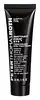 Key Ingredients
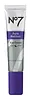
Benefits
Concerns
Ingredients Side-by-side
Water
Skin ConditioningGlycerin
Humectant


Butylene Glycol
Humectant
Sodium Silicate
BufferingMagnesium Aluminum Silicate
Absorbent
Sodium Magnesium Fluorosilicate
Abrasive
Palmitoyl Tetrapeptide-7
Skin Conditioning


Dipeptide-2
Skin Conditioning
Ascorbic Acid
Antioxidant



Tocopheryl Acetate
Antioxidant
Hesperidin Methyl Chalcone
Antioxidant
Retinyl Palmitate
Skin Conditioning

Panthenol
Skin Conditioning
Foeniculum Vulgare Seed Extract
Skin ConditioningMedicago Sativa Seed Extract
Skin ConditioningCarrageenan


Argania Spinosa Kernel Extract
Skin ConditioningPEG-8 Dimethicone
Emulsifying
Silica
Abrasive
Octyldodecanol
Emollient
Symphytum Officinale Leaf Extract
Skin ConditioningSodium Propoxyhydroxypropyl Thiosulfate Silica

BHT
Antioxidant
Disodium EDTA
Hydrolyzed Lupine Protein
Skin ConditioningSteareth-20
CleansingSodium Cocoyl Glutamate
Cleansing
Carbomer
Emulsion StabilisingChlorhexidine Digluconate
Antimicrobial
Ethylhexylglycerin
Skin ConditioningPotassium Sorbate
Preservative
Citric Acid
Buffering

Sodium Citrate
BufferingSodium Benzoate
Masking
Phenoxyethanol
Preservative
Water, Glycerin, Butylene Glycol, Sodium Silicate, Magnesium Aluminum Silicate, Sodium Magnesium Fluorosilicate, Palmitoyl Tetrapeptide-7, Dipeptide-2, Ascorbic Acid, Tocopheryl Acetate, Hesperidin Methyl Chalcone, Retinyl Palmitate, Panthenol, Foeniculum Vulgare Seed Extract, Medicago Sativa Seed Extract, Carrageenan, Argania Spinosa Kernel Extract, PEG-8 Dimethicone, Silica, Octyldodecanol, Symphytum Officinale Leaf Extract, Sodium Propoxyhydroxypropyl Thiosulfate Silica, BHT, Disodium EDTA, Hydrolyzed Lupine Protein, Steareth-20, Sodium Cocoyl Glutamate, Carbomer, Chlorhexidine Digluconate, Ethylhexylglycerin, Potassium Sorbate, Citric Acid, Sodium Citrate, Sodium Benzoate, Phenoxyethanol
Water
Skin ConditioningGlycerin
Humectant
Butyrospermum Parkii Butter
Skin Conditioning
Dimethicone
Emollient
Cetearyl Alcohol
Emollient
Alcohol Denat.
Antimicrobial



Butylene Glycol
Humectant
Polyacrylamide
Glyceryl Stearate
Emollient
Stearic Acid
Cleansing
Palmitic Acid
Emollient
PEG-100 Stearate
Surfactant
Phenoxyethanol
Preservative
Boron Nitride
Absorbent
C13-14 Isoparaffin
Emollient
Panthenol
Skin Conditioning
Methylparaben
Preservative

Caprylic/Capric Triglyceride
Masking
Laureth-7
EmulsifyingEthylparaben
Preservative
Bisabolol
Antioxidant
Polysorbate 20
Emulsifying
Retinol
Skin Conditioning
Tetrasodium EDTA
Sorbitan Laurate
Emulsifying
Inulin Lauryl Carbamate
Emulsion StabilisingSodium Lauroyl Lactylate
EmulsifyingCarbomer
Emulsion StabilisingHydroxyethylcellulose
Emulsion StabilisingSucrose Laurate
Emollient
Behentrimonium Chloride
Preservative
Acetyl Dipeptide-1 Cetyl Ester
Skin Conditioning
Ceramide NP
Skin Conditioning
Phytosphingosine
Skin Conditioning
Ceramide AP
Skin Conditioning
Cholesterol
Emollient
Xanthan Gum
EmulsifyingEthylhexylglycerin
Skin ConditioningBenzoic Acid
Masking
Palmitoyl Tripeptide-1
Skin Conditioning
Palmitoyl Tetrapeptide-7
Skin Conditioning
Ceramide EOP
Skin Conditioning
Water, Glycerin, Butyrospermum Parkii Butter, Dimethicone, Cetearyl Alcohol, Alcohol Denat., Butylene Glycol, Polyacrylamide, Glyceryl Stearate, Stearic Acid, Palmitic Acid, PEG-100 Stearate, Phenoxyethanol, Boron Nitride, C13-14 Isoparaffin, Panthenol, Methylparaben, Caprylic/Capric Triglyceride, Laureth-7, Ethylparaben, Bisabolol, Polysorbate 20, Retinol, Tetrasodium EDTA, Sorbitan Laurate, Inulin Lauryl Carbamate, Sodium Lauroyl Lactylate, Carbomer, Hydroxyethylcellulose, Sucrose Laurate, Behentrimonium Chloride, Acetyl Dipeptide-1 Cetyl Ester, Ceramide NP, Phytosphingosine, Ceramide AP, Cholesterol, Xanthan Gum, Ethylhexylglycerin, Benzoic Acid, Palmitoyl Tripeptide-1, Palmitoyl Tetrapeptide-7, Ceramide EOP
Ingredients Explained
These ingredients are found in both products.
Ingredients higher up in an ingredient list are typically present in a larger amount.
Butylene Glycol (or BG) is used within cosmetic products for a few different reasons:
Overall, Butylene Glycol is a safe and well-rounded ingredient that works well with other ingredients.
Though this ingredient works well with most skin types, some people with sensitive skin may experience a reaction such as allergic rashes, closed comedones, or itchiness.
Learn more about Butylene GlycolCarbomer is a high-molecular weight polymer of acrylic acid. It is used to form gels and thicken formulas.
Due to its large molecular size, carbomer has minimal skin penetration and is considered an inert ingredient.
A high amount of carbomer can cause pilling or balling up of products. Don't worry, most products contain 1% or less of carbomer.
Learn more about CarbomerEthylhexylglycerin is created from glycerin. It is a multitasker ingredient that:
The CIR Expert Panel found minimal skin absorption or sensitization of any kind in a safety assessment. Though this ingredient is considered well-tolerated, a small number of cases of allergic dermatitis have been published since 2002. Just be sure to patch test if you are unsure.
Industry-reported use ranges from 8% in rinse-off products and 2% in leave-on formulations.
Learn more about EthylhexylglycerinGlycerin (or glycerol) is a compound naturally found in your skin. It's a powerhouse humectant that pulls water into the stratum corneum.
Topically, glycerin does several things at once:
Your skin makes glycerin on its own (mostly from sebaceous oil breakdown) and shuttles it to your outermost layer of skin, or your epidermis, via aquaporin-3.
Aquaporin-3 is a transporter that is essential for normal skin hydration, elasticity, and repair. Interestingly, mice lacking in AQP3 have dry and less elastic skin that can be fully corrected with glycerin.
This ingredient is non-irritating, plays well with almost every ingredient, and works across all skin types. Typical use is anywhere between 3-10% but can go up to 79% in some leave-on products.
Just know very high concentrations (>40%) can feel tacky in low humidity.
Glycerin is the name for this ingredient in American English. British English uses Glycerol/Glycerine.
Learn more about GlycerinPalmitoyl Tetrapeptide-7 (formerly Palmitoyl Tetrapeptide-3) is a synthetic peptide. Its main job is to fight what researchers call "inflammaging".
"Inflammaging" is the slow, low-grade chronic inflammation that quietly breaks down collagen as we age.
This ingredient calms down a specific inflammation signal in your skin cells (called IL-6). When left unchecked, this signal triggers enzymes that break down collagen and elastin.
Clinical testing showed statistically significant improvements in:
Studies also found the more of this ingredient used, the more your skin produces Collagen I, fibronectin, and hyaluronic acid.
You'll likely see this ingredient paired with Palmitoyl Tripeptide-1 in the well-known Matrixyl 3000 complex for enhanced anti-aging effects.
A 3% concentration applied twice daily for two months showed meaningful skin rejuvenation results in clinical panels.
Fungal acne note:
Usually a palmitic acid component can feed Malassezia in unbound form, but here is is covalently bonded to the peptide. This means it is very difficult for Malassezia to access, and therefore very unlikely to cause fungal acne.
Panthenol is a common ingredient that helps hydrate and soothe the skin. It is found naturally in our skin and hair.
There are two forms of panthenol: D and L.
D-panthenol is also known as dexpanthenol. Most cosmetics use dexpanthenol or a mixture of D and L-panthenol.
Panthenol is famous due to its ability to go deeper into the skin's layers. Using this ingredient has numerous pros (and no cons):
Like hyaluronic acid, panthenol is a humectant. Humectants are able to bind and hold large amounts of water to keep skin hydrated.
This ingredient works well for wound healing. It works by increasing tissue in the wound and helps close open wounds.
Once oxidized, panthenol converts to pantothenic acid. Panthothenic acid is found in all living cells.
This ingredient is also referred to as pro-vitamin B5.
Learn more about PanthenolPhenoxyethanol is a preservative that has germicide, antimicrobial, and aromatic properties. Studies show that phenoxyethanol can prevent microbial growth. By itself, it has a scent that is similar to that of a rose.
It's often used in formulations along with Caprylyl Glycol to preserve the shelf life of products.
Water. It's the most common cosmetic ingredient of all. You'll usually see it at the top of ingredient lists, meaning that it makes up the largest part of the product.
So why is it so popular? Water most often acts as a solvent - this means that it helps dissolve other ingredients into the formulation.
You'll also recognize water as that liquid we all need to stay alive. If you see this, drink a glass of water. Remember to stay hydrated!
Learn more about Water
