Paula's Choice Hydralight Moisture Infusing Lotion Versus Paula's Choice Water-Infusing Electrolyte Moisturizer
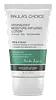
This barrier-repair moisturizer is formulated around Squalane and Avena Sativa Kernel Extract to strengthen the skin barrier and hydrate skin.
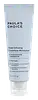
This moisturizer is formulated around Potassium PCA and Magnesium PCA to hydrate skin.

What's inside
What's inside
 Key Ingredients
Benefits
Concerns
Ingredients Side-by-side
Water
Skin ConditioningNeopentyl Glycol Diheptanoate
EmollientCyclopentasiloxane
Emollient
Butylene Glycol
Humectant

Dimethicone
Emollient
Bis-Diglyceryl Polyacyladipate-2
Emollient

Propylene Glycol Isoceteth-3 Acetate
Skin ConditioningSqualane
Emollient
Glyceryl Stearate
Emollient
PEG-100 Stearate
Surfactant
Potassium Cetyl Phosphate
EmulsifyingCetyl Alcohol
Emollient

Magnesium Aluminum Silicate
Absorbent
Tocopheryl Acetate
Antioxidant


Cholesterol
Emollient
Avena Sativa Kernel Extract
Abrasive


Camellia Sinensis Leaf Extract
Antimicrobial
Punica Granatum Extract
AstringentVaccinium Macrocarpon Fruit Extract
AstringentSodium Hyaluronate
Humectant
Glycerin
Humectant
Superoxide Dismutase
Antioxidant
Tetrahexyldecyl Ascorbate
Antioxidant

Sodium PCA
Humectant
Phytosphingosine
Skin Conditioning
Caprylic/Capric Triglyceride
Masking
Dimethicone Crosspolymer
Emulsion Stabilising
Cucumis Sativus Fruit Extract
Emollient
Xanthan Gum
EmulsifyingLaureth-4
Emulsifying

Laureth-23
Cleansing
Sodium Hydroxide
BufferingPhenoxyethanol
Preservative
Chlorphenesin
Antimicrobial
Benzoic Acid
Masking
Sorbic Acid
Preservative
Water, Neopentyl Glycol Diheptanoate, Cyclopentasiloxane, Butylene Glycol, Dimethicone, Bis-Diglyceryl Polyacyladipate-2, Propylene Glycol Isoceteth-3 Acetate, Squalane, Glyceryl Stearate, PEG-100 Stearate, Potassium Cetyl Phosphate, Cetyl Alcohol, Magnesium Aluminum Silicate, Tocopheryl Acetate, Cholesterol, Avena Sativa Kernel Extract, Camellia Sinensis Leaf Extract, Punica Granatum Extract, Vaccinium Macrocarpon Fruit Extract, Sodium Hyaluronate, Glycerin, Superoxide Dismutase, Tetrahexyldecyl Ascorbate, Sodium PCA, Phytosphingosine, Caprylic/Capric Triglyceride, Dimethicone Crosspolymer, Cucumis Sativus Fruit Extract, Xanthan Gum, Laureth-4, Laureth-23, Sodium Hydroxide, Phenoxyethanol, Chlorphenesin, Benzoic Acid, Sorbic Acid
Water
Skin ConditioningGlycerin
Humectant
Dimethicone
Emollient
Butylene Glycol
Humectant
Propanediol
Solvent
Stearic Acid
Cleansing
Glyceryl Stearate
Emollient
Isohexadecane
EmollientPotassium PCA
Humectant
Magnesium PCA
Humectant
Calcium PCA
Humectant
Ethylhexyl Olivate
Skin Conditioning
Polyglyceryl-4 Olivate
EmollientPyrus Malus Fruit Extract
Skin Conditioning
Laminaria Saccharina Extract
Skin Protecting
Actinidia Chinensis Fruit Extract
EmollientCoffea Arabica Seed Extract
Masking
Biotin/Folic Acid/Cyanocobalamin/Niacinamide/Pantothenic Acid/Pyridoxine/Riboflavin/Thiamine/Yeast Polypeptides
Skin Conditioning

Garcinia Mangostana Peel Extract
Skin ConditioningPrunus Serotina Fruit Extract
MaskingSqualane
Emollient
Ceramide EOP
Skin Conditioning
Ceramide AP
Skin Conditioning
Ceramide NP
Skin Conditioning
Pisum Sativum Extract
Skin ConditioningPhytosphingosine
Skin Conditioning
Cholesterol
Emollient
Acetyl Hexapeptide-37
Skin Conditioning
Oryza Sativa Bran Extract
Skin Conditioning
Tocopherol
Antioxidant
Creatine
Skin ConditioningBisabolol
Antioxidant
Sorbitol
Humectant
Inositol
Humectant
Xylitol
Humectant
Caprylic/Capric Triglyceride
Masking
Sodium Levulinate
Skin ConditioningBehenyl Behenate
EmollientTribehenin
Emollient
Sodium Lauroyl Lactylate
EmulsifyingXanthan Gum
EmulsifyingSodium Acrylates Copolymer
Acrylates/C10-30 Alkyl Acrylate Crosspolymer
Emulsion StabilisingCarbomer
Emulsion StabilisingSodium Hydroxide
BufferingTetrasodium EDTA
ChelatingPhenoxyethanol
Preservative
Ethylhexylglycerin
Skin ConditioningWater, Glycerin, Dimethicone, Butylene Glycol, Propanediol, Stearic Acid, Glyceryl Stearate, Isohexadecane, Potassium PCA, Magnesium PCA, Calcium PCA, Ethylhexyl Olivate, Polyglyceryl-4 Olivate, Pyrus Malus Fruit Extract, Laminaria Saccharina Extract, Actinidia Chinensis Fruit Extract, Coffea Arabica Seed Extract, Biotin/Folic Acid/Cyanocobalamin/Niacinamide/Pantothenic Acid/Pyridoxine/Riboflavin/Thiamine/Yeast Polypeptides, Garcinia Mangostana Peel Extract, Prunus Serotina Fruit Extract, Squalane, Ceramide EOP, Ceramide AP, Ceramide NP, Pisum Sativum Extract, Phytosphingosine, Cholesterol, Acetyl Hexapeptide-37, Oryza Sativa Bran Extract, Tocopherol, Creatine, Bisabolol, Sorbitol, Inositol, Xylitol, Caprylic/Capric Triglyceride, Sodium Levulinate, Behenyl Behenate, Tribehenin, Sodium Lauroyl Lactylate, Xanthan Gum, Sodium Acrylates Copolymer, Acrylates/C10-30 Alkyl Acrylate Crosspolymer, Carbomer, Sodium Hydroxide, Tetrasodium EDTA, Phenoxyethanol, Ethylhexylglycerin
Reviews
Ingredients Explained
These ingredients are found in both products.
Ingredients higher up in an ingredient list are typically present in a larger amount.
Butylene Glycol (or BG) is used within cosmetic products for a few different reasons:
Overall, Butylene Glycol is a safe and well-rounded ingredient that works well with other ingredients.
Though this ingredient works well with most skin types, some people with sensitive skin may experience a reaction such as allergic rashes, closed comedones, or itchiness.
Learn more about Butylene GlycolCaprylic/Capric Triglyceride (aka MCT Oil) is a lightweight emollient, solvent, and texture enhancer. It is considered a skin-softener by helping to prevent moisture loss.
Though it behaves like an oil, it is not technically one due to its chemical composition. One perk of this ingredient is that it is very stable, resistant to oxidation, and unlikely to go rancid.
In practice, that translates to a long shelf life and a consistently elegant skin feel.
While there is an assumption Caprylic Triglyceride can clog pores due to it being derived from coconut oil, there is no research supporting this. Just patch test if you have concerns.
Fractionated coconut oil and MCT Oil are both listed as Caprylic/Capric Triglyceride according to INCI. This is because INCI names are based on the ingredient’s final chemical composition and not its marketing name or source.
This ingredient is treated as the gold standard fungal acne safe oil. Even though it is coconut derived, the problematic lauric acid is stripped out.
This leaves just caprylic (C8) and capric (C10) acid. These chain lengths actually trend antifungal; a 2020 study found caprylic acid was enough to disrupt Malassezia furfur cell membrane, with a caprylic acid derivative damaging membrane structures at concentrations as low as 0.2%.
Learn more about Caprylic/Capric TriglycerideCholesterol is a lipid that is naturally found in human skin and is one of the three key components of your skin barrier. In skincare, it is an emollient and barrier-repairing ingredient.
It works by fitting directly into the lipid layers of skin to help restore structure and reduce transepidermal water loss (TEWL).
This is a great ingredient for dry, compromised, or aging skin; our skin starts to produce less cholesterol with age.
Research shows cholesterol works best in combination with ceramides and fatty acids, the other two major components in your skin barrier.
Cholesterol is also a well-establish penetration enhancer and can help other actives absorb more effectively.
Cosmetic-grade cholesterol is usually derived from lanolin but plant and synthetic options also exist. We recommend reaching out to the brand if you have questions about their source of cholesterol.
Learn more about CholesterolDimethicone is a type of synthetic silicone created from natural materials such as quartz. It is also known as polydimethylsiloxane.
What it does:
Dimethicone comes in different viscosities:
Depending on the viscosity, dimethicone has different properties.
Ingredients lists don't always show which type is used, so we recommend reaching out to the brand if you have questions about the viscosity.
This ingredient is unlikely to cause irritation because it does not get absorbed into skin. However, people with silicone allergies should be careful about using this ingredient.
Note: Dimethicone may contribute to pilling. This is because it is not oil or water soluble, so pilling may occur when layered with products. When mixed with heavy oils in a formula, the outcome is also quite greasy.
Learn more about DimethiconeGlycerin (or glycerol) is a compound naturally found in your skin. It's a powerhouse humectant that pulls water into the stratum corneum.
Topically, glycerin does several things at once:
Your skin makes glycerin on its own (mostly from sebaceous oil breakdown) and shuttles it to your outermost layer of skin, or your epidermis, via aquaporin-3.
Aquaporin-3 is a transporter that is essential for normal skin hydration, elasticity, and repair. Interestingly, mice lacking in AQP3 have dry and less elastic skin that can be fully corrected with glycerin.
This ingredient is non-irritating, plays well with almost every ingredient, and works across all skin types. Typical use is anywhere between 3-10% but can go up to 79% in some leave-on products.
Just know very high concentrations (>40%) can feel tacky in low humidity.
Glycerin is the name for this ingredient in American English. British English uses Glycerol/Glycerine.
Learn more about GlycerinGlyceryl Stearate is made by reacting glycerin with stearic acid (typically sourced from plant oils like palm or coconut). It's an emulsifier, emollient, and mild occlusive.
Emulsifiers help ingredients like oil and water stay mixed so your formula stays nicely blended and uniform in texture.
This ingredient is typically used in concentrations between 1-10%. Studies have found it to be non-sensitizing, non-phototoxic, and non-photoallergenic.
A close cousin of this ingredient is Glyceryl Stearate SE ("self-emulsifying"). This just has a small amount of sodium or potassium stearate added so it can emulsify without a co-emulsifier.
Since this ingredient is an ester of a C18 fatty acid, it may not be fungal acne safe. The Malassezia yeast can potentially metabolize within the C11-C24 range.
Fun fact: The human body also creates Glyceryl Stearate naturally.
Learn more about Glyceryl StearatePhenoxyethanol is one of the most widely used preservatives in skincare (and for good reason!).
It has a large spectrum of antimicrobial activity and especially effective bacteria, yeast, and mold while only having a weak effect on your skin's natural microbiome.
On a cellular level, it disrupts the cell membranes of microbes by poking holes that make the cell leak. This shuts down the chemical reactions the microbe needs to make energy so it can no longer survive.
Another perk of this ingredient is that it stays functional across a wide pH range (3-10).
You'll often see it paired with boosters like Ethylhexylglycerin; one study showed that a 1:9 ratio of Ethylhexylglycerin to Phenoxyethanol damages bacterial membranes as effectively as doubling the Phenoxyethanol concentration on its own.
Typical use concentrations range from 0.3-1% depending on the formula, and this ingredient is capped at 1% int the EU.
Safety-wise, the fear mongering does not hold up to the evidence. The EU's Scientific Committee on Consumer Safety and FDA consider it safe as a preservative at up to 1%, including for children of all ages.
Adverse systemic effects only showed up in animal studies at exposures roughly 200x higher than what people get from cosmetics. And despite its very widespread use, this ingredient is a rare sensitizer and allergic reactions are uncommon.
Learn more about PhenoxyethanolPhytosphingosine is a phospholipid naturally found in our skin as a building block for ceramides.. It helps moisturize, soothe, and protect skin.
Phytosphingosine contributes to your skin's natural moisturizing factor (NMF). The NMF is responsible for hydration, a strong barrier, and plasticity. Our NMF decreases with age. Increasing NMF leads to more healthy and hydrated skin.
Studies show products formulated with NMF ingredients help strengthen our skin's barrier. Having a healthy skin barrier reduces irritation and increases hydration. Our skin barrier is responsible for having plump and firm skin. It also helps protect our skin against infection, allergies, and inflammation.
Fun fact: Phytosphingosine is abundant in plants and fungi.
More ingredients that help boost collagen in skin:
Learn more about PhytosphingosineSodium Hydroxide is also known as lye or caustic soda. It is used to adjust the pH of products; many ingredients require a specific pH to be effective.
In small amounts, sodium hydroxide is considered safe to use. However, large amounts may cause chemical burns due to its high alkaline.
Your skin has a natural pH and acid mantle. This acid mantle helps prevent harmful bacteria from breaking through. The acid mantle also helps keep your skin hydrated.
"Alkaline" refers to a high pH level. A low pH level would be considered acidic.
Learn more about Sodium HydroxideSqualane is the hydrogenated and shelf-stable form of squalene (a lipid that naturally occurs in human sebum).
It is an emollient and skin conditioning agent that is able to integrate seamlessly into the skin's lipid barrier without clogging pores.
This is due to how structurally similar it is to what your skin already produces.
Though it is mostly an emollient that helps soften and hydrate skin, it also has some humectant and occlusive action. Humectants help the skin retain moisture while occlusives seal it in, making squalane a triple-threat moisturizer.
Research shows it has antioxidant capabilities that help protect against stressors like UV exposure, specifically UVA induced oxidative stress. This study also found that it supports collagen biosynthesis in human dermal fibroblasts.
No clinical study has reported significant adverse effects and irritation reactions are very rare from this ingredient (even at 100% concentration).
Overall, it's a fantastic ingredient for hydration and is suitable for all skin types.
This depends on the source. Squalane can be derived from both plants and animals. Most squalane used in skincare comes from plants.
Please note: the source of squalane is only known if disclosed by the brand. We recommend reaching out to the brand if you have any questions about their squalane.
Read more about squalene with an "e".
Though squalane is often called an oil, it’s technically not one. It is a hydrocarbon, meaning it is only made of carbon and hydrogen. True oils are triglycerides and made of fatty acids and glycerol.
The term “oil-free” isn’t regulated so companies can define it however they want. Some exclude all oils, while others just avoid mineral oil or comedogenic oils.
Squalane has a comedogenic rating of 1 from the original 1972 study that tested raw ingredients under occlusion on rabbit ears. This system is not standardized or peer-reviewed, and using the raw ingredients is very different from how diluted cosmetic formulations are used on human skin.
A comedogenic rating of 1 means it is "unlikely to clog pores" according to the original rating system.
The overall formula of a product matters more than the individual ingredients on whether or not it will cause clogged pores.
Learn more about SqualaneWater. It's the most common cosmetic ingredient of all. You'll usually see it at the top of ingredient lists, meaning that it makes up the largest part of the product.
So why is it so popular? Water most often acts as a solvent - this means that it helps dissolve other ingredients into the formulation.
You'll also recognize water as that liquid we all need to stay alive. If you see this, drink a glass of water. Remember to stay hydrated!
Learn more about WaterXanthan gum is used as a stabilizer and thickener within cosmetic products. It helps give products a sticky, thick feeling - preventing them from being too runny.
On the technical side of things, xanthan gum is a polysaccharide - a combination consisting of multiple sugar molecules bonded together.
Xanthan gum is a pretty common and great ingredient. It is a natural, non-toxic, non-irritating ingredient that is also commonly used in food products.
Learn more about Xanthan Gum

