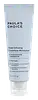
This moisturizer is formulated around Potassium PCA and Magnesium PCA to hydrate skin.
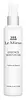
This hydrating emulsion is formulated around Hyaluronic Acid and Acetyl Hexapeptide-8 to hydrate skin and soften the look of wrinkles.

What's inside
What's inside
 Key Ingredients
Benefits
Concerns
Ingredients Side-by-side
Water
Skin ConditioningGlycerin
Humectant


Dimethicone
Emollient
Butylene Glycol
Humectant
Propanediol
Solvent
Stearic Acid
Cleansing


Glyceryl Stearate
Emollient
Isohexadecane
EmollientPotassium PCA
Humectant
Magnesium PCA
Humectant
Calcium PCA
Humectant
Ethylhexyl Olivate
Skin Conditioning
Polyglyceryl-4 Olivate
EmollientPyrus Malus Fruit Extract
Skin Conditioning
Laminaria Saccharina Extract
Skin Protecting

Actinidia Chinensis Fruit Extract
EmollientCoffea Arabica Seed Extract
Masking

Biotin/Folic Acid/Cyanocobalamin/Niacinamide/Pantothenic Acid/Pyridoxine/Riboflavin/Thiamine/Yeast Polypeptides
Skin Conditioning

Garcinia Mangostana Peel Extract
Skin ConditioningPrunus Serotina Fruit Extract
MaskingSqualane
Emollient
Ceramide EOP
Skin Conditioning

Ceramide AP
Skin Conditioning
Ceramide NP
Skin Conditioning
Pisum Sativum Extract
Skin ConditioningPhytosphingosine
Skin Conditioning
Cholesterol
Emollient
Acetyl Hexapeptide-37
Skin Conditioning
Oryza Sativa Bran Extract
Skin Conditioning
Tocopherol
Antioxidant



Creatine
Skin ConditioningBisabolol
Antioxidant
Sorbitol
Humectant
Inositol
Humectant
Xylitol
Humectant
Caprylic/Capric Triglyceride
Masking
Sodium Levulinate
Skin ConditioningBehenyl Behenate
EmollientTribehenin
Emollient
Sodium Lauroyl Lactylate
EmulsifyingXanthan Gum
EmulsifyingSodium Acrylates Copolymer
Acrylates/C10-30 Alkyl Acrylate Crosspolymer
Emulsion StabilisingCarbomer
Emulsion StabilisingSodium Hydroxide
BufferingTetrasodium EDTA
Phenoxyethanol
Preservative
Ethylhexylglycerin
Skin ConditioningWater, Glycerin, Dimethicone, Butylene Glycol, Propanediol, Stearic Acid, Glyceryl Stearate, Isohexadecane, Potassium PCA, Magnesium PCA, Calcium PCA, Ethylhexyl Olivate, Polyglyceryl-4 Olivate, Pyrus Malus Fruit Extract, Laminaria Saccharina Extract, Actinidia Chinensis Fruit Extract, Coffea Arabica Seed Extract, Biotin/Folic Acid/Cyanocobalamin/Niacinamide/Pantothenic Acid/Pyridoxine/Riboflavin/Thiamine/Yeast Polypeptides, Garcinia Mangostana Peel Extract, Prunus Serotina Fruit Extract, Squalane, Ceramide EOP, Ceramide AP, Ceramide NP, Pisum Sativum Extract, Phytosphingosine, Cholesterol, Acetyl Hexapeptide-37, Oryza Sativa Bran Extract, Tocopherol, Creatine, Bisabolol, Sorbitol, Inositol, Xylitol, Caprylic/Capric Triglyceride, Sodium Levulinate, Behenyl Behenate, Tribehenin, Sodium Lauroyl Lactylate, Xanthan Gum, Sodium Acrylates Copolymer, Acrylates/C10-30 Alkyl Acrylate Crosspolymer, Carbomer, Sodium Hydroxide, Tetrasodium EDTA, Phenoxyethanol, Ethylhexylglycerin
Hyaluronic Acid
Humectant
Hydrolyzed Sodium Hyaluronate
Skin Conditioning
Sodium Hyaluronate
Humectant
Sodium Hyaluronate Crosspolymer
Humectant
Hydroxypropyltrimonium Hyaluronate
C12-13 Alkyl Glyceryl Hydrolyzed Hyaluronate
Oryza Sativa Bran Water
Masking
Acetyl Hexapeptide-8
Humectant
Dipalmitoyl Hydroxyproline
Skin Conditioning
Palmitoyl Pentapeptide-4
Skin Conditioning
Palmitoyl Tripeptide-5
Skin Conditioning
Ceramide EOP
Skin Conditioning
Ceramide NP
Skin Conditioning
Butyrospermum Parkii Butter
Skin Conditioning
Phospholipids
Skin Conditioning
Soluble Collagen
Humectant
Dipotassium Glycyrrhizate
Humectant
Superoxide Dismutase
Antioxidant
Beta-Glucan
Skin Conditioning
Sodium PCA
Humectant
Chitosan
Pullulan
Sorbitol
Humectant
Macrocystis Pyrifera Extract
Skin Conditioning
Camellia Sinensis Catechins
Antioxidant
Caprylyl Glycol
Emollient
Ethylhexylglycerin
Skin ConditioningUndecylenoyl Glycine
CleansingCapryloyl Glycine
CleansingHyaluronic Acid, Hydrolyzed Sodium Hyaluronate, Sodium Hyaluronate, Sodium Hyaluronate Crosspolymer, Hydroxypropyltrimonium Hyaluronate, C12-13 Alkyl Glyceryl Hydrolyzed Hyaluronate, Oryza Sativa Bran Water, Acetyl Hexapeptide-8, Dipalmitoyl Hydroxyproline, Palmitoyl Pentapeptide-4, Palmitoyl Tripeptide-5, Ceramide EOP, Ceramide NP, Butyrospermum Parkii Butter, Phospholipids, Soluble Collagen, Dipotassium Glycyrrhizate, Superoxide Dismutase, Beta-Glucan, Sodium PCA, Chitosan, Pullulan, Sorbitol, Macrocystis Pyrifera Extract, Camellia Sinensis Catechins, Caprylyl Glycol, Ethylhexylglycerin, Undecylenoyl Glycine, Capryloyl Glycine
Reviews
Alternatives
Ingredients Explained
These ingredients are found in both products.
Ingredients higher up in an ingredient list are typically present in a larger amount.
Ceramide EOP is formally known as Ceramide 1.
It is naturally found in skin and part of the intercellular "mortar" holding everything together in your outermost layer.
EOP stands for a linked Ester fatty acid, a linked Omega hydroxy fatty acid, and the Phytosphingosine base.
What makes Ceramide EOP special is its ultra-long fatty acid chain; this unique structure allows it to bridge the lipid layers in your skin barrier to prevent water loss (something no other ceramide can do).
Low levels of Ceramide EOP have been found in people with eczema and psoriasis.
Using it together with other ceramides, cholesterol, and linoleic acid have been shown to meaningfully improve hydration and reduce water loss.
In one clinical study, a regimen using Ceramide EOP, NP, and AP led to significant symptom improvements in patients with eczema, psoriasis, and dry skin in just 4 weeks.
You'll usually see concentrations between 0.1-0.5% in formulations. Overall, this is a well-tolerated and safe ingredient for cosmetic use.
Learn more about Ceramide EOPCeramide NP (formerly known as Ceramide 3) is one of the skin's naturally occurring lipids.
Since ceramides are the major lipid components of the skin, they are crucial for maintaining skin barrier and hydration. Ceramide NP most closely mirrors the dominant kind in human skin amongst ceramide subtypes.
This ceramide works by slotting into gaps within the stratum corneum's lipid matrix to limit trans-epidermal water loss (TEWL) and shield the skin against external irritants.
A study with 312 patients found that using a ceramide-containing routine for 4 weeks reduced the severity of atopic dermatitis by over 61%.
Another clinical study in subjects aged 60 and older found that a ceramide body wash and moisturizer improved skin dryness and itchy skin in 15 days.
Overall, ceramides are considered non-irritating and safety tests have found little to no observable adverse effects from using this ingredient.
Ceramide NP is usually sourced from plants (like soybean or rice bran), or produced synthetically.
Learn more about Ceramide NPEthylhexylglycerin is created from glycerin. It is a multitasker ingredient that:
The CIR Expert Panel found minimal skin absorption or sensitization of any kind in a safety assessment. Though this ingredient is considered well-tolerated, a small number of cases of allergic dermatitis have been published since 2002. Just be sure to patch test if you are unsure.
Industry-reported use ranges from 8% in rinse-off products and 2% in leave-on formulations.
Learn more about EthylhexylglycerinSorbitol is a sugar alcohol. It is a hydrating and moisturizing agent created from the reduction process of glucose.
Most sorbitol is usually made from potato starch. It is also found in fruits such as apples and pears.
As a humectant, Sorbitol helps draw water to the skin. This helps keep the skin hydrated. Sorbitol also helps create a thicker texture in products. You might find sorbitol in your toothpaste and other gels.
It is a non-irritating ingredient that is great for those with dry skin.
Sorbitol is a prebiotic. It helps promote the growth of healthy bacteria on your skin. The bacteria on your skin form a microbiome. This microbiome helps protect your skin from infection and harmful bacteria.
Learn more about Sorbitol

