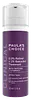
This anti-aging treatment is formulated around Bakuchiol and Tetrahexyldecyl Ascorbate to soften the look of wrinkles and refine skin texture.
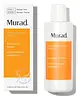
This brightening toner is formulated around Ascorbic Acid and Dipotassium Glycyrrhizate to brighten dull-looking skin and calm redness.

What's inside
What's inside
 Key Ingredients
Benefits
Concerns
Ingredients Side-by-side
Water
Skin ConditioningDimethicone
Emollient

Pentaerythrityl Tetraisostearate
Emollient

Isononyl Isononanoate
EmollientButylene Glycol
Humectant

Bakuchiol
Antimicrobial








Arachidyl Alcohol
Emollient
Glyceryl Polymethacrylate
Dimethicone Crosspolymer
Emulsion Stabilising
Behenyl Alcohol
Emollient
Glycerin
Humectant
PEG-75 Shea Butter Glycerides
Emulsifying
Glyceryl Stearate
Emollient
C12-15 Alkyl Benzoate
AntimicrobialPolysorbate 20
Emulsifying
Tetrahexyldecyl Ascorbate
Antioxidant

Retinol
Skin Conditioning


Ceramide Ng
Skin Conditioning
Palmitoyl Tetrapeptide-7
Skin Conditioning
Palmitoyl Hexapeptide-12
Skin Conditioning
Sodium Hyaluronate
Humectant
Dipotassium Glycyrrhizate
Humectant
Glycyrrhiza Glabra Root Extract
Bleaching
Avena Sativa Kernel Extract
Abrasive
Arctium Lappa Root Extract
Skin Conditioning
Salix Alba Bark Extract
Astringent
Glycine Soja Sterols
Emollient
Lecithin
Emollient
Allantoin
Skin Conditioning
Tocopheryl Acetate
Antioxidant
Hydrolyzed Soy Protein
Humectant
Palmitoyl Tripeptide-1
Skin Conditioning
Sodium Hydroxide
BufferingTribehenin
Emollient
Caprylyl Glycol
Emollient
Dipeptide-2
Skin Conditioning
Polygonum Cuspidatum Root Extract
Antioxidant
PEG-10 Phytosterol
EmulsifyingPEG-8
HumectantMagnesium Aluminum Silicate
Absorbent
Arachidyl Glucoside
EmulsifyingChrysin
Skin ConditioningPentylene Glycol
Skin Conditioning
Sodium Acrylates Copolymer
Steareth-20
CleansingHydroxyethyl Acrylate/Sodium Acryloyldimethyl Taurate Copolymer
Emulsion StabilisingCetearyl Alcohol
Emollient



Coco-Glucoside
Cleansing
Hesperidin Methyl Chalcone
Antioxidant
N-Hydroxysuccinimide
Skin ConditioningDisodium EDTA
ChelatingPhenoxyethanol
Preservative
Benzoic Acid
Masking
Ethylhexylglycerin
Skin ConditioningWater, Dimethicone, Pentaerythrityl Tetraisostearate, Isononyl Isononanoate, Butylene Glycol, Bakuchiol, Arachidyl Alcohol, Glyceryl Polymethacrylate, Dimethicone Crosspolymer, Behenyl Alcohol, Glycerin, PEG-75 Shea Butter Glycerides, Glyceryl Stearate, C12-15 Alkyl Benzoate, Polysorbate 20, Tetrahexyldecyl Ascorbate, Retinol, Ceramide Ng, Palmitoyl Tetrapeptide-7, Palmitoyl Hexapeptide-12, Sodium Hyaluronate, Dipotassium Glycyrrhizate, Glycyrrhiza Glabra Root Extract, Avena Sativa Kernel Extract, Arctium Lappa Root Extract, Salix Alba Bark Extract, Glycine Soja Sterols, Lecithin, Allantoin, Tocopheryl Acetate, Hydrolyzed Soy Protein, Palmitoyl Tripeptide-1, Sodium Hydroxide, Tribehenin, Caprylyl Glycol, Dipeptide-2, Polygonum Cuspidatum Root Extract, PEG-10 Phytosterol, PEG-8, Magnesium Aluminum Silicate, Arachidyl Glucoside, Chrysin, Pentylene Glycol, Sodium Acrylates Copolymer, Steareth-20, Hydroxyethyl Acrylate/Sodium Acryloyldimethyl Taurate Copolymer, Cetearyl Alcohol, Coco-Glucoside, Hesperidin Methyl Chalcone, N-Hydroxysuccinimide, Disodium EDTA, Phenoxyethanol, Benzoic Acid, Ethylhexylglycerin
Water
Skin ConditioningButylene Glycol
Humectant
Hamamelis Virginiana Water
Astringent
PEG-40 Hydrogenated Castor Oil
Emulsifying
Sodium PCA
Humectant
Betaine
Humectant
Sorbitol
Humectant
Glycine
Buffering
Alanine
Masking
Proline
Skin Conditioning
Serine
Masking
Threonine
Arginine
Masking
Lysine
Skin ConditioningGlutamic Acid
Humectant
Rice Amino Acids
Skin Conditioning
Zinc Aspartate
Skin ConditioningDipotassium Glycyrrhizate
Humectant
PEG-12 Dimethicone
Skin Conditioning
Phospholipids
Skin Conditioning
Tocopheryl Acetate
Antioxidant
Retinyl Palmitate
Skin Conditioning
Ascorbyl Palmitate
Antioxidant
Ascorbic Acid
Antioxidant
Chitosan
Propyl Gallate
Antioxidant

Citrus Aurantium Amara Flower Extract
RefreshingEchinacea Purpurea Extract
MoisturisingCitrus Aurantium Dulcis Fruit Extract
MaskingSodium Polyaspartate
HumectantBenzophenone-4
UV Absorber
Polyquaternium-4
Disodium EDTA
ChelatingCitric Acid
Buffering
Phenoxyethanol
Preservative
Caprylyl Glycol
Emollient
Chlorphenesin
Antimicrobial
Limonene
Perfuming
Linalool
Perfuming
Citrus Aurantium Dulcis Peel Oil
Masking
Citrus Nobilis Peel Oil
Masking
Orbignya Oleifera Seed Oil
Emollient
Citrus Grandis Peel Oil
Masking
Ferula Galbaniflua Resin Oil
Antimicrobial
Parfum
Masking
CI 42053
Cosmetic ColorantWater, Butylene Glycol, Hamamelis Virginiana Water, PEG-40 Hydrogenated Castor Oil, Sodium PCA, Betaine, Sorbitol, Glycine, Alanine, Proline, Serine, Threonine, Arginine, Lysine, Glutamic Acid, Rice Amino Acids, Zinc Aspartate, Dipotassium Glycyrrhizate, PEG-12 Dimethicone, Phospholipids, Tocopheryl Acetate, Retinyl Palmitate, Ascorbyl Palmitate, Ascorbic Acid, Chitosan, Propyl Gallate, Citrus Aurantium Amara Flower Extract, Echinacea Purpurea Extract, Citrus Aurantium Dulcis Fruit Extract, Sodium Polyaspartate, Benzophenone-4, Polyquaternium-4, Disodium EDTA, Citric Acid, Phenoxyethanol, Caprylyl Glycol, Chlorphenesin, Limonene, Linalool, Citrus Aurantium Dulcis Peel Oil, Citrus Nobilis Peel Oil, Orbignya Oleifera Seed Oil, Citrus Grandis Peel Oil, Ferula Galbaniflua Resin Oil, Parfum, CI 42053
Reviews
Ingredients Explained
These ingredients are found in both products.
Ingredients higher up in an ingredient list are typically present in a larger amount.
Butylene Glycol (or BG) is used within cosmetic products for a few different reasons:
Overall, Butylene Glycol is a safe and well-rounded ingredient that works well with other ingredients.
Though this ingredient works well with most skin types, some people with sensitive skin may experience a reaction such as allergic rashes, closed comedones, or itchiness.
Learn more about Butylene GlycolCaprylyl Glycol is a humectant, skin conditioner, emollient, and preservative booster derived from either caprylic acid or synthetically created.
Typical use levels vary from 0.3-1% as a preservative booster and go up to 2% to condition skin.
Because it is not a free-fatty acid, this ingredient is fungal acne safe (there's nothing for Malassezia to feed on).
Learn more about Caprylyl GlycolDipotassium Glycyrrhizate comes from licorice root.
Extracts of licorice have demonstrated to have antibacterial, anti‐inflammatory, antiviral, antioxidant properties.
One component, glabridin, has extra potent antioxidant and soothing properties. It has also been found to block pigmentation from UVB rays in guinea pigs.
Licorice Root also contains a flavonoid. Flavonoids are a natural substance from in plants. Flavonoids also have antioxidant properties.
Another component, glycyrrhizin, has been found to have anti-inflammatory and antimicrobial benefits. This may make licorice root extract effective at treating acne. However, more research is needed to support this.
Liquiritin is one of the flavone compounds found in licorice. It has been found to help lighten skin by preventing tyrosinase from reacting with tyrosine. When the two react, protein is converted to melanin. Melanin is the substance in your body that gives your features pigmentation.
Licorice root is native to Southern Europe and Asia. It has been used in traditional Chinese medicine to help with respiratory issues.
Learn more about Dipotassium GlycyrrhizateDisodium EDTA is a chelating agent. It grabs onto and deactivates metal ions that sneak into your products from water, packaging, or air.
This ingredient mainly works behind the scenes and helps with:
On top of that, this ingredient can counteract the effects of hard water by binding to the minerals in it.
One thing worth knowing is that Disodium EDTA has been shown to be a mild penetration enhancer. It can help other ingredients absorb into skin more effectively which can be a double-edged sword (great for actives, but can also make the active too strong if you have sensitive skin).
Clinical patch testing showed no significant skin irritation at typical use concentrations and minimal dermal absorption.
You'll most likely see this ingredient near the end of an ingredient list. It's typically found in concentrations less than 1%.
Learn more about Disodium EDTAPhenoxyethanol is one of the most widely used preservatives in skincare (and for good reason!).
It has a large spectrum of antimicrobial activity and especially effective bacteria, yeast, and mold while only having a weak effect on your skin's natural microbiome.
On a cellular level, it disrupts the cell membranes of microbes by poking holes that make the cell leak. This shuts down the chemical reactions the microbe needs to make energy so it can no longer survive.
Another perk of this ingredient is that it stays functional across a wide pH range (3-10).
You'll often see it paired with boosters like Ethylhexylglycerin; one study showed that a 1:9 ratio of Ethylhexylglycerin to Phenoxyethanol damages bacterial membranes as effectively as doubling the Phenoxyethanol concentration on its own.
Typical use concentrations range from 0.3-1% depending on the formula, and this ingredient is capped at 1% int the EU.
Safety-wise, the fear mongering does not hold up to the evidence. The EU's Scientific Committee on Consumer Safety and FDA consider it safe as a preservative at up to 1%, including for children of all ages.
Adverse systemic effects only showed up in animal studies at exposures roughly 200x higher than what people get from cosmetics. And despite its very widespread use, this ingredient is a rare sensitizer and allergic reactions are uncommon.
Learn more about PhenoxyethanolTocopheryl Acetate is a stable, shelf-friendly form of vitamin E.
Formulators love it because plain vitamin E oxidizes quickly once it hits air. This acetate version stays stable and resists going off, helping to extend a product's shelf life.
It's actually inactive on its own and works like a slow-release "storage" form; the enzymes in your skin called esterases gradually convert it into active vitamin E over time.
One in vivo study showed 5% of the acetate in the living layer of the epidermis converted to vitamin E after 5 days of application. This study also found the skin gained protection against UV damage even though the conversion was slow and small.
Once converted, vitamin E acts as a skin's main fat-soluble antioxidant that fights free radicals to protect skin from damage.
Topical vitamin E generally boosts the skin's photoprotection, and it reduced UV-damage in animal models.
This ingredient has some brightening potential but it's more of a prevention ingredient than spot-fader. Cell studies show it can slow down melanin production but it's worth noting that it's not the most powerful brightener out there.
Overall, it has a pretty solid safety profile and has been found to be non-irritating and non-comedogenic. Allergic reactions may happen but stay rare due to how widely the ingredient gets used.
The concentration will vary depending on the formula; industry data shows 0.1% in baby lotions, 3% in lipsticks, and 5% in foot powders. You can also find this ingredient at 100% in a pure vitamin E oil.
Most leave-on skincare keeps it at the lower end, often between 0.5-1%.
Learn more about Tocopheryl AcetateWater. It's the most common cosmetic ingredient of all. You'll usually see it at the top of ingredient lists, meaning that it makes up the largest part of the product.
So why is it so popular? Water most often acts as a solvent - this means that it helps dissolve other ingredients into the formulation.
You'll also recognize water as that liquid we all need to stay alive. If you see this, drink a glass of water. Remember to stay hydrated!
Learn more about Water

