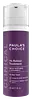
This anti-aging treatment is formulated around Retinol and Tetrahexyldecyl Ascorbate to soften the look of wrinkles and refine skin texture.
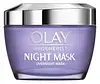
This anti-aging night moisturizer is formulated around Niacinamide and Palmitoyl Pentapeptide-4 to soften the look of wrinkles and refine skin texture.

What's inside
What's inside
 Key Ingredients
Benefits
Concerns
Ingredients Side-by-side
Water
Skin ConditioningDimethicone
Emollient

Glycerin
Humectant

Butylene Glycol
Humectant
Isononyl Isononanoate
EmollientCastor Isostearate Succinate
Skin Conditioning

Glyceryl Stearate
Emollient
C12-15 Alkyl Benzoate
AntimicrobialDimethicone Crosspolymer
Emulsion Stabilising
PEG-33
HumectantPolysorbate 20
Emulsifying
Behenyl Alcohol
Emollient
PEG-100 Stearate
Surfactant
Pentaerythrityl Tetraisostearate
Emollient
Polymethylsilsesquioxane
Tetrahexyldecyl Ascorbate
Antioxidant





Retinol
Skin Conditioning





Ceramide Ng
Skin Conditioning

Palmitoyl Tetrapeptide-7
Skin Conditioning
Palmitoyl Hexapeptide-12
Skin Conditioning
Sodium Hyaluronate
Humectant
Dipotassium Glycyrrhizate
Humectant
Glycyrrhiza Glabra Root Extract
Bleaching
Avena Sativa Kernel Extract
Abrasive
Arctium Lappa Seed Oil
Emollient
Salix Alba Extract
Skin ConditioningGlycine Soja Sterols
Emollient
Lecithin
Emollient
Allantoin
Skin Conditioning
Tocopheryl Acetate
Antioxidant
Hydrolyzed Soy Protein
Humectant
Sorbitan Laurate
Emulsifying
Acetyl Dipeptide-1 Cetyl Ester
Skin Conditioning
Disodium EDTA
ChelatingHydroxyethylcellulose
Emulsion StabilisingPalmitoyl Tripeptide-1
Skin Conditioning
Sodium Hydroxide
BufferingTribehenin
Emollient
Caprylyl Glycol
Emollient
Ethylhexylglycerin
Skin ConditioningPentylene Glycol
Skin Conditioning
PEG-75 Shea Butter Glycerides
Emulsifying
PPG-12/Smdi Copolymer
EmollientPEG-10 Phytosterol
EmulsifyingPEG-8 Dimethicone
Emulsifying
PEG-14
HumectantMagnesium Aluminum Silicate
Absorbent
Arachidyl Glucoside
EmulsifyingArachidyl Alcohol
Emollient
Sclerotium Gum
Emulsion StabilisingCarbomer
Emulsion StabilisingPhenoxyethanol
Preservative
Benzoic Acid
Masking
Water, Dimethicone, Glycerin, Butylene Glycol, Isononyl Isononanoate, Castor Isostearate Succinate, Glyceryl Stearate, C12-15 Alkyl Benzoate, Dimethicone Crosspolymer, PEG-33, Polysorbate 20, Behenyl Alcohol, PEG-100 Stearate, Pentaerythrityl Tetraisostearate, Polymethylsilsesquioxane, Tetrahexyldecyl Ascorbate, Retinol, Ceramide Ng, Palmitoyl Tetrapeptide-7, Palmitoyl Hexapeptide-12, Sodium Hyaluronate, Dipotassium Glycyrrhizate, Glycyrrhiza Glabra Root Extract, Avena Sativa Kernel Extract, Arctium Lappa Seed Oil, Salix Alba Extract, Glycine Soja Sterols, Lecithin, Allantoin, Tocopheryl Acetate, Hydrolyzed Soy Protein, Sorbitan Laurate, Acetyl Dipeptide-1 Cetyl Ester, Disodium EDTA, Hydroxyethylcellulose, Palmitoyl Tripeptide-1, Sodium Hydroxide, Tribehenin, Caprylyl Glycol, Ethylhexylglycerin, Pentylene Glycol, PEG-75 Shea Butter Glycerides, PPG-12/Smdi Copolymer, PEG-10 Phytosterol, PEG-8 Dimethicone, PEG-14, Magnesium Aluminum Silicate, Arachidyl Glucoside, Arachidyl Alcohol, Sclerotium Gum, Carbomer, Phenoxyethanol, Benzoic Acid
Water
Skin ConditioningDimethicone
Emollient
Glycerin
Humectant
Niacinamide
Smoothing
PEG-Crosspolymer
Polymethylsilsesquioxane
Polyacrylamide
Polyethylene
Abrasive
Panthenol
Skin Conditioning
Palmitoyl Pentapeptide-4
Skin Conditioning
Tocopheryl Acetate
Antioxidant
Camellia Sinensis Extract
Antioxidant
Allantoin
Skin Conditioning
Butylene Glycol
Humectant
Dimethiconol
Emollient
Laureth-4
Emulsifying
Laureth-7
EmulsifyingSodium PEG-7 Olive Oil Carboxylate
Emulsifying
PEG-30 Dipolyhydroxystearate
Emulsifying
Trideceth-6
EmulsifyingDisodium EDTA
ChelatingAcrylates/C10-30 Alkyl Acrylate Crosspolymer
Emulsion StabilisingAminomethyl Propanol
BufferingPEG-100 Stearate
Surfactant
Ammonium Polyacrylate
StabilisingTitanium Dioxide
Cosmetic Colorant

C13-14 Alkane
SolventDMDM Hydantoin
Preservative
Benzyl Alcohol
Perfuming



Iodopropynyl Butylcarbamate
Preservative
Methylparaben
Preservative
Propylparaben
Preservative
Parfum
Masking
Caramel
Cosmetic ColorantWater, Dimethicone, Glycerin, Niacinamide, PEG-Crosspolymer, Polymethylsilsesquioxane, Polyacrylamide, Polyethylene, Panthenol, Palmitoyl Pentapeptide-4, Tocopheryl Acetate, Camellia Sinensis Extract, Allantoin, Butylene Glycol, Dimethiconol, Laureth-4, Laureth-7, Sodium PEG-7 Olive Oil Carboxylate, PEG-30 Dipolyhydroxystearate, Trideceth-6, Disodium EDTA, Acrylates/C10-30 Alkyl Acrylate Crosspolymer, Aminomethyl Propanol, PEG-100 Stearate, Ammonium Polyacrylate, Titanium Dioxide, C13-14 Alkane, DMDM Hydantoin, Benzyl Alcohol, Iodopropynyl Butylcarbamate, Methylparaben, Propylparaben, Parfum, Caramel
Reviews
Ingredients Explained
These ingredients are found in both products.
Ingredients higher up in an ingredient list are typically present in a larger amount.
Allantoin is a soothing ingredient known for its protective and moisturizing properties; it's basically a quiet workhorse ingredient you can find in a huge range of cosmetics.
Though it can be derived from the comfrey plant, allantoin is produced synthetically for cosmetic products to ensure purity.
Research shows it can encourage your skin cells to turn over and renew by stimulating keratinocyte and fibroblast proliferation.
It also has mild keratolytic properties to help loosen and shed dead skin cells without being harsh.
Studies also suggest allantoin can help calm inflammation by dialing down some of the chemical signals your skin sends out when it is irritated.
This ingredient is typically used in the 0.1-0.5% range, and the FDA recognizes it as a skin protectant in OTC products up to 2%.
Overall, allantoin is a wonderful addition to most routines; it is stable across a wide pH range (~4-8), works well with other ingredients, and is considered non-sensitizing/non-irritating.
Fun fact: Allantoin is naturally occurring in comfrey root, beets, chamomile, and wheat sprouts. Our bodies even produce it as a byproduct of uric acid metabolism.
Learn more about AllantoinButylene Glycol (or BG) is used within cosmetic products for a few different reasons:
Overall, Butylene Glycol is a safe and well-rounded ingredient that works well with other ingredients.
Though this ingredient works well with most skin types, some people with sensitive skin may experience a reaction such as allergic rashes, closed comedones, or itchiness.
Learn more about Butylene GlycolDimethicone is a type of synthetic silicone created from natural materials such as quartz. It is also known as polydimethylsiloxane.
What it does:
Dimethicone comes in different viscosities:
Depending on the viscosity, dimethicone has different properties.
Ingredients lists don't always show which type is used, so we recommend reaching out to the brand if you have questions about the viscosity.
This ingredient is unlikely to cause irritation because it does not get absorbed into skin. However, people with silicone allergies should be careful about using this ingredient.
Note: Dimethicone may contribute to pilling. This is because it is not oil or water soluble, so pilling may occur when layered with products. When mixed with heavy oils in a formula, the outcome is also quite greasy.
Learn more about DimethiconeDisodium EDTA is a chelating agent. It grabs onto and deactivates metal ions that sneak into your products from water, packaging, or air.
This ingredient mainly works behind the scenes and helps with:
On top of that, this ingredient can counteract the effects of hard water by binding to the minerals in it.
One thing worth knowing is that Disodium EDTA has been shown to be a mild penetration enhancer. It can help other ingredients absorb into skin more effectively which can be a double-edged sword (great for actives, but can also make the active too strong if you have sensitive skin).
Clinical patch testing showed no significant skin irritation at typical use concentrations and minimal dermal absorption.
You'll most likely see this ingredient near the end of an ingredient list. It's typically found in concentrations less than 1%.
Learn more about Disodium EDTAGlycerin (or glycerol) is a compound naturally found in your skin. It's a powerhouse humectant that pulls water into the stratum corneum.
Topically, glycerin does several things at once:
Your skin makes glycerin on its own (mostly from sebaceous oil breakdown) and shuttles it to your outermost layer of skin, or your epidermis, via aquaporin-3.
Aquaporin-3 is a transporter that is essential for normal skin hydration, elasticity, and repair. Interestingly, mice lacking in AQP3 have dry and less elastic skin that can be fully corrected with glycerin.
This ingredient is non-irritating, plays well with almost every ingredient, and works across all skin types. Typical use is anywhere between 3-10% but can go up to 79% in some leave-on products.
Just know very high concentrations (>40%) can feel tacky in low humidity.
Glycerin is the name for this ingredient in American English. British English uses Glycerol/Glycerine.
Learn more about GlycerinPeg-100 Stearate is an emollient and emulsifier. As an emollient, it helps keep skin soft by trapping moisture in. On the other hand, emulsifiers help prevent oil and water from separating in a product.
PEGS are a hydrophilic polyether compound . There are 100 ethylene oxide monomers in Peg-100 Stearate. Peg-100 Stearate is polyethylene glycol ester of stearic acid.
Polymethylsilsesquioxane is a silicone used as a film forming agent.
When applied to the skin, this ingredient creates an invisible film on the surface. This film still allows oxygen to pass through, but prevents moisture from escaping. This can help condition and hydrate the skin. It also leaves a silky feel when applied.
Polymethylsilsesquioxane has not been shown to clog pores. It has been deemed safe to use up to 55%, but most cosmetics use much less.
If you have concerns about using this ingredient, we recommend speaking with a professional.
Learn more about PolymethylsilsesquioxaneTocopheryl Acetate is a stable, shelf-friendly form of vitamin E.
Formulators love it because plain vitamin E oxidizes quickly once it hits air. This acetate version stays stable and resists going off, helping to extend a product's shelf life.
It's actually inactive on its own and works like a slow-release "storage" form; the enzymes in your skin called esterases gradually convert it into active vitamin E over time.
One in vivo study showed 5% of the acetate in the living layer of the epidermis converted to vitamin E after 5 days of application. This study also found the skin gained protection against UV damage even though the conversion was slow and small.
Once converted, vitamin E acts as a skin's main fat-soluble antioxidant that fights free radicals to protect skin from damage.
Topical vitamin E generally boosts the skin's photoprotection, and it reduced UV-damage in animal models.
This ingredient has some brightening potential but it's more of a prevention ingredient than spot-fader. Cell studies show it can slow down melanin production but it's worth noting that it's not the most powerful brightener out there.
Overall, it has a pretty solid safety profile and has been found to be non-irritating and non-comedogenic. Allergic reactions may happen but stay rare due to how widely the ingredient gets used.
The concentration will vary depending on the formula; industry data shows 0.1% in baby lotions, 3% in lipsticks, and 5% in foot powders. You can also find this ingredient at 100% in a pure vitamin E oil.
Most leave-on skincare keeps it at the lower end, often between 0.5-1%.
Learn more about Tocopheryl AcetateWater. It's the most common cosmetic ingredient of all. You'll usually see it at the top of ingredient lists, meaning that it makes up the largest part of the product.
So why is it so popular? Water most often acts as a solvent - this means that it helps dissolve other ingredients into the formulation.
You'll also recognize water as that liquid we all need to stay alive. If you see this, drink a glass of water. Remember to stay hydrated!
Learn more about Water

