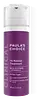
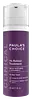
This anti-aging treatment is formulated around Retinol and Tetrahexyldecyl Ascorbate to soften the look of wrinkles and refine skin texture.
This anti-aging treatment is formulated around Retinol and Tetrahexyldecyl Ascorbate to soften the look of wrinkles and refine skin texture.

What's inside
What's inside
 Key Ingredients
Benefits
Concerns
Ingredients Side-by-side
Water
Skin ConditioningDimethicone
Emollient

Glycerin
Humectant

Butylene Glycol
Humectant
Isononyl Isononanoate
EmollientCastor Isostearate Succinate
Skin Conditioning

Glyceryl Stearate
Emollient
C12-15 Alkyl Benzoate
AntimicrobialDimethicone Crosspolymer
Emulsion Stabilising
PEG-33
HumectantPolysorbate 20
Emulsifying
Behenyl Alcohol
Emollient
Tetrahexyldecyl Ascorbate
Antioxidant





PEG-100 Stearate
Surfactant
Pentaerythrityl Tetraisostearate
Emollient
Polymethylsilsesquioxane
Retinol
Skin Conditioning





Ceramide Ng
Skin Conditioning

Palmitoyl Tripeptide-1
Skin Conditioning
Palmitoyl Tetrapeptide-7
Skin Conditioning
Palmitoyl Hexapeptide-12
Skin Conditioning
Dipotassium Glycyrrhizate
Humectant
Glycyrrhiza Glabra Root Extract
Bleaching
Avena Sativa Kernel Extract
Abrasive
Arctium Lappa Root Extract
Skin Conditioning
Morus Alba Root Extract
BleachingGlycine Soja Sterols
Emollient
Lecithin
Emollient
Allantoin
Skin Conditioning
Tocopheryl Acetate
Antioxidant
Hydrolyzed Soy Protein
Humectant
Sorbitan Laurate
Emulsifying
Acetyl Dipeptide-1 Cetyl Ester
Skin Conditioning
Disodium EDTA
ChelatingHydroxyethylcellulose
Emulsion StabilisingSodium Hydroxide
BufferingTribehenin
Emollient
Caprylyl Glycol
Emollient
Ethylhexylglycerin
Skin ConditioningPentylene Glycol
Skin Conditioning
PEG-75 Shea Butter Glycerides
Emulsifying
PPG-12/Smdi Copolymer
EmollientPEG-10 Phytosterol
EmulsifyingPEG-8 Dimethicone
Emulsifying
PEG-14
HumectantMagnesium Aluminum Silicate
Absorbent
Arachidyl Glucoside
EmulsifyingSclerotium Gum
Emulsion StabilisingArachidyl Alcohol
Emollient
Benzoic Acid
Masking

Carbomer
Emulsion StabilisingPhenoxyethanol
Preservative
Water, Dimethicone, Glycerin, Butylene Glycol, Isononyl Isononanoate, Castor Isostearate Succinate, Glyceryl Stearate, C12-15 Alkyl Benzoate, Dimethicone Crosspolymer, PEG-33, Polysorbate 20, Behenyl Alcohol, Tetrahexyldecyl Ascorbate, PEG-100 Stearate, Pentaerythrityl Tetraisostearate, Polymethylsilsesquioxane, Retinol, Ceramide Ng, Palmitoyl Tripeptide-1, Palmitoyl Tetrapeptide-7, Palmitoyl Hexapeptide-12, Dipotassium Glycyrrhizate, Glycyrrhiza Glabra Root Extract, Avena Sativa Kernel Extract, Arctium Lappa Root Extract, Morus Alba Root Extract, Glycine Soja Sterols, Lecithin, Allantoin, Tocopheryl Acetate, Hydrolyzed Soy Protein, Sorbitan Laurate, Acetyl Dipeptide-1 Cetyl Ester, Disodium EDTA, Hydroxyethylcellulose, Sodium Hydroxide, Tribehenin, Caprylyl Glycol, Ethylhexylglycerin, Pentylene Glycol, PEG-75 Shea Butter Glycerides, PPG-12/Smdi Copolymer, PEG-10 Phytosterol, PEG-8 Dimethicone, PEG-14, Magnesium Aluminum Silicate, Arachidyl Glucoside, Sclerotium Gum, Arachidyl Alcohol, Benzoic Acid, Carbomer, Phenoxyethanol
Water
Skin ConditioningDimethicone
Emollient
Glycerin
Humectant
Butylene Glycol
Humectant
Isononyl Isononanoate
EmollientCastor Isostearate Succinate
Skin Conditioning
Glyceryl Stearate
Emollient
C12-15 Alkyl Benzoate
AntimicrobialDimethicone Crosspolymer
Emulsion Stabilising
PEG-33
HumectantPolysorbate 20
Emulsifying
Behenyl Alcohol
Emollient
PEG-100 Stearate
Surfactant
Pentaerythrityl Tetraisostearate
Emollient
Polymethylsilsesquioxane
Tetrahexyldecyl Ascorbate
Antioxidant
Retinol
Skin Conditioning
Ceramide Ng
Skin Conditioning
Palmitoyl Tetrapeptide-7
Skin Conditioning
Palmitoyl Hexapeptide-12
Skin Conditioning
Sodium Hyaluronate
Humectant
Dipotassium Glycyrrhizate
Humectant
Glycyrrhiza Glabra Root Extract
Bleaching
Avena Sativa Kernel Extract
Abrasive
Arctium Lappa Seed Oil
Emollient
Salix Alba Extract
Skin ConditioningGlycine Soja Sterols
Emollient
Lecithin
Emollient
Allantoin
Skin Conditioning
Tocopheryl Acetate
Antioxidant
Hydrolyzed Soy Protein
Humectant
Sorbitan Laurate
Emulsifying
Acetyl Dipeptide-1 Cetyl Ester
Skin Conditioning
Disodium EDTA
ChelatingHydroxyethylcellulose
Emulsion StabilisingPalmitoyl Tripeptide-1
Skin Conditioning
Sodium Hydroxide
BufferingTribehenin
Emollient
Caprylyl Glycol
Emollient
Ethylhexylglycerin
Skin ConditioningPentylene Glycol
Skin Conditioning
PEG-75 Shea Butter Glycerides
Emulsifying
PPG-12/Smdi Copolymer
EmollientPEG-10 Phytosterol
EmulsifyingPEG-8 Dimethicone
Emulsifying
PEG-14
HumectantMagnesium Aluminum Silicate
Absorbent
Arachidyl Glucoside
EmulsifyingArachidyl Alcohol
Emollient
Sclerotium Gum
Emulsion StabilisingCarbomer
Emulsion StabilisingPhenoxyethanol
Preservative
Benzoic Acid
Masking
Water, Dimethicone, Glycerin, Butylene Glycol, Isononyl Isononanoate, Castor Isostearate Succinate, Glyceryl Stearate, C12-15 Alkyl Benzoate, Dimethicone Crosspolymer, PEG-33, Polysorbate 20, Behenyl Alcohol, PEG-100 Stearate, Pentaerythrityl Tetraisostearate, Polymethylsilsesquioxane, Tetrahexyldecyl Ascorbate, Retinol, Ceramide Ng, Palmitoyl Tetrapeptide-7, Palmitoyl Hexapeptide-12, Sodium Hyaluronate, Dipotassium Glycyrrhizate, Glycyrrhiza Glabra Root Extract, Avena Sativa Kernel Extract, Arctium Lappa Seed Oil, Salix Alba Extract, Glycine Soja Sterols, Lecithin, Allantoin, Tocopheryl Acetate, Hydrolyzed Soy Protein, Sorbitan Laurate, Acetyl Dipeptide-1 Cetyl Ester, Disodium EDTA, Hydroxyethylcellulose, Palmitoyl Tripeptide-1, Sodium Hydroxide, Tribehenin, Caprylyl Glycol, Ethylhexylglycerin, Pentylene Glycol, PEG-75 Shea Butter Glycerides, PPG-12/Smdi Copolymer, PEG-10 Phytosterol, PEG-8 Dimethicone, PEG-14, Magnesium Aluminum Silicate, Arachidyl Glucoside, Arachidyl Alcohol, Sclerotium Gum, Carbomer, Phenoxyethanol, Benzoic Acid
Reviews
Ingredients Explained
These ingredients are found in both products.
Ingredients higher up in an ingredient list are typically present in a larger amount.
Acetyl Dipeptide-1 Cetyl Ester is a peptide composed of amino acids arginine and tyrosine.
This peptide is considered a neurotransmitter peptide, meaning it has pain-relieving and relaxing properties. It has the ability to calm skin irritation from external factors such as chemical stinging or heat.
Neurotransmitter peptides are also often called "botox in a bottle". This is because these peptides have the ability to relax the muscles.
Though relaxing the muscles can prevent expression lines (as we have seen in botox), the studies do not show these peptides to be a botox replacement. The effects of this muscle relaxation is also short-term, as opposed to longer-term results from botox.
Learn more about Acetyl Dipeptide-1 Cetyl EsterAllantoin is a soothing ingredient known for its protective and moisturizing properties; it's basically a quiet workhorse ingredient you can find in a huge range of cosmetics.
Though it can be derived from the comfrey plant, allantoin is produced synthetically for cosmetic products to ensure purity.
Research shows it can encourage your skin cells to turn over and renew by stimulating keratinocyte and fibroblast proliferation.
It also has mild keratolytic properties to help loosen and shed dead skin cells without being harsh.
Studies also suggest allantoin can help calm inflammation by dialing down some of the chemical signals your skin sends out when it is irritated.
This ingredient is typically used in the 0.1-0.5% range, and the FDA recognizes it as a skin protectant in OTC products up to 2%.
Overall, allantoin is a wonderful addition to most routines; it is stable across a wide pH range (~4-8), works well with other ingredients, and is considered non-sensitizing/non-irritating.
Fun fact: Allantoin is naturally occurring in comfrey root, beets, chamomile, and wheat sprouts. Our bodies even produce it as a byproduct of uric acid metabolism.
Learn more about AllantoinArachidyl Alcohol is a fatty alcohol made from the the arachidic acid found in peanut oil.
Despite having "alcohol" in the name, it is not related to denatured alcohol or ethanol.
This ingredient is a multitasker:
Just be sure to patch this ingredient if you have a peanut allergy (though this ingredient is highly processed and the allergenic proteins are typically removed).
Learn more about Arachidyl AlcoholThis ingredient is a plant-based surfactant and emulsifier. It helps oil and water based ingredients mix evenly to improve formula stability without adding a "greasy" feel.
Avena Sativa Kernel Extract is is derived from colloidal oatmeal. Besides being a healthy breakfast, oats have many benefits in skincare too.
This ingredient helps sooth, hydrate, and protect the skin. The starches in colloidal oatmeal are able to bind water, keeping the skin hydrated.
The cellulose and fiber in colloidal oatmeal help reduce inflammation. This can also help the skin feel softer.
Colloidal Oatmeal is also an antioxidant. Antioxidants protect our skin from free-radical damage.
Oatmeal also contains beneficial compounds:
This ingredient is created by mixing grounded oatmeal and a liquid base.
Learn more about Avena Sativa Kernel ExtractBehenyl Alcohol is a type of fatty alcohol (these are different from the drying, solvent alcohols).
Fatty Alcohols have hydrating properties and are most often used as an emollient or to thicken a product. They are usually derived from natural fats and oils; behenyl alcohol is derived from the fats of vegetable oils.
Emollients help keep your skin soft and hydrated by creating a film that traps moisture in.
In 2000, Behenyl Alcohol was approved by the US as medicine to reduce the duration of cold sores.
Learn more about Behenyl AlcoholBenzoic Acid is an organic acid that shows up in cosmetics as a preservative. It helps keep a product from spoiling by holding back the growth of yeast, mold, and some bacteria.
This ingredient also functions as a fragrance ingredient that helps mask the unpleasant scent of other ingredients.
The way it works is worth understanding; benzoic acid works when the formula is acidic. It is able to sneak into a microbe's cell and mess up how it functions to stop it from growing in an acidic product.
However, the acid switches to an inactive form and stops working if a product isn't acidic enough (above ~5 pH). This is why you'll often see it in low pH products or teamed up with other preservatives to cover the gap.
Safety wise, it's one of the better studied preservatives out there.
The Cosmetic Ingredient Review Expert Panel has concluded this ingredient to be safe for use in cosmetic formulations at concentrations up to 5%.
A large international review found this ingredient had no effects on the human body and had low irritation potential.
Just so you know, real world use is usually much lower than the 5% ceiling (usually 1% of less).
The EU caps it at 2.5% in rinse-off products, 1.7% in oral care, and 0.5% in leave-on products.
One thing worth mentioning (it's nothing to worry about): some people get a little stinging or flushing where they apply it. This isn't a true allergy; it's a temporary and harmless reaction. This is the same kind of mild tingle you might notice from sorbic acid.
Learn more about Benzoic AcidButylene Glycol (or BG) is used within cosmetic products for a few different reasons:
Overall, Butylene Glycol is a safe and well-rounded ingredient that works well with other ingredients.
Though this ingredient works well with most skin types, some people with sensitive skin may experience a reaction such as allergic rashes, closed comedones, or itchiness.
Learn more about Butylene GlycolC12-15 Alkyl Benzoate is a lightweight emollient made by combinig benzoic acid with fatty alcohols that are 12-15 carbons long.
In cosmetics, it plays several roles:
The Cosmetic Review Expert Panel has concluded the alkyl benzoate group to be safe as used in cosmetics; it wasn't found to be a skin irritant and unlikely to be absorbed due to its low water solubility.
This report recorded almost 1000 reported uses with concentrations up to 59% in leave-on products but your cosmetics will typically use 0.5-15% depending on the product.
It's often called a "SPF booster": this is because it keeps UV filters properly dissolved and evenly distributed to support a sunscreen's performance. It doesn't actually raise SPF on its own.
Overall, this ingredient is well tolerated.
This ingredient is fungal acne safe because it is an ester of benzoic acid.
Think of this ingredient as two parts stuck together: an oily part and an acid part. Malassezia only gets a meal when it can snip off a fatty acid to eat. With C12-15 Alkyl Benzoate, the acid part is benzoic acid, which isn't a fatty acid and which the yeast can't use as food.
Benzoic acid is actually used as a preservative to stop yeast from growing.
The oily part is a blend of C12-15 fatty alcohols but fatty alcohols in this size range can support only a little Malassezia growth (mostly for one species of Malassezia as well).
In the ingredient, those alcohols stay locked inside the molecule. The yeast can only reach them by snipping the benzoate bond, and that type of bond is harder for it to cut than a normal fatty bond.
So not much gets released. And whatever does get snipped comes packaged with benzoic acid, which discourages yeast growth.
Learn more about C12-15 Alkyl BenzoateCaprylyl Glycol is a humectant, skin conditioner, emollient, and preservative booster derived from either caprylic acid or synthetically created.
Typical use levels vary from 0.3-1% as a preservative booster and go up to 2% to condition skin.
Because it is not a free-fatty acid, this ingredient is fungal acne safe (there's nothing for Malassezia to feed on).
Learn more about Caprylyl GlycolCarbomer is a synthetic thickening and gelling agent. It's basically the ingredient that gives a lot of serums, gels, creams, and sunscreens their smooth, non-sticky texture.
Although legally permitted at very high levels, carbomers are normally used at concentrations below 1%.
It also needs to be neutralized to actually thicken, and because it is a large molecule, it doesn't really penetrate the skin barrier.
Allergy-wise, the risk is very low. Clinical studies show carbomers have low potential for skin irritation/sensitization even at concentrations up to 100%.
A 2024 UK study patch-tested 1,302 patients and found true allergy to the parent group of carbomer to be rare with no confirmed relevant reactions.
Learn more about CarbomerCastor Isostearate Succinate isn't fungal acne safe.
Ceramide NG is a type of Ceramide. The NG stands for a sphinganine base.
Ceramides are intercellular lipids naturally found in our skin that bonds dead skin cells together to create a barrier. They are known for their ability to hold water and thus are a great ingredient for dry skin.
Ceramides are an important building block for our skin barrier. A stronger barrier helps the skin look more firm and hydrated. By bolstering the skin ceramides act as a barrier against irritating ingredients. This can help with inflammation as well.
If you would like to eat ceramides, sweet potatoes contain a small amount.
Read more about other common types of ceramides here:
Ceramide AP
Ceramide EOP
Ceramide NP
Dimethicone is a type of synthetic silicone created from natural materials such as quartz. It is also known as polydimethylsiloxane.
What it does:
Dimethicone comes in different viscosities:
Depending on the viscosity, dimethicone has different properties.
Ingredients lists don't always show which type is used, so we recommend reaching out to the brand if you have questions about the viscosity.
This ingredient is unlikely to cause irritation because it does not get absorbed into skin. However, people with silicone allergies should be careful about using this ingredient.
Note: Dimethicone may contribute to pilling. This is because it is not oil or water soluble, so pilling may occur when layered with products. When mixed with heavy oils in a formula, the outcome is also quite greasy.
Learn more about DimethiconeDimethicone Crosspolymer is a silicone created by modifying dimethicone with hydrocarbon side chains. Due to its large size, it does not penetrate skin. It is considered non-occlusive.
Dimethicone Crosspolymer is used to stabilize and thicken products. It also helps give products a silky feel.
Dipotassium Glycyrrhizate comes from licorice root.
Extracts of licorice have demonstrated to have antibacterial, anti‐inflammatory, antiviral, antioxidant properties.
One component, glabridin, has extra potent antioxidant and soothing properties. It has also been found to block pigmentation from UVB rays in guinea pigs.
Licorice Root also contains a flavonoid. Flavonoids are a natural substance from in plants. Flavonoids also have antioxidant properties.
Another component, glycyrrhizin, has been found to have anti-inflammatory and antimicrobial benefits. This may make licorice root extract effective at treating acne. However, more research is needed to support this.
Liquiritin is one of the flavone compounds found in licorice. It has been found to help lighten skin by preventing tyrosinase from reacting with tyrosine. When the two react, protein is converted to melanin. Melanin is the substance in your body that gives your features pigmentation.
Licorice root is native to Southern Europe and Asia. It has been used in traditional Chinese medicine to help with respiratory issues.
Learn more about Dipotassium GlycyrrhizateDisodium EDTA is a chelating agent. It grabs onto and deactivates metal ions that sneak into your products from water, packaging, or air.
This ingredient mainly works behind the scenes and helps with:
On top of that, this ingredient can counteract the effects of hard water by binding to the minerals in it.
One thing worth knowing is that Disodium EDTA has been shown to be a mild penetration enhancer. It can help other ingredients absorb into skin more effectively which can be a double-edged sword (great for actives, but can also make the active too strong if you have sensitive skin).
Clinical patch testing showed no significant skin irritation at typical use concentrations and minimal dermal absorption.
You'll most likely see this ingredient near the end of an ingredient list. It's typically found in concentrations less than 1%.
Learn more about Disodium EDTAEthylhexylglycerin is created from glycerin. It is a multitasker ingredient that:
The CIR Expert Panel found minimal skin absorption or sensitization of any kind in a safety assessment. Though this ingredient is considered well-tolerated, a small number of cases of allergic dermatitis have been published since 2002. Just be sure to patch test if you are unsure.
Industry-reported use ranges from 8% in rinse-off products and 2% in leave-on formulations.
Learn more about EthylhexylglycerinGlycerin (or glycerol) is a compound naturally found in your skin. It's a powerhouse humectant that pulls water into the stratum corneum.
Topically, glycerin does several things at once:
Your skin makes glycerin on its own (mostly from sebaceous oil breakdown) and shuttles it to your outermost layer of skin, or your epidermis, via aquaporin-3.
Aquaporin-3 is a transporter that is essential for normal skin hydration, elasticity, and repair. Interestingly, mice lacking in AQP3 have dry and less elastic skin that can be fully corrected with glycerin.
This ingredient is non-irritating, plays well with almost every ingredient, and works across all skin types. Typical use is anywhere between 3-10% but can go up to 79% in some leave-on products.
Just know very high concentrations (>40%) can feel tacky in low humidity.
Glycerin is the name for this ingredient in American English. British English uses Glycerol/Glycerine.
Learn more about GlycerinGlyceryl Stearate is made by reacting glycerin with stearic acid (typically sourced from plant oils like palm or coconut). It's an emulsifier, emollient, and mild occlusive.
Emulsifiers help ingredients like oil and water stay mixed so your formula stays nicely blended and uniform in texture.
This ingredient is typically used in concentrations between 1-10%. Studies have found it to be non-sensitizing, non-phototoxic, and non-photoallergenic.
A close cousin of this ingredient is Glyceryl Stearate SE ("self-emulsifying"). This just has a small amount of sodium or potassium stearate added so it can emulsify without a co-emulsifier.
Since this ingredient is an ester of a C18 fatty acid, it may not be fungal acne safe. The Malassezia yeast can potentially metabolize within the C11-C24 range.
Fun fact: The human body also creates Glyceryl Stearate naturally.
Learn more about Glyceryl StearateGlycine Soja Sterols are plant-derived fatty alcohols (phytosterols) from soybean.
You can think of them like the plant world's version of cholesterol; they're structurally similar enough to slot into your skin's lipid barrier and help it do its job.
Phytosterols aid skin barrier recovery by traveling deeper into the skin rather than just sitting on top of it. Once inside, they reduce transepidermal water loss (TEWL) and keep skin feeling soft / supple.
Research on phytosterols in keratinocyte and macrophase models has shown meaningful inhibition of pro-inflammatory mediators. This supports their reputation as a calming ingredient for reactive or sensitive skin.
Subjects with soy allergies did not show a reaction to phytosterols in safety tests, but it wouldn't hurt to patch test if you do have a soy allergy.
Fungal acne:
Malassezia uses sterols to build its own cell walls so there's a theoretical concern that it could also make use of sterol ingredients in skincare.
Though no study has actually proven this happens with topical products, we err on the side of caution and list this ingredient as not safe for fungal acne. However, it may not be a trigger for everyone.
Learn more about Glycine Soja SterolsGlycyrrhiza Glabra Root Extract is an extract of the roots of Licorice. It has been found to have several benefits such as skin hydrating, conditioning, and soothing.
One component, glabridin, has extra potent antioxidant and soothing properties. It has also been found to block pigmentation from UVB rays in guinea pigs.
Licorice Root also contains a flavonoid. Flavonoids are a natural substance from in plants. Flavonoids also have antioxidant properties.
Another component, glycyrrhizin, has been found to have anti-inflammatory and antimicrobial benefits. This may make licorice root extract effective at treating acne. However, more research is needed to support this.
Liquiritin is one of the flavone compounds found in licorice. It has been found to help lighten skin by preventing tyrosinase from reacting with tyrosine. When the two react, protein is converted to melanin. Melanin is the substance in your body that gives your features pigmentation.
Learn more about Glycyrrhiza Glabra Root ExtractHydrolyzed Soy Protein is a water-soluble blend of peptides and amino acids made by breaking down the protein from soybeans into smaller proteins.
It's the most widely used hydrolyzed vegetable protein in cosmetics and it acts mainly as a skin and hair conditioning agent.
The smaller fragments are water-loving so it forms a thin, moisture-retentive film on skin that helps reduce water loss and leaves things feeling softer and smoother.
You'll often see it credited with "firming" or "anti-aging" benefits as well; this claim traces back to lab research like Tokudome et al. (2012). This study added low-molecular-weight soybean peptides to cultured human skin fibroblasts and saw increased type I collagen gene expression + collagen content.
The caveat is that this is in-vitro and oral-peptide research so the only solid, well-established role for the topical ingredient is skin conditioning.
Typical use concentrations go up to 3.5% in mascara but this ingredient is typically used at low levels well under 1%.
It has a reassuring safety profile as well; it's not a skin irritant in testing up to 20% and has limited skin penetration due to its large size and water-loving nature.
Anyone with a known soy allergy should definitely patch test or skip this ingredient. There's also a single case of a soy-containing product aggravating rosacea via protein contact dermatitis, but this is very rare.
Learn more about Hydrolyzed Soy ProteinHydroxyethylcellulose is used to improve the texture of products. It is created from a chemical reaction involving ethylene oxide and alkali-cellulose. Cellulose is a sugar found in plant cell walls and help give plants structure.
This ingredient helps stabilize products by preventing ingredients from separating. It can also help thicken the texture of a product.
This ingredient can also be found in pill medicines to help our bodies digest other ingredients.
Learn more about HydroxyethylcelluloseIsononyl Isononanoate is a synthetic skin-conditioner and texture enhancer. It is created from nonanoic acid, a fatty acid found in cocoa and lavender oil.
As an emollient, Isononyl Isononanoate helps keep your skin soft and smooth. This is because emollients create a barrier on the skin to trap moisture in.
Isononyl Isononanoate helps give products a velvet feel and improves spreadability.
Learn more about Isononyl IsononanoateLecithin is a term for a group of substances found in the cell membranes of plants, animals, and humans. They are made up of phospholipids.
Thanks to its amphiphilic structure (water-loving head and oil-loving tail), it is a true multitasker:
It plays well with most ingredients and is typically used at 0.1-1%. However, concentrations up to 50% have been reported in moisturizers.
Learn more about LecithinMagnesium Aluminum Silicate is a type of silica. It comes from naturally occuring minerals such as silicate ores and clay.
Magnesium aluminum silicate is used for enhancing texture and as an absorbent. Due to its large molecular size, it is unable to be absorbed into the skin.
Like other types of silica, this ingredient can be used to thicken a product. As an absorbent, it may be used to absorb extra water or help prevent clumping.
Although “aluminum” in an ingredient name can raise red flags for some consumers, the form and usage context matter significantly. For typical topical applications, there is no substantial evidence of health risks - such as cancer, neurotoxicity, or systemic “aluminum overload.”
Learn more about Magnesium Aluminum SilicatePalmitoyl Hexapeptide-12 is a synthetic lipopeptide. This just means it's a short chain of six amino acids with a palmitic acid molecule attached to one end.
The palmitoyl group increases the lipophilicity, helping it penetrate the lipid-rich outer layer of skin more effectively.
Once inside, it helps with keeping skin springy and firm. It works by mimicking the skin repair signals your skin naturally sends out when it's damaged and telling it to kick into rebuild mode.
Studies have shown it can help strengthen the skin barrier as well so it's useful beyond just anti-aging.
In vitro studies suggest it can switch on genes that help skin cells grow, move around, and rebuild skin structure. Just keep in mind most of the strong evidence is from lab studies rather than large-scale clinical trials.
Lab studies suggest it can switch on genes that help skin cells grow, move around, and rebuild skin structure.
This ingredient is usually used at very low concentrations (0.002% in leave-on products).
Fungal acne note:
Usually a palmitic acid component can feed Malassezia in unbound form, but here is is covalently bonded to the peptide. This means it is very difficult for Malassezia to access, and therefore very unlikely to cause fungal acne.
Palmitoyl Tetrapeptide-7 (formerly Palmitoyl Tetrapeptide-3) is a synthetic peptide. Its main job is to fight what researchers call "inflammaging".
"Inflammaging" is the slow, low-grade chronic inflammation that quietly breaks down collagen as we age.
This ingredient calms down a specific inflammation signal in your skin cells (called IL-6). When left unchecked, this signal triggers enzymes that break down collagen and elastin.
Clinical testing showed statistically significant improvements in:
Studies also found the more of this ingredient used, the more your skin produces Collagen I, fibronectin, and hyaluronic acid.
You'll likely see this ingredient paired with Palmitoyl Tripeptide-1 in the well-known Matrixyl 3000 complex for enhanced anti-aging effects.
A 3% concentration applied twice daily for two months showed meaningful skin rejuvenation results in clinical panels.
Fungal acne note:
Usually a palmitic acid component can feed Malassezia in unbound form, but here is is covalently bonded to the peptide. This means it is very difficult for Malassezia to access, and therefore very unlikely to cause fungal acne.
Palmitoyl Tripeptide-1 (aka Pal-GHK) is a synthetic signal peptide made of three amino acids attached to palmitic acid.
That fatty acid attachment is the key: it boosts the peptide's ability to penetrate the skin barrier. This puts it closer to the dermal cells where it can actually make a difference.
Once there, it acts as a matrikine, a signaling peptide that prompts fibroblasts to produce more collagen, fibronectin, and hyaluronic acid.
In vitro studies show it can boost collagen production in skin cells even when UV-damaged skin samples were treated with it at a tiny concentration (it almost fully restored dermal collagen at 5ppm). It achieved this at 100x lower concentration than retinoic acid, which needed 500 ppm to do the same thing.
Human clinical data is promising, but modest:
A study of 23 female volunteers found a small but statistically significant increase (~4%) in skin thickness after treatment at 4 ppm.
A separate small trial of 15 women showed statistically significant reductions in wrinkle length, depth, and skin roughness after applying it twice daily for four weeks.
You'll likely see Pal-GHK paired with Palmitoyl Tetrapeptide-7 as part of the Matrixyl 3000 complex.
Fungal acne note:
Usually a palmitic acid component can feed Malassezia in unbound form, but here is is covalently bonded to the peptide. This means it is very difficult for Malassezia to access, and therefore very unlikely to cause fungal acne.
We don't have a description for PEG-10 Phytosterol yet.
Peg-100 Stearate is an emollient and emulsifier. As an emollient, it helps keep skin soft by trapping moisture in. On the other hand, emulsifiers help prevent oil and water from separating in a product.
PEGS are a hydrophilic polyether compound . There are 100 ethylene oxide monomers in Peg-100 Stearate. Peg-100 Stearate is polyethylene glycol ester of stearic acid.
We don't have a description for PEG-14 yet.
We don't have a description for PEG-33 yet.
PEG-75 Shea Butter Glycerides isn't fungal acne safe.
Peg-8 Dimethicone is a water-soluble silicone. It reduces tackiness, boosts moisture, and enhances the spreadability of products.
Pentaerythrityl Tetraisostearate is a synthetic emollient and "skin-feel" ingredient that spreads well and leaves a non-sticky finish with high gloss.
In makeup, it also doubles as a pigment-wetting agent for better color payoff.
It's a well-vetted ingredient for safety and does not penetrate into skin due to its large molecule size.
Because it's a long-chain fatty acid ester, this ingredient may not be fungal acne or Malassezia safe.
Learn more about Pentaerythrityl TetraisostearatePentylene Glycol (1,2-pentanediol) is a multitasking little diol with three main roles in a formula:
Research on alkanediols (the family pentylene glycol belongs to) show they work by disrupting microbial cell membranes. This disruption helps the primary preservative system in a product work more effectively at lower doses.
On the safety side, the Cosmetic Ingredient Review Expert Panel has concluded this ingredient to be safe as used in current cosmetic practices + concentrations.
Typical use levels in a formula run about 1-5%.
Learn more about Pentylene GlycolPhenoxyethanol is one of the most widely used preservatives in skincare (and for good reason!).
It has a large spectrum of antimicrobial activity and especially effective bacteria, yeast, and mold while only having a weak effect on your skin's natural microbiome.
On a cellular level, it disrupts the cell membranes of microbes by poking holes that make the cell leak. This shuts down the chemical reactions the microbe needs to make energy so it can no longer survive.
Another perk of this ingredient is that it stays functional across a wide pH range (3-10).
You'll often see it paired with boosters like Ethylhexylglycerin; one study showed that a 1:9 ratio of Ethylhexylglycerin to Phenoxyethanol damages bacterial membranes as effectively as doubling the Phenoxyethanol concentration on its own.
Typical use concentrations range from 0.3-1% depending on the formula, and this ingredient is capped at 1% int the EU.
Safety-wise, the fear mongering does not hold up to the evidence. The EU's Scientific Committee on Consumer Safety and FDA consider it safe as a preservative at up to 1%, including for children of all ages.
Adverse systemic effects only showed up in animal studies at exposures roughly 200x higher than what people get from cosmetics. And despite its very widespread use, this ingredient is a rare sensitizer and allergic reactions are uncommon.
Learn more about PhenoxyethanolPolymethylsilsesquioxane is a silicone used as a film forming agent.
When applied to the skin, this ingredient creates an invisible film on the surface. This film still allows oxygen to pass through, but prevents moisture from escaping. This can help condition and hydrate the skin. It also leaves a silky feel when applied.
Polymethylsilsesquioxane has not been shown to clog pores. It has been deemed safe to use up to 55%, but most cosmetics use much less.
If you have concerns about using this ingredient, we recommend speaking with a professional.
Learn more about PolymethylsilsesquioxanePolysorbate 20 is a gentle, water-soluble emulsifier and mild surfactant. It stops oil and water from separating to keep your formulas blended and stable.
It also acts as a mild penetration enhancer by helping active ingredients absorb slightly better.
The common safety discussion around this ingredient involves a manufacturing byproduct called 1,4-dioxane.
Trace amounts can form during production but the EU's Scientific Committee on Consumer Safety has concluded that levels at/below 10 ppm in finished products are safe (commercial products consistently fall within acceptable margins).
True allergic reactions are uncommon and the CIR Expert Panel has confirmed this ingredient to be safe as used in cosmetics.
Because it is derived from lauric acid, it may not be fungal acne safe.
Learn more about Polysorbate 20We don't have a description for PPG-12/Smdi Copolymer yet.
Retinol is one of the most studied anti-aging ingredients in skincare (and for good reason!).
It's a form of vitamin A that your skin converts into Retinoic Acid, the active molecule that actually does the work in your cells.
That conversion happens in two steps: your skin first turns Retinol into Retinaldehyde (also called Retinal), then turns Retinaldehyde into Retinoic Acid.
Retinol is converted to biologically active retinoic acid via retinaldehyde by dehydrogenases in a two-step oxidation process.
Each step is a little "upgrade" toward the active form which is part of why Retinol is gentler than prescription Retinoic Acid; your skin does the work gradually. This also explains where Retinol sits in the retinoid family.
Here is the retinoid family ranked roughly by strength: Retinyl Esters (like Retinyl Palmitate) < Retinol < Retinaldehyde < Retinoic Acid.
Retinoid activity increases in that order, while tolerance runs in reverse; retinyl esters are the gentlest and retinoic acid the most irritating.
The more conversion steps an ingredient needs, the gentler (and slower) it tends to be, so Retinol lands in a nice middle spot. It's more effective than the esters, gentler than prescription options.
Once it becomes Retinoic Acid, it binds to receptors inside your cells' nuclei (called RARs and RXRs). These receptor pairs bind to specific DNA motifs called retinoic acid response elements and act like switches that turn certain genes on or off.
In practice, this means a few things happen in a formula. It:
That last two are worth a closer look.
A study that tested Retinol directly (not just prescription Retinoic Acid) found that four weeks of retinol thickened the epidermis and switched on the genes for Collagen I and Collagen III, with more procollagen I and III showing up in the skin. And after twelve weeks, facial wrinkles were visibly reduced.
Retinoids more broadly stimulate the skin's synthesis of hyaluronan and other glycosaminoglycans, part of what gives skin a plumper, more hydrated look over time.
So even the gentler OTC form is doing real structural work (not just sitting on the surface).
It's also worth knowing Retinol isn't only a wrinkle ingredient; it can help with uneven tone, dark spots, rough texture, and the look of pores as well because it speeds up turnover and influences pigment.
The research backs this up as well.
A pooled analysis of six clinical studies found that 0.1% stabilized retinol improved all signs of photoaging versus vehicle as early as week 4 and through 12 weeks, with only a few mild cases of irritation.
Another study comparing concentrations found that 0.3% and 1% Retinol were similarly effective at remodeling photodamaged skin, but 0.3% caused fewer adverse reactions when used daily (a useful reminder that more isn't always better).
Retinol is about tenfold less potent than Retinoic Acid. This is why it works as a gentler, non-prescription option that builds results over time.
Typical concentrations range from 0.1-1%, with 0.1% to 0.3% being a well-supported sweet spot for visible benefits with good tolerability.
One quirk worth mentioning: Retinol is famously unstable.
It's highly sensitive to light and oxygen, and UV exposure breaks it down into a range of degradation products.
Real-world testing bears this out, with retinoid content in some products dropping anywhere from 0% to 80% after six months at room temperature, and even more at higher temperatures.
This is why good formulations lean on opaque, air-tight packaging (think tubes and pumps, not clear jars) and often "encapsulate" the Retinol to shield it.
Signs of oxidation include your product turning yellow or smelling "off". Keeping it somewhere cool and dark, and using it up within a few months of opening helps it stay effective.
The most common side effects are mild and temporary: usually some dryness, redness, or light peeling as your skin adjusts. These tend to settle with consistent and lower-frequency use.
Like all retinoids, Retinol works best with nightly use, a good moisturizer, and daytime sunscreen.
The "ramp up" method works well: start with Retinol once a week to give your skin time to adjust, which keeps irritation low. Slowly add more nights until you reach your goal frequency once your skin feels comfortable.
Retinoids also make your skin more sensitive to the sun in the first few weeks, so wear sunscreen every morning and protect your skin from direct sun while you build up tolerance.
One safety note: topical Retinoids aren't recommended during pregnancy or breastfeeding. Systemic absorption from creams is low but because high oral vitamin A is a known teratogen and topical safety data are limited, most clinicians recommend stopping retinoids when pregnant or trying to conceive.
Learn more about RetinolSclerotium Gum is a natural sugar-based fiber made by fermenting a fungus called Sclerotium rolfsii. It's often used as the plant-friendly alternative for synthetic thickeners like carbomer.
In skincare, it works as a thickener, gel former, and stabilizer that keeps heavy ingredients suspended so a product does not separate.
It is non-ionic and forms a triple helix in solution. This is just a fancy way of saying it builds a smooth, cushiony, and non-sticky gel that feels silkier than many other gums.
Another perk of this ingredient is that it is very sturdy and holds up across a wide pH range (~2-11). It's also good at resisting heat and hydrolysis.
Since it holds water at the skin surface, it can provide some light hydration as well.
Typical use levels are around 0.25-2%; formulators usually use 0.2-0.5% to thicken lotions and up to 2% for a firmer gel base.
This ingredient has been found safe in cosmetics with no meaningful evidence of skin sensitization.
Learn more about Sclerotium GumSodium Hydroxide is also known as lye or caustic soda. It is used to adjust the pH of products; many ingredients require a specific pH to be effective.
In small amounts, sodium hydroxide is considered safe to use. However, large amounts may cause chemical burns due to its high alkaline.
Your skin has a natural pH and acid mantle. This acid mantle helps prevent harmful bacteria from breaking through. The acid mantle also helps keep your skin hydrated.
"Alkaline" refers to a high pH level. A low pH level would be considered acidic.
Learn more about Sodium HydroxideSorbitan Laurate is created from lauric acid and derivatives from sorbitol. It is an emulsifier.
Tetrahexyldecyl Ascorbate (THD) is a stable and oil-soluble form of Vitamin C.
THD is special in that it has the ability to travel deeper into skin than traditional ascorbic acid while maintaining the same skin benefits (double win!).
Because it’s oil-soluble, THD dives deep into your skin’s fatty layers (think ceramides and cholesterol) to fight off the kind of free radicals that mess with your skin barrier. This makes it a great pair with water-based vitamin C (ascorbic acid) that mainly works on the surface.
Even at just 0.1%, THD is already showing great antioxidant activity. When used up to 2%, it helps keep your skin happy and calm, especially when it’s stressed from pollution or sun.
Want to fade dark spots or tackle hyperpigmentation? You’ll want 5% or more. Pairing it with brightening buddies like niacinamide or licorice root gives even better results. One study even used 30% THD with other brighteners and saw real results on stubborn discoloration, even in melasma-prone skin.
A note on THD: It’s has a slightly silky, oily texture and usually shows up colorless or pale yellow (though the exact shade can vary by supplier).
While you can sneak it into water-based formulas, it really shines when paired with silicones or oils, which help your skin soak it up better.
THD is pretty stable, but it’s still vulnerable to degradation like ascorbic acid. Too much light or heat (above 113°F / 45°C) can break it down over time. Go for dark and opaque packaging that keeps it safe and shady!
Read more about other types of Vitamin C:
Learn more about Tetrahexyldecyl AscorbateTocopheryl Acetate is a stable, shelf-friendly form of vitamin E.
Formulators love it because plain vitamin E oxidizes quickly once it hits air. This acetate version stays stable and resists going off, helping to extend a product's shelf life.
It's actually inactive on its own and works like a slow-release "storage" form; the enzymes in your skin called esterases gradually convert it into active vitamin E over time.
One in vivo study showed 5% of the acetate in the living layer of the epidermis converted to vitamin E after 5 days of application. This study also found the skin gained protection against UV damage even though the conversion was slow and small.
Once converted, vitamin E acts as a skin's main fat-soluble antioxidant that fights free radicals to protect skin from damage.
Topical vitamin E generally boosts the skin's photoprotection, and it reduced UV-damage in animal models.
This ingredient has some brightening potential but it's more of a prevention ingredient than spot-fader. Cell studies show it can slow down melanin production but it's worth noting that it's not the most powerful brightener out there.
Overall, it has a pretty solid safety profile and has been found to be non-irritating and non-comedogenic. Allergic reactions may happen but stay rare due to how widely the ingredient gets used.
The concentration will vary depending on the formula; industry data shows 0.1% in baby lotions, 3% in lipsticks, and 5% in foot powders. You can also find this ingredient at 100% in a pure vitamin E oil.
Most leave-on skincare keeps it at the lower end, often between 0.5-1%.
Learn more about Tocopheryl AcetateTribehenin is the triglyceride of glycerin and behenic acid. It is an emollient that helps soften and condition skin.
Safety-wise, this is a well-vetted ingredient. Repeated-insult patch tests of 0.38% tribehenin did not trigger sensitization.
This ingredient may not be fungal acne safe because behenic acid falls into the chain-length range that Malassezia yeasts can feed on.
Learn more about TribeheninWater. It's the most common cosmetic ingredient of all. You'll usually see it at the top of ingredient lists, meaning that it makes up the largest part of the product.
So why is it so popular? Water most often acts as a solvent - this means that it helps dissolve other ingredients into the formulation.
You'll also recognize water as that liquid we all need to stay alive. If you see this, drink a glass of water. Remember to stay hydrated!
Learn more about Water

