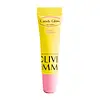
This barrier-repair lip moisturizer is formulated around Butyrospermum Parkii Butter and Ceramide NP to strengthen the lip barrier and hydrate lips.
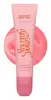
This barrier-repair lip moisturizer is formulated around Butyrospermum Parkii Butter and Ceramide AP to strengthen the lip barrier and hydrate lips.

What's inside
What's inside
 Key Ingredients
Benefits
Concerns
Ingredients Side-by-side
Polyisobutene
Diisostearyl Malate
EmollientHydrogenated Polyisobutene
EmollientPolyglyceryl-2 Triisostearate
Emulsifying

Butyrospermum Parkii Butter
Skin Conditioning




Microcrystalline Wax
Emulsion StabilisingOctyldodecanol
Emollient
Phytosteryl/Isostearyl/Cetyl/Stearyl/Behenyl Dimer Dilinoleate
Skin Conditioning
Tribehenin
Emollient
Synthetic Wax
Abrasive
Caprylyl Glycol
Emollient
Tocopheryl Acetate
Antioxidant


Glyceryl Caprylate
EmollientDisteardimonium Hectorite
StabilisingStevioside
MaskingCI 15850
Cosmetic ColorantOrbignya Oleifera Seed Oil
Emollient
Glycerin
Humectant
Macadamia Integrifolia Seed Oil
Skin Conditioning
Psidium Guajava Fruit Extract
AstringentElaeis Guineensis Oil
Emollient
Ceramide NP
Skin Conditioning



Cholesterol
Emollient
Phytosphingosine
Skin Conditioning
Butylene Glycol
Humectant
Persea Gratissima Oil
Skin Conditioning
Adansonia Digitata Seed Oil
Emollient
Stearic Acid
Cleansing
Tocopherol
Antioxidant
Hydrogenated Lecithin
Emulsifying
Water
Skin Conditioning1,2-Hexanediol
Skin Conditioning
Polyisobutene, Diisostearyl Malate, Hydrogenated Polyisobutene, Polyglyceryl-2 Triisostearate, Butyrospermum Parkii Butter, Microcrystalline Wax, Octyldodecanol, Phytosteryl/Isostearyl/Cetyl/Stearyl/Behenyl Dimer Dilinoleate, Tribehenin, Synthetic Wax, Caprylyl Glycol, Tocopheryl Acetate, Glyceryl Caprylate, Disteardimonium Hectorite, Stevioside, CI 15850, Orbignya Oleifera Seed Oil, Glycerin, Macadamia Integrifolia Seed Oil, Psidium Guajava Fruit Extract, Elaeis Guineensis Oil, Ceramide NP, Cholesterol, Phytosphingosine, Butylene Glycol, Persea Gratissima Oil, Adansonia Digitata Seed Oil, Stearic Acid, Tocopherol, Hydrogenated Lecithin, Water, 1,2-Hexanediol
Hydrogenated Polyisobutene
EmollientDiisostearyl Malate
EmollientButyrospermum Parkii Butter
Skin Conditioning
Polybutene
Microcrystalline Wax
Emulsion StabilisingDiheptyl Succinate
EmollientSynthetic Beeswax
Emulsion Stabilising
Synthetic Wax
Abrasive
Capryloyl Glycerin/Sebacic Acid Copolymer
Skin ConditioningCeramide AP
Skin Conditioning
Ceramide As
Skin Conditioning
Ceramide Ns
Skin Conditioning
Ceramide NP
Skin Conditioning
Siraitia Grosvenorii Fruit Extract
Skin ConditioningSodium Hyaluronate
Humectant
Ceramide EOP
Skin Conditioning
Niacinamide
Smoothing




Tocopheryl Acetate
Antioxidant
Citrus Aurantium Peel Oil

Ethylhexyl Palmitate
Emollient
2,3-Butanediol
HumectantHydrogenated Lecithin
Emulsifying
Cholesterol
Emollient
Disteardimonium Hectorite
StabilisingGlyceryl Stearate
Emollient
Silica Dimethyl Silylate
EmollientButylene Glycol
Humectant
Caprylyl Glycol
Emollient
Phenoxyethanol
Preservative
Hexylene Glycol
EmulsifyingAroma


Vanillin
Masking
Menthol
Masking
Limonene
Perfuming
Eugenol
Perfuming
Cinnamal
Perfuming
Citral
Perfuming
Linalool
Perfuming
Methyl Salicylate
Perfuming
Polyhydroxystearic Acid
Emulsifying
Decyl Oleate
Emollient
CI 15850
Cosmetic ColorantTriisostearoyl Polyglyceryl-3 Dimer Dilinoleate
Emollient
CI 19140
Cosmetic ColorantTrihydroxystearin
Skin Conditioning
Hydrogenated Polyisobutene, Diisostearyl Malate, Butyrospermum Parkii Butter, Polybutene, Microcrystalline Wax, Diheptyl Succinate, Synthetic Beeswax, Synthetic Wax, Capryloyl Glycerin/Sebacic Acid Copolymer, Ceramide AP, Ceramide As, Ceramide Ns, Ceramide NP, Siraitia Grosvenorii Fruit Extract, Sodium Hyaluronate, Ceramide EOP, Niacinamide, Tocopheryl Acetate, Citrus Aurantium Peel Oil, Ethylhexyl Palmitate, 2,3-Butanediol, Hydrogenated Lecithin, Cholesterol, Disteardimonium Hectorite, Glyceryl Stearate, Silica Dimethyl Silylate, Butylene Glycol, Caprylyl Glycol, Phenoxyethanol, Hexylene Glycol, Aroma, Vanillin, Menthol, Limonene, Eugenol, Cinnamal, Citral, Linalool, Methyl Salicylate, Polyhydroxystearic Acid, Decyl Oleate, CI 15850, Triisostearoyl Polyglyceryl-3 Dimer Dilinoleate, CI 19140, Trihydroxystearin
Ingredients Explained
These ingredients are found in both products.
Ingredients higher up in an ingredient list are typically present in a larger amount.
Butylene Glycol (or BG) is used within cosmetic products for a few different reasons:
Overall, Butylene Glycol is a safe and well-rounded ingredient that works well with other ingredients.
Though this ingredient works well with most skin types, some people with sensitive skin may experience a reaction such as allergic rashes, closed comedones, or itchiness.
Learn more about Butylene GlycolThis ingredient is also known as shea butter. It is a plant-derived extract from the nuts of the Africa shea tree and one of the most well-studied emollients.
Because it has a high concentration of fatty acids (primarily oleic, stearic, and linoleic) it is able to form a protective barrier on the skin's surface. This helps seal in moisture and prevents transepidermal water loss (TEWL).
In vitro research found an increase in skin hydration by 58% and a decrease in TEWL by 37.8% after 24 hours of applying this ingredient (pretty impressive for a single ingredient!).
Besides hydration, shea butter also contains triterpenes that have anti-inflammatory potential. In particule, lupeol cinnamate has shown the highest anti-inflammatory activity in vivo.
Shea butter also contains vitamins A and E which may contribute to antioxidant activity.
While Shea Butter has an SPF rating of about 3-4, it is not a sunscreen replacement.
This ingredient may not be fungal acne safe because its fatty acids fall within the C11-C24 range that the Malassezia yeast can metabolize.
This ingredient shows up on a lot of "pore-clogging" lists but there's no real evidence behind that. It doesn't even have a comedogenic rating from an actual study; the numbers you'll find online come from blogs citing other blogs.
Ratings for other ingredients mostly come from a 1980s rabbit ear test. This test doesn't translate well to human skin or to real products because the ingredient sits at a much lower percentage.
Some people still find it breaks them out. So if that's you, definitely trust your skin. Just know this one's based on experience and not evidence.
Learn more about Butyrospermum Parkii ButterCaprylyl Glycol is a humectant, skin conditioner, emollient, and preservative booster derived from either caprylic acid or synthetically created.
Typical use levels vary from 0.3-1% as a preservative booster and go up to 2% to condition skin.
Because it is not a free-fatty acid, this ingredient is fungal acne safe (there's nothing for Malassezia to feed on).
Learn more about Caprylyl GlycolCeramide NP (formerly known as Ceramide 3) is one of the skin's naturally occurring lipids.
Since ceramides are the major lipid components of the skin, they are crucial for maintaining skin barrier and hydration. Ceramide NP most closely mirrors the dominant kind in human skin amongst ceramide subtypes.
This ceramide works by slotting into gaps within the stratum corneum's lipid matrix to limit trans-epidermal water loss (TEWL) and shield the skin against external irritants.
A study with 312 patients found that using a ceramide-containing routine for 4 weeks reduced the severity of atopic dermatitis by over 61%.
Another clinical study in subjects aged 60 and older found that a ceramide body wash and moisturizer improved skin dryness and itchy skin in 15 days.
Overall, ceramides are considered non-irritating and safety tests have found little to no observable adverse effects from using this ingredient.
Ceramide NP is usually sourced from plants (like soybean or rice bran), or produced synthetically.
Learn more about Ceramide NPCholesterol is a lipid that is naturally found in human skin and is one of the three key components of your skin barrier. In skincare, it is an emollient and barrier-repairing ingredient.
It works by fitting directly into the lipid layers of skin to help restore structure and reduce transepidermal water loss (TEWL).
This is a great ingredient for dry, compromised, or aging skin; our skin starts to produce less cholesterol with age.
Research shows cholesterol works best in combination with ceramides and fatty acids, the other two major components in your skin barrier.
Cholesterol is also a well-establish penetration enhancer and can help other actives absorb more effectively.
Cosmetic-grade cholesterol is usually derived from lanolin but plant and synthetic options also exist. We recommend reaching out to the brand if you have questions about their source of cholesterol.
Learn more about CholesterolCi 15850 is the pigment color red. It is an azo dye and created synthetically.
Azo dyes need to be thoroughly purified before use. This allows them to be more stable and longer-lasting.
This ingredient is common in foundations, lipsticks, and blushes. This color is described as brown/orangey red.
It has many secondary names such as Red 6 and Red 7. According to a manufacturer, Red 6 usually contains aluminum.
Learn more about CI 15850Diisostearyl Malate is an emollient and most often used in lip products. It comes from isostearyl alcohol, a fatty acid, and malic acid, an AHA.
As an emollient, Diisostearyl Malate helps create a thin film on your skin to trap moisture in. This helps keep your skin soft and smooth.
Disteardimonium Hectorite comes from the clay mineral named hectorite. It is used to add thickness to a product.
It can also help stabilize a product by helping to disperse other ingredients.
Hectorite is a rare, white clay mineral.
Learn more about Disteardimonium HectoriteHydrogenated Lecithin is a more stable version of lecithin.
It's made by taking lecithin (a phospholipid commonly found in soybeans and egg yolks) and hydrogenating it. This just means the unsaturated fatty acids are turned into saturated ones so they don't go bad as easily.
This ingredient is an emollient, emulsifier, and penetration enhancer. As an emollient, it helps soften and hydrate skin by trapping moisture within. As an emulsifier, it prevents oil and water ingredients from separating.
Hydrogenated Lecithin can form tiny spherical structures made of phospholipid bilayers called liposomes. These liposomes are able to capture compounds inside their structure and deliver them through the skin barrier.
Because phospholipids are a natural component of our cell membranes, this ingredient is inherently compatible with skin.
A 2021 study found lecithin-based surfactants were less harsh and more tolerable comared to Sodium Lauryl Sulfate (SLS).
Learn more about Hydrogenated LecithinHydrogenated Polyisobutene is a synthetic polymer. Polymers are compounds with high molecular weight. Hydrogenated Polyisobutene is an emollient and texture enhancer.
In one study, Hydrogenated Polyisobutene showed better skin hydration levels than Caprylic/Capric Triglyceride. As an emollient, it helps keep your skin soft and hydrated by trapping moisture in.
Hydrogenated Polyisobutene is often used as a mineral oil replacement.
Learn more about Hydrogenated PolyisobuteneMicrocrystalline Wax is derived from petroleum through a de-oiling process, then highly refined and purified before use in cosmetics.
In skincare formulations, it is used to improve texture and create a smooth, even consistency. It also helps stabilize products by preventing ingredients from separating.
Synthetic Wax is a manufactured hydrocarbon wax. In formulas, it works as an occlusive emollient that helps reduce water loss and improves the spreadability of products.
Research comparing synthetic wax to traditional mineral-derived products found that formulas containing it perform as well for skin hydration.
It is considered non-comedogenic and vegan-friendly.
This ingredient has a well-established safety record by the CIR Expert Panel for Cosmetic Ingredient Safety.
Synthetic Waxes are straight/branched-chain hydrocarbons with no ester bond or fatty acids. That means there is nothing for the Malassezia yeast to feed on.
Learn more about Synthetic WaxTocopheryl Acetate is a stable, shelf-friendly form of vitamin E.
Formulators love it because plain vitamin E oxidizes quickly once it hits air. This acetate version stays stable and resists going off, helping to extend a product's shelf life.
It's actually inactive on its own and works like a slow-release "storage" form; the enzymes in your skin called esterases gradually convert it into active vitamin E over time.
One in vivo study showed 5% of the acetate in the living layer of the epidermis converted to vitamin E after 5 days of application. This study also found the skin gained protection against UV damage even though the conversion was slow and small.
Once converted, vitamin E acts as a skin's main fat-soluble antioxidant that fights free radicals to protect skin from damage.
Topical vitamin E generally boosts the skin's photoprotection, and it reduced UV-damage in animal models.
This ingredient has some brightening potential but it's more of a prevention ingredient than spot-fader. Cell studies show it can slow down melanin production but it's worth noting that it's not the most powerful brightener out there.
Overall, it has a pretty solid safety profile and has been found to be non-irritating and non-comedogenic. Allergic reactions may happen but stay rare due to how widely the ingredient gets used.
The concentration will vary depending on the formula; industry data shows 0.1% in baby lotions, 3% in lipsticks, and 5% in foot powders. You can also find this ingredient at 100% in a pure vitamin E oil.
Most leave-on skincare keeps it at the lower end, often between 0.5-1%.
Learn more about Tocopheryl Acetate

