Olehenriksen Wrinkle Blur Bakuchiol Eye Gel Creme Versus Tatcha Luminous Deep Hydration Firming Eye Serum
This anti-aging eye moisturizer is formulated around Bakuchiol and Palmitoyl Tripeptide-1 to soften the look of wrinkles and refine skin texture.
This anti-aging eye moisturizer is formulated around Squalane and Camellia Sinensis Leaf Extract to soften the look of wrinkles and hydrate skin.


What's inside
What's inside
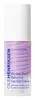 Key Ingredients
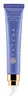
Benefits
Concerns
Ingredients Side-by-side
Water
Skin ConditioningDimethicone
Emollient

Glycerin
Humectant

Neopentyl Glycol Diheptanoate
EmollientPentylene Glycol
Skin Conditioning
Dimethicone Crosspolymer
Emulsion Stabilising
Propanediol
Solvent
Bakuchiol
Antimicrobial








Palmitoyl Tripeptide-1
Skin Conditioning
Palmitoyl Tetrapeptide-7
Skin Conditioning
Hydrolyzed Rice Protein
Skin ConditioningCalanthe Discolor Extract
Skin ConditioningAloe Barbadensis Leaf Juice
Skin Conditioning
Chamomilla Recutita Flower Extract
Masking
Glycyrrhiza Glabra Root Extract
Bleaching
Santalum Album Extract
CleansingCitrus Limon Fruit Extract
Masking
Saccharum Officinarum Extract
MoisturisingGlycine Soja Protein
EmulsifyingBiotin
AntiseborrhoeicPanthenol
Skin Conditioning
Tocopheryl Acetate
Antioxidant
Allantoin
Skin Conditioning
Pullulan
Superoxide Dismutase
Antioxidant
Chrysin
Skin ConditioningLeuconostoc/Radish Root Ferment Filtrate
Antimicrobial

Gluconolactone
Chelating


N-Hydroxysuccinimide
Skin ConditioningCaprylhydroxamic Acid
ChelatingPEG/PPG-18/18 Dimethicone
Emulsifying
Triethoxycaprylylsilane
Tetrasodium Glutamate Diacetate
ChelatingSteareth-20
CleansingGlyceryl Acrylate/Acrylic Acid Copolymer
HumectantSodium Dextran Sulfate
Gel FormingXanthan Gum
EmulsifyingCarbomer
Emulsion StabilisingSodium Citrate
BufferingSodium Glycolate
BufferingCitric Acid
Buffering
Calcium Gluconate
HumectantSodium Formate
Buffering
Sodium Hydroxide
Buffering1,2-Hexanediol
Skin Conditioning
Caprylyl Glycol
Emollient
Potassium Sorbate
Preservative
Chlorhexidine Digluconate
Antimicrobial
Sodium Benzoate
Masking
Phenoxyethanol
Preservative
Parfum
Masking


Limonene
Perfuming
Linalool
Perfuming
Citral
Perfuming
CI 77007
Cosmetic ColorantCI 77891
Cosmetic ColorantWater, Dimethicone, Glycerin, Neopentyl Glycol Diheptanoate, Pentylene Glycol, Dimethicone Crosspolymer, Propanediol, Bakuchiol, Palmitoyl Tripeptide-1, Palmitoyl Tetrapeptide-7, Hydrolyzed Rice Protein, Calanthe Discolor Extract, Aloe Barbadensis Leaf Juice, Chamomilla Recutita Flower Extract, Glycyrrhiza Glabra Root Extract, Santalum Album Extract, Citrus Limon Fruit Extract, Saccharum Officinarum Extract, Glycine Soja Protein, Biotin, Panthenol, Tocopheryl Acetate, Allantoin, Pullulan, Superoxide Dismutase, Chrysin, Leuconostoc/Radish Root Ferment Filtrate, Gluconolactone, N-Hydroxysuccinimide, Caprylhydroxamic Acid, PEG/PPG-18/18 Dimethicone, Triethoxycaprylylsilane, Tetrasodium Glutamate Diacetate, Steareth-20, Glyceryl Acrylate/Acrylic Acid Copolymer, Sodium Dextran Sulfate, Xanthan Gum, Carbomer, Sodium Citrate, Sodium Glycolate, Citric Acid, Calcium Gluconate, Sodium Formate, Sodium Hydroxide, 1,2-Hexanediol, Caprylyl Glycol, Potassium Sorbate, Chlorhexidine Digluconate, Sodium Benzoate, Phenoxyethanol, Parfum, Limonene, Linalool, Citral, CI 77007, CI 77891
Water
Skin ConditioningGlycerin
Humectant
Propanediol
Solvent
PEG-400
Emulsion StabilisingSqualane
Emollient
Sericin
Skin ConditioningCamellia Sinensis Leaf Extract
Antimicrobial
Origanum Majorana Leaf Extract
AntiseborrhoeicPanax Ginseng Root Extract
Emollient
Lonicera Japonica Leaf Extract
Skin ConditioningStearyl Glycyrrhetinate
Skin ConditioningCaffeine
Skin Conditioning
Royal Jelly Extract
Skin Conditioning
Thymus Serpyllum Extract
Skin ConditioningGold
Cosmetic ColorantAlgae Extract
Emollient
Hydrolyzed Hyaluronic Acid
Humectant
Persea Gratissima Oil
Skin Conditioning
Prunus Armeniaca Kernel Oil
Masking
Rosa Canina Fruit Oil
Emollient
Inositol
Humectant
Helianthus Annuus Seed Oil
Emollient
Hydrogenated Lecithin
Emulsifying
Sodium Hyaluronate Crosspolymer
Humectant
Glycosyl Trehalose
Emulsion StabilisingHydrogenated Starch Hydrolysate
HumectantPotassium Hydroxide
BufferingSodium Dilauramidoglutamide Lysine
HumectantNatto Gum
Xanthan Gum
EmulsifyingDisodium EDTA
ChelatingSorbitan Stearate
Emulsifying
Dimethicone
Emollient
Dipentaerythrityl Hexahydroxystearate
EmulsifyingCarbomer
Emulsion StabilisingMica
Cosmetic ColorantTin Oxide
Abrasive
Titanium Dioxide
Cosmetic Colorant

Butylene Glycol
Humectant
Pentylene Glycol
Skin Conditioning
Sodium Chloride
MaskingEthylhexylglycerin
Skin ConditioningBehenyl Alcohol
Emollient
Alcohol
Antimicrobial

Phenoxyethanol
Preservative
Water, Glycerin, Propanediol, PEG-400, Squalane, Sericin, Camellia Sinensis Leaf Extract, Origanum Majorana Leaf Extract, Panax Ginseng Root Extract, Lonicera Japonica Leaf Extract, Stearyl Glycyrrhetinate, Caffeine, Royal Jelly Extract, Thymus Serpyllum Extract, Gold, Algae Extract, Hydrolyzed Hyaluronic Acid, Persea Gratissima Oil, Prunus Armeniaca Kernel Oil, Rosa Canina Fruit Oil, Inositol, Helianthus Annuus Seed Oil, Hydrogenated Lecithin, Sodium Hyaluronate Crosspolymer, Glycosyl Trehalose, Hydrogenated Starch Hydrolysate, Potassium Hydroxide, Sodium Dilauramidoglutamide Lysine, Natto Gum, Xanthan Gum, Disodium EDTA, Sorbitan Stearate, Dimethicone, Dipentaerythrityl Hexahydroxystearate, Carbomer, Mica, Tin Oxide, Titanium Dioxide, Butylene Glycol, Pentylene Glycol, Sodium Chloride, Ethylhexylglycerin, Behenyl Alcohol, Alcohol, Phenoxyethanol
Reviews
Ingredients Explained
These ingredients are found in both products.
Ingredients higher up in an ingredient list are typically present in a larger amount.
Carbomer is a synthetic thickening and gelling agent. It's basically the ingredient that gives a lot of serums, gels, creams, and sunscreens their smooth, non-sticky texture.
Although legally permitted at very high levels, carbomers are normally used at concentrations below 1%.
It also needs to be neutralized to actually thicken, and because it is a large molecule, it doesn't really penetrate the skin barrier.
Allergy-wise, the risk is very low. Clinical studies show carbomers have low potential for skin irritation/sensitization even at concentrations up to 100%.
A 2024 UK study patch-tested 1,302 patients and found true allergy to the parent group of carbomer to be rare with no confirmed relevant reactions.
Learn more about CarbomerDimethicone is a type of synthetic silicone created from natural materials such as quartz. It is also known as polydimethylsiloxane.
What it does:
Dimethicone comes in different viscosities:
Depending on the viscosity, dimethicone has different properties.
Ingredients lists don't always show which type is used, so we recommend reaching out to the brand if you have questions about the viscosity.
This ingredient is unlikely to cause irritation because it does not get absorbed into skin. However, people with silicone allergies should be careful about using this ingredient.
Note: Dimethicone may contribute to pilling. This is because it is not oil or water soluble, so pilling may occur when layered with products. When mixed with heavy oils in a formula, the outcome is also quite greasy.
Learn more about DimethiconeGlycerin (or glycerol) is a compound naturally found in your skin. It's a powerhouse humectant that pulls water into the stratum corneum.
Topically, glycerin does several things at once:
Your skin makes glycerin on its own (mostly from sebaceous oil breakdown) and shuttles it to your outermost layer of skin, or your epidermis, via aquaporin-3.
Aquaporin-3 is a transporter that is essential for normal skin hydration, elasticity, and repair. Interestingly, mice lacking in AQP3 have dry and less elastic skin that can be fully corrected with glycerin.
This ingredient is non-irritating, plays well with almost every ingredient, and works across all skin types. Typical use is anywhere between 3-10% but can go up to 79% in some leave-on products.
Just know very high concentrations (>40%) can feel tacky in low humidity.
Glycerin is the name for this ingredient in American English. British English uses Glycerol/Glycerine.
Learn more about GlycerinPentylene Glycol (1,2-pentanediol) is a multitasking little diol with three main roles in a formula:
Research on alkanediols (the family pentylene glycol belongs to) show they work by disrupting microbial cell membranes. This disruption helps the primary preservative system in a product work more effectively at lower doses.
On the safety side, the Cosmetic Ingredient Review Expert Panel has concluded this ingredient to be safe as used in current cosmetic practices + concentrations.
Typical use levels in a formula run about 1-5%.
Learn more about Pentylene GlycolPhenoxyethanol is one of the most widely used preservatives in skincare (and for good reason!).
It has a large spectrum of antimicrobial activity and especially effective bacteria, yeast, and mold while only having a weak effect on your skin's natural microbiome.
On a cellular level, it disrupts the cell membranes of microbes by poking holes that make the cell leak. This shuts down the chemical reactions the microbe needs to make energy so it can no longer survive.
Another perk of this ingredient is that it stays functional across a wide pH range (3-10).
You'll often see it paired with boosters like Ethylhexylglycerin; one study showed that a 1:9 ratio of Ethylhexylglycerin to Phenoxyethanol damages bacterial membranes as effectively as doubling the Phenoxyethanol concentration on its own.
Typical use concentrations range from 0.3-1% depending on the formula, and this ingredient is capped at 1% int the EU.
Safety-wise, the fear mongering does not hold up to the evidence. The EU's Scientific Committee on Consumer Safety and FDA consider it safe as a preservative at up to 1%, including for children of all ages.
Adverse systemic effects only showed up in animal studies at exposures roughly 200x higher than what people get from cosmetics. And despite its very widespread use, this ingredient is a rare sensitizer and allergic reactions are uncommon.
Learn more about PhenoxyethanolPropanediol is an all-star ingredient. It softens, hydrates, and smooths the skin.
It’s often used to:
Propanediol is not likely to cause sensitivity and considered safe to use. It is derived from corn or petroleum with a clear color and no scent.
Learn more about PropanediolWater. It's the most common cosmetic ingredient of all. You'll usually see it at the top of ingredient lists, meaning that it makes up the largest part of the product.
So why is it so popular? Water most often acts as a solvent - this means that it helps dissolve other ingredients into the formulation.
You'll also recognize water as that liquid we all need to stay alive. If you see this, drink a glass of water. Remember to stay hydrated!
Learn more about WaterXanthan gum is used as a stabilizer and thickener within cosmetic products. It helps give products a sticky, thick feeling - preventing them from being too runny.
On the technical side of things, xanthan gum is a polysaccharide - a combination consisting of multiple sugar molecules bonded together.
Xanthan gum is a pretty common and great ingredient. It is a natural, non-toxic, non-irritating ingredient that is also commonly used in food products.
Learn more about Xanthan Gum

