
What's inside
What's inside
 Key Ingredients
Benefits
Concerns
Ingredients Side-by-side
Water
Skin ConditioningGlycerin
Humectant



Isohexadecane
EmollientNiacinamide
Smoothing







Isopropyl Isostearate
Emollient


Aluminum Starch Octenylsuccinate
Absorbent
Nylon-12

Dimethicone
Emollient
Panthenol
Skin Conditioning
Tocopheryl Acetate
Antioxidant

Palmitoyl Pentapeptide-4
Skin Conditioning
Sodium PEG-7 Olive Oil Carboxylate
Emulsifying
Sodium Hyaluronate
Humectant
Caprylic/Capric Triglyceride
Masking
Ceratonia Siliqua Fruit Extract
MaskingStearyl Alcohol
Emollient
Polyethylene
Abrasive
Cetyl Alcohol
Emollient
Behenyl Alcohol
Emollient
Sodium Acrylates Copolymer
Titanium Dioxide
Cosmetic Colorant
Benzyl Alcohol
Perfuming







Methylparaben
Preservative
Ethylparaben
Preservative
Dimethiconol
Emollient
Polyacrylamide
Parfum
Masking
PEG-100 Stearate
Propylparaben
Preservative
Cetearyl Glucoside
EmulsifyingCetearyl Alcohol
Emollient
C13-14 Isoparaffin
Emollient
Disodium EDTA
Citric Acid
Buffering

Stearic Acid
Cleansing
Palmitic Acid
Emollient
C12-13 Pareth-3
EmulsifyingLaureth-7
EmulsifyingSodium Hydroxide
BufferingMica
Cosmetic Colorant
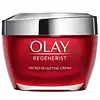
Water, Glycerin, Isohexadecane, Niacinamide, Isopropyl Isostearate, Aluminum Starch Octenylsuccinate, Nylon-12, Dimethicone, Panthenol, Tocopheryl Acetate, Palmitoyl Pentapeptide-4, Sodium PEG-7 Olive Oil Carboxylate, Sodium Hyaluronate, Caprylic/Capric Triglyceride, Ceratonia Siliqua Fruit Extract, Stearyl Alcohol, Polyethylene, Cetyl Alcohol, Behenyl Alcohol, Sodium Acrylates Copolymer, Titanium Dioxide, Benzyl Alcohol, Methylparaben, Ethylparaben, Dimethiconol, Polyacrylamide, Parfum, PEG-100 Stearate, Propylparaben, Cetearyl Glucoside, Cetearyl Alcohol, C13-14 Isoparaffin, Disodium EDTA, Citric Acid, Stearic Acid, Palmitic Acid, C12-13 Pareth-3, Laureth-7, Sodium Hydroxide, Mica
Water
Skin ConditioningAloe Barbadensis Leaf Juice
Skin Conditioning
Cetearyl Olivate
Sorbitan Olivate
Emulsifying
Glycerin
Humectant
Helianthus Annuus Seed Oil
Emollient
Carthamus Tinctorius Seed Oil
Masking
Glyceryl Laurate
Emollient
Cocoglycerides
Emollient
Glyceryl Stearate Se
Emulsifying
Colloidal Oatmeal
Absorbent
Argania Spinosa Kernel Oil
Emollient
Limnanthes Alba Seed Oil
Skin Conditioning
Theobroma Cacao Seed Butter
Emollient
Hippophae Rhamnoides Seed Oil
Skin Protecting
Rosa Canina Fruit Oil
Emollient
Aspalathus Linearis Leaf Extract
Skin ConditioningButyrospermum Parkii Butter
Skin Conditioning
Olea Europaea Fruit Oil
Masking
Glycerophosphoinositol Lysine
Squalane
Emollient
Chamomilla Recutita Flower Oil
Masking
Xanthan Gum
EmulsifyingTocopherol
Antioxidant
Sodium Levulinate
Skin ConditioningPotassium Sorbate
Preservative
Ethylhexylglycerin
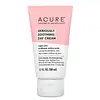
Skin ConditioningWater, Aloe Barbadensis Leaf Juice, Cetearyl Olivate, Sorbitan Olivate, Glycerin, Helianthus Annuus Seed Oil, Carthamus Tinctorius Seed Oil, Glyceryl Laurate, Cocoglycerides, Glyceryl Stearate Se, Colloidal Oatmeal, Argania Spinosa Kernel Oil, Limnanthes Alba Seed Oil, Theobroma Cacao Seed Butter, Hippophae Rhamnoides Seed Oil, Rosa Canina Fruit Oil, Aspalathus Linearis Leaf Extract, Butyrospermum Parkii Butter, Olea Europaea Fruit Oil, Glycerophosphoinositol Lysine, Squalane, Chamomilla Recutita Flower Oil, Xanthan Gum, Tocopherol, Sodium Levulinate, Potassium Sorbate, Ethylhexylglycerin
Reviews
Ingredients Explained
These ingredients are found in both products.
Ingredients higher up in an ingredient list are typically present in a larger amount.
Glycerin is already naturally found in your skin. It helps moisturize and protect your skin.
A study from 2016 found glycerin to be more effective as a humectant than AHAs and hyaluronic acid.
As a humectant, it helps the skin stay hydrated by pulling moisture to your skin. The low molecular weight of glycerin allows it to pull moisture into the deeper layers of your skin.
Hydrated skin improves your skin barrier; Your skin barrier helps protect against irritants and bacteria.
Glycerin has also been found to have antimicrobial and antiviral properties. Due to these properties, glycerin is often used in wound and burn treatments.
In cosmetics, glycerin is usually derived from plants such as soybean or palm. However, it can also be sourced from animals, such as tallow or animal fat.
This ingredient is organic, colorless, odorless, and non-toxic.
Glycerin is the name for this ingredient in American English. British English uses Glycerol/Glycerine.
Learn more about GlycerinWater. It's the most common cosmetic ingredient of all. You'll usually see it at the top of ingredient lists, meaning that it makes up the largest part of the product.
So why is it so popular? Water most often acts as a solvent - this means that it helps dissolve other ingredients into the formulation.
You'll also recognize water as that liquid we all need to stay alive. If you see this, drink a glass of water. Stay hydrated!
Learn more about Water
