
What's inside
What's inside
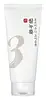 Key Ingredients
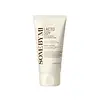
Benefits
Concerns
Ingredients Side-by-side
Glycerin
Humectant


Water
Skin ConditioningCellulose
Absorbent
Sodium Cocoyl Glycinate
Cleansing
Sodium Lauroyl Glutamate
Kaolin
Abrasive


Disodium Cocoamphodiacetate
Cleansing1,2-Hexanediol
Skin Conditioning
Hydrated Silica
Abrasive
Lauryl Betaine
CleansingSodium Chloride
MaskingSodium Methyl Cocoyl Taurate
Cleansing
Hydroxyacetophenone
Antioxidant


Ethylhexylglycerin
Skin ConditioningAcrylates/C10-30 Alkyl Acrylate Crosspolymer
Emulsion StabilisingCitric Acid
Buffering


Polyglycerin-3
Humectant
Hexylene Glycol
EmulsifyingButylene Glycol
Humectant
Hydrogenated Lecithin
Emulsifying
Ficus Carica Fruit Extract
Humectant
Centella Asiatica Extract
Cleansing

Beta-Glucan
Skin Conditioning
Ceramide NP
Skin Conditioning
Carbomer
Emulsion StabilisingHydroxypropyl Starch Phosphate
Glycerin, Water, Cellulose, Sodium Cocoyl Glycinate, Sodium Lauroyl Glutamate, Kaolin, Disodium Cocoamphodiacetate, 1,2-Hexanediol, Hydrated Silica, Lauryl Betaine, Sodium Chloride, Sodium Methyl Cocoyl Taurate, Hydroxyacetophenone, Ethylhexylglycerin, Acrylates/C10-30 Alkyl Acrylate Crosspolymer, Citric Acid, Polyglycerin-3, Hexylene Glycol, Butylene Glycol, Hydrogenated Lecithin, Ficus Carica Fruit Extract, Centella Asiatica Extract, Beta-Glucan, Ceramide NP, Carbomer, Hydroxypropyl Starch Phosphate
Water
Skin ConditioningGlycerin
Humectant
Myristic Acid
Cleansing
Potassium Hydroxide
BufferingPalmitic Acid
Emollient
Stearic Acid
Cleansing
Glyceryl Stearate Se
Emulsifying
Sorbitan Olivate
Emulsifying
Lauric Acid
Cleansing
Lactobacillus/Soymilk Ferment Filtrate
Skin ConditioningSodium Methyl Cocoyl Taurate
Cleansing
Cocamidopropyl Betaine
Cleansing
Dipropylene Glycol
HumectantPolyquaternium-7
Hydroxyacetophenone
Antioxidant
Caprylyl Glycol
Emollient
Sodium Chloride
MaskingPropanediol
Solvent
Disodium EDTA
Butylene Glycol
Humectant
Hydroxyethylcellulose
Emulsion Stabilising1,2-Hexanediol
Skin Conditioning
Eucalyptus Globulus Leaf Oil
Perfuming




Dextrin
AbsorbentTheobroma Cacao Extract
Skin ConditioningPapain
Skin Conditioning
Glycine Soja Seed Extract
Skin Conditioning
Allantoin
Skin Conditioning
Sodium Benzoate
Masking
Glycine
Buffering
Lavandula Angustifolia Oil
Masking
Sodium Hyaluronate Crosspolymer
Humectant
Serine
Masking
Glutamic Acid
Humectant
Dipotassium Glycyrrhizate
Humectant
Aspartic Acid
Masking
Leucine
Skin ConditioningAlanine
Masking
Lysine
Skin ConditioningArginine
Masking
Tyrosine
MaskingPhenylalanine
Masking
Threonine
Proline
Skin Conditioning
Valine
MaskingIsoleucine
Skin ConditioningHistidine
Humectant
Sodium Hyaluronate
Humectant
Methionine
Skin ConditioningCysteine
Antioxidant
Hyaluronic Acid
Humectant
Hydrolyzed Hyaluronic Acid
Humectant
Hydroxypropyltrimonium Hyaluronate
Hydrolyzed Sodium Hyaluronate
Skin Conditioning
Potassium Hyaluronate
Skin ConditioningMentha Rotundifolia Leaf Extract
TonicPentylene Glycol
Skin Conditioning
Camellia Sinensis Leaf Extract
Antimicrobial
Thymus Vulgaris Leaf Extract
Skin ProtectingSodium Acetylated Hyaluronate
Humectant
Water, Glycerin, Myristic Acid, Potassium Hydroxide, Palmitic Acid, Stearic Acid, Glyceryl Stearate Se, Sorbitan Olivate, Lauric Acid, Lactobacillus/Soymilk Ferment Filtrate, Sodium Methyl Cocoyl Taurate, Cocamidopropyl Betaine, Dipropylene Glycol, Polyquaternium-7, Hydroxyacetophenone, Caprylyl Glycol, Sodium Chloride, Propanediol, Disodium EDTA, Butylene Glycol, Hydroxyethylcellulose, 1,2-Hexanediol, Eucalyptus Globulus Leaf Oil, Dextrin, Theobroma Cacao Extract, Papain, Glycine Soja Seed Extract, Allantoin, Sodium Benzoate, Glycine, Lavandula Angustifolia Oil, Sodium Hyaluronate Crosspolymer, Serine, Glutamic Acid, Dipotassium Glycyrrhizate, Aspartic Acid, Leucine, Alanine, Lysine, Arginine, Tyrosine, Phenylalanine, Threonine, Proline, Valine, Isoleucine, Histidine, Sodium Hyaluronate, Methionine, Cysteine, Hyaluronic Acid, Hydrolyzed Hyaluronic Acid, Hydroxypropyltrimonium Hyaluronate, Hydrolyzed Sodium Hyaluronate, Potassium Hyaluronate, Mentha Rotundifolia Leaf Extract, Pentylene Glycol, Camellia Sinensis Leaf Extract, Thymus Vulgaris Leaf Extract, Sodium Acetylated Hyaluronate
Reviews
Ingredients Explained
These ingredients are found in both products.
Ingredients higher up in an ingredient list are typically present in a larger amount.
1,2-Hexanediol is a synthetic liquid and another multi-functional powerhouse.
It is a:
- Humectant, drawing moisture into the skin
- Emollient, helping to soften skin
- Solvent, dispersing and stabilizing formulas
- Preservative booster, enhancing the antimicrobial activity of other preservatives
Butylene Glycol (or BG) is used within cosmetic products for a few different reasons:
Overall, Butylene Glycol is a safe and well-rounded ingredient that works well with other ingredients.
Though this ingredient works well with most skin types, some people with sensitive skin may experience a reaction such as allergic rashes, closed comedones, or itchiness.
Learn more about Butylene GlycolGlycerin (or glycerol) is a compound naturally found in your skin. It's a powerhouse humectant that pulls water into the stratum corneum.
Topically, glycerin does several things at once:
Your skin makes glycerin on its own (mostly from sebaceous oil breakdown) and shuttles it to your outermost layer of skin, or your epidermis, via aquaporin-3.
Aquaporin-3 is a transporter that is essential for normal skin hydration, elasticity, and repair. Interestingly, mice lacking in AQP3 have dry and less elastic skin that can be fully corrected with glycerin.
This ingredient is non-irritating, plays well with almost every ingredient, and works across all skin types. Typical use is anywhere between 3-10% but can go up to 79% in some leave-on products.
Just know very high concentrations (>40%) can feel tacky in low humidity.
Glycerin is the name for this ingredient in American English. British English uses Glycerol/Glycerine.
Learn more about GlycerinHydroxyacetophenone is antioxidant with skin conditioning and soothing properties. It also boosts the efficiency of preservatives.
Though naturally occuring in Norwegian spruce needles, this ingredient is usually synthetically created.
This ingredient is not irritating or sensitizing. Recent research also suggests it may have skin-brightening effects through tyrosinase inhibition.
Learn more about HydroxyacetophenoneChances are, you eat sodium chloride every day. Sodium Chloride is also known as table salt. This ingredient has many purposes in skincare: thickener, emulsifier, and exfoliator.
You'll most likely find this ingredient in cleansers where it is used to create a gel-like texture. As an emulsifier, it also prevents ingredients from separating.
You might see people debate whether Sodium Chloride is comedogenic, but there actually haven't been any comedogenic tests done on it. Either way, the overall formulation of a product matters a lot more than any single ingredient.
You might see this ingredient used in scrubs as a primary exfoliating ingredient.
Learn more about Sodium ChlorideThis gentle cleansing and foaming ingredient is known for leaving a smooth feeling in skin and hair. It is made using coconut oil.
According to the manufacturer, it is soluble in water and has resistance to hard water, acid, and alkali.
Due to its coconut base, it may not be Malassezia folliculitis safe.
Learn more about Sodium Methyl Cocoyl TaurateWater. It's the most common cosmetic ingredient of all. You'll usually see it at the top of ingredient lists, meaning that it makes up the largest part of the product.
So why is it so popular? Water most often acts as a solvent - this means that it helps dissolve other ingredients into the formulation.
You'll also recognize water as that liquid we all need to stay alive. If you see this, drink a glass of water. Remember to stay hydrated!
Learn more about Water
