

What's inside
What's inside
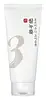 Key Ingredients
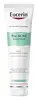
Benefits
Concerns
Ingredients Side-by-side
Glycerin
Humectant


Water
Skin ConditioningCellulose
Absorbent
Sodium Cocoyl Glycinate
Cleansing
Sodium Lauroyl Glutamate
SurfactantKaolin
Abrasive


Disodium Cocoamphodiacetate
Cleansing1,2-Hexanediol
Skin Conditioning
Hydrated Silica
Abrasive
Lauryl Betaine
CleansingSodium Chloride
MaskingSodium Methyl Cocoyl Taurate
Cleansing
Hydroxyacetophenone
Antioxidant


Ethylhexylglycerin
Skin ConditioningAcrylates/C10-30 Alkyl Acrylate Crosspolymer
Emulsion StabilisingCitric Acid
Buffering


Polyglycerin-3
Humectant
Hexylene Glycol
EmulsifyingButylene Glycol
Humectant
Hydrogenated Lecithin
Emulsifying
Ficus Carica Fruit Extract
Humectant
Centella Asiatica Extract
Cleansing

Beta-Glucan
Skin Conditioning
Ceramide NP
Skin Conditioning
Carbomer
Emulsion StabilisingHydroxypropyl Starch Phosphate
Glycerin, Water, Cellulose, Sodium Cocoyl Glycinate, Sodium Lauroyl Glutamate, Kaolin, Disodium Cocoamphodiacetate, 1,2-Hexanediol, Hydrated Silica, Lauryl Betaine, Sodium Chloride, Sodium Methyl Cocoyl Taurate, Hydroxyacetophenone, Ethylhexylglycerin, Acrylates/C10-30 Alkyl Acrylate Crosspolymer, Citric Acid, Polyglycerin-3, Hexylene Glycol, Butylene Glycol, Hydrogenated Lecithin, Ficus Carica Fruit Extract, Centella Asiatica Extract, Beta-Glucan, Ceramide NP, Carbomer, Hydroxypropyl Starch Phosphate
Myristic Acid
Cleansing

Propylene Glycol
Humectant
Salicylic Acid
Masking


Potassium Hydroxide
BufferingGlycerin
Humectant
Lauric Acid
Cleansing
PEG-150
HumectantPEG-8
HumectantGlyceryl Stearate
Emollient
Octadecenedioic Acid
Emulsifying
Bisabolol
Antioxidant
Cera Alba
Emollient
Sodium Methyl Cocoyl Taurate
Cleansing
BHT
Antioxidant
Arachidic Acid
Cleansing
Etidronic Acid
Disodium EDTA
Oleic Acid
Emollient
Farnesol
Perfuming


Parfum
Masking
Reviews
Ingredients Explained
These ingredients are found in both products.
Ingredients higher up in an ingredient list are typically present in a larger amount.
Glycerin (or glycerol) is a compound naturally found in your skin. It's a powerhouse humectant that pulls water into the stratum corneum.
Topically, glycerin does several things at once:
Your skin makes glycerin on its own (mostly from sebaceous oil breakdown) and shuttles it to your outermost layer of skin, or your epidermis, via aquaporin-3.
Aquaporin-3 is a transporter that is essential for normal skin hydration, elasticity, and repair. Interestingly, mice lacking in AQP3 have dry and less elastic skin that can be fully corrected with glycerin.
This ingredient is non-irritating, plays well with almost every ingredient, and works across all skin types. Typical use is anywhere between 3-10% but can go up to 79% in some leave-on products.
Just know very high concentrations (>40%) can feel tacky in low humidity.
Glycerin is the name for this ingredient in American English. British English uses Glycerol/Glycerine.
Learn more about GlycerinSodium Methyl Cocoyl Taurate is a gentle, coconut-derived cleansing surfactant. It's most commonly found in "sulfate-free" cleansers.
As a taurate, it belongs to a class of anionic surfactants prized for being efficient at cleansing without harshness, good performance in hard water, stability across a wide pH range, and easily biodegradable.
It is able to lift away oil and grime and make a nice lather without stripping your skin, so it's a good pick for sensitive skin.
Safety-wise, it has a good record. The CIR Expert Panel has concluded this ingredient to be safe in cosmetics and concentrations go up to 11% in leave-on products or 13% in rinse-off products.
Despite being derived from coconut oil, this ingredient is fungal acne safe. It's a water-soluble surfactant with no fatty oils or esters left intact on skin for the Malassezia yeast to feed.
Learn more about Sodium Methyl Cocoyl Taurate
