Numbuzin No.3 Bifida Bakuchiol Exfoliating Toner Pads Versus Numbuzin No.5 Vitamin-Niacinamide Concentrated Pad
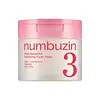
This smoothing toner pad uses a pre-saturated pad with Bifida Ferment Lysate and Gluconolactone to refine skin texture and brighten dull-looking skin.
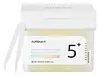
This brightening toner pad uses a pre-saturated pad with Niacinamide and Tranexamic Acid to brighten dull-looking skin and fade the look of dark spots.

What's inside
What's inside
 Key Ingredients
Benefits
Concerns
Ingredients Side-by-side
Water
Skin ConditioningMethylpropanediol
SolventBifida Ferment Lysate
Skin Conditioning



Butylene Glycol
Humectant
Alcohol Denat.
Antimicrobial




Galactomyces Ferment Filtrate
Humectant


1,2-Hexanediol
Skin Conditioning
Glycerin
Humectant
Betaine
Humectant
Trehalose
Humectant
Panthenol
Skin Conditioning
Glycereth-26
Humectant
Kojic Acid
Antioxidant


Polyglyceryl-10 Laurate
Skin Conditioning
Ammonium Acryloyldimethyltaurate/Vp Copolymer
Gluconolactone
Chelating




Sodium Citrate
BufferingAllantoin
Skin Conditioning
Sodium Hyaluronate
Humectant
Caprylyl Glycol
Emollient
Disodium EDTA
ChelatingCapryloyl Salicylic Acid
Exfoliating
Pinus Palustris Leaf Extract
TonicUlmus Davidiana Root Extract
Skin Conditioning
Oenothera Biennis Flower Extract
AstringentPueraria Lobata Root Extract
HumectantLactobacillus Ferment Lysate
Skin Conditioning
Tropolone
Skin ConditioningHydrogenated Lecithin
Emulsifying
Bakuchiol
Antimicrobial
Parfum
Masking

Water, Methylpropanediol, Bifida Ferment Lysate, Butylene Glycol, Alcohol Denat., Galactomyces Ferment Filtrate, 1,2-Hexanediol, Glycerin, Betaine, Trehalose, Panthenol, Glycereth-26, Kojic Acid, Polyglyceryl-10 Laurate, Ammonium Acryloyldimethyltaurate/Vp Copolymer, Gluconolactone, Sodium Citrate, Allantoin, Sodium Hyaluronate, Caprylyl Glycol, Disodium EDTA, Capryloyl Salicylic Acid, Pinus Palustris Leaf Extract, Ulmus Davidiana Root Extract, Oenothera Biennis Flower Extract, Pueraria Lobata Root Extract, Lactobacillus Ferment Lysate, Tropolone, Hydrogenated Lecithin, Bakuchiol, Parfum
Water
Skin ConditioningNiacinamide
Smoothing
Dipropylene Glycol
HumectantGlycerin
Humectant
Propanediol
Solvent
Butylene Glycol
Humectant
Hydroxyethyl Urea
Humectant
Diethoxyethyl Succinate
SolventHydroxyacetophenone
Antioxidant
Caprylyl Glycol
Emollient
Polyglyceryl-10 Laurate
Skin Conditioning
Betaine
Humectant
Panthenol
Skin Conditioning
Ethylhexylglycerin
Skin ConditioningGluconolactone
Chelating
Sodium Polyacrylate
Absorbent
Ammonium Acryloyldimethyltaurate/Vp Copolymer
Sodium Citrate
BufferingCitric Acid
Buffering
Maltodextrin
Absorbent
1,2-Hexanediol
Skin Conditioning
Gardenia Florida Fruit Extract
Skin ConditioningDipotassium Glycyrrhizate
Humectant
Sodium Hyaluronate
Humectant
Ascorbic Acid
Antioxidant
Pantolactone
Humectant
Tocopherol
Antioxidant
Capryloyl Salicylic Acid
Exfoliating
Tranexamic Acid
Astringent
Tremella Fuciformis Extract
Humectant
Caprylic/Capric Triglyceride
Masking
Ascorbyl Glucoside
Antioxidant
Ubiquinone
Antioxidant
Hydrogenated Lecithin
Emulsifying
Magnesium Chloride
Alcohol
Antimicrobial
Glutathione
Polysorbate 80
Emulsifying
Calcium Gluconate
HumectantPyridoxine Hcl
Skin ConditioningBHT
Antioxidant
Yeast Extract
Skin ConditioningCyanocobalamin
Skin ConditioningDisodium EDTA
ChelatingWater, Niacinamide, Dipropylene Glycol, Glycerin, Propanediol, Butylene Glycol, Hydroxyethyl Urea, Diethoxyethyl Succinate, Hydroxyacetophenone, Caprylyl Glycol, Polyglyceryl-10 Laurate, Betaine, Panthenol, Ethylhexylglycerin, Gluconolactone, Sodium Polyacrylate, Ammonium Acryloyldimethyltaurate/Vp Copolymer, Sodium Citrate, Citric Acid, Maltodextrin, 1,2-Hexanediol, Gardenia Florida Fruit Extract, Dipotassium Glycyrrhizate, Sodium Hyaluronate, Ascorbic Acid, Pantolactone, Tocopherol, Capryloyl Salicylic Acid, Tranexamic Acid, Tremella Fuciformis Extract, Caprylic/Capric Triglyceride, Ascorbyl Glucoside, Ubiquinone, Hydrogenated Lecithin, Magnesium Chloride, Alcohol, Glutathione, Polysorbate 80, Calcium Gluconate, Pyridoxine Hcl, BHT, Yeast Extract, Cyanocobalamin, Disodium EDTA
Reviews
Ingredients Explained
These ingredients are found in both products.
Ingredients higher up in an ingredient list are typically present in a larger amount.
1,2-Hexanediol is a synthetic liquid and another multi-functional powerhouse.
It is a:
- Humectant, drawing moisture into the skin
- Emollient, helping to soften skin
- Solvent, dispersing and stabilizing formulas
- Preservative booster, enhancing the antimicrobial activity of other preservatives
Ammonium Acryloyldimethyltaurate/Vp Copolymer is a synthetically created polymer. It's used as a film-forming agent and used to thicken the consistency of products.
Think of it as a supportive ingredient that helps your gel-creams feel silky, "cloud cream-like", and spread evenly without being greasy.
The Cosmetic Ingredient Review (CIR) Expert Panel evaluated it (along with 22 other acryloyldimethyltaurate polymers) and concluded it's:
Due to its large molecular size, it sits on the surface of skin rather than penetrating it.
Learn more about Ammonium Acryloyldimethyltaurate/Vp CopolymerBetaine is a humectant. Like hyaluronic acid, it helps attract and retain moisture in the skin. It’s known for being gentle and for helping the skin maintain balanced hydration.
Betaine is mainly used to improve hydration and support calmer skin. It helps skin cells regulate water balance because it functions as an osmolyte.
Some studies suggest betaine may support making skin tone more even.
Fun fact: Betaine naturally exists in the skin and the body. In cosmetic products, it can be either plant-derived (most commonly from sugar beets) or synthetically produced for consistency and stability.
Betaine is also known as trimethylglycine.
Learn more about BetaineButylene Glycol (or BG) is used within cosmetic products for a few different reasons:
Overall, Butylene Glycol is a safe and well-rounded ingredient that works well with other ingredients.
Though this ingredient works well with most skin types, some people with sensitive skin may experience a reaction such as allergic rashes, closed comedones, or itchiness.
Learn more about Butylene GlycolCapryloyl Salicylic Acid comes from salicylic acid, the famous acne-fighting BHA.
It usually goes by a more common name of LHA, or lipohydroxy acid.
Like salicylic acid, this ingredient is a chemical exfoliant that can help break down the oil in your pores and reduce inflammation.
Though studies for LHA do show it to be less effective than salicylic acid. To be fair, salicylic acid is the reigning monarch of acne treatments.
However, a study from 2009 found LHA to be comparable to BPO, making it a good alternative for people with sensitive skin. Another study of 14 patients found a significant decrease in comedones after using LHA.
Another pro of LHA? It is less irritating than salicylic acid due to its large molecule size.
Large molecules cannot penetrate skin as well, so they are gentler on the skin. LHA is much less penetrative than salicylic acid.
An in-vitro study (not done on a living organism) found only 6% of LHA penetrated past the statum corneum compared to 58% of salicylic acid. An in-vivo (done on a living organism) analysis revealed ~17% of LHA was still present in the top layer of skin after 4 days, versus ~9% of salicylic acid.
Interestingly, a study from 2008 found LHA comparable to another famous acid, glycolic acid.
This study found about 10% of LHA is as effective as 20-50% of glycolic acid in treating hyperpigmentation and fine-lines.
Hydroxy acids have been found to stimulate skin protein, lipids, and thermal thickening. This may have anti-aging benefits.
Learn more about Capryloyl Salicylic AcidCaprylyl Glycol is a humectant, skin conditioner, emollient, and preservative booster derived from either caprylic acid or synthetically created.
Typical use levels vary from 0.3-1% as a preservative booster and go up to 2% to condition skin.
Because it is not a free-fatty acid, this ingredient is fungal acne safe (there's nothing for Malassezia to feed on).
Learn more about Caprylyl GlycolDisodium EDTA is a chelating agent. It grabs onto and deactivates metal ions that sneak into your products from water, packaging, or air.
This ingredient mainly works behind the scenes and helps with:
On top of that, this ingredient can counteract the effects of hard water by binding to the minerals in it.
One thing worth knowing is that Disodium EDTA has been shown to be a mild penetration enhancer. It can help other ingredients absorb into skin more effectively which can be a double-edged sword (great for actives, but can also make the active too strong if you have sensitive skin).
Clinical patch testing showed no significant skin irritation at typical use concentrations and minimal dermal absorption.
You'll most likely see this ingredient near the end of an ingredient list. It's typically found in concentrations less than 1%.
Learn more about Disodium EDTAGluconolactone is a PHA. PHAs are a great gentle alternative to traditional AHAs.
When applied, Gluconolactone has the same affect on skin as AHAs such as lactic acid. It helps dissolve the dead skin cells in the top layer of your skin. This improves texture and brightens the skin.
PHAs are more gentle than AHAs due to their larger structure. They do not penetrate as deeply as AHAs and take a longer time to dissolve dead cells. Studies show PHAs do not cause as much irritation.
Gluconolactone has some interesting properties:
In a 2004 study, Gluconolactone was found to prevent UV damage in mouse skin cells and has not been found to increase sun sensitivity. However, we still recommend wearing SPF daily.
This ingredient is is an created by reacting gluconic acid with an alcohol.
Learn more about GluconolactoneGlycerin (or glycerol) is a compound naturally found in your skin. It's a powerhouse humectant that pulls water into the stratum corneum.
Topically, glycerin does several things at once:
Your skin makes glycerin on its own (mostly from sebaceous oil breakdown) and shuttles it to your outermost layer of skin, or your epidermis, via aquaporin-3.
Aquaporin-3 is a transporter that is essential for normal skin hydration, elasticity, and repair. Interestingly, mice lacking in AQP3 have dry and less elastic skin that can be fully corrected with glycerin.
This ingredient is non-irritating, plays well with almost every ingredient, and works across all skin types. Typical use is anywhere between 3-10% but can go up to 79% in some leave-on products.
Just know very high concentrations (>40%) can feel tacky in low humidity.
Glycerin is the name for this ingredient in American English. British English uses Glycerol/Glycerine.
Learn more about GlycerinHydrogenated Lecithin is a more stable version of lecithin.
It's made by taking lecithin (a phospholipid commonly found in soybeans and egg yolks) and hydrogenating it. This just means the unsaturated fatty acids are turned into saturated ones so they don't go bad as easily.
This ingredient is an emollient, emulsifier, and penetration enhancer. As an emollient, it helps soften and hydrate skin by trapping moisture within. As an emulsifier, it prevents oil and water ingredients from separating.
Hydrogenated Lecithin can form tiny spherical structures made of phospholipid bilayers called liposomes. These liposomes are able to capture compounds inside their structure and deliver them through the skin barrier.
Because phospholipids are a natural component of our cell membranes, this ingredient is inherently compatible with skin.
A 2021 study found lecithin-based surfactants were less harsh and more tolerable comared to Sodium Lauryl Sulfate (SLS).
Learn more about Hydrogenated LecithinPanthenol is a common ingredient that helps hydrate and soothe the skin. It is found naturally in our skin and hair.
There are two forms of panthenol: D and L.
D-panthenol is also known as dexpanthenol. Most cosmetics use dexpanthenol or a mixture of D and L-panthenol.
Panthenol is famous due to its ability to go deeper into the skin's layers. Using this ingredient has numerous pros (and no cons):
Like hyaluronic acid, panthenol is a humectant. Humectants are able to bind and hold large amounts of water to keep skin hydrated.
This ingredient works well for wound healing. It works by increasing tissue in the wound and helps close open wounds.
Once oxidized, panthenol converts to pantothenic acid. Panthothenic acid is found in all living cells.
This ingredient is also referred to as pro-vitamin B5.
Learn more about PanthenolPolyglyceryl-10 Laurate is a cleansing agent and emulsifier.
It rounds up dirt, oil, and grime, so they can be rinsed off easily as a cleanser.
On the emulsifier side, it keeps your formula smooth and well-mixed by playing peacekeeper for ingredients that don't naturally get along (like oil and water).
Because it has a C12 (lauric acid) fatty acid chain, this ingredient can potentially feed the Malassezia yeast that causes fungal acne. The Malassezia yeast prefers esters with C11-C24 fatty acids.
This ingredient is an ester of lauric acid and Polyglycerin-10.
Learn more about Polyglyceryl-10 LaurateSodium Citrate is the sodium salts of citric acid. In skincare, it is used to alter pH levels and acts as a preservative.
Its main functions are to maintain the pH of a product and neutralize metal ions.
The acidity of our skin is maintained by our glands and skin biome; normal pH level of skin is slightly acidic (~4.75-5.5).
Being slightly acidic allows our skin to create an "acid mantle". This acid mantle is a thin barrier that protects our skin from bacteria and contaminants.
Learn more about Sodium CitrateSodium Hyaluronate is the salt form of hyaluronic acid. It is a long sugar chain that is naturally found in your skin, joints, and connective tissue that maintains hydration and elasticity.
In skincare, it works as a humectant. It pulls water from the environment and deeper layers of skin and binds it to the surface.
Interestingly, the size of the molecule affects its behavior:
Some clinical evidence links low molecular weight versions to improved wrinkle depth, elasticity, anti-inflammatory effects, and barrier repair.
Many serums use a blend of both weights so you can get surface hydration plus longer-lasting and deeper effects.
You'll typically see concentrations between 0.1-2% for this ingredient.
Learn more about Sodium HyaluronateWater. It's the most common cosmetic ingredient of all. You'll usually see it at the top of ingredient lists, meaning that it makes up the largest part of the product.
So why is it so popular? Water most often acts as a solvent - this means that it helps dissolve other ingredients into the formulation.
You'll also recognize water as that liquid we all need to stay alive. If you see this, drink a glass of water. Remember to stay hydrated!
Learn more about Water

