
What's inside
What's inside
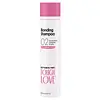 Key Ingredients
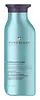
No key ingredients
Benefits
Concerns
Ingredients Side-by-side
Water
Skin ConditioningSodium Cocoyl Isethionate
Cleansing
Sodium Lauroyl Sarcosinate
CleansingCocamidopropyl Hydroxysultaine
Cleansing
Glycol Distearate
Emollient

PEG-150 Distearate
Emulsifying
Propanediol
Solvent

Itaconic Acid
AntimicrobialArginine
Masking
Panthenol
Skin Conditioning

Linum Usitatissimum Seed Extract
Perfuming
Salvia Hispanica Seed Extract
Emollient
Polyglyceryl-10 Laurate
Skin Conditioning
Bis-PCA Dimethicone

Disodium PEG-12 Dimethicone Sulfosuccinate
Cleansing
Polyquaternium-10
Hydroxypropyl Guar Hydroxypropyltrimonium Chloride
Butylene Glycol
Humectant
Parfum
Masking


Hexyl Cinnamal
Perfuming
Alpha-Isomethyl Ionone
Perfuming
Tetrasodium Glutamate Diacetate
ChelatingAminomethyl Propanol
BufferingPhenoxyethanol
Preservative
Ethylhexylglycerin
Skin ConditioningCitric Acid
Buffering

Water, Sodium Cocoyl Isethionate, Sodium Lauroyl Sarcosinate, Cocamidopropyl Hydroxysultaine, Glycol Distearate, PEG-150 Distearate, Propanediol, Itaconic Acid, Arginine, Panthenol, Linum Usitatissimum Seed Extract, Salvia Hispanica Seed Extract, Polyglyceryl-10 Laurate, Bis-PCA Dimethicone, Disodium PEG-12 Dimethicone Sulfosuccinate, Polyquaternium-10, Hydroxypropyl Guar Hydroxypropyltrimonium Chloride, Butylene Glycol, Parfum, Hexyl Cinnamal, Alpha-Isomethyl Ionone, Tetrasodium Glutamate Diacetate, Aminomethyl Propanol, Phenoxyethanol, Ethylhexylglycerin, Citric Acid
Water
Skin ConditioningSodium Cocoyl Isethionate
Cleansing
Disodium Laureth Sulfosuccinate
CleansingSodium Lauryl Sulfoacetate
CleansingSodium Lauroyl Sarcosinate
CleansingCoco-Betaine
Cleansing
Glycol Distearate
Emollient
Glycereth-26
Humectant
Decyl Glucoside
Cleansing
Coconut Acid
Cleansing
Sodium Hydroxide
BufferingParfum
Masking
Sodium Isethionate
CleansingCitric Acid
Buffering
PPG-5-Ceteth-20
EmulsifyingSodium Chloride
MaskingDivinyldimethicone/Dimethicone Copolymer
Polyquaternium-7
Amodimethicone
Polyquaternium-10
Carbomer
Emulsion StabilisingAcrylates Copolymer
PEG-55 Propylene Glycol Oleate
Surfactant
Propylene Glycol
Humectant
C11-15 Pareth-7
EmulsifyingHexyl Cinnamal
Perfuming
Benzoic Acid
Masking
Laureth-9
EmulsifyingButylene Glycol
Humectant
Glycerin
Humectant
Linalool
Perfuming
Tocopherol
Antioxidant



Olea Europaea Fruit Oil
Masking

Camelina Sativa Seed Oil
Skin Conditioning
Trideceth-12
EmulsifyingSalicylic Acid
Masking





Helianthus Annuus Seed Extract
Skin Conditioning
Sodium Benzoate
Masking
Magnesium Nitrate
Benzyl Alcohol
Perfuming
C12-13 Pareth-23
CleansingC12-13 Pareth-3
EmulsifyingHydrolyzed Vegetable Protein Pg-Propyl Silanetriol
Skin ConditioningLimonene
Perfuming
Arginine
Masking
2-Oleamido-1,3-Octadecanediol
Skin ConditioningPoly(Linseed Oil)
Benzophenone-4
UV Absorber
Phenoxyethanol
Preservative
Citronellol
Perfuming
CI 14700
Cosmetic ColorantMethylchloroisothiazolinone
Preservative
Sorbic Acid
Preservative
Haematococcus Pluvialis Extract
Antioxidant
Magnesium Chloride
Methylisothiazolinone
Preservative
Caprylic/Capric Triglyceride
Masking
Potassium Sorbate
Preservative
CI 15510
Cosmetic ColorantWater, Sodium Cocoyl Isethionate, Disodium Laureth Sulfosuccinate, Sodium Lauryl Sulfoacetate, Sodium Lauroyl Sarcosinate, Coco-Betaine, Glycol Distearate, Glycereth-26, Decyl Glucoside, Coconut Acid, Sodium Hydroxide, Parfum, Sodium Isethionate, Citric Acid, PPG-5-Ceteth-20, Sodium Chloride, Divinyldimethicone/Dimethicone Copolymer, Polyquaternium-7, Amodimethicone, Polyquaternium-10, Carbomer, Acrylates Copolymer, PEG-55 Propylene Glycol Oleate, Propylene Glycol, C11-15 Pareth-7, Hexyl Cinnamal, Benzoic Acid, Laureth-9, Butylene Glycol, Glycerin, Linalool, Tocopherol, Olea Europaea Fruit Oil, Camelina Sativa Seed Oil, Trideceth-12, Salicylic Acid, Helianthus Annuus Seed Extract, Sodium Benzoate, Magnesium Nitrate, Benzyl Alcohol, C12-13 Pareth-23, C12-13 Pareth-3, Hydrolyzed Vegetable Protein Pg-Propyl Silanetriol, Limonene, Arginine, 2-Oleamido-1,3-Octadecanediol, Poly(Linseed Oil), Benzophenone-4, Phenoxyethanol, Citronellol, CI 14700, Methylchloroisothiazolinone, Sorbic Acid, Haematococcus Pluvialis Extract, Magnesium Chloride, Methylisothiazolinone, Caprylic/Capric Triglyceride, Potassium Sorbate, CI 15510
Reviews
Ingredients Explained
These ingredients are found in both products.
Ingredients higher up in an ingredient list are typically present in a larger amount.
Arginine is a semi-essential amino acid. This just means our bodies can product a bit on its own, but sometimes needs a little boost from food sources.
It is a part of your skin's natural moisturizing factor (NMF), or the water-loving molecules in your outermost layer of skin (stratum corneum) that keeps everything hydrated and happy.
Here's an interesting thing about Arginine: your skin converts it into urea through the Krebs-Henseleit urea cycle. Urea is one of the most effective humectants your skin naturally produces.
A clinical study showed applying 2.5% arginine hydrochloride to atopic dermatitis skin showed significant urea levels in the stratum corneum and improved moisture in just four weeks.
Arginine is also a precursor to nitric oxide; nitric oxide improves microcirculation and supports wound healing and collagen synthesis.
One study found that an amino acid complex containing Arginine reduced skin irritation, improved hydration, and accelerated skin repair in clinical / in-vivo studies.
Arginine itself is an amino acid and not a fatty acid, oil, or ester. On its own, it's not a direct food source for Malassezia, or the yeast that causes fungal acne.
Learn more about ArginineButylene Glycol (or BG) is used within cosmetic products for a few different reasons:
Overall, Butylene Glycol is a safe and well-rounded ingredient that works well with other ingredients.
Though this ingredient works well with most skin types, some people with sensitive skin may experience a reaction such as allergic rashes, closed comedones, or itchiness.
Learn more about Butylene GlycolCitric Acid is an alpha hydroxy acid (AHA) naturally found in citrus fruits like oranges, lemons, and limes.
Like other AHAs, citric acid can exfoliate skin by breaking down the bonds that hold dead skin cells together. This helps reveal smoother and brighter skin underneath.
However, this exfoliating effect only happens at high concentrations (20%) which can be hard to find in cosmetic products.
Due to this, citric acid is usually included in small amounts as a pH adjuster. This helps keep products slightly more acidic and compatible with skin's natural pH.
In skincare formulas, citric acid can:
While it can provide some skin benefits, research shows lactic acid and glycolic acid are generally more effective and less irritating exfoliants.
Most citric acid used in skincare today is made by fermenting sugars (usually from molasses). This synthetic version is identical to the natural citrus form but easier to stabilize and use in formulations.
Rosacea skin has a lower threshold for acids generally, with 62.5% of rosacea subjects in one study reacting to lactic acid in a sting test. This is why we mark citric acid as a potential rosacea trigger.
However, this ingredient shows up as a pH adjuster or chelator at roughly 0.1-1% in many products. These low levels are unlikely to be an issue for rosacea skin and becomes a potential trigger at exfoliating concentrations (20%). Because everybody's skin is unique, we recommend a patch test if you are unsure.
Learn more about Citric AcidGlycol Distearate is an emulsifier and emollient that adds a "pearly" appearance to formulations.
That lustrous look you see in many shampoos is due to this ingredient: when cooled, it crystallizes into small platelets that reflect light to give products that rich, shimmering look.
This ingredient is considered safe at present practices of use and concentration and repeated insult patch test with 50% Glycol Distearate on 125 subjects found no evidence of skin irritation, hypersensitivity, or acute toxicity.
Typical use concentrations range from 0.1-10%.
Because it's an ester of stearic acid, it falls into the range that Malassezia likes to metabolize. This ingredient may not be fungal acne safe.
Learn more about Glycol DistearateHexyl Cinnamal is a fragrance ingredient with a similar scent to jasmine. It can be naturally found in chamomile essential oil.
This ingredient is a known EU allergen and may sensitize the skin. The EU requires this ingredient to be listed separately on an ingredients list.
Hexyl Cinnamal is not water soluble but is soluble in oils.
Learn more about Hexyl CinnamalParfum is a catch-all term for an ingredient or more that is used to give a scent to products.
Also called "fragrance", this ingredient can be a blend of hundreds of chemicals or plant oils. This means every product with "fragrance" or "parfum" in the ingredients list is a different mixture.
For instance, Habanolide is a proprietary trade name for a specific aroma chemical. When used as a fragrance ingredient in cosmetics, most aroma chemicals fall under the broad labeling category of “FRAGRANCE” or “PARFUM” according to EU and US regulations.
The term 'parfum' or 'fragrance' is not regulated in many countries. In many cases, it is up to the brand to define this term.
For instance, many brands choose to label themselves as "fragrance-free" because they are not using synthetic fragrances. However, their products may still contain ingredients such as essential oils that are considered a fragrance by INCI standards.
One example is Calendula flower extract. Calendula is an essential oil that still imparts a scent or 'fragrance'.
Depending on the blend, the ingredients in the mixture can cause allergies and sensitivities on the skin. Some ingredients that are known EU allergens include linalool and citronellol.
Parfum can also be used to mask or cover an unpleasant scent.
The bottom line is: not all fragrances/parfum/ingredients are created equally. If you are worried about fragrances, we recommend taking a closer look at an ingredient. And of course, we always recommend speaking with a professional.
Learn more about ParfumPhenoxyethanol is one of the most widely used preservatives in skincare (and for good reason!).
It has a large spectrum of antimicrobial activity and especially effective bacteria, yeast, and mold while only having a weak effect on your skin's natural microbiome.
On a cellular level, it disrupts the cell membranes of microbes by poking holes that make the cell leak. This shuts down the chemical reactions the microbe needs to make energy so it can no longer survive.
Another perk of this ingredient is that it stays functional across a wide pH range (3-10).
You'll often see it paired with boosters like Ethylhexylglycerin; one study showed that a 1:9 ratio of Ethylhexylglycerin to Phenoxyethanol damages bacterial membranes as effectively as doubling the Phenoxyethanol concentration on its own.
Typical use concentrations range from 0.3-1% depending on the formula, and this ingredient is capped at 1% int the EU.
Safety-wise, the fear mongering does not hold up to the evidence. The EU's Scientific Committee on Consumer Safety and FDA consider it safe as a preservative at up to 1%, including for children of all ages.
Adverse systemic effects only showed up in animal studies at exposures roughly 200x higher than what people get from cosmetics. And despite its very widespread use, this ingredient is a rare sensitizer and allergic reactions are uncommon.
Learn more about PhenoxyethanolPolyquaternium-10 is an ammonium salt of hydroxyethylcellulose. It is a white and granular powder used as a film-former and anti-static agent.
This ingredient is commonly found in hair conditioning products. According to a manufacturer, its positive charge makes it great for absorbing hair proteins. The manufacturer also states this ingredient helps with curl retention.
For haircare friends: this ingredient is not a silicone.
Learn more about Polyquaternium-10Sodium cocoyl isethionate is a natural ingredient from coconut oil. It is an ultra gentle cleanser that gives a nice foam without drying the skin or impacting the skin barrier.
The amount of foam created depends on the amount of sodium cocoyl isethionate used in the product.
This ingredient also helps improve the spreadability of a product.
This ingredient hasn’t been shown in studies to feed fungal acne yeast.
Learn more about Sodium Cocoyl IsethionateSodium Lauroyl Sarcosinate is a cleansing agent and emulsifier. It is a surfactant derived from sarcosine, and a common source is coconut oil.
As a surfactant, Sodium Lauroyl Sarcosinate helps lift dirts, oil, and other molecules to be washed away. In leave-on products, this ingredient is used as an emulsifier. Emulsifier help prevent ingredients such as oils and waters from separating.
Sodium Lauroyl Sarcosinate is also commonly found as a foaming agent in shampoo, toothpaste, and shaving foam. It is amphiphilic, meaning it loves both water and fats.
Learn more about Sodium Lauroyl SarcosinateWater. It's the most common cosmetic ingredient of all. You'll usually see it at the top of ingredient lists, meaning that it makes up the largest part of the product.
So why is it so popular? Water most often acts as a solvent - this means that it helps dissolve other ingredients into the formulation.
You'll also recognize water as that liquid we all need to stay alive. If you see this, drink a glass of water. Remember to stay hydrated!
Learn more about Water

