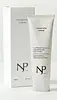
This barrier-repair moisturizer is formulated around Sodium Hyaluronate and Ceramide NP to strengthen the skin barrier and hydrate skin.
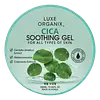
This calming moisturizer is formulated around Centella Asiatica Extract and Madecassoside to calm redness and strengthen the skin barrier.


What's inside
What's inside
 Key Ingredients
Benefits
Concerns
Ingredients Side-by-side
Water
Skin ConditioningButylene Glycol
Humectant

Glycerin
Humectant
Hydrogenated Didecene
Skin ConditioningDimethicone
Emollient
2,3-Butanediol
HumectantCaprylic/Capric Triglyceride
Masking
1,2-Hexanediol
Skin Conditioning
Carbomer
Emulsion StabilisingCetearyl Alcohol
Emollient





Hydroxyacetophenone
Antioxidant
C14-22 Alcohols
Emulsion Stabilising
Tromethamine
BufferingHydroxyethyl Acrylate/Sodium Acryloyldimethyl Taurate Copolymer
Emulsion StabilisingDimethicone/Vinyl Dimethicone Crosspolymer
Skin Conditioning
C12-20 Alkyl Glucoside
EmulsifyingEthylhexylglycerin
Skin ConditioningXanthan Gum
EmulsifyingGlyceryl Acrylate/Acrylic Acid Copolymer
HumectantAllantoin
Skin Conditioning

Pvm/Ma Copolymer
Emulsion StabilisingDisodium EDTA
Polyglyceryl-10 Myristate
Skin Conditioning
Sorbitan Isostearate
Emulsifying
Hydrolyzed Hyaluronic Acid
Humectant

Dipropylene Glycol
HumectantSodium Hyaluronate
Humectant
Propanediol
Solvent
Polyglyceryl-10 Laurate
Skin Conditioning
Madecassoside
Antioxidant
Betaine
Humectant
Arginine
Masking
Glyceryl Glucoside
Humectant
Panthenol
Skin Conditioning
Xylitylglucoside
Humectant
Sodium Hyaluronate Crosspolymer
Humectant
Potassium Hyaluronate
Skin ConditioningHydroxypropyltrimonium Hyaluronate
Hydrolyzed Sodium Hyaluronate
Skin Conditioning
Hyaluronic Acid
Humectant
Anhydroxylitol
Humectant
Trisodium Ethylenediamine Disuccinate
Xylitol
Humectant
Hydrogenated Lecithin
Emulsifying
Artemisia Annua Extract
Masking
Ginkgo Biloba Leaf Extract
Skin Conditioning
Adansonia Digitata Seed Oil
Emollient
Ficus Carica Fruit Extract
Humectant
Malachite Extract
Antioxidant
Ceramide NP
Skin Conditioning
Asiaticoside
Antioxidant
Pentylene Glycol
Skin Conditioning
Madecassic Acid
Skin Conditioning
Sodium Acetylated Hyaluronate
Humectant
Asiatic Acid
Skin Conditioning
Ceramide As
Skin Conditioning
Ceramide Ns
Skin Conditioning
Ceramide AP
Skin Conditioning
Ceramide EOP
Skin Conditioning
Water, Butylene Glycol, Glycerin, Hydrogenated Didecene, Dimethicone, 2,3-Butanediol, Caprylic/Capric Triglyceride, 1,2-Hexanediol, Carbomer, Cetearyl Alcohol, Hydroxyacetophenone, C14-22 Alcohols, Tromethamine, Hydroxyethyl Acrylate/Sodium Acryloyldimethyl Taurate Copolymer, Dimethicone/Vinyl Dimethicone Crosspolymer, C12-20 Alkyl Glucoside, Ethylhexylglycerin, Xanthan Gum, Glyceryl Acrylate/Acrylic Acid Copolymer, Allantoin, Pvm/Ma Copolymer, Disodium EDTA, Polyglyceryl-10 Myristate, Sorbitan Isostearate, Hydrolyzed Hyaluronic Acid, Dipropylene Glycol, Sodium Hyaluronate, Propanediol, Polyglyceryl-10 Laurate, Madecassoside, Betaine, Arginine, Glyceryl Glucoside, Panthenol, Xylitylglucoside, Sodium Hyaluronate Crosspolymer, Potassium Hyaluronate, Hydroxypropyltrimonium Hyaluronate, Hydrolyzed Sodium Hyaluronate, Hyaluronic Acid, Anhydroxylitol, Trisodium Ethylenediamine Disuccinate, Xylitol, Hydrogenated Lecithin, Artemisia Annua Extract, Ginkgo Biloba Leaf Extract, Adansonia Digitata Seed Oil, Ficus Carica Fruit Extract, Malachite Extract, Ceramide NP, Asiaticoside, Pentylene Glycol, Madecassic Acid, Sodium Acetylated Hyaluronate, Asiatic Acid, Ceramide As, Ceramide Ns, Ceramide AP, Ceramide EOP
Water
Skin ConditioningCentella Asiatica Extract
Cleansing
Butylene Glycol
Humectant
Glycerin
Humectant
Calendula Officinalis Extract
Skin Conditioning
Carbomer
Emulsion StabilisingArginine
Masking
Caprylyl Glycol
Emollient
Phenyl Trimethicone
Skin Conditioning
Pentylene Glycol
Skin Conditioning
1,2-Hexanediol
Skin Conditioning
Citrus Aurantium Bergamia Fruit Oil
Masking


Madecassoside
Antioxidant
Asiaticoside
Antioxidant
Asiatic Acid
Skin Conditioning
Madecassic Acid
Skin Conditioning
Propolis Extract
Skin Conditioning

Anthemis Nobilis Flower Extract
Masking
Calendula Officinalis Flower Extract
Masking
Mentha Piperita Leaf Extract
Skin ConditioningThymus Vulgaris Extract
Perfuming
Chrysanthemum Parthenium Extract
Skin ConditioningLippia Citriodora Leaf Extract
Astringent
Bellis Perennis Flower Extract
Skin ConditioningOriganum Vulgare Leaf Extract
Skin ConditioningSalvia Officinalis Leaf Extract
CleansingUrtica Dioica Extract
AstringentHouttuynia Cordata Extract
Skin Conditioning
Ethylhexylglycerin
Skin ConditioningPEG-60 Hydrogenated Castor Oil
Emulsifying
Hydroxyacetophenone
Antioxidant
Disodium EDTA
Limonene
Perfuming
Linalool
Perfuming
Water, Centella Asiatica Extract, Butylene Glycol, Glycerin, Calendula Officinalis Extract, Carbomer, Arginine, Caprylyl Glycol, Phenyl Trimethicone, Pentylene Glycol, 1,2-Hexanediol, Citrus Aurantium Bergamia Fruit Oil, Madecassoside, Asiaticoside, Asiatic Acid, Madecassic Acid, Propolis Extract, Anthemis Nobilis Flower Extract, Calendula Officinalis Flower Extract, Mentha Piperita Leaf Extract, Thymus Vulgaris Extract, Chrysanthemum Parthenium Extract, Lippia Citriodora Leaf Extract, Bellis Perennis Flower Extract, Origanum Vulgare Leaf Extract, Salvia Officinalis Leaf Extract, Urtica Dioica Extract, Houttuynia Cordata Extract, Ethylhexylglycerin, PEG-60 Hydrogenated Castor Oil, Hydroxyacetophenone, Disodium EDTA, Limonene, Linalool
Reviews
Ingredients Explained
These ingredients are found in both products.
Ingredients higher up in an ingredient list are typically present in a larger amount.
1,2-Hexanediol is a synthetic liquid and another multi-functional powerhouse.
It is a:
- Humectant, drawing moisture into the skin
- Emollient, helping to soften skin
- Solvent, dispersing and stabilizing formulas
- Preservative booster, enhancing the antimicrobial activity of other preservatives
Arginine is a semi-essential amino acid. This just means our bodies can product a bit on its own, but sometimes needs a little boost from food sources.
It is a part of your skin's natural moisturizing factor (NMF), or the water-loving molecules in your outermost layer of skin (stratum corneum) that keeps everything hydrated and happy.
Here's an interesting thing about Arginine: your skin converts it into urea through the Krebs-Henseleit urea cycle. Urea is one of the most effective humectants your skin naturally produces.
A clinical study showed applying 2.5% arginine hydrochloride to atopic dermatitis skin showed significant urea levels in the stratum corneum and improved moisture in just four weeks.
Arginine is also a precursor to nitric oxide; nitric oxide improves microcirculation and supports wound healing and collagen synthesis.
One study found that an amino acid complex containing Arginine reduced skin irritation, improved hydration, and accelerated skin repair in clinical / in-vivo studies.
Arginine itself is an amino acid and not a fatty acid, oil, or ester. On its own, it's not a direct food source for Malassezia, or the yeast that causes fungal acne.
Learn more about ArginineAsiatic Acid is one of the four main actives found in Centella Asiatica. Its headline job is stimulating collagen.
Lab tests on human skin cells show Asiatic Acid tells your skin to make more collagen, the protein that keeps skin firm and bouncy.
It also calms inflammation and acts as an antioxidant so it can help skin heal faster, rebuild itself, and repair a damaged barrier.
And on naming, even though "acid" is in the name, it's nothing like an AHA or BHA exfoliant. It's a gentle firming and soothing ingredient that supports your skin barrier.
Concentration-wise, Asiatic Acid is potent at very low doses and usually shows up as a small fraction of a broader centella extract.
Analyses of centella material put Asiatic Acid reported in the range of 0.2-3% of the extract.
This ingredient is non-sensitizing and guinea pig sensitization testing also found it to be a weak sensitizer. That means the risk of acquiring contact sensitivty is quite low.
Allergic contact dermatitis does exist but is also very rare; documented cases tend to involve prolonged use on broken skin plus co-sensitization to fragrance ingredients.
Learn more about Asiatic AcidAsiaticoside comes from the super popular skin-soothing ingredient, Centella asiatica. It's the reason centella-based products have a strong reputation for repairing and calming skin, along with its sibling compound Madecassoside.
Research from 2016-2025 supports its role in:
You'll usually find this in concentrations between 0.2-5%.
Learn more about AsiaticosideButylene Glycol (or BG) is used within cosmetic products for a few different reasons:
Overall, Butylene Glycol is a safe and well-rounded ingredient that works well with other ingredients.
Though this ingredient works well with most skin types, some people with sensitive skin may experience a reaction such as allergic rashes, closed comedones, or itchiness.
Learn more about Butylene GlycolCarbomer is a synthetic thickening and gelling agent. It's basically the ingredient that gives a lot of serums, gels, creams, and sunscreens their smooth, non-sticky texture.
Although legally permitted at very high levels, carbomers are normally used at concentrations below 1%.
It also needs to be neutralized to actually thicken, and because it is a large molecule, it doesn't really penetrate the skin barrier.
Allergy-wise, the risk is very low. Clinical studies show carbomers have low potential for skin irritation/sensitization even at concentrations up to 100%.
A 2024 UK study patch-tested 1,302 patients and found true allergy to the parent group of carbomer to be rare with no confirmed relevant reactions.
Learn more about CarbomerDisodium EDTA is a chelating agent. It grabs onto and deactivates metal ions that sneak into your products from water, packaging, or air.
This ingredient mainly works behind the scenes and helps with:
On top of that, this ingredient can counteract the effects of hard water by binding to the minerals in it.
One thing worth knowing is that Disodium EDTA has been shown to be a mild penetration enhancer. It can help other ingredients absorb into skin more effectively which can be a double-edged sword (great for actives, but can also make the active too strong if you have sensitive skin).
Clinical patch testing showed no significant skin irritation at typical use concentrations and minimal dermal absorption.
You'll most likely see this ingredient near the end of an ingredient list. It's typically found in concentrations less than 1%.
Learn more about Disodium EDTAEthylhexylglycerin is created from glycerin. It is a multitasker ingredient that:
The CIR Expert Panel found minimal skin absorption or sensitization of any kind in a safety assessment. Though this ingredient is considered well-tolerated, a small number of cases of allergic dermatitis have been published since 2002. Just be sure to patch test if you are unsure.
Industry-reported use ranges from 8% in rinse-off products and 2% in leave-on formulations.
Learn more about EthylhexylglycerinGlycerin (or glycerol) is a compound naturally found in your skin. It's a powerhouse humectant that pulls water into the stratum corneum.
Topically, glycerin does several things at once:
Your skin makes glycerin on its own (mostly from sebaceous oil breakdown) and shuttles it to your outermost layer of skin, or your epidermis, via aquaporin-3.
Aquaporin-3 is a transporter that is essential for normal skin hydration, elasticity, and repair. Interestingly, mice lacking in AQP3 have dry and less elastic skin that can be fully corrected with glycerin.
This ingredient is non-irritating, plays well with almost every ingredient, and works across all skin types. Typical use is anywhere between 3-10% but can go up to 79% in some leave-on products.
Just know very high concentrations (>40%) can feel tacky in low humidity.
Glycerin is the name for this ingredient in American English. British English uses Glycerol/Glycerine.
Learn more about GlycerinHydroxyacetophenone is a small phenolic molecule that earns its place in a formulas as an antioxidant and preservative booster.
As a phenol, it is able to neutralize free radicals to protect both the product and the skin from oxidative stress.
Though it can't kill microbes on its own, it works as a good supporting agent when combined with other preservatives like Phenoxyethanol or 1,2-Hexanediol.
This ingredient naturally occurs as piceol in Norwegian spruce needles (~0.4-1.1% dry weight and in cloudberries). Though the cosmetic-grade material is synthesized for purity and consistency.
You'll usually see it used at low levels and suppliers recommend up to 1% added to a water phase.
Safety testing was done at concentrations like 0.05% in SPF products and 0.5% in a Human Repeated Insult Patch Test. The safety evidence is assuring; this ingredient is safe for cosmetics in current use and also holds safety status as a food flavoring as well.
An honest caveat: the "soothing" and "anti-inflammatory" claims come mostly from supplier marketing rather than published clinical trials. The Cosmetic Ingredient Review's own literature search found no useful efficacy studies on this ingredient.
So the antioxidant and preservative-boosting roles are the well supported ones while the calming benefit is plausible but thinly evidenced.
Overall, this is a well-tolerated, low-irritation multitasker that quietly helps a formula stay fresh and stable.
Learn more about HydroxyacetophenoneMadecassic Acid is one of the four star actives in Centella Asiatica. In skincare, it earns its keep as a calming and repairing ingredient.
It works through the same core pathways as the rest of the centella family.
First, it turns down inflammation so it helps with things like redness and general upset skin.
Second, it acts as an antioxidant which means it helps protect skin from daily stress and damage.
And third, it nudges the skin to make more collagen and rebuild its support structure.
That combination is why the whole Centella family is known for calming skin, strengthening the barrier, fading redness, and giving anti-aging benefits.
It's worth being honest about the evidence here; a lot of the strongest data is on the full extract or a Madecassoside/Asiaticoside rather than Madecassic Acid alone. Reviewers also note more long-term clinical trials are needed to confirm the full potential.
Concentration-wise, this ingredient is rarely used pure and usually shows up as part of a standardized centella extract where reported content ranges from 0.02-3.06%.
Finished products typically run somewhere in the 0.1-10% range depending on the format.
In real-world tolerance tests, a repeat-insult patch test on an eye lotion with 0.2% Centella extract showed no irritation or allergic contact dermatitis in 54 subjects. And a mascara with 0.5% Madecassoside caused neither irritation nor sensitization in 109 subjects.
Allergy risk is very low, but not zero. Centella and its constituents are classified as weak contact sensitizers and some rare cases of allergic contact dermatitis exist.
Learn more about Madecassic AcidMadecassoside is one of four active compounds found in Centella asiatica and is one of the main reasons Centella is so effective at calming irritated skin and supporting the moisture barrier.
There's a solid body of peer-reviewed research backing Madecassoside for several skin benefits. Studies have found:
Madecassoside pairs well with other hydrating or antioxidant ingredients like Ascorbic Acid or Hyaluronic Acid.
Learn more about MadecassosidePentylene Glycol (1,2-pentanediol) is a multitasking little diol with three main roles in a formula:
Research on alkanediols (the family pentylene glycol belongs to) show they work by disrupting microbial cell membranes. This disruption helps the primary preservative system in a product work more effectively at lower doses.
On the safety side, the Cosmetic Ingredient Review Expert Panel has concluded this ingredient to be safe as used in current cosmetic practices + concentrations.
Typical use levels in a formula run about 1-5%.
Learn more about Pentylene GlycolWater. It's the most common cosmetic ingredient of all. You'll usually see it at the top of ingredient lists, meaning that it makes up the largest part of the product.
So why is it so popular? Water most often acts as a solvent - this means that it helps dissolve other ingredients into the formulation.
You'll also recognize water as that liquid we all need to stay alive. If you see this, drink a glass of water. Remember to stay hydrated!
Learn more about Water

