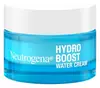
This barrier-repair moisturizer is formulated around Ceramide NP and Sodium Hyaluronate to strengthen the skin barrier and hydrate skin.
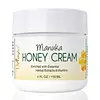
This calming moisturizer is formulated around Aloe Barbadensis Leaf Juice and Panthenol to calm redness and hydrate skin.

What's inside
What's inside
 Key Ingredients
Benefits
Concerns
Ingredients Side-by-side
Water
Skin ConditioningGlycerin
Humectant


Isopropyl Palmitate
Emollient




Cetyl Alcohol
Emollient

Cetearyl Olivate
Sorbitan Olivate
Emulsifying
C10-30 Cholesterol/Lanosterol Esters
Emulsifying
Ceramide NP
Skin Conditioning



Stearic Acid
Cleansing
Palmitic Acid
Emollient
Sodium Hyaluronate
Humectant
Serine
Masking
Glycine
Buffering
Alanine
Masking
Threonine
Arginine
Masking
Proline
Skin Conditioning
Lysine Hcl
Skin Conditioning
Glutamic Acid
Humectant
Sodium PCA
Humectant
PCA
Humectant
Sodium Lactate
Buffering
Urea
Buffering

Sodium Chloride
MaskingCitric Acid
Buffering

Betaine
Humectant
Allantoin
Skin Conditioning
Fructose
Humectant
Maltose
MaskingTrehalose
Humectant
Glucose
Humectant
Pentylene Glycol
Skin Conditioning
Dimethicone
Emollient
Polyacrylate Crosspolymer-6
Emulsion StabilisingEthylhexylglycerin
Skin ConditioningCaprylyl Glycol
Emollient
1,2-Hexanediol
Skin Conditioning
Tropolone
Skin ConditioningSodium Hydroxide
BufferingWater, Glycerin, Isopropyl Palmitate, Cetyl Alcohol, Cetearyl Olivate, Sorbitan Olivate, C10-30 Cholesterol/Lanosterol Esters, Ceramide NP, Stearic Acid, Palmitic Acid, Sodium Hyaluronate, Serine, Glycine, Alanine, Threonine, Arginine, Proline, Lysine Hcl, Glutamic Acid, Sodium PCA, PCA, Sodium Lactate, Urea, Sodium Chloride, Citric Acid, Betaine, Allantoin, Fructose, Maltose, Trehalose, Glucose, Pentylene Glycol, Dimethicone, Polyacrylate Crosspolymer-6, Ethylhexylglycerin, Caprylyl Glycol, 1,2-Hexanediol, Tropolone, Sodium Hydroxide
Aloe Barbadensis Leaf Juice
Skin Conditioning
Water
Skin ConditioningHelianthus Annuus Seed Oil
Emollient
Glyceryl Stearate
Emollient
Glycerin
Humectant
Ethylhexyl Palmitate
Emollient
Cetyl Alcohol
Emollient
Cocos Nucifera Oil
Masking
Isopropyl Palmitate
Emollient
Theobroma Cacao Seed Butter
Emollient
Beeswax
Emulsion Stabilising
Potassium Stearate
CleansingSimmondsia Chinensis Seed Oil
Emollient
Leptospermum Scoparium Mel
Butyrospermum Parkii Butter
Skin Conditioning
Calophyllum Inophyllum Seed Oil
Antimicrobial
Macadamia Ternifolia Seed Oil
Emollient
Aleurites Moluccanus Seed Oil
Skin Conditioning
Persea Gratissima Oil
Skin Conditioning
Borago Officinalis Seed Oil
Emollient
Linum Usitatissimum Seed Oil
Perfuming
Oenothera Biennis Oil
Emollient
Rosa Canina Fruit Oil
Emollient
Panthenol
Skin Conditioning
Tocopheryl Acetate
Antioxidant
Camellia Sinensis Leaf Extract
Antimicrobial

Morinda Citrifolia Fruit Extract
Skin Conditioning
Passiflora Incarnata Seed Oil
Skin Protecting
Calendula Officinalis Flower Extract
Masking
Chamomilla Recutita Extract
Skin Conditioning
Lavandula Angustifolia Extract
Skin Conditioning

Arnica Montana Extract
Skin ConditioningCentella Asiatica Extract
Cleansing
Equisetum Arvense Extract
AstringentGeranium Maculatum Extract
TonicTaraxacum Officinale Extract
Skin ConditioningStearic Acid
Cleansing
Xanthan Gum
EmulsifyingSodium Carbomer
Emulsion StabilisingPhenoxyethanol
Preservative
Ethylhexylglycerin
Skin ConditioningAloe Barbadensis Leaf Juice, Water, Helianthus Annuus Seed Oil, Glyceryl Stearate, Glycerin, Ethylhexyl Palmitate, Cetyl Alcohol, Cocos Nucifera Oil, Isopropyl Palmitate, Theobroma Cacao Seed Butter, Beeswax, Potassium Stearate, Simmondsia Chinensis Seed Oil, Leptospermum Scoparium Mel, Butyrospermum Parkii Butter, Calophyllum Inophyllum Seed Oil, Macadamia Ternifolia Seed Oil, Aleurites Moluccanus Seed Oil, Persea Gratissima Oil, Borago Officinalis Seed Oil, Linum Usitatissimum Seed Oil, Oenothera Biennis Oil, Rosa Canina Fruit Oil, Panthenol, Tocopheryl Acetate, Camellia Sinensis Leaf Extract, Morinda Citrifolia Fruit Extract, Passiflora Incarnata Seed Oil, Calendula Officinalis Flower Extract, Chamomilla Recutita Extract, Lavandula Angustifolia Extract, Arnica Montana Extract, Centella Asiatica Extract, Equisetum Arvense Extract, Geranium Maculatum Extract, Taraxacum Officinale Extract, Stearic Acid, Xanthan Gum, Sodium Carbomer, Phenoxyethanol, Ethylhexylglycerin
Reviews
Ingredients Explained
These ingredients are found in both products.
Ingredients higher up in an ingredient list are typically present in a larger amount.
Cetyl Alcohol is a fatty alcohol. Fatty Alcohols are most often used as an emollient or to thicken a product.
Its main roles are:
Though it has "alcohol" in the name, it is not related to denatured alcohol or ethyl alcohol.
The FDA allows products labeled "alcohol-free" to have fatty alcohols.
This ingredient may not be fungal acne safe. It is a primary fatty alcohol with a chain length above 12 carbons. A study from 2019 show Malassezia can feed on fatty alcohols in this range, so it may trigger fungal acne in those prone to it.
Learn more about Cetyl AlcoholEthylhexylglycerin is created from glycerin. It is a multitasker ingredient that:
The CIR Expert Panel found minimal skin absorption or sensitization of any kind in a safety assessment. Though this ingredient is considered well-tolerated, a small number of cases of allergic dermatitis have been published since 2002. Just be sure to patch test if you are unsure.
Industry-reported use ranges from 8% in rinse-off products and 2% in leave-on formulations.
Learn more about EthylhexylglycerinGlycerin (or glycerol) is a compound naturally found in your skin. It's a powerhouse humectant that pulls water into the stratum corneum.
Topically, glycerin does several things at once:
Your skin makes glycerin on its own (mostly from sebaceous oil breakdown) and shuttles it to your outermost layer of skin, or your epidermis, via aquaporin-3.
Aquaporin-3 is a transporter that is essential for normal skin hydration, elasticity, and repair. Interestingly, mice lacking in AQP3 have dry and less elastic skin that can be fully corrected with glycerin.
This ingredient is non-irritating, plays well with almost every ingredient, and works across all skin types. Typical use is anywhere between 3-10% but can go up to 79% in some leave-on products.
Just know very high concentrations (>40%) can feel tacky in low humidity.
Glycerin is the name for this ingredient in American English. British English uses Glycerol/Glycerine.
Learn more about GlycerinIsopropyl Palmitate is a lightweight emollient made by combining isopropyl alcohol and palmitic acid.
It is an emollient that leaves skin feeling smooth and silky without leaving a greasy feel.
Typical usage concentrations range from 1-5%.
Human testing shows it's non-irritating and non-sensitizing, and the EU Scientific Committee on Consumer Safety (SCCS) has cleared it at very high levels (79% in leave-on products).
The one thing worth knowing about its comedogenic score of 3-4 is to keep it in perspective: these ratings come from old rabbit-ear tests using 100% of pure ingredient and doesn't reflect how it behaves at low levels in a finished product.
Because it is an ester of palmitic acid (C16), it falls into the range that the Malassezia yeast can feed on and is considered not fungal acne safe.
Learn more about Isopropyl PalmitateStearic Acid is a fatty acid that is already found in your skin. It's one of the free fatty acids that works alongside ceramides and cholesterols to maintain your barrier.
In cosmetics, it is a multitasker:
Safety-wise, the CIR Expert Panel has concluded it to be safe in cosmetics when formulated to be non-irritating and non-sensitizing.
Free stearic acid is a C18 fatty acid that the Malassezia yeast can substrate, so this ingredient may not be fungal acne safe.
This ingredient does have a comedogenic rating of 2-3, but this doesn't mean a formula with this ingredient will clog pores.
Human testing has proved that any finished product with this ingredient won't automatically make you break out; it really comes down to concentration, formula, and your skin.
Learn more about Stearic AcidWater. It's the most common cosmetic ingredient of all. You'll usually see it at the top of ingredient lists, meaning that it makes up the largest part of the product.
So why is it so popular? Water most often acts as a solvent - this means that it helps dissolve other ingredients into the formulation.
You'll also recognize water as that liquid we all need to stay alive. If you see this, drink a glass of water. Remember to stay hydrated!
Learn more about Water

