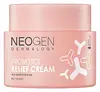
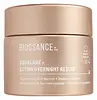
Neogen Probiotics Relief Cream Versus Biossance Squalane + Ectoin Overnight Rescue Deep Repair Night Cream
This calming moisturizer is formulated around Lactobacillus Ferment Lysate and Niacinamide to calm redness and strengthen the skin barrier.


What's inside
What's inside
 Key Ingredients
Benefits
Concerns
Ingredients Side-by-side
Water
Skin ConditioningLactobacillus Ferment Lysate 14.3%
Skin Conditioning
Butylene Glycol
Humectant

Propanediol
Solvent
Isopentyldiol
Humectant
Dimethicone
Emollient

Cyclopentasiloxane
Emollient
Glycerin
Humectant
Niacinamide
Smoothing








Hydrogenated Poly(C6-14 Olefin)
EmollientCyclohexasiloxane
Emollient
1,2-Hexanediol
Skin Conditioning
PEG-240/Hdi Copolymer Bis-Decyltetradeceth-20 Ether
StabilisingButyrospermum Parkii Butter
Skin Conditioning




Polyglyceryl-10 Myristate
Skin Conditioning
Polyglyceryl-2 Stearate
Emulsifying
Hydroxyethyl Acrylate/Sodium Acryloyldimethyl Taurate Copolymer
Emulsion StabilisingGlyceryl Stearate
Emollient
Stearyl Alcohol
Emollient
Ethylhexylglycerin
Skin ConditioningAdenosine
Skin Conditioning
Betaine
Humectant
Allantoin
Skin Conditioning
Trehalose
Humectant
Panthenol
Skin Conditioning
Sodium PCA
Humectant
Bifida Ferment Lysate
Skin Conditioning
Sodium Lactate
Buffering
Gossypium Herbaceum Extract
Skin ConditioningArginine
Masking
Aspartic Acid
Masking
PCA
Humectant
Streptococcus Thermophilus Ferment
Humectant
Caprylic/Capric Triglyceride
Masking
Glycine
Buffering
Alanine
Masking
Lecithin
Emollient
Royal Jelly Extract
Skin Conditioning
Milk Extract
Skin ConditioningPolysorbate 20
Emulsifying
Propolis Extract
Skin Conditioning
Hydrolyzed Collagen
Emollient
Lactose
HumectantArtemisia Capillaris Extract
Simmondsia Chinensis Seed Oil
Emollient
Helianthus Annuus Seed Oil
Emollient
Serine
Masking
Valine
MaskingIsoleucine
Skin ConditioningThreonine
Proline
Skin Conditioning
Phenylalanine
Masking
Histidine
Humectant
Hyaluronic Acid
Humectant
Lupinus Albus Seed Extract
Skin ConditioningSodium Ascorbyl Phosphate
Antioxidant

Phospholipids
Skin Conditioning
Phytosphingosine
Skin Conditioning
Copper Tripeptide-1
Skin Conditioning
Ceramide NP
Skin Conditioning
Lactic Acid
Buffering

Cholesterol
Emollient
Hydrolyzed Hyaluronic Acid
Humectant
Madecassoside
Antioxidant
Tocopherol
Antioxidant
Sodium Hyaluronate
Humectant
Squalane
Emollient
Tripeptide-1
Skin Conditioning
Palmitoyl Tripeptide-1
Skin Conditioning
Tripeptide-2
Skin Conditioning
Hexapeptide-11
Skin Conditioning
Phytosterols
Skin Conditioning
Dunaliella Salina Extract
Skin ConditioningAcetyl Hexapeptide-8
Humectant
Palmitoyl Tetrapeptide-7
Skin Conditioning
Palmitoyl Pentapeptide-4
Skin Conditioning
Hexapeptide-9
Skin Conditioning
Nonapeptide-1
Skin Conditioning
Disodium EDTA
Parfum
Masking

Water, Lactobacillus Ferment Lysate 14.3%, Butylene Glycol, Propanediol, Isopentyldiol, Dimethicone, Cyclopentasiloxane, Glycerin, Niacinamide, Hydrogenated Poly(C6-14 Olefin), Cyclohexasiloxane, 1,2-Hexanediol, PEG-240/Hdi Copolymer Bis-Decyltetradeceth-20 Ether, Butyrospermum Parkii Butter, Polyglyceryl-10 Myristate, Polyglyceryl-2 Stearate, Hydroxyethyl Acrylate/Sodium Acryloyldimethyl Taurate Copolymer, Glyceryl Stearate, Stearyl Alcohol, Ethylhexylglycerin, Adenosine, Betaine, Allantoin, Trehalose, Panthenol, Sodium PCA, Bifida Ferment Lysate, Sodium Lactate, Gossypium Herbaceum Extract, Arginine, Aspartic Acid, PCA, Streptococcus Thermophilus Ferment, Caprylic/Capric Triglyceride, Glycine, Alanine, Lecithin, Royal Jelly Extract, Milk Extract, Polysorbate 20, Propolis Extract, Hydrolyzed Collagen, Lactose, Artemisia Capillaris Extract, Simmondsia Chinensis Seed Oil, Helianthus Annuus Seed Oil, Serine, Valine, Isoleucine, Threonine, Proline, Phenylalanine, Histidine, Hyaluronic Acid, Lupinus Albus Seed Extract, Sodium Ascorbyl Phosphate, Phospholipids, Phytosphingosine, Copper Tripeptide-1, Ceramide NP, Lactic Acid, Cholesterol, Hydrolyzed Hyaluronic Acid, Madecassoside, Tocopherol, Sodium Hyaluronate, Squalane, Tripeptide-1, Palmitoyl Tripeptide-1, Tripeptide-2, Hexapeptide-11, Phytosterols, Dunaliella Salina Extract, Acetyl Hexapeptide-8, Palmitoyl Tetrapeptide-7, Palmitoyl Pentapeptide-4, Hexapeptide-9, Nonapeptide-1, Disodium EDTA, Parfum
Water
Skin ConditioningGlycerin
Humectant
Squalane
Emollient
Shorea Stenoptera Seed Butter
Emollient
Caprylic/Capric Triglyceride
Masking
C12-16 Alcohols
EmollientSodium Acrylates Copolymer
Ectoin
Skin Conditioning
Jojoba Esters
Emollient
Palmitic Acid
Emollient
Phenoxyethanol
Preservative
Hydrogenated Lecithin
Emulsifying
Hydroxyethyl Acrylate/Sodium Acryloyldimethyl Taurate Copolymer
Emulsion StabilisingLecithin
Emollient
Magnesium Chloride
Ethylhexylglycerin
Skin ConditioningSodium Gluconate
Skin ConditioningCaprylyl Glycol
Emollient
Acetyl Hexapeptide-8
Humectant
Water, Glycerin, Squalane, Shorea Stenoptera Seed Butter, Caprylic/Capric Triglyceride, C12-16 Alcohols, Sodium Acrylates Copolymer, Ectoin, Jojoba Esters, Palmitic Acid, Phenoxyethanol, Hydrogenated Lecithin, Hydroxyethyl Acrylate/Sodium Acryloyldimethyl Taurate Copolymer, Lecithin, Magnesium Chloride, Ethylhexylglycerin, Sodium Gluconate, Caprylyl Glycol, Acetyl Hexapeptide-8
Reviews
Ingredients Explained
These ingredients are found in both products.
Ingredients higher up in an ingredient list are typically present in a larger amount.
Acetyl Hexapeptide-8 (also known as Argireline) is a synthetic hexapeptide that is often called a "topical Botox alternative".
It works by mimicking how Botox relaxes muscles; it interferes with the signaling process that tells your facial muscles to contract. This can help soften expression lines like forehead wrinkles or crow's feet over time.
The comparison to Botox does have limits because the molecule is water-loving and relatively large.
Acetyl Hexapeptide-8 has a hard time absorbing deeply enough through the skin's outer barrier to actually reach the muscles.
So whether it truly works the way Botox does at a biological level is still up for debate, but early clinical outcomes are fairly encouraging.
A 12 week human study of a multi-ingredient regimen containing this ingredient saw:
While some studies have observed improvements in wrinkle appearance, it is important to note that more consistent results are seen in multi-ingredient formulations (vs just Acetyl Hexapeptide-8 alone).
Some research studies also used higher concentrations (up to 10%) while this ingredient is usually found in concentrations up to 0.005% in leave-on formulations.
Learn more about Acetyl Hexapeptide-8Caprylic/Capric Triglyceride (aka MCT Oil) is a lightweight emollient, solvent, and texture enhancer. It is considered a skin-softener by helping to prevent moisture loss.
Though it behaves like an oil, it is not technically one due to its chemical composition. One perk of this ingredient is that it is very stable, resistant to oxidation, and unlikely to go rancid.
In practice, that translates to a long shelf life and a consistently elegant skin feel.
While there is an assumption Caprylic Triglyceride can clog pores due to it being derived from coconut oil, there is no research supporting this. Just patch test if you have concerns.
Fractionated coconut oil and MCT Oil are both listed as Caprylic/Capric Triglyceride according to INCI. This is because INCI names are based on the ingredient’s final chemical composition and not its marketing name or source.
This ingredient is treated as the gold standard fungal acne safe oil. Even though it is coconut derived, the problematic lauric acid is stripped out.
This leaves just caprylic (C8) and capric (C10) acid. These chain lengths actually trend antifungal; a 2020 study found caprylic acid was enough to disrupt Malassezia furfur cell membrane, with a caprylic acid derivative damaging membrane structures at concentrations as low as 0.2%.
Learn more about Caprylic/Capric TriglycerideEthylhexylglycerin is created from glycerin. It is a multitasker ingredient that:
The CIR Expert Panel found minimal skin absorption or sensitization of any kind in a safety assessment. Though this ingredient is considered well-tolerated, a small number of cases of allergic dermatitis have been published since 2002. Just be sure to patch test if you are unsure.
Industry-reported use ranges from 8% in rinse-off products and 2% in leave-on formulations.
Learn more about EthylhexylglycerinGlycerin (or glycerol) is a compound naturally found in your skin. It's a powerhouse humectant that pulls water into the stratum corneum.
Topically, glycerin does several things at once:
Your skin makes glycerin on its own (mostly from sebaceous oil breakdown) and shuttles it to your outermost layer of skin, or your epidermis, via aquaporin-3.
Aquaporin-3 is a transporter that is essential for normal skin hydration, elasticity, and repair. Interestingly, mice lacking in AQP3 have dry and less elastic skin that can be fully corrected with glycerin.
This ingredient is non-irritating, plays well with almost every ingredient, and works across all skin types. Typical use is anywhere between 3-10% but can go up to 79% in some leave-on products.
Just know very high concentrations (>40%) can feel tacky in low humidity.
Glycerin is the name for this ingredient in American English. British English uses Glycerol/Glycerine.
Learn more about GlycerinThis is a synthetic polymer. It helps improve the texture of products by adding thickness and gel-like feel.
It is also an emulsifer, meaning it prevents ingredients such as oil and water from separating. It also helps evenly disperse other ingredients.
Lecithin is a term for a group of substances found in the cell membranes of plants, animals, and humans. They are made up of phospholipids.
Thanks to its amphiphilic structure (water-loving head and oil-loving tail), it is a true multitasker:
It plays well with most ingredients and is typically used at 0.1-1%. However, concentrations up to 50% have been reported in moisturizers.
Learn more about LecithinSqualane is the hydrogenated and shelf-stable form of squalene (a lipid that naturally occurs in human sebum).
It is an emollient and skin conditioning agent that is able to integrate seamlessly into the skin's lipid barrier without clogging pores.
This is due to how structurally similar it is to what your skin already produces.
Though it is mostly an emollient that helps soften and hydrate skin, it also has some humectant and occlusive action. Humectants help the skin retain moisture while occlusives seal it in, making squalane a triple-threat moisturizer.
Research shows it has antioxidant capabilities that help protect against stressors like UV exposure, specifically UVA induced oxidative stress. This study also found that it supports collagen biosynthesis in human dermal fibroblasts.
No clinical study has reported significant adverse effects and irritation reactions are very rare from this ingredient (even at 100% concentration).
Overall, it's a fantastic ingredient for hydration and is suitable for all skin types.
This depends on the source. Squalane can be derived from both plants and animals. Most squalane used in skincare comes from plants.
Please note: the source of squalane is only known if disclosed by the brand. We recommend reaching out to the brand if you have any questions about their squalane.
Read more about squalene with an "e".
Though squalane is often called an oil, it’s technically not one. It is a hydrocarbon, meaning it is only made of carbon and hydrogen. True oils are triglycerides and made of fatty acids and glycerol.
The term “oil-free” isn’t regulated so companies can define it however they want. Some exclude all oils, while others just avoid mineral oil or comedogenic oils.
Squalane has a comedogenic rating of 1 from the original 1972 study that tested raw ingredients under occlusion on rabbit ears. This system is not standardized or peer-reviewed, and using the raw ingredients is very different from how diluted cosmetic formulations are used on human skin.
A comedogenic rating of 1 means it is "unlikely to clog pores" according to the original rating system.
The overall formula of a product matters more than the individual ingredients on whether or not it will cause clogged pores.
Learn more about SqualaneWater. It's the most common cosmetic ingredient of all. You'll usually see it at the top of ingredient lists, meaning that it makes up the largest part of the product.
So why is it so popular? Water most often acts as a solvent - this means that it helps dissolve other ingredients into the formulation.
You'll also recognize water as that liquid we all need to stay alive. If you see this, drink a glass of water. Remember to stay hydrated!
Learn more about Water

