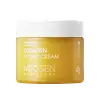
This anti-aging moisturizer is formulated around Collagen Extract and Adenosine to soften the look of wrinkles and hydrate skin.
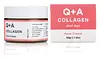
This anti-aging moisturizer is formulated around Tripeptide-29 to soften the look of wrinkles.


What's inside
What's inside
 Key Ingredients
Benefits
Concerns
Ingredients Side-by-side
Water
Skin ConditioningAlcohol Denat.
Antimicrobial




Glycerin
Humectant


Cyclopentasiloxane
Emollient
Butylene Glycol
Humectant
1,2-Hexanediol
Skin Conditioning
Cyclohexasiloxane
Emollient
Methyl Gluceth-20
Humectant
Collagen Extract
Skin Conditioning
C12-16 Alcohols
EmollientCarbomer
Emulsion StabilisingTromethamine
BufferingPalmitic Acid
Emollient


Hydrogenated Lecithin
Emulsifying
Xanthan Gum
EmulsifyingTrehalose
Humectant
Allantoin
Skin Conditioning

Ethylhexylglycerin
Skin ConditioningPanthenol
Skin Conditioning
Adenosine
Skin Conditioning
Citrus Aurantium Dulcis Peel Oil
Masking

Sodium Hyaluronate
Humectant
Disodium EDTA
ChelatingCeramide NP
Skin Conditioning
Squalane
Emollient
Citrus Aurantium Bergamia Fruit Oil
Masking

Dextrin
AbsorbentCoptis Japonica Root Extract
Skin ConditioningTheobroma Cacao Extract
Skin ConditioningLavandula Angustifolia Oil
Masking
Litsea Cubeba Fruit Oil
Masking
Olea Europaea Fruit Oil
Masking
Pelargonium Graveolens Oil
Masking
Ocimum Basilicum Oil
Masking
Undaria Pinnatifida Extract
Skin ConditioningEnteromorpha Compressa Extract
Skin Protecting
Laminaria Japonica Extract
Skin Protecting
Spirulina Platensis Extract
Skin ProtectingGelidium Cartilagineum Extract
Skin ProtectingWater, Alcohol Denat., Glycerin, Cyclopentasiloxane, Butylene Glycol, 1,2-Hexanediol, Cyclohexasiloxane, Methyl Gluceth-20, Collagen Extract, C12-16 Alcohols, Carbomer, Tromethamine, Palmitic Acid, Hydrogenated Lecithin, Xanthan Gum, Trehalose, Allantoin, Ethylhexylglycerin, Panthenol, Adenosine, Citrus Aurantium Dulcis Peel Oil, Sodium Hyaluronate, Disodium EDTA, Ceramide NP, Squalane, Citrus Aurantium Bergamia Fruit Oil, Dextrin, Coptis Japonica Root Extract, Theobroma Cacao Extract, Lavandula Angustifolia Oil, Litsea Cubeba Fruit Oil, Olea Europaea Fruit Oil, Pelargonium Graveolens Oil, Ocimum Basilicum Oil, Undaria Pinnatifida Extract, Enteromorpha Compressa Extract, Laminaria Japonica Extract, Spirulina Platensis Extract, Gelidium Cartilagineum Extract
Water
Skin ConditioningHelianthus Annuus Seed Oil
Emollient
Butyrospermum Parkii Butter
Skin Conditioning
Glyceryl Stearate
Emollient
Theobroma Cacao Seed Butter
Emollient
Cera Alba
Emollient
Glycerin
Humectant
Sodium Stearoyl Glutamate
CleansingSucrose Stearate
EmollientCollagen
Moisturising
Tripeptide-29
Skin Conditioning
Lactic Acid
Buffering





Magnesium PCA
Humectant
Lonicera Caprifolium Flower Extract
Perfuming
Lonicera Japonica Flower Extract
Skin ConditioningLinum Usitatissimum Seed Oil
Perfuming
Zingiber Officinale Root Extract
Masking
Olea Europaea Fruit Oil
Masking
Coco-Glucoside
Cleansing
Benzyl Alcohol
Perfuming

Coconut Alcohol
Emollient
Aloe Barbadensis Leaf Juice Powder
Skin Conditioning
Tocopherol
Antioxidant

Dehydroacetic Acid
Preservative
Sodium Hyaluronate
Humectant
Leuconostoc/Radish Root Ferment Filtrate
Antimicrobial
Sodium Ascorbyl Phosphate
Antioxidant
Xanthan Gum
EmulsifyingCitric Acid
Buffering
Water, Helianthus Annuus Seed Oil, Butyrospermum Parkii Butter, Glyceryl Stearate, Theobroma Cacao Seed Butter, Cera Alba, Glycerin, Sodium Stearoyl Glutamate, Sucrose Stearate, Collagen, Tripeptide-29, Lactic Acid, Magnesium PCA, Lonicera Caprifolium Flower Extract, Lonicera Japonica Flower Extract, Linum Usitatissimum Seed Oil, Zingiber Officinale Root Extract, Olea Europaea Fruit Oil, Coco-Glucoside, Benzyl Alcohol, Coconut Alcohol, Aloe Barbadensis Leaf Juice Powder, Tocopherol, Dehydroacetic Acid, Sodium Hyaluronate, Leuconostoc/Radish Root Ferment Filtrate, Sodium Ascorbyl Phosphate, Xanthan Gum, Citric Acid
Ingredients Explained
These ingredients are found in both products.
Ingredients higher up in an ingredient list are typically present in a larger amount.
Glycerin (or glycerol) is a compound naturally found in your skin. It's a powerhouse humectant that pulls water into the stratum corneum.
Topically, glycerin does several things at once:
Your skin makes glycerin on its own (mostly from sebaceous oil breakdown) and shuttles it to your outermost layer of skin, or your epidermis, via aquaporin-3.
Aquaporin-3 is a transporter that is essential for normal skin hydration, elasticity, and repair. Interestingly, mice lacking in AQP3 have dry and less elastic skin that can be fully corrected with glycerin.
This ingredient is non-irritating, plays well with almost every ingredient, and works across all skin types. Typical use is anywhere between 3-10% but can go up to 79% in some leave-on products.
Just know very high concentrations (>40%) can feel tacky in low humidity.
Glycerin is the name for this ingredient in American English. British English uses Glycerol/Glycerine.
Learn more about GlycerinThis ingredient is also known as olive oil. It has been used in skincare for centuries and science largely backs up its reputation as a nourishing emollient.
The main components of olive oil are oleic acid (55-83%), linoleic acid (3.5-20%), and palmitic acid (7-20%). Oleic acid promotes skin regeneration and helps regulate inflammatory responses.
Squalene is also naturally present in olive oil and exhibits moisturizing and antioxidant properties.
The polyphenols in olive oil also show anti-aging promise; one clinical study found a measurable improvement in skin appearance after 30 days of topical serum use.
Just be aware that applying olive oil directly to skin can weaken the barrier and cause redness. One study with volunteers found even people without sensitive skin experienced a significant reduction in stratum corneum integrity and induced mild erythema.
It's best to use this ingredient as part of a carefully crafted formula (instead of putting it on skin directly from the bottle).
Because it has a 0-2 on the comedogenic scale, it is low risk for acne-prone skin. Just remember the overall formulation of a product matters more than a few ingredients with comedogenic ratings.
This ingredient may not be fungal acne safe because of the oleic and palmitic acid content. These fall within the C11-24 fatty acid range that the Malassezia yeast can metabolize to grow.
Overall, olive oil is a well-studied and nourishing skincare ingredient.
Learn more about Olea Europaea Fruit OilSodium Hyaluronate is the salt form of hyaluronic acid. It is a long sugar chain that is naturally found in your skin, joints, and connective tissue that maintains hydration and elasticity.
In skincare, it works as a humectant. It pulls water from the environment and deeper layers of skin and binds it to the surface.
Interestingly, the size of the molecule affects its behavior:
Some clinical evidence links low molecular weight versions to improved wrinkle depth, elasticity, anti-inflammatory effects, and barrier repair.
Many serums use a blend of both weights so you can get surface hydration plus longer-lasting and deeper effects.
You'll typically see concentrations between 0.1-2% for this ingredient.
Learn more about Sodium HyaluronateWater. It's the most common cosmetic ingredient of all. You'll usually see it at the top of ingredient lists, meaning that it makes up the largest part of the product.
So why is it so popular? Water most often acts as a solvent - this means that it helps dissolve other ingredients into the formulation.
You'll also recognize water as that liquid we all need to stay alive. If you see this, drink a glass of water. Remember to stay hydrated!
Learn more about WaterXanthan gum is used as a stabilizer and thickener within cosmetic products. It helps give products a sticky, thick feeling - preventing them from being too runny.
On the technical side of things, xanthan gum is a polysaccharide - a combination consisting of multiple sugar molecules bonded together.
Xanthan gum is a pretty common and great ingredient. It is a natural, non-toxic, non-irritating ingredient that is also commonly used in food products.
Learn more about Xanthan Gum

